If you’ve been looking into addiction treatment models, something you might have come across is the 7-Dimensional Addiction Treatment Model. This approach has made a real difference for a lot of people—not just those seeking recovery but also families and counselors trying to understand the bigger picture of addiction. So, here’s a detailed look at what this model is about, why it works, and how each dimension fits into real-world recovery.
What Is the 7 Dimension Addiction Treatment Model?
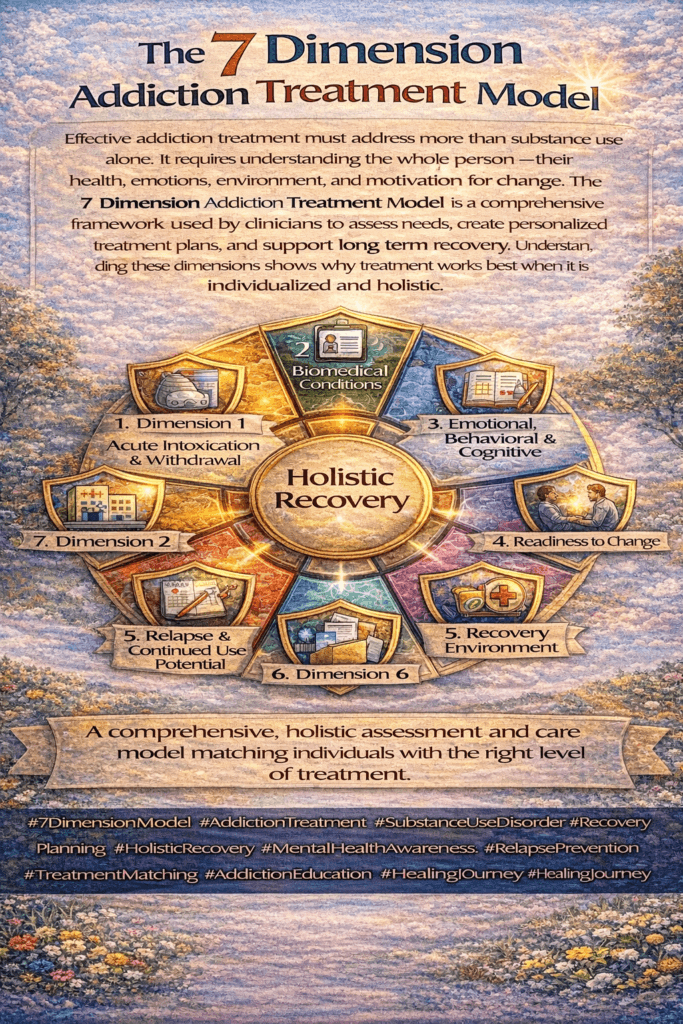
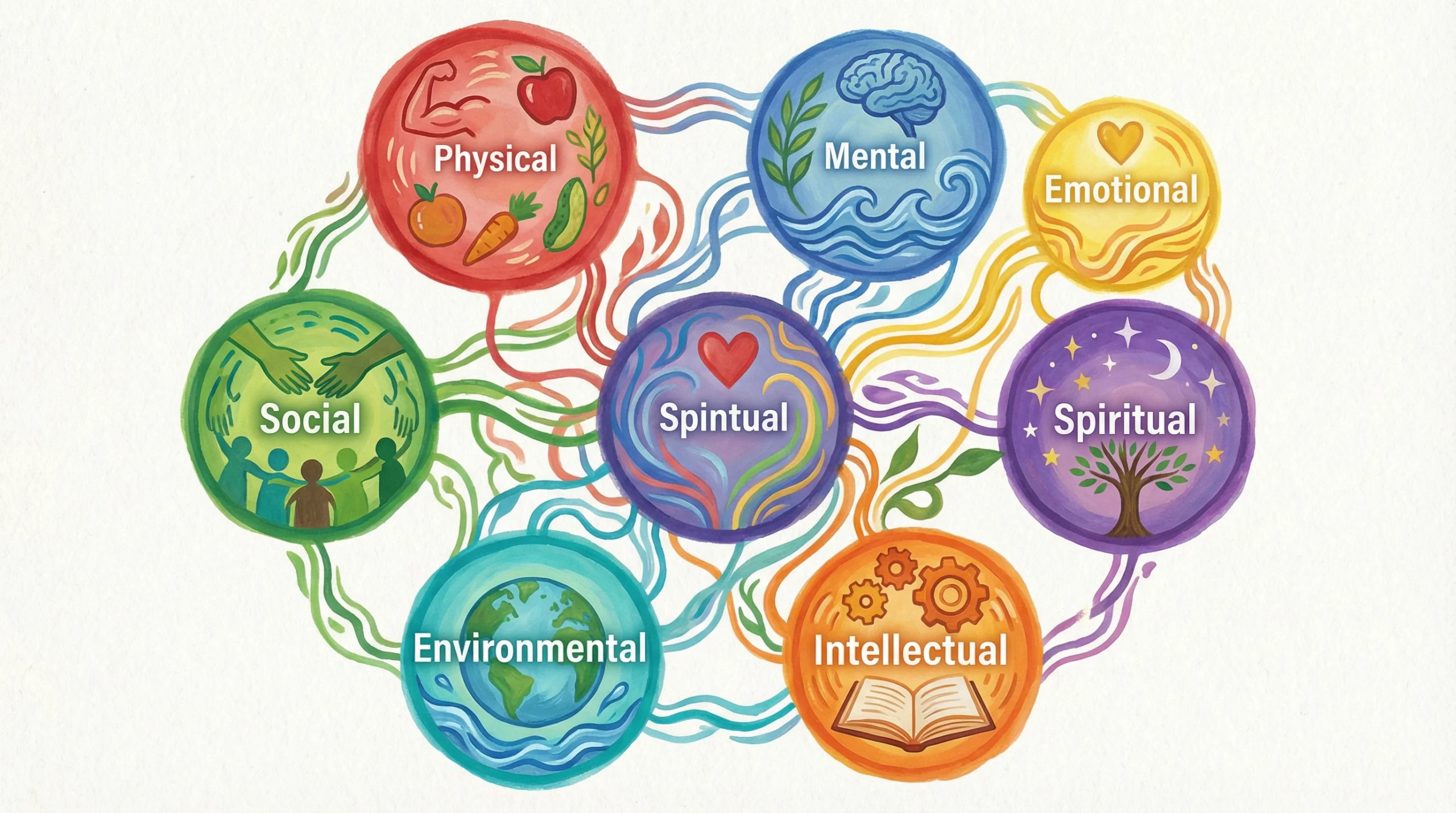
The 7 Dimension Addiction Treatment Model is basically a roadmap that goes deeper than just stopping substance use. It breaks down recovery into seven areas (or “dimensions”) that all play a significant role in someone’s overall well-being. Instead of focusing solely on detox or therapy, this model views a person’s life as a whole to identify and address gaps that could make or break their recovery.
This approach has roots in holistic medical and counseling practices, which means it doesn’t separate “the problem” from the person. Over the last decade or so, more treatment centers and counselors have adopted this framework as their standard, mostly because it helps people build a well-rounded, flexible recovery plan that holds up better over time.
Breaking Down the 7 Dimensions
I’ve seen a lot of confusion about what these seven dimensions actually are, so here’s a simple rundown with each one explained.
- 1. Biomedical: This looks at a person’s physical health, medical needs, chronic conditions, or withdrawal symptoms. It includes checkups, physical therapy, and sometimes medication management.
- 2. Emotional/Psychological: This covers a person’s mental and emotional health, from anxiety and depression to trauma or mood disorders. It’s where therapies like CBT (Cognitive Behavioral Therapy) often fit in.
- 3. Behavioral: Here, counselors pay attention to daily habits, choices, coping skills, and anything someone does that can help or harm their sobriety. It’s about building a routine that supports healthy living.
- 4. Social/Relational: Recovery is rarely a solo job. This dimension focuses on factors such as family, friendships, work dynamics, and how a person connects with others.
- 5. Educational/Vocational: A big piece of recovery is finding purpose. Whether it’s finishing school, job training, or setting career goals, people need to feel they have something to work toward.
- 6. Legal: Legal problems and addiction often go hand in hand. This dimension helps people address ongoing court cases, parole requirements, or simply get their IDs back on track.
- 7. Spiritual: This isn’t about pushing any belief system. Instead, it’s about finding hope, meaning, or community; whatever helps people stay grounded when recovery gets tough.
How This Model Helps People Recover
The biggest advantage of the 7 Dimension approach is how it helps avoid “one-size-fits-all” treatment. Every person entering recovery has a different mix of strengths and weaknesses in these areas. For example, someone might have their legal affairs all sorted but need support with mental health or rebuilding trust with family. Others might need serious medical care before they can focus on anything else.
Programs that use this framework usually begin with a thorough assessment in each dimension. This helps set clear goals and lets counselors shape a plan that feels realistic and manageable, rather than overwhelming. I’ve seen people get really motivated when they see progress in their relationships or career goals; recovery starts to feel possible in more than one area.
Getting Started: What To Expect
If you’re considering a treatment program that follows the 7 Dimension model, expect to get some questions that go beyond what substances you’ve used. You’ll probably fill out forms or have interviews covering your medical history, family background, mental health, legal issues, education, and more. While it can feel a bit much at first, being open here helps the team set you up for better long-term progress.
- Tip #1: Bring any paperwork you have with you; medical records, school documents, or even past legal documents. The more information you provide, the easier it is to create a plan tailored to you.
- Tip #2: Be honest about every area—even ones that feel embarrassing or tough. Nobody’s judging. The goal is to get support in every spot that might trip you up.
Challenges and Common Sticking Points
No approach is perfect, and the 7 Dimension model comes with its share of bumps along the road. Here are a few things I’ve noticed people run into:
- Overwhelm: Tackling seven different categories sounds like a lot, especially early on in recovery. The key is to break things into small steps and celebrate little wins.
- Gaps in Services: Not every treatment program has resources for each dimension. For example, some places might lack decent job support or legal aid. If this comes up, look for nonprofit or community organizations to fill the gaps. Community centers and public libraries often know about these resources or can help you find them online. Don’t hesitate to ask; even a single connection can open new opportunities.
- Resistance to Certain Dimensions: Many people are hesitant about the “spiritual” or social side, but keeping an open mind often leads to unexpected benefits. Sometimes, just trying one new group can lead to lasting support and friendship.
Dealing with Overwhelm
If looking at all seven dimensions at once feels stressful, ask your counselor to rank which dimension needs the most attention right now. It’s usually easier to focus on two or three in the beginning, then add more as you make progress. And always ask for help if you feel stuck; counselors are there to help problem-solve barriers together.
Finding Community Resources
Lots of local organizations offer workshops or support in education, employment, legal aid, or faith-based mentoring. Libraries, workforce centers, and even some churches or synagogues can connect you to these services if your treatment center can’t cover everything. Don’t be afraid to use online support groups or hotlines as well; recovery communities online can be especially helpful during off-hours or if you aren’t able to attend in-person groups.
Simple Tips for Each Dimension
Here are a few basic, practical ways you can start working on each area—even if you’re not in formal treatment yet:
- Biomedical: Make an appointment for a basic checkup or see if there are free health screenings at a local clinic. Staying on top of your health is the foundation for anything else you want to tackle in recovery.
- Emotional/Psychological: Try tracking your mood in a journal or with a phone app to spot patterns and triggers. If possible, talk to a professional or someone you trust when things feel heavy.
- Behavioral: Create a daily or weekly routine with clear sleep, meals, and self-care activities; it’s amazing how much structure can help.
- Social/Relational: Reach out to at least one supportive friend or relative each week, even just for a quick check-in. Don’t be afraid to let people know how they can best support you.
- Educational/Vocational: Look for a community class or online course, even a short one, to get your confidence going. Most libraries offer free resources to learn something new.
- Legal: Take care of paperwork or fines as soon as possible. If you’re unsure how, ask a local legal aid office for advice. Bringing in an advocate or friend can help make the process less intimidating.
- Spiritual: Reflect on what gives you meaning or hope—even if that’s just time in nature or listening to music. Volunteer service or quiet time can also help you find direction and strength.
Real-World Example: Bringing the Model to Life
Picture someone named Jamie entering an outpatient program. Jamie’s using the 7 Dimension model with a case manager. They focus on medical appointments first (Jamie’s withdrawal meds) and weekly therapy sessions (emotional/psychological). Next, Jamie’s asked to build a morning routine (behavioral) and make amends with a sibling (social/relational). Jamie attends a job skills workshop and meets twice with a legal counselor to sort out minor traffic tickets. The last step is joining a group meditation class, even though Jamie’s never tried it before. By working through each area, progress becomes evident in more parts of Jamie’s life, making recovery feel less isolated and more connected to everyday life. Jamie later shares, “I didn’t think I’d get anything from that group meditation, but it actually helped me slow down and made other changes feel possible, too.”
Frequently Asked Questions
Question: Is the 7 Dimension model just for substance addictions?
Answer: No, this model helps people recovering from behavioral addictions, too, like gambling or internet addiction, because it digs into the root causes and life factors affecting recovery. It’s designed to cover a variety of challenges, which is why it works for so many types of addiction.
Question: Do I need to follow all the dimensions at once?
Answer: Not at all. Most people start by focusing on the dimensions where they need the most help, then build out from there as they gain confidence. Progress happens one step at a time, and your plan will shift as your needs change.
Question: How do I know if my treatment provider uses this model?
Answer: Ask during your intake interview or check out the center’s website. Many modern programs mention using a multidimensional approach or “holistic” care, which is a sign that this framework is in place. You can always bring up the seven dimensions and ask specifically how they show up in your treatment plan.
Final Thoughts
The 7 Dimension Addiction Treatment Model packs a lot of value into a single approach, ensuring recovery touches every major area of life. It gives people and their families a clear sense of direction and keeps treatment feeling personal; you’re not just a diagnosis, you’re a whole person with unique needs and goals. No matter where you are in recovery, looking at each dimension can help you spot strengths, set goals, and build a plan that actually fits your real life.
Recovery can feel complicated, but the right support across these seven areas means you don’t have to do it all alone or all at once. Progress comes step by step. Whatever you need today, that’s where you start, and each little win builds toward lasting change.
Video: 7 Dimensions Addiction Treatment Misses #Addiction #RecoveryFramework #Treatment