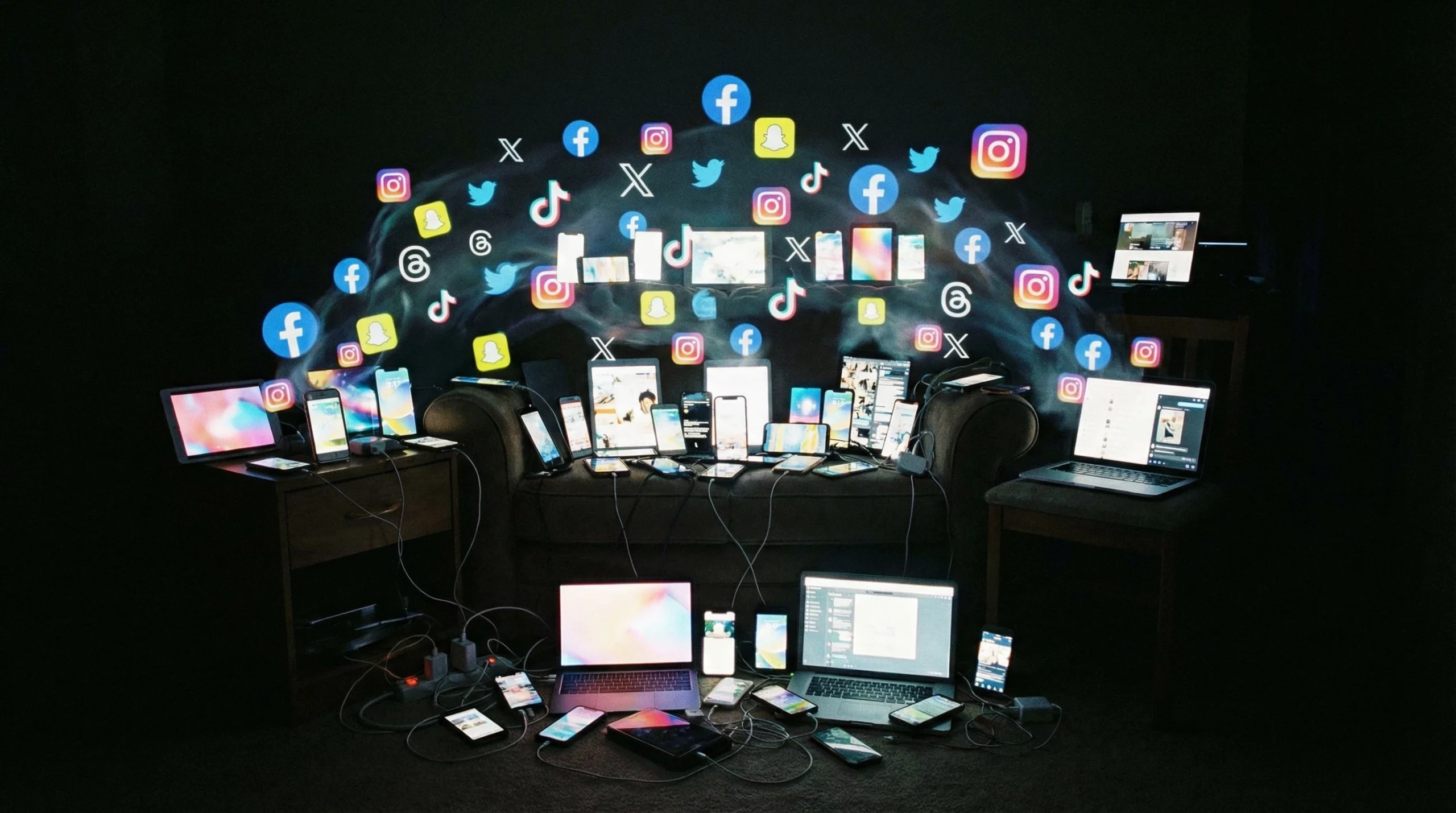
When someone mentions addiction, most people picture substances like drugs or alcohol. But if I had to pick the #1 addiction in today’s world, it’s not a substance at all; it’s our attachment to smartphones and digital technology. This kind of addiction is everywhere, often goes unnoticed, and changes how we think, act, and even feel about ourselves and others.
Why Technology Addiction is So Common
Out of all the habits that can take over a person’s day, technology addiction is one of the sneakiest. Smartphones, social media, and never-ending notifications are a part of almost everyone’s routine. Research from Pew Research Center shows that over 85% of adults in the U.S. own a smartphone, and most people check them dozens, if not hundreds, of times each day. Even kids and teens are starting earlier, with digital devices showing up in classrooms and living rooms everywhere.
The design of many apps and platforms also taps right into our natural cravings for connection, entertainment, and reward. Algorithms suggest videos, games send push notifications, and social networks use likes and shares to keep people scrolling. The tech industry spends billions to keep users engaged for as long as possible.
Technology addiction isn’t as obvious as some others; you won’t always see physical signs like you would with drugs or alcohol. Instead, you get things like endless scrolling, stress without a phone, or a constant urge to check messages—even when it’s not appropriate. This all adds up to an addiction that’s tough to spot but even harder to shake.
It’s worth thinking about how tech shapes habits from such a young age. Many children now get their own tablets or smartphones around the time they enter elementary school. In some schools, assignments are even distributed through digital platforms, making it much easier for regular usage to slip into dependence. Parents may not always realize how classroom learning and social expectations shape this, but building healthy habits is more important than ever—especially as digital learning becomes a standard part of education.
How Digital Addiction Works
Just like with any habit, tech addiction builds up over time. At first, a new app or device feels exciting. After a while, checking your phone or social feeds becomes automatic. Here’s how it usually works for most people:
- Dopamine spikes: Every time a notification buzzes or a post gets a like, your brain releases dopamine, the feel-good chemical. This little burst makes you want to repeat the behavior, starting a cycle that’s pretty hard to break.
- Easy access: Unlike many other addictions, digital devices are always around, always on, and mostly considered “normal” to use.
- Social pressure: Friends, coworkers, and family usually expect fast responses. It can feel rude or weird to put the phone away, even for a little while.
- Fear of missing out (FOMO): Not checking your device makes you worry about missing important news, trends, or updates.
The cycle of tech usage is further fueled by how seamlessly technology fits into all aspects of our lives. From maps to alarms and grocery lists to virtual meetings, it can often seem impossible to disconnect. When work, play, and personal life are all handled on a single device, boundaries blur, making it very easy to slip into overuse.
Getting a Handle on Your Tech Use: Simple Steps
Controlling digital addiction doesn’t mean giving up phones or social media forever. Instead, it’s about finding ways to use technology in a way that fits your actual needs without it taking over your life. If you want to get started, here are a few steps that can help:
- Track your usage: Most smartphones have built-in tools to see how much time you spend on each app. It’s worth checking these stats even for a week; you might be surprised by where your hours go.
- Set time limits: Try setting an app timer or using “downtime” settings to limit nonessential social scrolling.
- Use tech with intention: Before unlocking your phone, ask yourself why you’re reaching for it. Sometimes, you might realize you’re just bored.
- Create phone-free spaces: Pick certain rooms or times, like mealtime or the hour before bed, where screens are off limits.
- Swap habits: When the urge to check a device hits, try doing something else like walking, reading, or calling a friend.
Adopting even one or two of these habits can make a huge difference in how often you’re glued to a screen. Remember, making changes doesn’t have to be all at once; small steps work best for most people.
Complications and Why Breaking Free Feels So Tough
Digital addiction can show up in ways you might not expect. Here are just a few things that happen when screen time gets out of control:
- Sleep troubles: Scrolling or gaming late into the night disrupts both the quality and the amount of sleep. The blue light from screens also throws off your body’s natural clock.
- Relationship strain: Ignoring friends or family while focusing on a screen can create distance, even if you’re sitting in the same room.
- Lower productivity: Frequent phone checking distracts from school or work, making it hard to focus.
- Increased stress and anxiety: Social media often leads to comparisons, negative self-talk, or just feeling overwhelmed by constant notifications.
- Physical discomfort: Long hours hunched over a device can cause back pain, vision issues, and headaches.
The negative effects of excessive screen time aren’t always immediate. Over time, feelings of irritability or sadness can creep in, often without realizing tech is the cause. Social interaction skills may decline as in-person conversations are replaced by online chatting, limiting opportunities to build empathy and emotional intelligence. In kids and teens, screen addiction may impact grades and mental health, making support from family and educators especially important.
Why It’s So Hard to Quit
Digital tools are built to be helpful, but they’re also designed to be sticky. Developers use psychology and user data to get you hooked, which means just “having more willpower” doesn’t always work. The best approach is to recognize the challenge, start slow, and be okay with ups and downs along the way. Setting clear, realistic goals and asking friends or family to help you stay on track can go a long way.
What If You Can’t Cut Back?
If you (or someone you know) just can’t seem to put the phone down, there’s nothing wrong with reaching out for extra support. Some people benefit from digital detox weekends, others use accountability buddies, and sometimes even counseling can be a good option. There’s zero shame in asking for a bit of help to break a loop that almost everyone ends up in at some point. Even talking with your doctor or school counselor about your habits is a positive step; digital addiction is now widely recognized as a concern by mental health professionals.
Helpful Tech for Controlling Tech
I know it sounds odd, but sometimes the answer is, well, more tech. Lots of apps help you track your use, set boundaries, and even block access to timesucking platforms when you need a break. Here are a few options I’ve found pretty handy:
- Screen Time (iOS) and Digital Wellbeing (Android): Built-in to most phones, these let you see patterns and set limits.
- Freedom or Stay Focused: These apps block specific sites or set a schedule to help manage distractions on both phone and desktop.
- Forest: This one is cool; the longer you avoid picking up your phone, the more digital trees you grow. When you stop, the tree dies. It taps right into that dopamine system, just in a positive way.
It’s worth checking out a couple to find one that matches your style. Sometimes, tracking is all you need to stay aware and motivated. Plenty of people also choose to turn off notifications or rearrange their home screens, putting only essential apps on the front page and hiding the most tempting time-wasters.
Real-Life Applications: Recognizing Digital Addiction in Daily Life
The signs of tech addiction can sneak up on anyone—students, parents, professionals, or even older adults. Here are some common places it pops up:
- At school: Kids may have trouble focusing on lessons, sneaking quick checks on their phones even when it’s against the rules.
- In relationships, Couples might argue more about screen time or feel ignored when one person zones out into their device.
- On the job: Lots of employees find it tough to focus on work when they’re tempted by news updates or social feeds.
Spotting these patterns early is really important for keeping tech use from taking over the stuff that really makes life interesting, like personal hobbies, real conversation, and meaningful downtime. Sometimes just talking openly about screen time at home or work can make a big difference. Families might agree on phone-free dinners, while workplaces may offer digital wellbeing workshops or encourage regular breaks away from screens, further supporting healthy behaviors for everyone involved.
Frequently Asked Questions
Question: How do I know if I’m actually addicted to my phone?
Answer: If you find yourself feeling stressed or anxious when you don’t have your device, or if you use it a lot more than you want to, even when you’re trying to stop, you’re probably dealing with a form of digital addiction. Wanting to cut back but not being able to is a big clue.
Question: Are certain apps or sites more addictive than others?
Answer: Yes; social media platforms, news feeds, and games are especially good at keeping attention. They use features such as auto-play videos, endless scrolling, and rewards to keep you coming back.
Question: Can technology addiction affect my health?
Answer: Absolutely. Aside from less sleep and more stress, heavy screen use is linked to more headaches, neck pain, and even weight gain if it leads to sitting for long periods.
Wrapping Up
Digital technology isn’t going anywhere, and in loads of ways, it’s made life easier and more connected. Still, it’s pretty easy for regular use to slide into overuse. The good news is that with some awareness, some boundaries, and a willingness to ask for help when you need it, it’s totally possible to keep your tech use healthy. Start by watching your habits, set small goals, and be patient with yourself as you make changes. Staying intentional with tech means you can enjoy what it offers without letting it control your day. With the right balance, technology can keep you connected and productive—without taking over your life.
Video: How Technology Became Your Biggest Addiction #DigitalWellness #FYP
