Consequences of Drugged Driving

Drugged driving occurs when a driver operates a vehicle while impaired by drugs—whether illicit substances, prescription medications, or cannabis. Symptoms often include delayed reaction time, poor coordination, blurred perception, drowsiness, and impaired judgment, all of which drastically increase crash risk. With the legalization of cannabis in several U.S. states, law enforcement and health officials have … Read more

Negativity in the Recovery Process

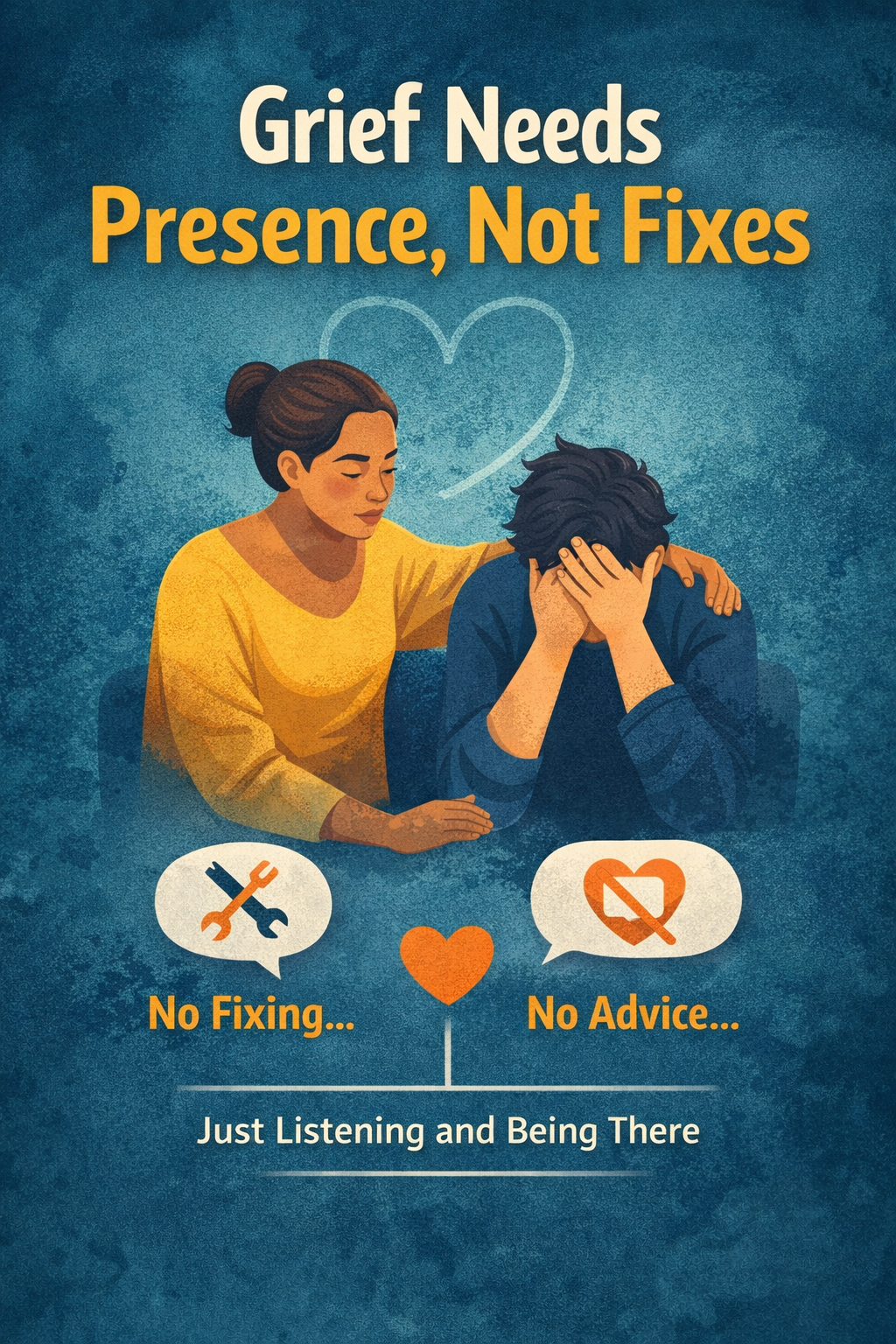
Negative thought patterns are among the most persistent barriers to lasting recovery in addiction therapy. Feelings of guilt, hopelessness, or self-blame can erode confidence, leading individuals to question their progress or relapse into harmful coping habits. Effective treatment goes beyond detoxification—it involves retraining the mind to recognize and challenge self-defeating beliefs. Through structured self-management, individuals … Read more

The Risk of Addiction Treatment

Addiction treatment aims to heal, yet even well-intentioned therapies can cause unintended harm when applied without balance, ethics, or individualized care. Over-medicalization, dependence on treatment systems, stigma, or cultural misalignment can inadvertently hinder recovery instead of supporting it. These risks underscore the need for comprehensive prevention strategies grounded in education, transparency, and compassion. Determining appropriate … Read more

Biofeedback in Addiction Therapy

The biofeedback patch is an innovative tool in addiction therapy that uses wearable technology to monitor physiological signals like heart rate and skin response to detect early signs of stress and cravings. Providing real-time feedback helps individuals apply coping strategies before relapse risk increases, strengthening self-awareness and emotional regulation. While the patch offers non-invasive and … Read more

Virtual Reality in Addiction Care

Virtual Reality Therapy (VRT) represents a groundbreaking evolution in addiction treatment, blending technology with psychology to create immersive, controlled environments for behavioral change. By simulating real-life triggers—such as bars, social gatherings, or stress-inducing settings—VRT allows individuals to confront cravings and practice coping strategies safely under therapist supervision. This approach enhances emotional regulation, relapse prevention, and … Read more

Year One of Sobriety Life

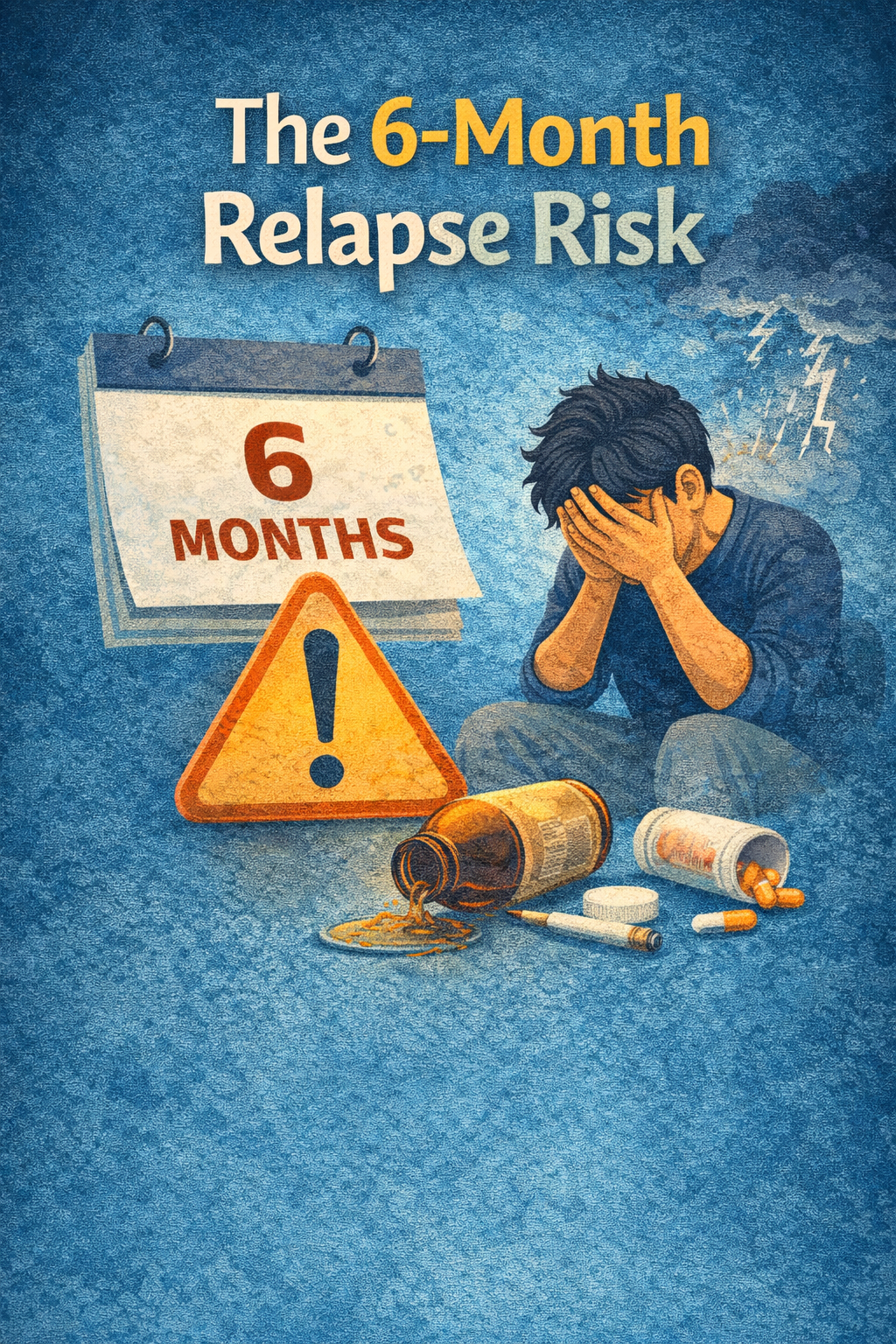
The first year of sobriety is a powerful period of change and growth. After letting go of substances, individuals learn to face emotions, rebuild routines, and navigate life with clarity. Challenges like cravings, triggers, and self-doubt may arise, but so do meaningful rewards — improved health, restored relationships, and renewed self-worth. The first year is … Read more

Choose Your Recovery Path

Choosing the right recovery program is one of the most important decisions in the journey toward sobriety and wellness. With so many approaches available—ranging from 12-step models to mindfulness, evidence-based, or faith-centered programs—the process can be both empowering and overwhelming. Individuals must navigate not only practical challenges such as accessibility and cost, but also ethical … Read more

Non-12-Step Recovery Programs

For decades, 12-step programs have been widely recognized as a primary pathway to addiction recovery. While these programs help many individuals, they are not the right fit for everyone. Some people prefer recovery approaches that are secular, science-based, mindfulness-focused, or rooted in personal empowerment rather than spiritual surrender. Non-12-step recovery programs offer diverse pathways that … Read more

Building Healthy Love While Sober

Online dating while sober presents a unique journey of self-discovery, vulnerability, and empowerment. For individuals in recovery, dating without substances means navigating emotions, relationships, and attraction with full awareness—something that can feel both refreshing and intimidating. The absence of alcohol or drugs removes the social buffer that often makes dating feel easier, exposing insecurities and … Read more

Rehab & Recovery Expectations

Entering rehab for addiction therapy and recovery is a significant step toward reclaiming one’s health, stability, and purpose. It’s not just about stopping substance use—it’s about healing the mind, body, and relationships that have been affected. Rehab provides structure through medical detox, counseling, education, and emotional rebuilding, but success also depends on the individual’s commitment … Read more