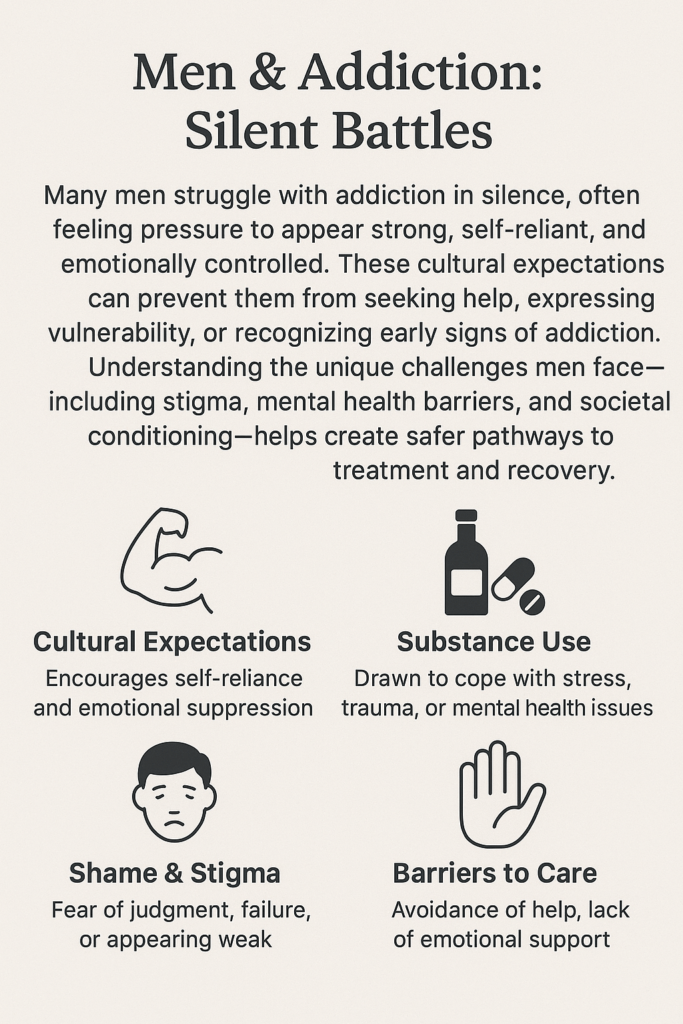
Addiction can sneak up silently, often disguised by daily routines or hidden behind social expectations. A lot of men struggle with addiction in ways that are rarely talked about openly. Pressures to be “strong” or to “handle it yourself” can make it tough to reach out for help, and that’s when the silent struggles pile up. I’m going to share some thoughts on why men face unique challenges when it comes to addiction and what can help break the cycle.
Understanding How Addiction Shows Up in Men
Most conversations about addiction focus on the bigger picture, such as statistics or broad prevention tips. But personal experience tells me that for a lot of men, addiction tends to show up in specific ways. Behavior changes are often subtle: maybe drinking a little extra every night, or turning to gaming, gambling, or even painkillers to unwind after a tough day. These might not seem like red flags at first, but for many of us, these habits can become really tough to control. According to the National Institute on Drug Abuse, men are statistically more likely to become dependent on alcohol and illicit drugs, even though women catch up quickly in some areas. These numbers are one side of the story—the feelings and experiences behind them are just as important to understand.
Men often face a double layer of challenges, not only dealing with the addiction itself, but also with stigma and personal expectations. The idea that men shouldn’t openly talk about weakness or emotional pain makes reaching out pretty daunting.
Why Men Are More Vulnerable to Silent Struggles
Addiction in men is usually tangled up with expectations about masculinity. Society often suggests that men “shouldn’t” talk about mental health or seek therapy for emotional pain. That leaves a lot of guys handling their stress, anxiety, or trauma in quiet ways. I’ve seen this time and again—growing up, most of the advice I heard for tough times boiled down to “man up” or “just handle it.” While that can be meant with good intentions, it isn’t always helpful.
This silent pressure can actually make addictive behaviors seem like an escape or a way to self-medicate. For instance, studies show that men are less likely to reach out for help and more likely than women to try to “fix” problems on their own with substances or risky habits.
- Higher Substance Use: Men are nearly twice as likely to binge drink and are more likely to die of alcohol-related incidents, according to the CDC.
- Avoidance Strategies: Instead of talking through tough stuff, men may avoid it through gambling, gaming, or other behaviors that eventually spiral.
- Emotional Suppression: Social pressure sometimes encourages men to hide feelings, leading to more isolation and substance use over time.
The Signs of Addiction That Often Go Unnoticed
Spotting the early warning signs of addiction in men isn’t always straightforward. Sometimes it isn’t about the obvious things like missing work or drinking in the morning. The little day-to-day shifts that add up can be easy to overlook, especially if someone is used to hiding struggles. Here are a few things that can be easily missed:
- Irritability or Mood Swings: Not just being “in a bad mood,” but regular irritability or snapping over small things could be a sign that something deeper is going on.
- Sudden Changes in Routine: Pulling away from friends, dropping hobbies, or isolating from family for no clear reason.
- Financial Trouble: Unexplained money problems, or secretive spending habits tied back to substances, gambling, or online addictions.
- Changes in Appearance: Looking tired, disheveled, or having health problems without an apparent cause.
A lot of men brush these signs off, thinking it’s just a rough patch, but they might be clues that addiction is lurking in the background. Paying attention to these early signals can help catch problems before they get bigger.
Common Roadblocks to Getting Help
The road to recovery isn’t always smooth or straightforward, and some challenges seem to come up more often for men. It isn’t just about not wanting help; there are plenty of reasons men might hesitate to reach out:
- Stigma: Fear of being judged or seen as weak can keep men silent about their struggles.
- Lack of Support: Many men don’t have a strong social safety net or are uncomfortable relying on friends and family.
- Concerns About Career: Worries about losing a job or being labeled can be a significant barrier.
- Unclear Solutions: It’s not always obvious what steps to take first or where to turn for support.
These obstacles may look different for everyone, but they all add up to feeling stuck. Personally, I’ve seen friends struggle alone for years, simply because asking for help just seemed too risky or confusing.
What Helps Break the Silence
Progress often starts with small steps toward opening up. Normalizing conversations around mental health, building supportive communities, and making resources visible can ease pressure. Peer groups, online forums, and workplace wellness initiatives can all help guys realize they’re not alone.
Professional help, like therapists specializing in men’s mental health or addiction counselors, offers guidance without judgment. It’s worth checking out if you or someone you care about is stuck in a rut. Telehealth and anonymous hotlines are making it easier these days to get started privately, if walking into an office feels overwhelming. In addition, several support organizations specifically focus on men and offer judgment-free conversations. Connecting with these can give you a sense of belonging and hope.
Building a Better Path Forward: Strategies That Actually Work
Tackling addiction isn’t about a quick fix or just “being strong.” It comes down to supportive, practical strategies that fit real life. Here are some approaches that have helped men I know, and could help others looking for a way out:
- Reach Out to Trusted People: Even one good friend or family member can make a huge difference. Starting the conversation is tough, but it’s often the step that gets things moving.
- Link Up with Professional Support: Counseling or group support adds structure and accountability to recovery. Therapists who understand men’s experiences with addiction can provide super helpful insights and encouragement.
- Find Healthy Habits: Physical activity, creative hobbies, or volunteering can fill the space addiction leaves behind and help boost mental well-being over time. Joining a team sport or a music group can provide a newfound sense of purpose and a healthy outlet for stress.
- Educate Yourself: Understanding the science of addiction and how it affects the brain can reduce shame and help with making informed choices. Resources like SAMHSA and the National Institute on Drug Abuse offer a ton of helpful info tailored to men’s health.
- Embrace Progress, Not Perfection: Recovery isn’t about never slipping; it’s about keeping at it. Celebrating small wins is essential for staying motivated.
These strategies might look different for each person, but they all help chip away at the silence and isolation addiction brings. Joining an accountability buddy system or a men’s discussion group also helps by giving structure and peer encouragement.
Things to Consider If You’re Worried About Yourself or Someone Else
Recognizing a problem is only the first step. Taking action, even in small ways, goes a long way. Here’s what I keep in mind:
- Timing: The right moment to talk or get help is when someone is ready; there’s no “perfect” time, so don’t wait forever.
- Judgment-Free Support: Blame and guilt don’t help recovery. Offering understanding and patience matters.
- Practical Barriers: Insurance, costs, or busy schedules can make it hard to access treatment, but many communities offer affordable or sliding-scale options. Checking out hotlines or local clinics can give some options.
Supporting someone often means listening without fixing, and giving space for honesty and patience through setbacks. Sometimes, a consistent offer to listen is the most helpful thing you can do. You might also help someone find resources or join them for their first visit to a support group. Taking even the smallest step can make a big difference in someone’s life.
Making the First Move Toward Recovery
If you’re noticing signs of addiction in yourself or someone else, taking a small step, like researching support groups or texting a hotline, can start the process. Sometimes all it takes is hearing from someone who’s made it through to get the push you need. Over time, these first moves build confidence to take further action, and momentum can grow from even one positive experience with reaching out.
Real-Life Examples: What Recovery Looks Like
I’ve seen people turn things around in some inspiring ways, though it never looks the same for everyone. Some move forward by joining 12-step groups and finding accountability partners they can relate to. Others benefit most from reconnecting with old friends or family who believed in them, even when times were rough. Recovery might mean trying therapy, picking up a forgotten hobby, or just getting into a new routine. Small wins really do add up.
- Peer Support: Group meetings (online or in person) offer a non-judgmental space where men can be honest.
- Community Programs: Faith-based groups, sports leagues, or hobby clubs sometimes provide unexpected support and a positive focus. Men’s discussion groups, walking clubs, and creativity workshops are a few other options that help support recovery and self-worth.
A big part of ongoing recovery is tying new habits to a sense of meaning or connection, whether with others, with work, or through community involvement. Many men find volunteering for a cause they care about or helping younger guys avoid similar pitfalls to be deeply rewarding.
Frequently Asked Questions
A lot of guys have similar questions about addiction, but aren’t sure where to find straightforward answers. Here are a few:
Question: How do I know if what I’m doing is really a problem?
Answer: If you’re worried or if your habits are interfering with your work, relationships, or mood, it’s probably worth checking in with a professional, even just for advice.
Question: Is addiction only about drugs or alcohol?
Answer: Not at all. Addiction can include gambling, gaming, sex, or even food; anything that becomes hard to control and starts affecting your life negatively.
Question: Are there resources made specifically for men?
Answer: Yes, there are support lines, online communities, and therapists who focus on men’s health issues, which often consider the unique pressures men face.
Moving Forward. It’s Okay to Ask for Support
Addressing addiction as a man doesn’t mean giving up strength; it takes a different kind of strength to admit you need a hand. Looking for help, starting a new routine, and reaching out to supportive people make a difference. The quiet struggles don’t have to stay silent forever, and a better path is always possible, even if it starts with a single conversation. No one has to do it alone. If you or someone you care about is facing addiction, remember that reaching out is a display of real courage—and help is always out there.
Video: The Addiction Men Won’t Talk About #SilentStruggle #MentalWellness