Helplessness and emotional withdrawal often go along with addiction, making the recovery process feel difficult and overwhelming. Feeling stuck and disconnecting from others can increase isolation and keep the cycle going.
These challenges don’t just affect the individual—they also impact relationships and support systems. Understanding these patterns as part of addiction, rather than a personal failure, is an important step toward reconnecting and moving forward in recovery.
Understanding Helplessness in Addiction
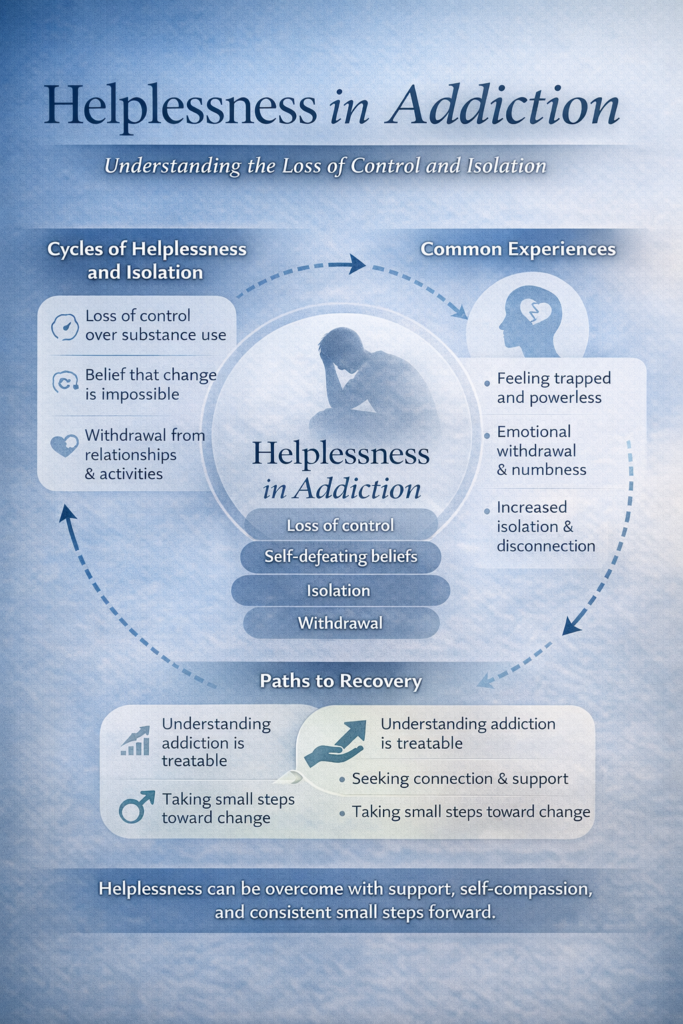
Helplessness tends to creep up on people dealing with addiction. For many, it feels like being trapped with no exit, as though every effort to quit or switch things up ends in disappointment. Over time, these setbacks pile up and chip away at hope, making it easier to give in than to push forward.
This feeling comes from repeated attempts to quit or cut back that haven’t panned out. When each try fails, it’s easy for confidence to take a hit. Eventually, the mind starts to believe that change just isn’t possible anymore. Psychology actually has a name for this: “learned helplessness.” For addiction, it means the cycle of trying, slipping up, and feeling defeated eats away at motivation, making it much harder to want to try again.
People sometimes describe helplessness as a kind of numbness—emotional, mental, even physical. Decision-making gets tougher. Even small tasks can feel overwhelming. For those wrapped up in addiction, this sense of being lost or powerless turns into a barrier, stopping them from reaching out for help or sticking with recovery plans.
Emotional Withdrawal: What It Is and How It Feels
Emotional withdrawal isn’t quite the same as physical withdrawal, but it’s definitely linked. Instead of getting shakes or sweats, the signs are mostly emotional: people might feel disconnected, apathetic, numb, or have a strong urge to retreat from loved ones. It’s like everything in life is dialed down, and nothing seems to matter as much as it used to.
The reason for this is rooted in how addiction rewires the brain. Substances such as alcohol, opioids, or stimulants mess with the brain’s reward systems. Over time, a person needs the substance just to feel “normal.” Without it, the brain struggles to generate feelings of pleasure or connection on its own, leaving a flat, empty mood in its wake.
But emotional withdrawal isn’t one-size-fits-all. Some folks get irritable or have bursts of anger, while others report only sadness or emptiness. Many start cutting off contact—dodging calls, skipping family dinners, or stepping away from social life. On the outside, it looks like classic isolation, but inside, it’s usually just about a lack of energy or ability to connect.
Why Helplessness and Emotional Withdrawal Show Up Together
These two states combine and make addiction worse by fueling each other. Helplessness saps the energy needed to make changes, and emotional withdrawal causes people to shut out the support they need. The more isolated someone feels, the more they turn to substances for comfort, and as use grows, the feelings of helplessness and withdrawal just get stronger.
People caught in this cycle have told me it’s like being inside a tunnel with no light ahead. Friends or family might try to help, but get pushed away—not because they aren’t wanted, but because even reaching out feels too overwhelming. This creates more misunderstandings and shame, making the grip of helplessness and emotional withdrawal even tighter.
Spotting the Signs: What to Watch For
Catching these emotional shifts early can make a world of difference. Helplessness and emotional withdrawal may show up subtly at first, so here are some things to look for in yourself or someone you care about:
- Lack of Motivation: Having trouble starting or keeping up with daily routines and responsibilities.
- Withdrawal from Others: Avoiding family or friends, skipping social events, or retreating from relationships for weeks on end.
- Flat Mood: Everything feels muted; things that used to spark joy just don’t have the same effect.
- Pessimistic Self-Talk: Saying things like “Why bother?” or “Nothing I do matters.”
- Giving Up on Help: Turning down offers of support or dropping out of recovery programs after setbacks.
- Physical Changes: Always feeling tired, not sleeping well, changes in weight or eating, or putting less effort into self-care.
Noticing even a couple of these signs can be enough to start a conversation or check in about getting some support.
Getting Past the Trap: Practical Steps Forward
Breaking through helplessness and emotional withdrawal isn’t about snapping out of it with willpower. Here are a few strategies that can help shake things loose:
- Small Wins Add Up: Setting small goals (like brushing your teeth, stepping outside for five minutes, or replying to one text) creates momentum and chips away at feelings of helplessness.
- Find a Routine: Simple, predictable daily routines like eating meals at the same times, setting regular bedtimes, or scheduled check-ins with supportive people help bring stability and control.
- Get Professional Support: Talking to a counselor or therapist, or joining a peer support group, can provide encouragement and accountability. Trained pros understand how tough these emotional cycles are and can offer creative solutions.
- Consider Medication: Sometimes, medications like antidepressants or anti-anxiety pills lift the mood just enough to help someone get involved in their support network again. This is always worth talking over with a doctor.
- Stay Connected: Even small connections—sending a meme, answering a text, or listening to someone vent—can reduce isolation. The goal is consistency, not intensity.
No single fix works for everyone. Over time, steady small steps bring hope and build confidence, making each one feel just a little bit easier.
Barriers That Make Things Tricky
Addiction recovery isn’t always a smooth ride, especially when helplessness and withdrawal are present. Here are a few hurdles that come up, plus ideas to work through them:
- Fear of Another Failure: Each setback makes it harder to want to try again. Celebrating every bit of progress—even the smallest—helps get expectations back on track.
- Mental Health Overlap: Depression and anxiety often show up with addiction. Tackling both at the same time is key to better results.
- Shame and Stigma: Worrying about judgment can push someone further into isolation. Finding nonjudgmental support groups makes it less tempting to hide.
- No Instant Results: Emotional healing takes time. Keeping track of even tiny improvements (like a full night’s sleep or less stress one day) helps keep things in perspective.
Dealing with Fear of Failing Again
One setback doesn’t erase every bit of effort. Encouragement and support from people who understand what you’re going through can make a world of difference. Positive feedback works way better than criticism.
Tackling Mental Health at the Same Time
If depression or anxiety feels overwhelming, a mental health professional with addiction experience can help sort out the tangle. Medications, therapy, or mindfulness practices can lighten the initial load as someone begins the work of recovery.
Overcoming Shame and Stigma
No one is alone in the fight against addiction. Resources like the SAMHSA helpline or anonymous support groups break through the shame, making it easier to stay connected even on the hard days.
Frequently Asked Questions
Lots of folks have questions when it comes to helplessness and emotional withdrawal during addiction and recovery. Here are some of the most common:
Question: Why do I still feel empty even after I’ve stopped using?
Answer: Emotional recovery is a marathon, not a sprint. The brain needs some adjustment time. It can be weeks or months before things look up, so daily routines and support are really important in the meantime.
Question: Is emotional withdrawal a sign I’m going to relapse?
Answer: Emotional withdrawal is perfectly normal and doesn’t mean failure is on the way. It’s just the brain and body doing their best to get back to normal. Getting support during this period helps reduce the risk of returning to old patterns.
Question: What if I just don’t have the energy to talk with others or see a therapist?
Answer: Any progress, no matter how tiny—even just reading a support message—counts. Let someone who cares know you’re having a hard time; you don’t have to push through it alone.
Wrapping Up
Helplessness and emotional withdrawal can make addiction seem tougher than it really is, but understanding what’s happening is already a step forward. Recovery is filled with hurdles and achievements, and these emotions don’t have to be forever. Holding on to support, being patient, and celebrating every win helps cut through those heavy emotional barriers and sets up a clearer, more hopeful path in the long run. Remember, each small step is moving things in the right direction—even on the days it doesn’t feel like it.
Video: