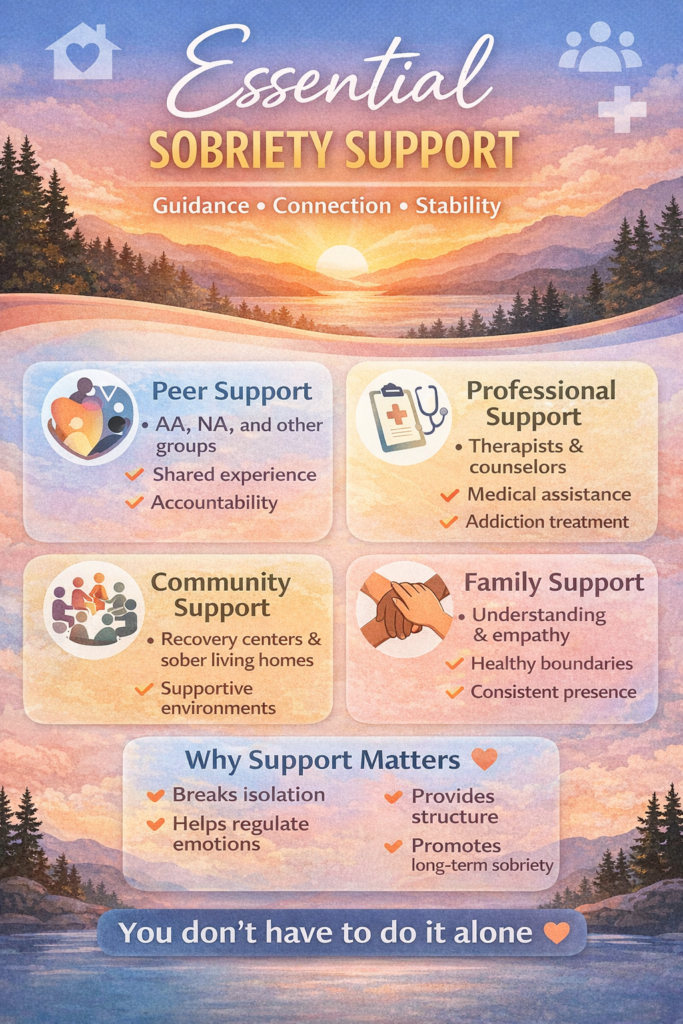
Sobriety is often described as a personal decision—a moment of clarity or commitment to change. But in reality, staying sober requires much more than determination alone. Addiction affects the brain, the body, and the way a person copes with stress and emotion, making recovery an ongoing process rather than a single choice. This is why essential sobriety support is so important. Support provides the structure, connection, and stability needed to navigate the challenges of early recovery and beyond. It transforms sobriety from something fragile and isolated into something supported, sustainable, and real.
You Can’t Do This Alone: Why Essential Support Is the Foundation of Sobriety
Sobriety is often framed as a personal decision—a moment of strength, a commitment to change, a choice to do better. And while that decision matters, it’s only the beginning. What sustains sobriety over time isn’t willpower alone—it’s support.
Because addiction doesn’t happen in isolation. It develops in environments, in relationships, in patterns of coping. And recovery works the same way. It requires connection, structure, and people who help you hold steady when things feel uncertain.
Sobriety isn’t just about stopping.
It’s about building something strong enough to replace what you’re leaving behind.
🤝 Why Support Is Essential, Not Optional
Addiction often isolates. It narrows your world, your coping options, and your sense of connection.
Support does the opposite:
- It expands your perspective
- It reduces shame
- It reminds you that you’re not alone
Most importantly, support helps regulate what feels overwhelming. When cravings, emotions, or stress rise, having someone to reach out to can make the difference between reacting and pausing.
🧠 Support Helps Stabilize the Mind and Body
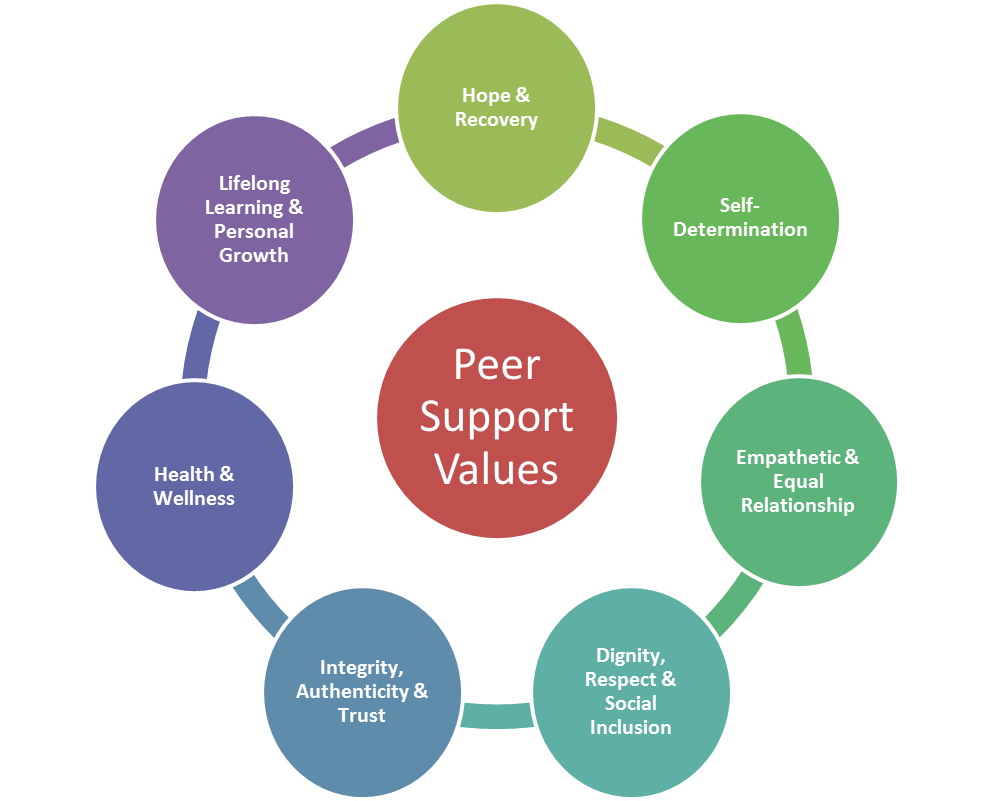

Sobriety isn’t just a mental shift—it’s a physical one. The brain and body are relearning how to function without substances.
Support systems help by:
- Providing emotional grounding during stress
- Offering guidance when thinking becomes distorted
- Helping regulate the nervous system through connection
Being seen, heard, and understood isn’t just comforting—it’s stabilizing.
🔁 Accountability Creates Structure
One of the challenges in early sobriety is inconsistency. Motivation can fluctuate. Emotions can spike. Old patterns can resurface.
Support introduces accountability:
- Checking in with someone regularly
- Attending meetings or therapy
- Having people who notice when you’re struggling
This isn’t about pressure—it’s about structure. And structure creates safety.
🧭 Different Types of Essential Support
Support doesn’t look the same for everyone, but strong recovery often includes a mix of:
- Peer support → people who understand through experience
- Professional support → therapists, counselors, medical providers
- Personal support → friends, family, trusted individuals
- Community support → groups, programs, recovery spaces
Each plays a different role, but together they create a network that holds you up when you can’t hold yourself.
⚖️ Support vs. Dependence
A common fear is: “If I rely on support, am I becoming dependent?”
There’s a difference:
- Dependence takes away your autonomy
- Support strengthens your ability to function
Healthy support doesn’t replace your strength—it helps you build it.
🌱 Learning to Reach Out
For many, asking for help feels uncomfortable. It may feel vulnerable, unfamiliar, or even unsafe.
But reaching out is a skill—and like any skill, it gets easier with practice.
Start small:
- Send a message instead of isolating
- Share honestly in a safe space
- Let someone know when you’re struggling
Each time you do, you weaken the pattern of isolation and strengthen the connection.
💬 Final Thoughts
Sobriety isn’t sustained by willpower alone.
It’s sustained by connection, consistency, and support.
The idea that you have to do it alone is one of the most harmful myths in recovery. Because the truth is:
The opposite of addiction isn’t just sobriety—it’s connection.
And when you build a strong support system, you’re not just staying sober—
You’re creating a life that makes sobriety possible.
Building Your Own Safety Net: Self-Management Strategies for Essential Sobriety Support
Sobriety is not just about removing substances—it’s about replacing what they once provided. For many, substances acted as a form of regulation, escape, or relief. When they’re gone, there can be a gap—one that needs to be filled with something stable, intentional, and supportive.
While community and connection are essential, self-management is what helps you use that support effectively. It’s how you stay connected, recognize when you need help, and build a system that actually works for you.
Sobriety support isn’t just something you have—
It’s something you actively maintain.
🔍 Know When You Need Support (Before Crisis Hits)
One of the most important skills in recovery is recognizing early warning signs.
Pay attention to:
- Increased stress or irritability
- Urges to isolate
- Changes in sleep or routine
- Thoughts like “I can handle this alone.”
Strategy: Don’t wait until things feel overwhelming. Reach out early—support works best before the crisis.
📞 Create a Personal Support Plan
Support is most effective when it’s intentional, not reactive.
Ask yourself:
- Who can I call when I’m struggling?
- Where can I go when I need a connection?
- What resources are available to me (meetings, therapy, groups)?
Write it down. Keep it accessible.
Strategy: Treat your support system like a plan, not a backup.
🔁 Build Consistency Into Connection
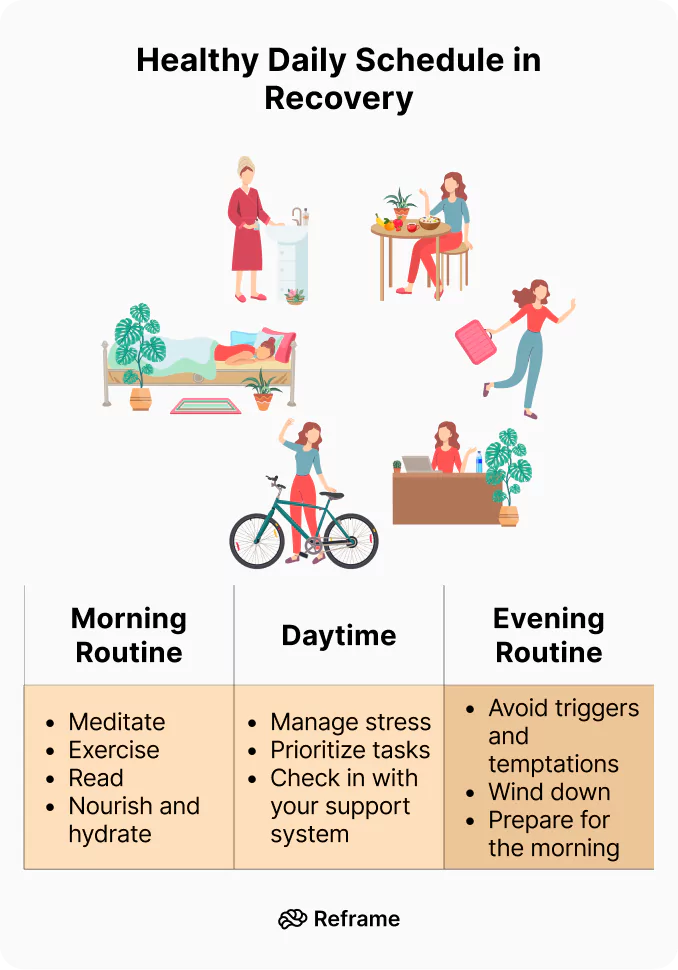
Support isn’t just for hard days—it’s for all days.
Create regular touchpoints:
- Weekly meetings or groups
- Scheduled check-ins with someone you trust
- Consistent therapy or counseling
Strategy: Don’t rely on motivation. Build connection into your routine.
🧠 Challenge the “Do It Alone” Mindset
A common thought in recovery is:
- “I don’t want to bother anyone.”
- “I should be able to handle this myself.”
This mindset fuels isolation—the same pattern in which addiction thrives.
Strategy: Reframe reaching out as a strength rather than a weakness.
Connection is part of recovery, not a deviation from it.
🫁 Use Self-Regulation to Stay Connected
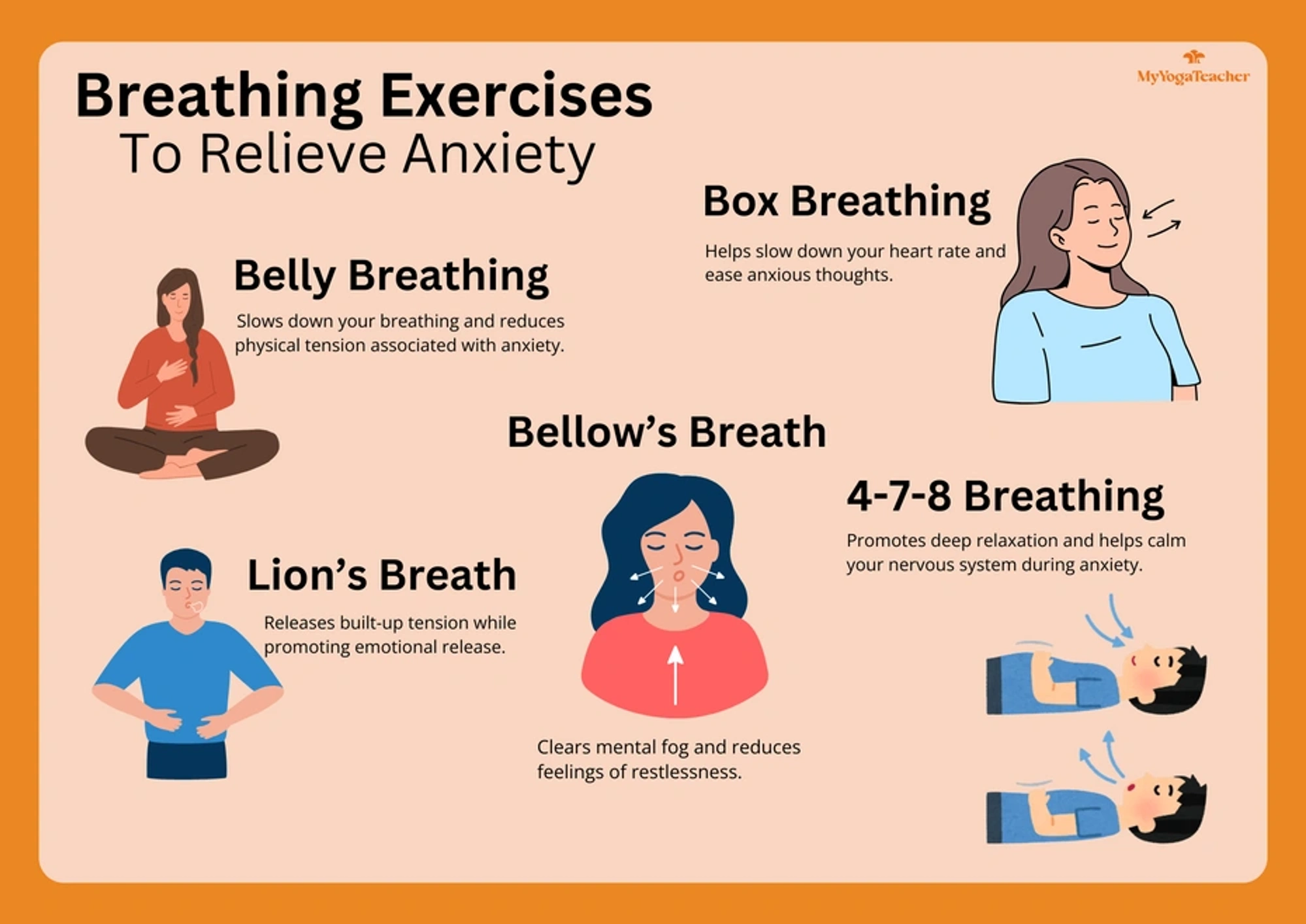
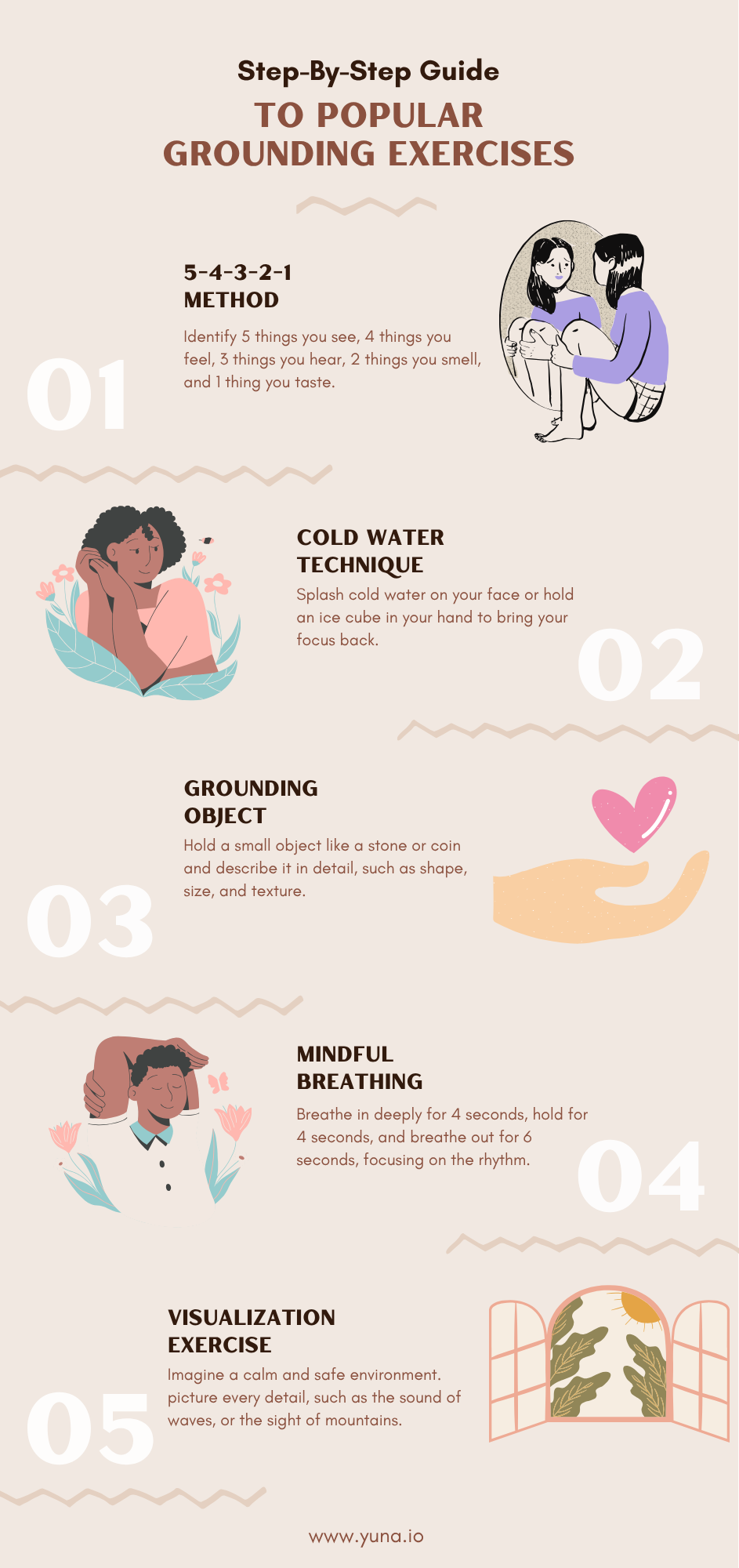
Sometimes, emotions can feel too intense to even reach out.
In those moments:
- Slow your breathing
- Ground yourself in your surroundings
- Reduce the intensity before acting
Strategy: Regulate first, then connect. Even a small calming step can make reaching out feel possible.
⚖️ Balance Independence and Support
Recovery involves learning how to:
- Stand on your own
- While staying connected to others
Too much isolation can increase risk.
Overreliance without self-awareness can limit growth.
Strategy: Use support to build your independence—not replace it.
🧭 Track What Actually Helps
Not all support works the same way for everyone.
Pay attention to:
- Which people or spaces help you feel grounded
- What types of support reduce cravings or stress
- What doesn’t feel helpful
Strategy: Adjust your support system over time. Make it personal and effective.
🌱 Make Reaching Out a Habit, Not an Exception
The more you reach out, the easier it becomes.
Start small:
- Send a message when you think about isolating
- Share honestly, even if it feels uncomfortable
- Stay connected even when things are going well
Strategy: Normalize connection as part of your daily life—not just a last resort.
💬 Final Thoughts
Sobriety support is not something you passively receive—it’s something you actively engage with.
Self-management means:
- Knowing when you need help
- Having a plan in place
- Staying consistent with the connection
- Challenging isolation when it shows up
Because the goal isn’t just to have support—
It’s to use it, maintain it, and grow through it.
And over time, that support system doesn’t just help you stay sober—
It becomes part of the life you’re building.
Standing With, Not Against: Family Support Strategies for Essential Sobriety Support
Sobriety is not just an individual journey—it’s a relational one. While the person in recovery is doing the internal work, the environment around them plays a powerful role in whether that work can take hold and last.
Families often want to help, but without understanding what support truly looks like, it can turn into pressure, control, or confusion. The goal isn’t to “fix” the person struggling—it’s to create conditions where stability, trust, and growth are possible.
Essential sobriety support within a family isn’t about perfection.
It’s about consistency, understanding, and showing up in ways that actually help.
🔍 Understand What Support Really Means

Support is not:
- Controlling behavior
- Monitoring every action
- Forcing change
Support is:
- Creating emotional safety
- Encouraging accountability without shame
- Being present without judgment
Family strategy: Learn about addiction and recovery so your support is informed rather than reactive.
💬 Communicate With Clarity and Compassion
How you speak matters.
Instead of:
- “Why are you doing this again?”
Try:
- “I can see this is hard—how can I support you right now?”
Healthy communication includes:
- Calm tone
- Clear concerns without blame
- Willingness to listen, not just respond
Strategy: Focus on connection over correction.
🫁 Stay Calm During Emotional Moments
Recovery can come with emotional ups and downs. When stress rises, reactions can escalate quickly.
Your role is not to match intensity—but to steady it.
- Slow your responses
- Avoid arguing during high emotion
- Give space when needed
Family strategy: Your calm presence can help regulate the situation (co-regulation).
⚖️ Set Healthy Boundaries That Support Recovery
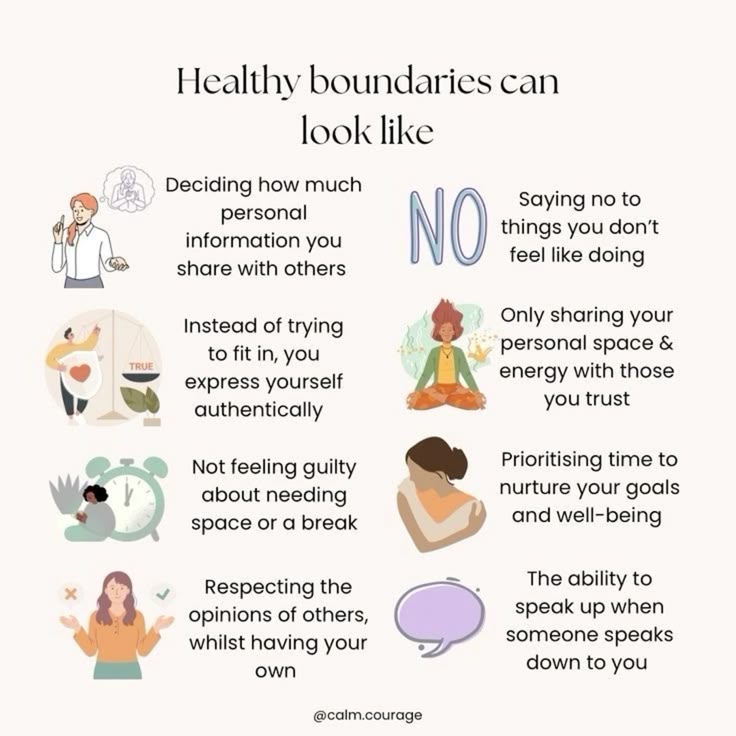


Support does not mean allowing harmful behavior.
Healthy boundaries might include:
- Not enabling substance use
- Protecting your emotional and physical space
- Being clear about what you can and cannot support
Key idea: Boundaries create structure—and structure supports sobriety.
🤝 Encourage Connection Outside the Family
Families are important—but they shouldn’t be the only support system.
Encourage:
- Peer support groups
- Therapy or counseling
- Recovery communities
Strategy: A broader support network reduces pressure on the family and strengthens recovery.
🌱 Recognize and Reinforce Progress
Recovery is built in small steps, not big transformations.
Notice:
- Effort, not just outcomes
- Small changes in behavior
- Moments of honesty or vulnerability
Family strategy: Acknowledge progress. Feeling seen reinforces continued effort.
🧭 Be Consistent, Not Perfect
Inconsistent support can feel confusing or unsafe.
What helps most is:
- Predictability
- Follow-through
- Emotional steadiness over time
You don’t have to get everything right—you just have to be consistent.
💬 Take Care of Yourself Too
Supporting someone in recovery can be emotionally demanding.
You also need:
- Your own support system
- Time to rest and recharge
- Boundaries around your own well-being
Key truth: You can’t provide stable support if you’re overwhelmed or depleted.
💬 Final Thoughts
Essential sobriety support within a family isn’t about control—it’s about creating an environment where recovery can grow.
That means:
- Understanding instead of judging
- Communicating instead of reacting
- Setting boundaries instead of enabling
- Staying present instead of withdrawing
Because recovery doesn’t just happen through individual effort—
It happens in relationships that feel safe enough to change within.
And sometimes, the most powerful thing a family can offer isn’t answers—
It’s a steady, compassionate presence.
Stronger Together: Community Resource Strategies for Essential Sobriety Support
Sobriety doesn’t happen in isolation—it’s built in environments that support stability, connection, and growth. While personal commitment is important, long-term recovery is often sustained through access to community resources that provide structure and support beyond the individual.
Addiction affects the brain, the body, and a person’s environment. That means recovery must do the same. Community resources help fill the gaps that willpower alone cannot—offering guidance, accountability, and a sense of belonging that makes sobriety sustainable.
Essential support isn’t just personal.
It’s built through systems, relationships, and shared spaces.
🏥 Access Medical and Professional Support Early

Community resources often begin with professional care, including:
- Detox and medical supervision
- Outpatient or inpatient treatment programs
- Therapy and counseling services
These supports help:
- Stabilize the body
- Reduce withdrawal risks
- Provide structured guidance early in recovery
Strategy: Encourage early engagement with professional resources—stability at the beginning sets the foundation for long-term success.
🤝 Utilize Peer Support Networks
One of the most powerful community resources is peer support.
Groups such as recovery meetings or peer-led programs provide:
- Shared experience and understanding
- Accountability
- A sense of belonging
Being around others who have faced similar struggles helps reduce isolation and builds hope.
Community strategy: Normalize participation in peer groups as a core part of sobriety—not just an optional step.
🧠 Integrate Behavioral and Mental Health Services
Sobriety is not just about stopping use—it’s about learning new ways to cope.
Community resources often include:
- Individual therapy (CBT, trauma-informed care)
- Group counseling
- Mental health services
These help individuals:
- Understand triggers
- Develop coping strategies
- Rebuild emotional regulation
Strategy: Treat mental health care as essential, not secondary, to sobriety.
🏠 Create Stable, Recovery-Supportive Environments

The environment plays a major role in recovery.
Community-based supports like:
- Sober living homes
- Recovery centers
- Safe housing programs
…provide:
- Structure and routine
- Reduced exposure to triggers
- A sense of safety
Strategy: Stability in living conditions supports stability in behavior and decision-making.
🔁 Encourage Ongoing Engagement, Not Short-Term Use
A common mistake is viewing community resources as temporary.
In reality, long-term engagement helps:
- Maintain consistency
- Reinforce new habits
- Provide support during life changes or stress
Community strategy: Encourage continued participation even when things are going well—not just during difficult periods.
🧭 Connect Practical Resources With Recovery
Sobriety is harder to maintain without basic needs being met.
Community resources may also include:
- Employment assistance
- Transportation services
- Food and healthcare access
These supports reduce stress and create a more stable foundation for recovery.
Key idea: Meeting practical needs supports emotional and physical stability.
🌱 Build a Network, Not a Single Resource
The most effective recovery support comes from multiple layers of care:
- Medical and clinical support
- Peer and social connection
- Stable environments
- Practical life resources
No single resource can meet every need—but together, they create a strong, supportive system.
💬 Final Thoughts
Essential sobriety support is not just about personal strength—it’s about access, connection, and community.
When individuals are supported by a network of resources, they are more likely to:
- Stay engaged in recovery
- Navigate challenges more effectively
- Build a life that supports long-term sobriety
Because recovery doesn’t happen in isolation.
It happens in communities that provide stability, understanding, and opportunity.
And when those resources come together, sobriety becomes more than possible—
It becomes sustainable.
Frequently Asked Questions
Here are some common questions:
1. What is “essential sobriety support”?
Essential sobriety support refers to the people, resources, and structures that help someone maintain recovery over time. This can include:
- Peer groups (AA, NA, etc.)
- Therapy or counseling
- Family and friends
- Community programs
It’s the foundation that makes sobriety sustainable—not just possible.
2. Why isn’t willpower enough to stay sober?
Because addiction affects the brain, body, and coping systems. Willpower can start the process, but it doesn’t:
- Regulate emotions
- Replace coping mechanisms
- Provide accountability
Support fills in those gaps and helps stabilize recovery.
3. What types of support are most important?
Strong sobriety support usually includes a mix of:
- Peer support → shared experience and accountability
- Professional support → therapy, medical care
- Personal support → trusted relationships
- Community support → structured environments and programs
No single type is enough on its own—it works best as a system.
4. Do I need support even if I feel “okay”?
Yes. Support isn’t just for crisis—it’s for maintenance.
Even when things feel stable, support helps:
- Reinforce healthy habits
- Prevent relapse
- Provide consistency
Sobriety is stronger when support is ongoing.
5. What if I don’t feel comfortable asking for help?
That’s very common.
Many people feel:
- Like they’re a burden
- Like they should handle things alone
- Afraid of being judged
But reaching out is a skill. Starting small—like sending a message or attending a meeting—can help build comfort over time.
6. How do I know if my support system is strong enough?
Ask yourself:
- Do I have someone I can contact when I’m struggling?
- Do I have regular support (not just occasional)?
- Do I feel understood and not judged?
If the answer is mostly “no,” your support system may need strengthening.
7. Can family be enough as support?
Family can be important, but it’s usually not enough on its own.
Why?
- They may not fully understand addiction
- It can create pressure or emotional strain
- Recovery benefits from shared experience (peer support)
A balanced support system includes multiple sources.
8. What role does accountability play in sobriety?
Accountability helps:
- Keep you consistent
- Interrupt isolation
- Provide external awareness when you’re struggling
It’s not about control—it’s about staying connected and honest.
9. What should I do if I start isolating?
Isolation is a major risk factor in relapse.
Try:
- Reaching out to one person
- Attending a meeting or group
- Letting someone know how you’re feeling
Even a small connection can break the cycle of isolation.
10. How do community resources help with sobriety? Community resources provide:
- Structure (programs, meetings)
- Access to care (therapy, medical support)
- Safe environments (recovery centers, sober living)
They make recovery more stable and accessible.
11. What if I’ve relapsed—should I still seek support?
Absolutely.
Relapse is not the end—it’s a signal that:
- More support may be needed
- Adjustments in the recovery plan are necessary
Support becomes even more important after a setback.
12. Can too much support become a problem?
Healthy support should:
- Encourage independence
- Build confidence
- Support decision-making
If support becomes controlling or replaces your own agency, it may need to be adjusted. The goal is empowerment, not dependence.
13. How can I maintain support long-term?
- Stay consistent with meetings or therapy
- Keep communication open with trusted people
- Adjust your support system as your needs change
Support should evolve with your recovery.
14. What are the signs I need more support right now?
- Increased cravings
- Emotional overwhelm
- Isolation or withdrawal
- Thinking, “I don’t need help anymore.”
These are often signals to increase connection, not decrease it.
15. What’s the most important thing to remember about sobriety support?
You don’t have to do it alone.
Support is not a weakness—it’s a core part of recovery.
The stronger your support system, the stronger your sobriety becomes.
Conclusion
Understanding the importance of essential sobriety support shifts the focus from independence to connection. Recovery is not about proving you can do it alone—it’s about building a system that helps you stay steady when things become difficult. Whether through community, family, or professional resources, support creates the conditions where healing can take place over time. When individuals are surrounded by consistent, compassionate support, sobriety becomes more than just the absence of substance use—it becomes the foundation for a healthier, more stable life.
Video: