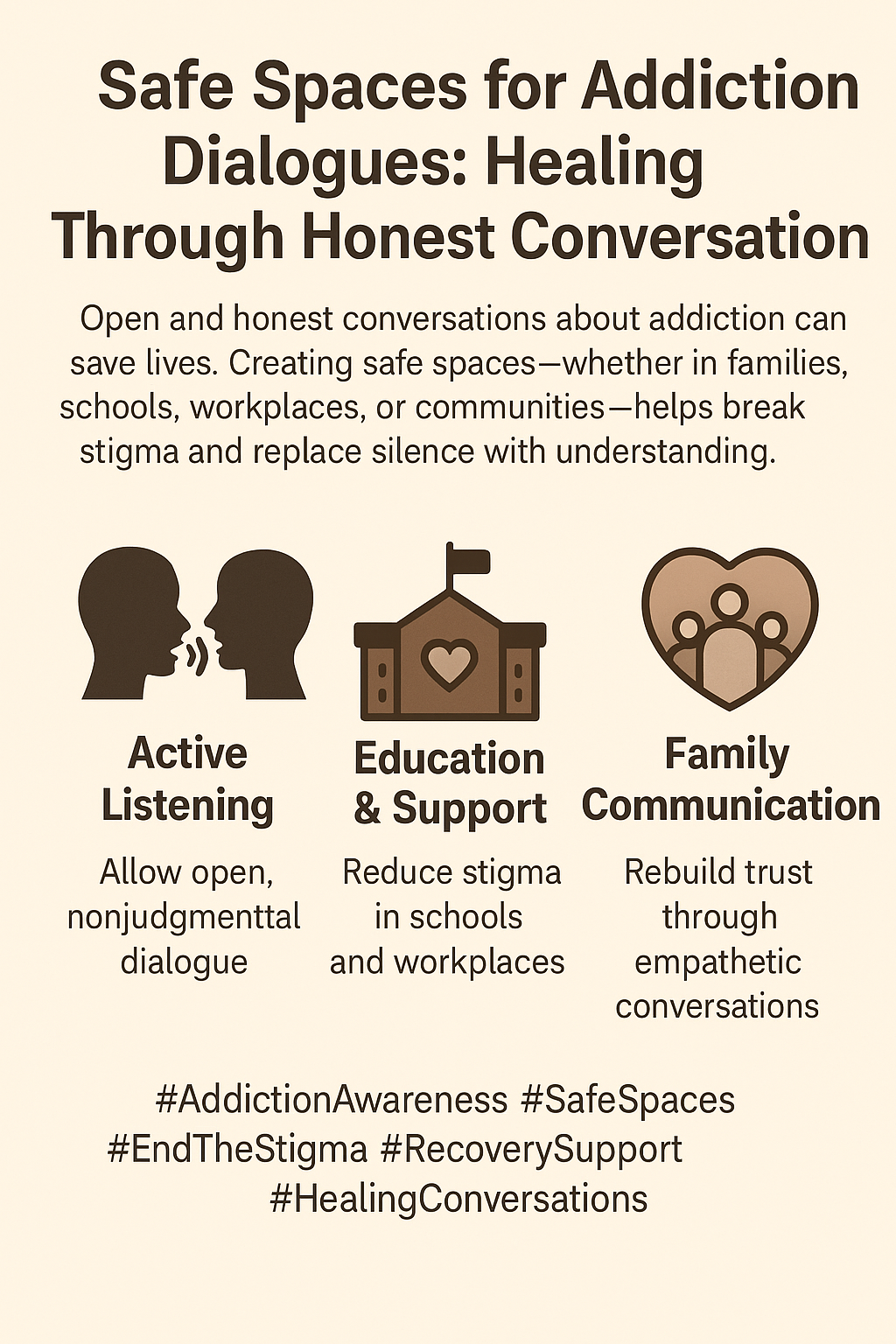
Creating a safe space to talk about addiction is crucial for making real change possible in any community. Hard conversations can feel intimidating, but when people feel comfortable and heard, healing and help can actually happen. I’m excited to walk through what it takes to encourage open dialogue about addiction and how to turn these conversations into a positive force that supports everyone involved.
Why Safe Spaces Matter in Addiction Dialogue
Open conversations about addiction face roadblocks in many communities. There’s a lot of misunderstanding, and sometimes even fear, around what addiction really is. This makes supportive environments even more critical. Having a welcoming, judgment-free space means that individuals and families are more likely to seek out help, share their stories, and offer mutual encouragement.
According to the Substance Abuse and Mental Health Services Administration (SAMHSA), support from understanding peers can actually give a boost to recovery outcomes. When community members feel like they’re not alone and that others care about their struggles, the hope for real change grows. I’ve seen support groups, friendly community events, or just simple conversations on a park bench make all the difference for someone feeling stuck or isolated.
Changing the atmosphere isn’t about having all the answers. It’s about showing up, being willing to listen, and making sure people don’t have to hide their truth out of fear or shame. That kind of support goes a long way in prevention, early intervention, and ongoing recovery.
Starting: Laying the Groundwork for Open Conversations
Starting a dialogue about addiction requires some groundwork. People need to trust that they can speak without being judged. Building this trust starts with actions, not just words.
- Listen actively: Focus on truly hearing what others have to say, rather than preparing what you’ll say next.
- Use language that is non-stigmatizing: Simple swaps like saying “person with substance use disorder” instead of “addict” create a more supportive vibe.
- Respect different experiences: No two stories are the same, even if the challenges look similar from the outside.
- Hold confidentiality seriously: Knowing that what’s shared won’t leave the room (unless it’s genuinely unsafe not to) is really important for building trust.
Little changes, such as hosting meetings in a relaxed setting, using comfortable furniture, or offering refreshments, can help people feel more at ease and encourage them to participate.
Practical Steps to Create a Safe Space for Addiction Talks
Transforming an ordinary room or digital meetup into a space where people feel safe takes thoughtful planning. Here are some tips I’ve found really helpful:
- Choose a welcoming environment: Neutral spaces, such as libraries, community centers, or parks, work well. If you’re online, ensure your platform allows for both privacy and ease of use.
- Set clear ground rules together: Ask everyone to agree on some basic guidelines, like avoiding interruptions or respecting each other’s privacy, before the conversation gets deep.
- Model vulnerability and respect: Share something yourself if you feel comfortable, or remind the group that no one here expects perfection. This makes it easier for others to open up as well.
- Invite various voices: Reach out to people in recovery, family members, counselors, and allies. The more perspectives there are, the better the community becomes understood.
- Be present for difficult emotions: If the conversation gets emotional, that’s okay. Offering space for those feelings, without trying to “fix” everything on the spot, is part of what makes the space feel safe.
Welcoming visuals, such as plants, art, and soft lighting, along with positive messaging displayed in these spaces, can also help establish a reassuring tone.
Tackling Barriers: Addressing Common Challenges Head-On
Most communities will encounter a few roadblocks on the way to open conversation. Here are some tricky spots and my favorite ways to handle them:
- Stigma: It’s persistent and can make people fear being labeled or rejected. Educational events or sharing stories anonymously can help break down this barrier.
- Misinformation: Myths about addiction, like “it’s a choice” or “it only happens to certain people,” shut the conversation down before it starts. Inviting experts or using reputable resources helps keep facts front and center.
- Privacy concerns: People may hesitate to speak out if they believe their situation will become public knowledge. A clear privacy policy and anonymous ways to join discussions, such as virtual groups, can ease these concerns.
- Resource limits: Not every community has professional counselors. Training volunteer facilitators and leaning on national helplines or digital services keeps support accessible.
Stigma
Stigma is one of the most stubborn challenges out there. When people are worried others will look down on them, they might avoid seeking help until things are out of control. I really believe that the simple act of talking openly and correcting negative language when we hear it sets a better example for everyone.
Misinformation
Wrong ideas about addiction can be cleared up with reliable information from the experts. I like to keep printed resources from trusted sites ready to share and always double-check anything I’m unsure about before sharing. Accurate information lowers fear and makes it easier for people to understand what their neighbors or family might be experiencing.
Privacy Worries
Trust is everything. I always ensure that everyone knows the group values their privacy, and I adhere to strict boundaries about what is shared beyond those walls. If you’re doing this work online, look for secure platforms with privacy controls.
Resource Limits
No community has unlimited resources. Teaming up with local organizations or just offering a listening ear when someone needs it keeps the focus on practical, available support. National resources, such as the SAMHSA National Helpline, can be lifesavers for anyone who needs extra help.
Challenges don’t mean progress is impossible. With patience, persistence, and a willingness to adapt, small community actions can add up and truly change how addiction is experienced and discussed throughout the area.
Tools for Ongoing Support and Engagement
Sustaining open conversations means offering ongoing chances for people to connect and learn. Here are a few practical strategies to try:
- Regular group meetups: Whether in person or online, having a predictable time where people can check in, share, or listen makes a big difference.
- Workshops and education sessions: Consider bringing in speakers who have lived experience or professionals who can provide up-to-date information on treatment and support options.
- Resource boards and newsletters: Keep important contacts, articles, and encouragement visible and available for anyone who stops by.
- Teamwork with local organizations: Connect with health clinics, schools, or mental health services to collaborate on initiatives that benefit the community. They can help spread the word and provide various forms of support as issues arise.
Technology also contributes to the toolbox here, from anonymous support apps and carefully moderated online message boards to digital toolkits for facilitators seeking to develop their skills. For instance, some apps offer daily check-in prompts, goal tracking, and access to 24/7 peer support, making it easier for individuals to reach out at any time. These digital options are especially valuable in rural or underserved areas where traditional resources are limited.
Making Safe Spaces Work for the Real World
Community efforts don’t have to be formalized to make a real impact. Sometimes what makes the difference is just a willingness to listen over a cup of coffee or in the hallway after a school meeting. Here are a few scenarios where safe spaces helped people open up:
- An after-school teen club transformed one of its rooms into a judgment-free zone where anyone could discuss stress, substance use, or home-life challenges. Over time, students grew more comfortable helping each other and even organized their own awareness events.
- A local library hosts monthly drop-in hours for anyone wanting information about addiction. A volunteer is always on hand to answer questions or listen, no sign-in required.
- A neighborhood association began distributing small resource cards with helpline numbers and practical tips for supporting friends and family members during difficult times. These cards sparked numerous private conversations, making people feel less isolated.
Simple, consistent efforts have ripple effects. The more welcoming the space feels, the more likely people are to step forward before a crisis point is reached. The beauty of these approaches is in their ability to meet people where they are, creating a sense of belonging and encouragement even during the most challenging moments.
Frequently Asked Questions
If you’re new to this whole idea of safe spaces for addiction dialogue, here are some things I often get asked:
Question: What if someone shares something really intense or upsetting during a meeting?
Answer: I always remember not to panic or rush to fix things. It’s enough to listen, validate their feelings, and offer resources if needed. If there’s a safety concern, I follow up with appropriate help or guide them toward professional assistance.
Question: How do I get more people involved without making them uncomfortable?
Answer: Publicizing events in a low-key manner, starting small, and allowing people to join anonymously at first is helpful. Try offering food, childcare, or flexible meeting times to make it easy. You can also share stories of past successes, which often help people feel more confident about joining a group for the first time.
Question: What’s the best language to use to stay supportive?
Answer: Sticking with person-first language (“person in recovery,” “person living with addiction”) and avoiding labels like “addict” is always appreciated. Maintaining a tone of care and curiosity, rather than one of blame, makes a significant difference. Encourage others in your group to catch outdated language gently and offer better alternatives.
Putting It All Together in Your Community
Supporting open conversations about addiction in your community doesn’t have to be overwhelming or complicated. The key is to start small, stick to respectful and transparent practices, and believe that each person’s voice matters. When spaces feel genuinely welcoming, conversations become fuel for healing, growth, and real support. Even simple efforts to make people feel heard can spark long-lasting, positive change throughout the neighborhood. If you are ever unsure about how to keep the momentum going, reach out to local mental health advocates or online resources—they are usually eager to share ideas and help guide your next steps. Bottom line: Open, kind conversations help everyone grow stronger together.
Video: Can Honest Conversations Beat Addiction?