Weight Issues and Quitting Smoking

Nicotine, the central component in tobacco, influences the body’s metabolism, leading to various physiological changes. As individuals contemplate quitting tobacco, concerns about potential weight gain surface, accompanied by both myths and realities. This exploration delves into the effects of nicotine on metabolism, dispels common post-cessation misconceptions, and examines the interplay with dieting. Additionally, it explores … Read more

Health problems of Tobacco use

Tobacco use, known for its links to lung cancer and respiratory diseases, extends its impact to various health conditions, medication interactions, and disparities across diverse populations. This complex interplay emphasizes the need to understand gender-specific consequences and variations among racial and ethnic groups. Beyond immediate health risks, tobacco’s influence on medication effectiveness adds complexity, requiring … Read more

Nicotine: Addictive Substance

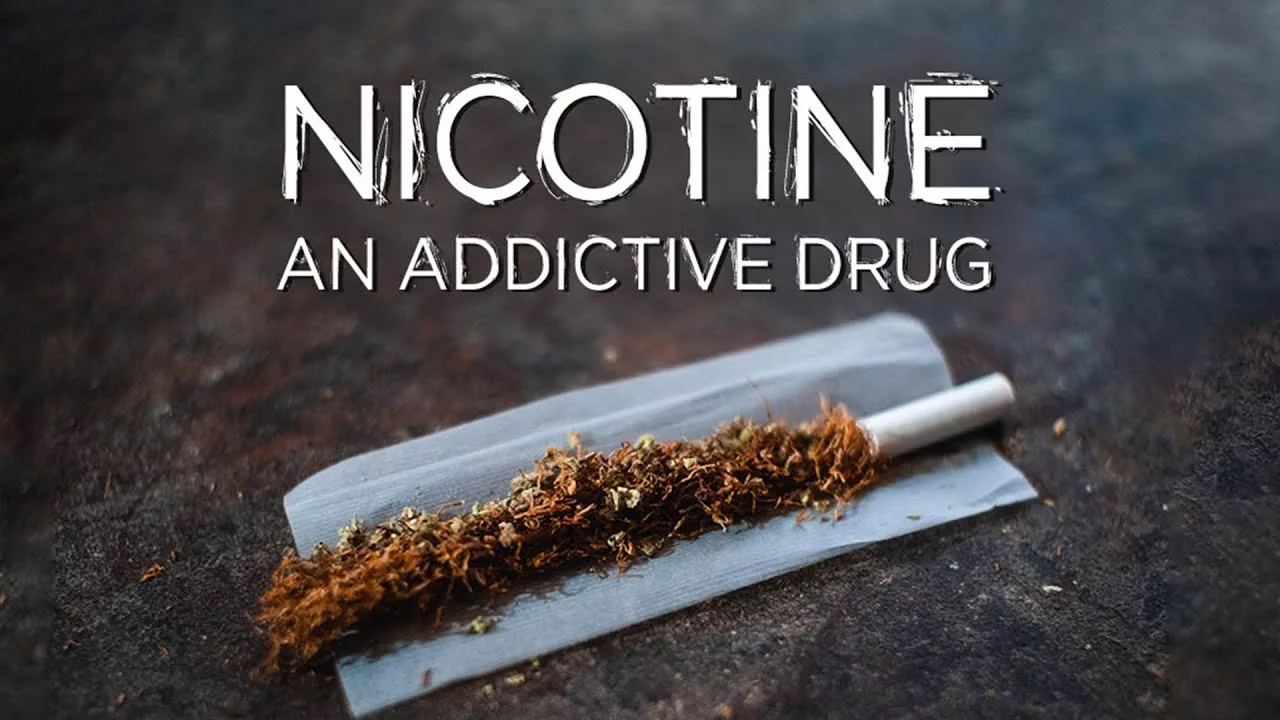
Nicotine, a psychoactive compound in tobacco, is both a drug and a complex influencer of brain, heart, and body functions. With stimulant properties and addictive tendencies, it interacts with neurotransmitters, creating a rewarding experience that contributes to its addictive nature. While sharing similarities with other drugs, nicotine uniquely intertwines with stress management. As a central … Read more

Anatomy of Tobacco

Tobacco, originating in the Americas, has become a global concern, affecting public health at various levels. The processing of tobacco, the anatomy of cigarettes, and the ensuing specter of secondhand smoke illuminate the intricate web woven by this plant. From the blend of tobacco leaves to the additives in cigarettes, each element contributes to the … Read more

Smoking vs. Drugs & Alcohol

In recovery from drugs and alcohol, the potential substitution of smoking emerges as a noteworthy challenge. Smoking, often seen as a coping mechanism, can intertwine with the recovery journey, posing hurdles to sustained wellness. This exploration delves into self-management, family support, and community resources as crucial elements in addressing the impact of smoking substitution. By … Read more

Addicts’ Behaviors in Relationships

Navigating typical addict behavior in relationships necessitates a holistic approach, involving self-management, family support, and community resources. Substance abuse strains relationships, influencing both individuals and their loved ones. Self-management focuses on personal resilience, family support fosters understanding, and community resources offer external assistance. This comprehensive framework addresses the challenges posed by addictive behavior, fostering healthier … Read more

Social Relationship with an Addict

Navigating an addict’s behavior and recovery involves a multifaceted approach that extends beyond individual efforts. Social relationships, including family and community interactions, are crucial in shaping the recovery journey. This introduction explores the intricate interplay between an addict’s social relationships, self-management strategies, family support, and community resources. As we delve into these aspects, we aim … Read more

Spouse’s Role with an Addict

A spouse’s relationship with an individual battling addiction demands a comprehensive approach. This involves cultivating self-management strategies for emotional well-being, seeking family support to strengthen relationships, and tapping into community resources to build a robust support network. Spouses play a vital role in the recovery process, and this introduction explores the key elements of self-management, … Read more

Tobacco and Cannabis Usage

Tobacco and cannabis use pose multifaceted challenges with diverse physiological effects and cultural implications. This exploration delves into their distinct impacts on the body and cultural contexts. Additionally, the introduction outlines community resource strategies for prevention, emphasizing the need for nuanced approaches to address these substances’ unique characteristics and cultural nuances, fostering public well-being and … Read more

Tobacco use leads to Addiction

Tobacco use extends beyond a mere habit, often evolving into a formidable addiction. Its allure lies in the capacity to alter brain chemistry, creating a dependency that proves challenging to break. Understanding this addictive nature involves delving into the changes it induces in the brain, perpetuating a cycle that demands a comprehensive approach to cessation. … Read more