Hidden Risks of Screen Detox

In today’s constantly connected world, screens play a central role in daily life, but excessive use can resemble behavioral addiction, causing compulsive engagement, mood dependence, poor sleep, and reduced focus. Many people attempt a “screen detox” to regain balance, yet abruptly cutting back can lead to irritability, boredom, anxiety, and social disconnection. Understanding both the … Read more
Motivation in Addiction Treatment

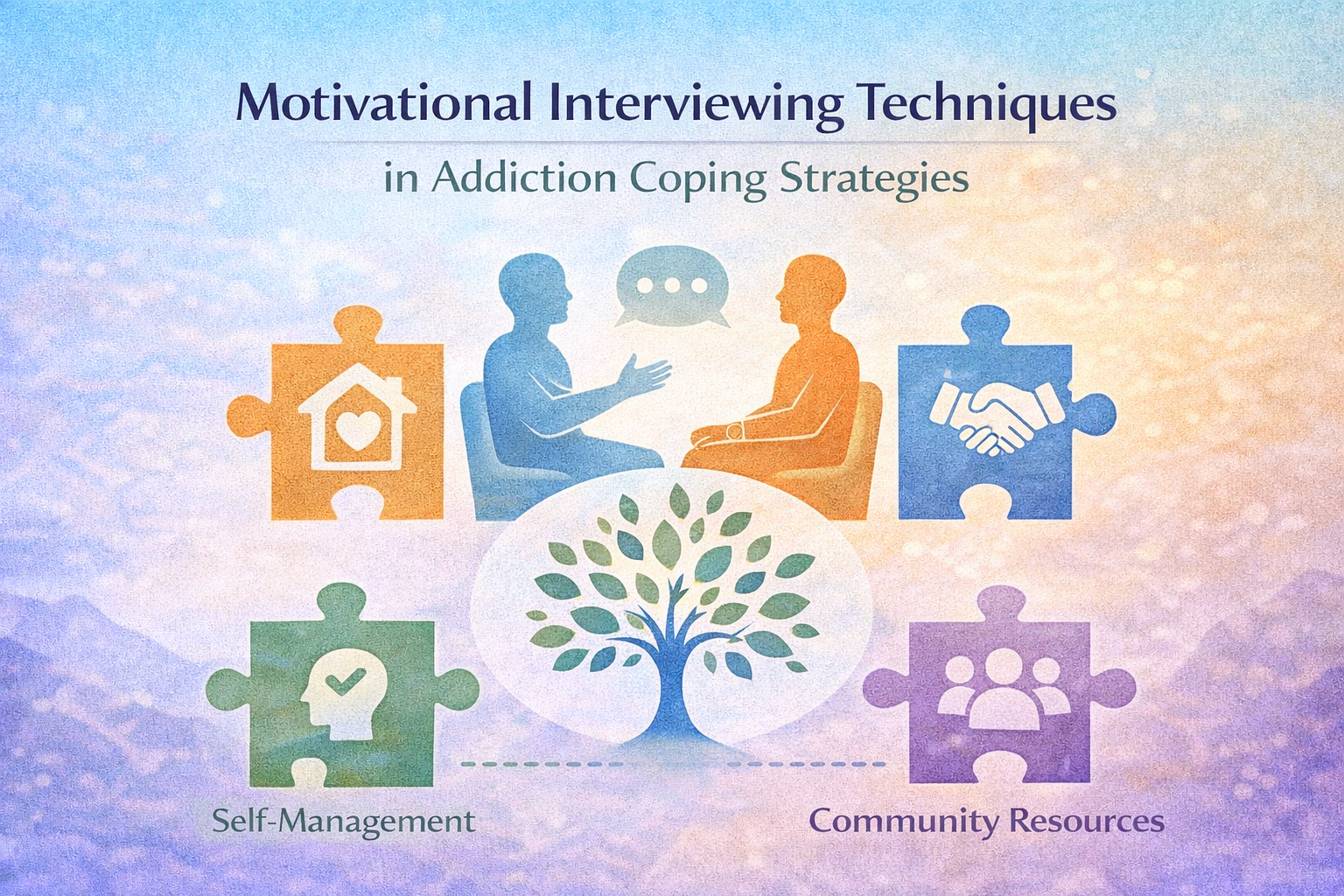
Motivational Interviewing (MI) techniques play a vital role in addiction coping strategies by helping individuals navigate ambivalence, strengthen motivation, and build confidence for change. Rather than relying on confrontation or pressure, MI emphasizes empathy, collaboration, and respect for autonomy. When applied across self-management, family support, and community resource strategies, motivational interviewing creates a consistent, supportive … Read more

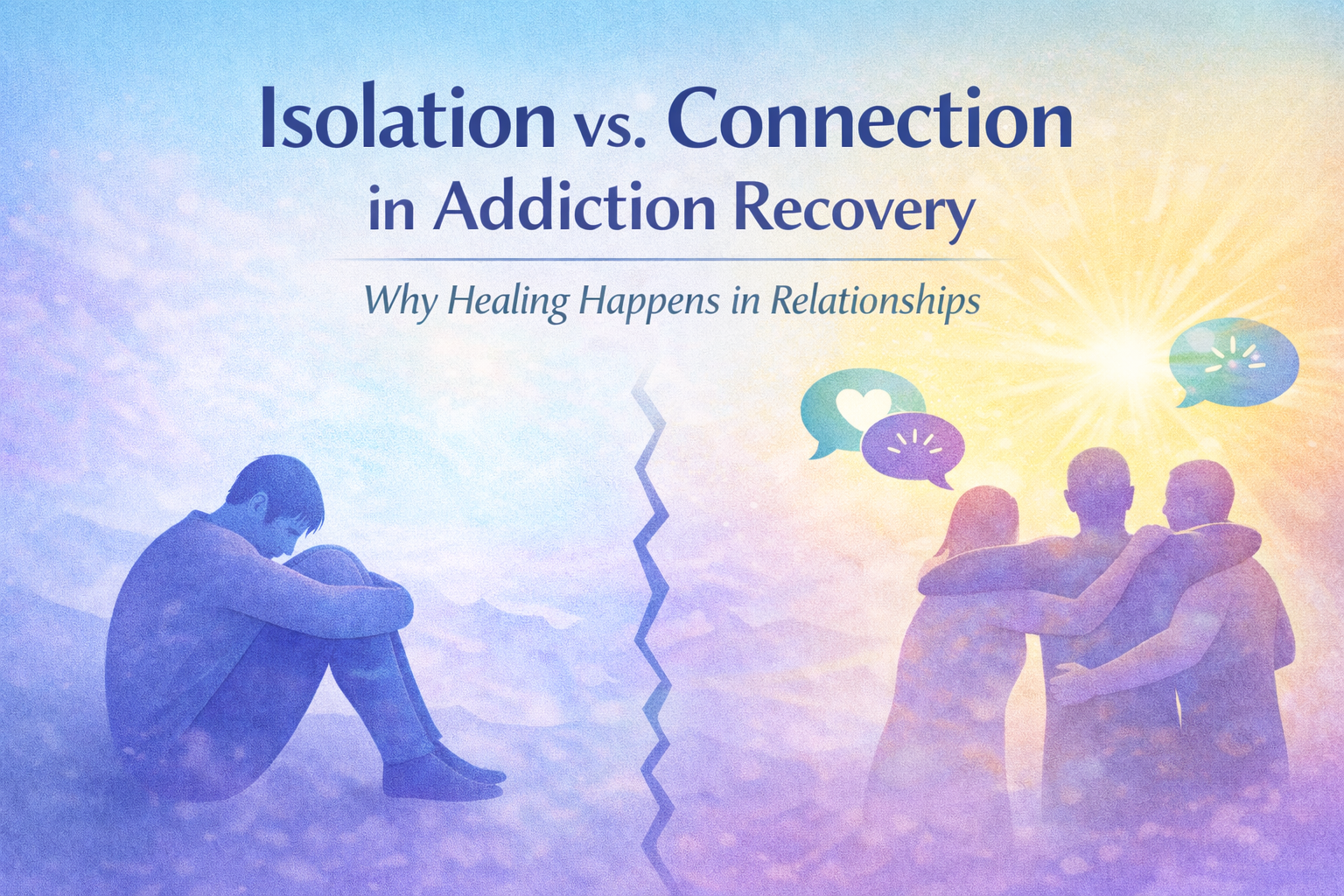
Recovery: Isolation vs. Connection

Isolation and connection sit at the heart of addiction recovery. Addiction often pushes individuals into loneliness, secrecy, and emotional withdrawal, while recovery depends on rebuilding trust, belonging, and supportive relationships. Feelings of shame, fear, and stigma can make isolation feel safer than connection, especially in early recovery. Improving this balance requires intentional effort at multiple … Read more

Stigma and Language of Addiction

Stigma and language play a powerful role in shaping addiction recovery experiences. Judgmental or blaming words can intensify shame, lower self-esteem, and discourage individuals from seeking treatment or being honest about their struggles, often increasing isolation during vulnerable moments. In contrast, respectful, person-first language promotes dignity, trust, and a sense of safety, encouraging openness and … Read more

Opioid Treatment Program Barriers

Opioid Treatment Programs (OTPs) are evidence-based and lifesaving for individuals with opioid use disorder (OUD), yet many people encounter significant barriers that limit access and retention. These barriers include stigma, transportation difficulties, financial constraints, regulatory requirements, fragmented healthcare systems, and emotional resistance rooted in fear or shame. When individuals are unable to engage consistently in … Read more

Foster Care Opioid Treatment

Foster care involvement related to opioid use disorder (OUD) represents one of the most complex intersections of public health and child welfare. When parental substance use leads to child removal, the focus must extend beyond crisis response toward coordinated recovery and family stabilization. Foster Care Opioid Treatment requires more than medication or court compliance—it demands … Read more

Don’t Delay Addiction Treatment

Addiction is a progressive brain-based condition that rarely improves without intervention. As use continues, insight becomes impaired, making it easier to minimize tolerance, withdrawal, and loss of control. Delaying treatment increases the risk of overdose, mental health decline, and social consequences. Recognizing when not to wait requires layered awareness. Self-monitoring helps identify escalating use and … Read more

Floodlighting in Dating

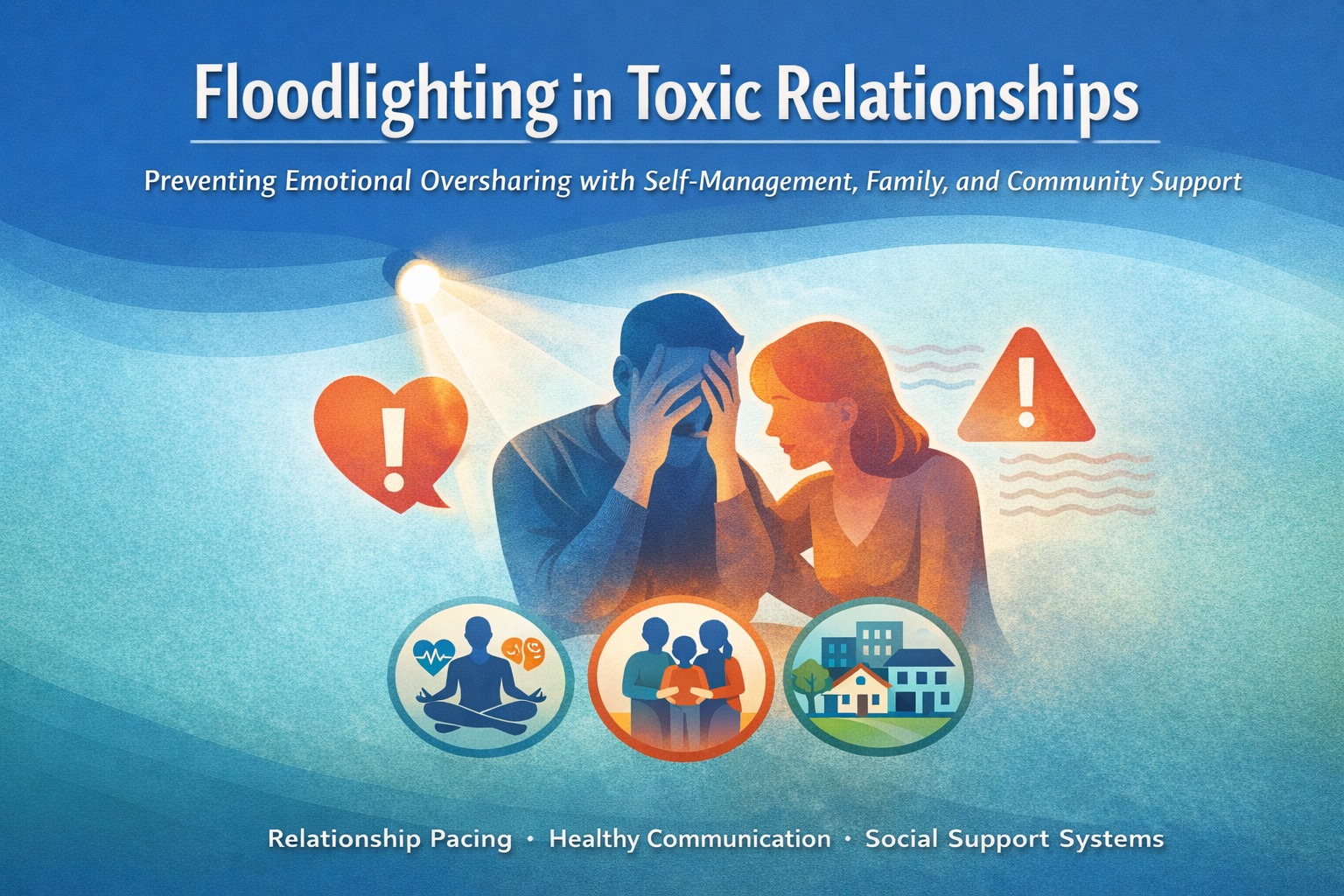
Floodlighting is a relationship pattern in which deeply personal emotions, trauma, or life experiences are shared too early, before trust, safety, and mutual understanding are established. While often mistaken for honesty or emotional maturity, floodlighting can fast-track intimacy in ways that create imbalance, emotional pressure, and vulnerability to toxic dynamics. Preventing these outcomes requires more … Read more

The American Recovery Initiative

The Great American Recovery Initiative represents a broad, recovery-oriented effort to address addiction as a public health and community issue rather than solely a criminal or individual failing. Its strengths include promoting hope, expanding access to treatment and recovery supports, encouraging cross-system collaboration, and reducing stigma through a long-term recovery framework. At the same time, … Read more

Drug Abuse and Illicit Trafficking

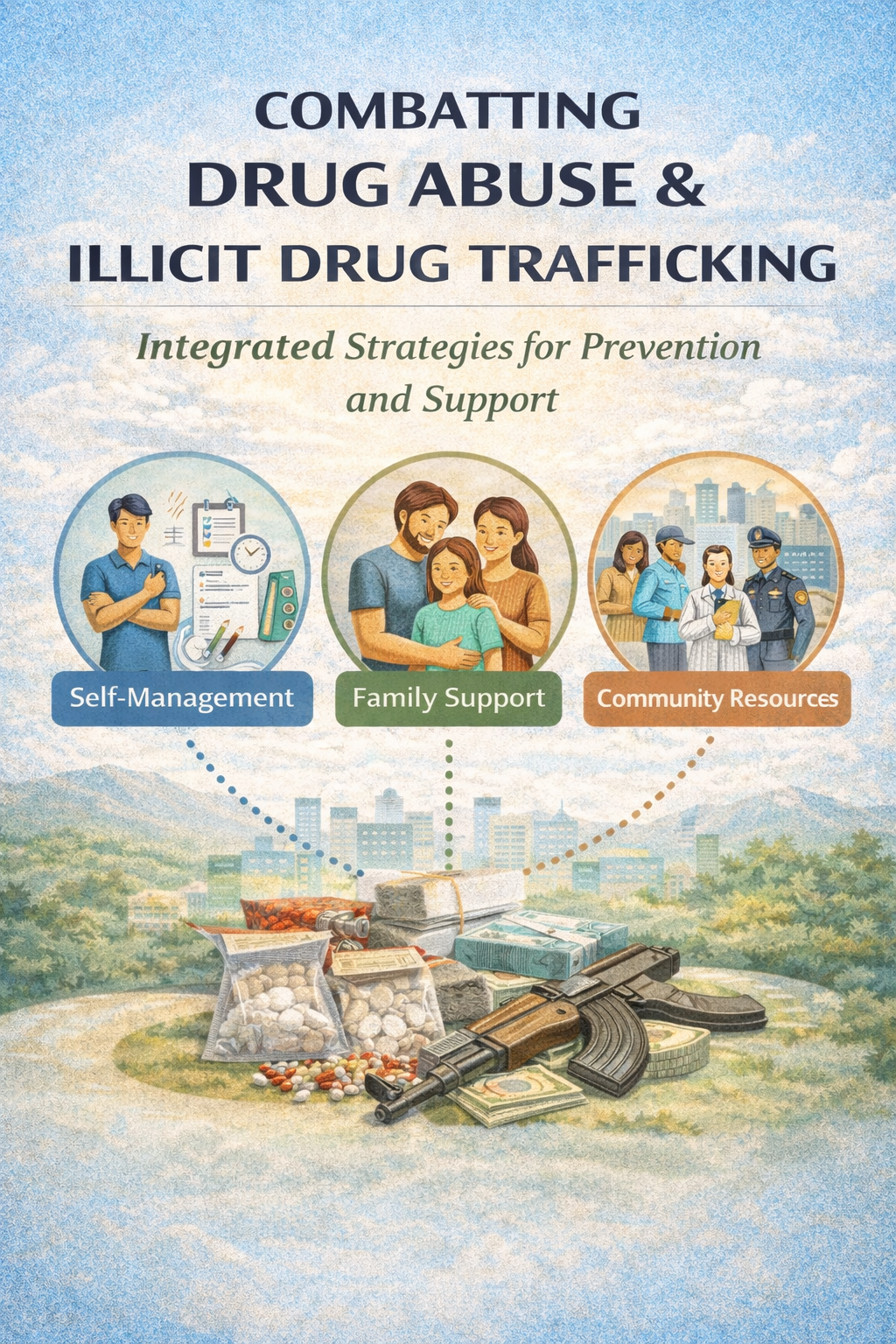
Combatting drug abuse and illicit drug trafficking requires more than enforcement alone—it depends on coordinated efforts at the individual, family, and community levels. Self-management strategies reduce drug demand by strengthening decision-making, emotional regulation, and resistance to substance use. Family support promotes communication, boundaries, and early intervention, while community resources expand prevention, access to treatment, and … Read more