Science of Dopamine in Addiction
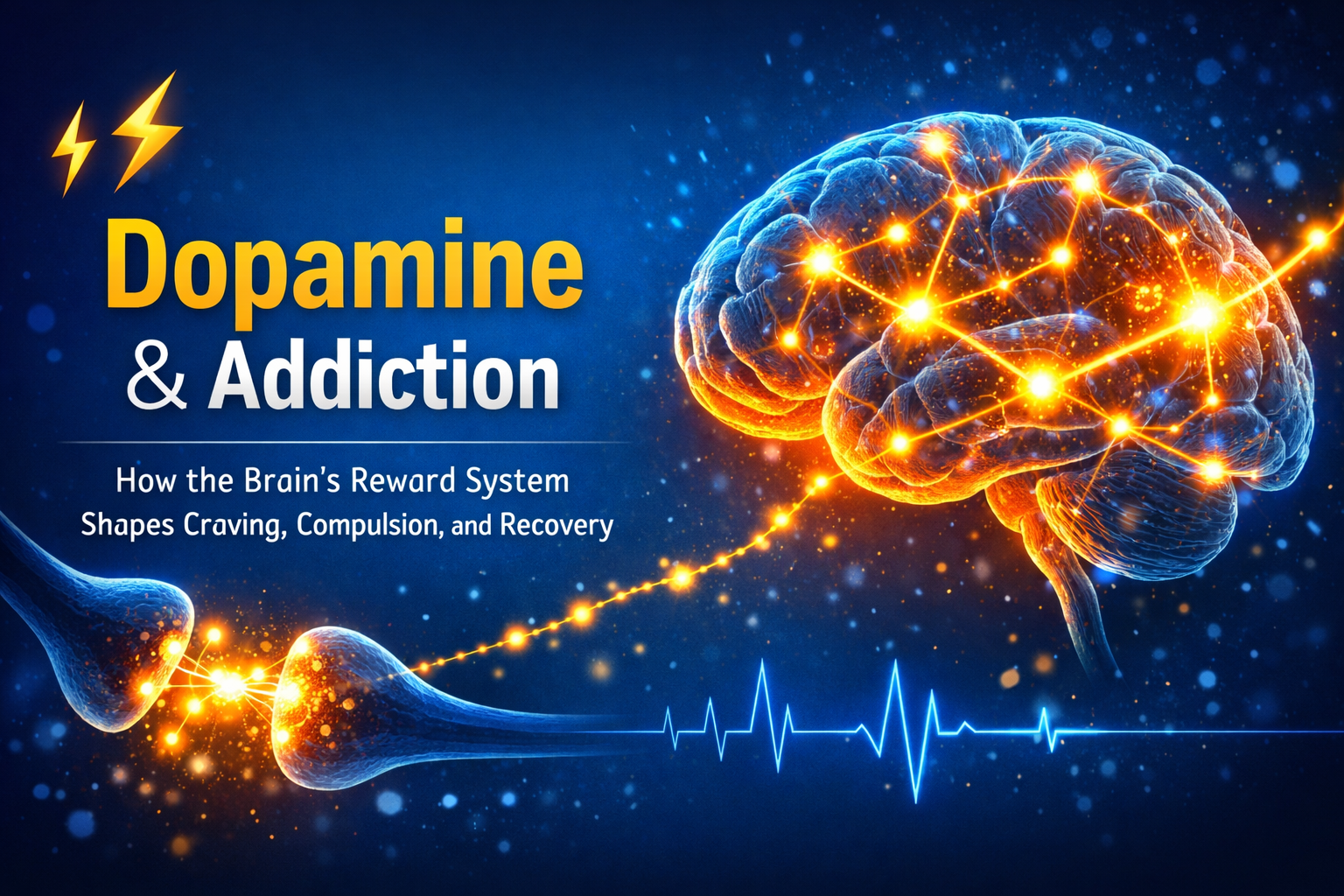
Dopamine plays a central role in addiction by shaping motivation, reward, and learning within the brain. Rather than simply producing pleasure, dopamine teaches the brain what to seek and repeat. In addition, substances and compulsive behaviors overstimulate this system, causing the brain to prioritize short-term rewards over long-term well-being. Over time, this leads to cravings, … Read more
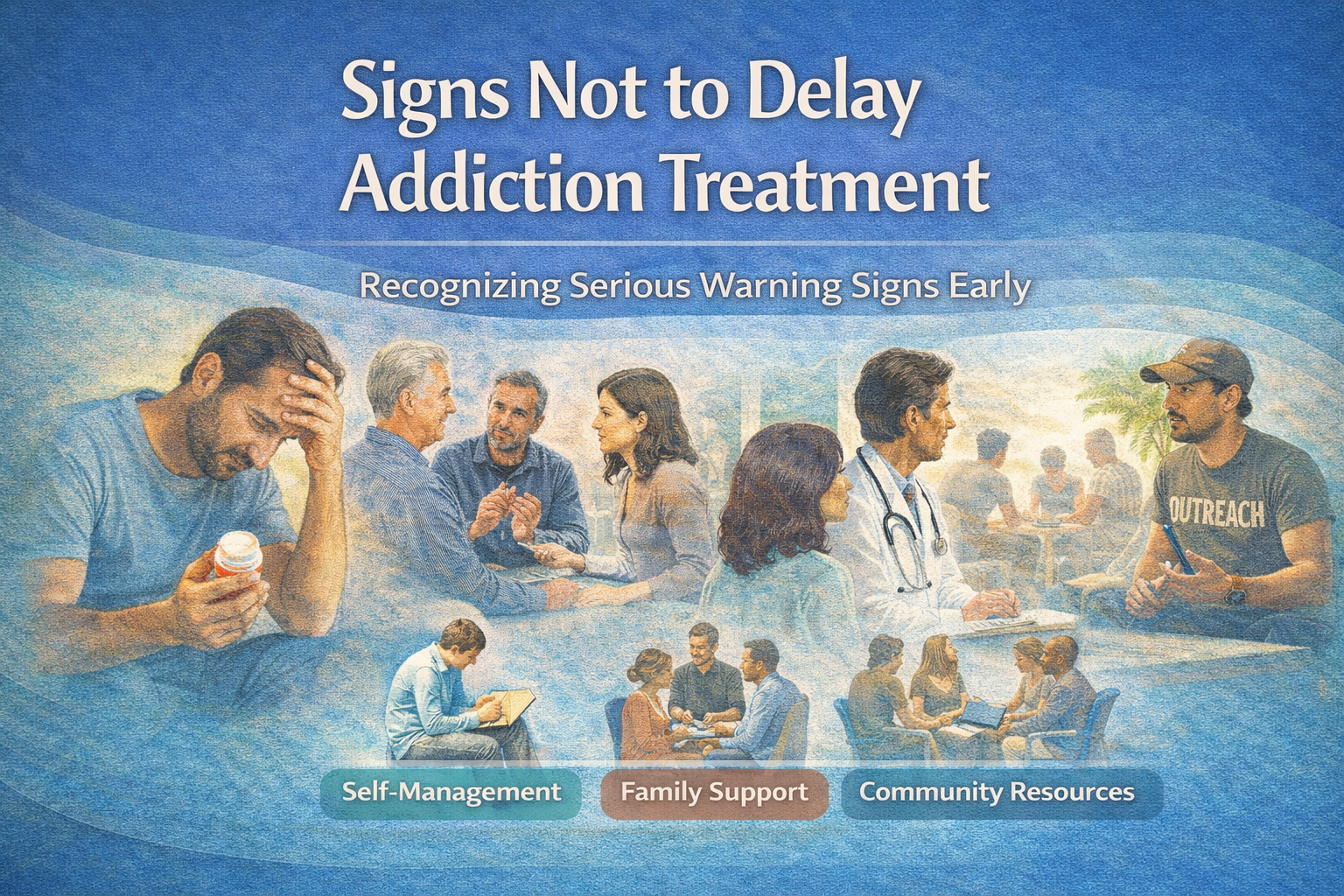
Don’t Delay Addiction Treatment

Addiction is a progressive brain-based condition that rarely improves without intervention. As use continues, insight becomes impaired, making it easier to minimize tolerance, withdrawal, and loss of control. Delaying treatment increases the risk of overdose, mental health decline, and social consequences. Recognizing when not to wait requires layered awareness. Self-monitoring helps identify escalating use and … Read more

Spiritual Malaise in Recovery

Spiritual malaise is a common yet often overlooked dimension of addiction that affects many individuals during active substance use and throughout recovery. It is experienced as a deep sense of emptiness, loss of meaning, inner disconnection, or spiritual fatigue that persists even after physical withdrawal and psychological stabilization. Addiction can erode a person’s sense of … Read more

Real-Life Addiction Recovery Tools

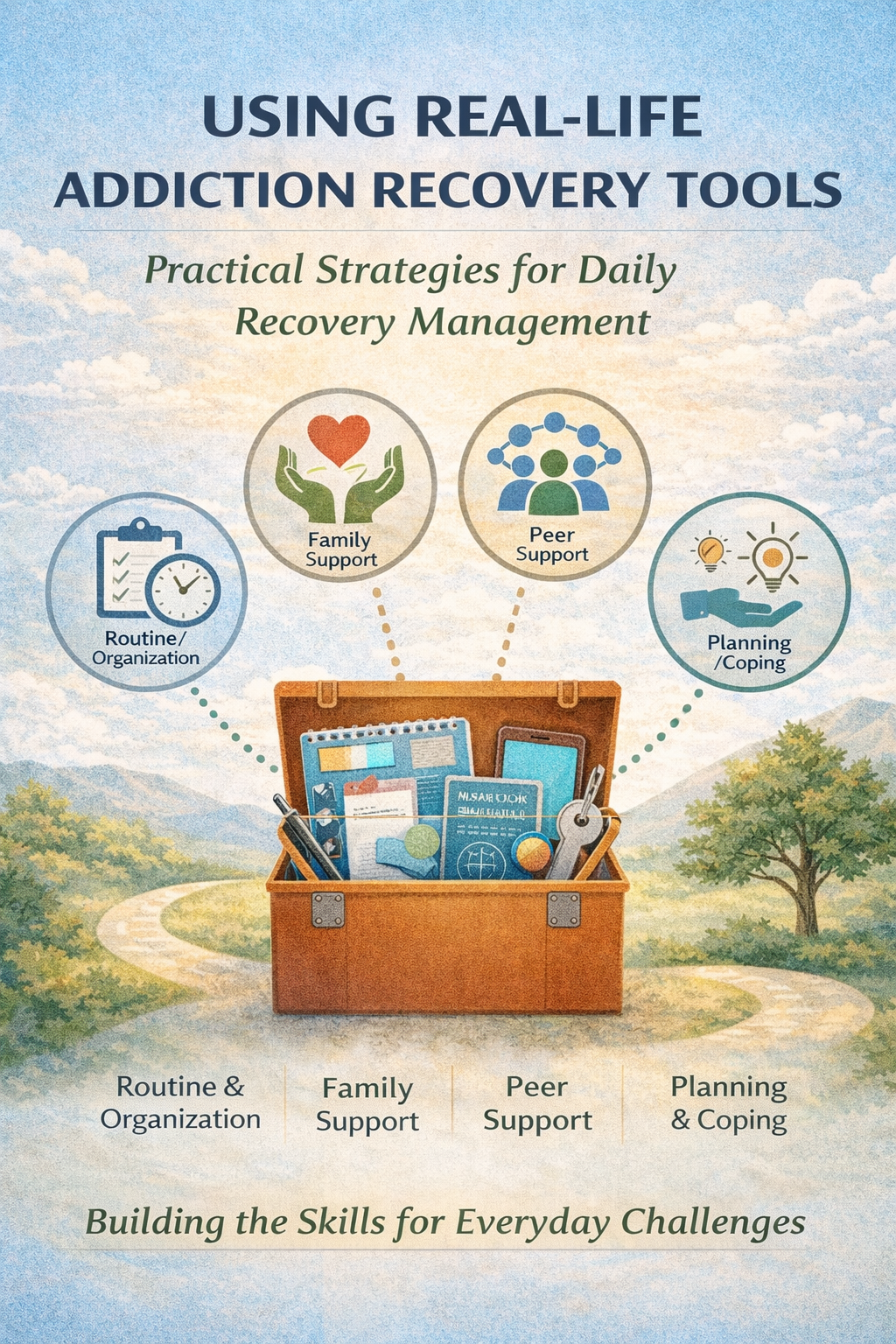
Using real-life addiction recovery tools for management is essential for turning recovery principles into everyday practice. Addiction often disrupts healthy coping, decision-making, and daily structure, making it difficult to manage stress and responsibilities without substances. Real-life recovery tools—such as routines, coping strategies, communication techniques, support systems, and planning tools—help individuals respond effectively to challenges as … Read more

Escapism in Digital Addiction

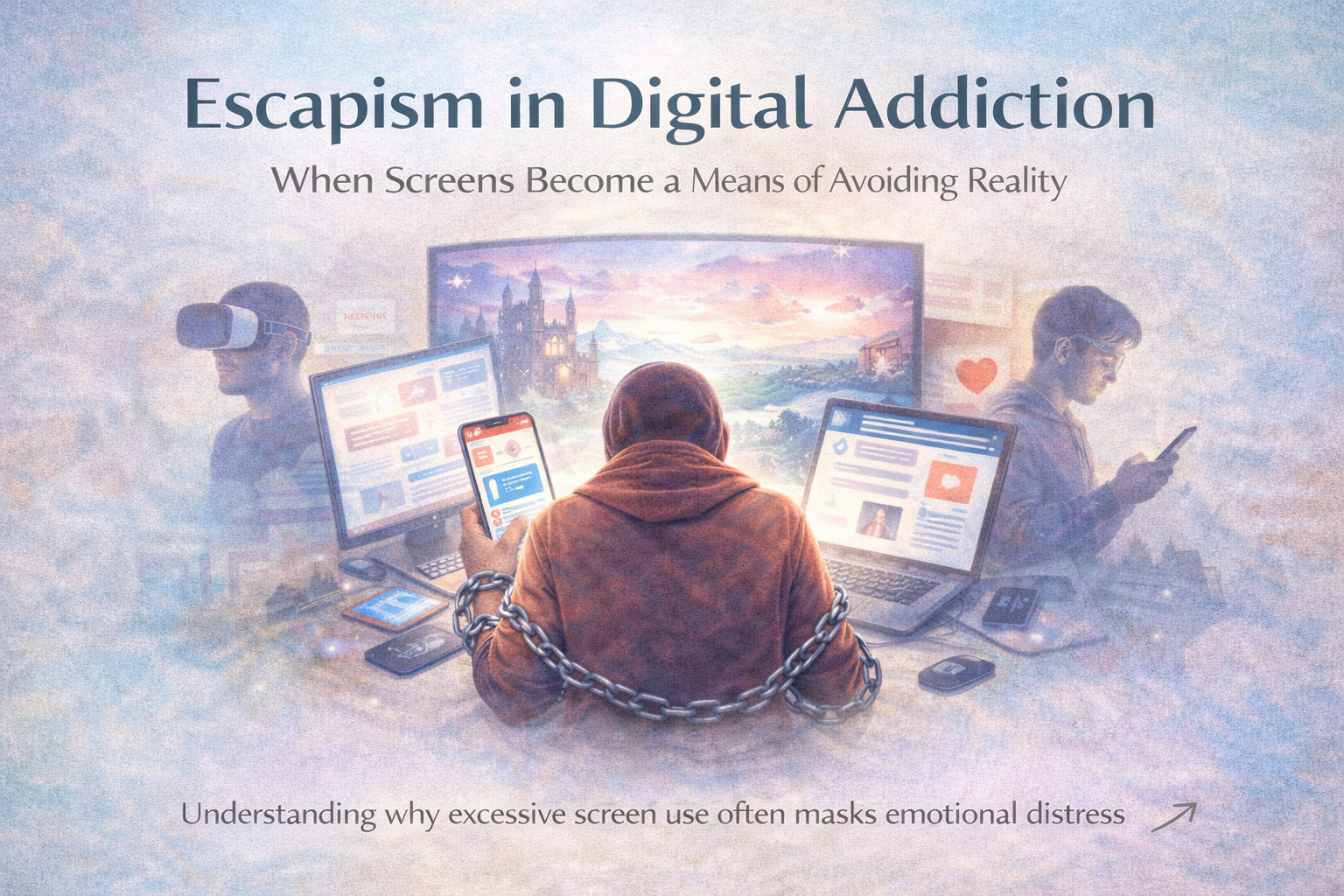
Escapism is a key driver of digital addiction, where excessive gaming, social media use, or streaming becomes a way to avoid stress or emotional discomfort. While digital platforms offer temporary relief, reliance on them to escape reality often increases anxiety and avoidance over time. Addressing escapism in digital addiction requires more than reducing screen time—it … Read more

Facing Disappointment in Recovery

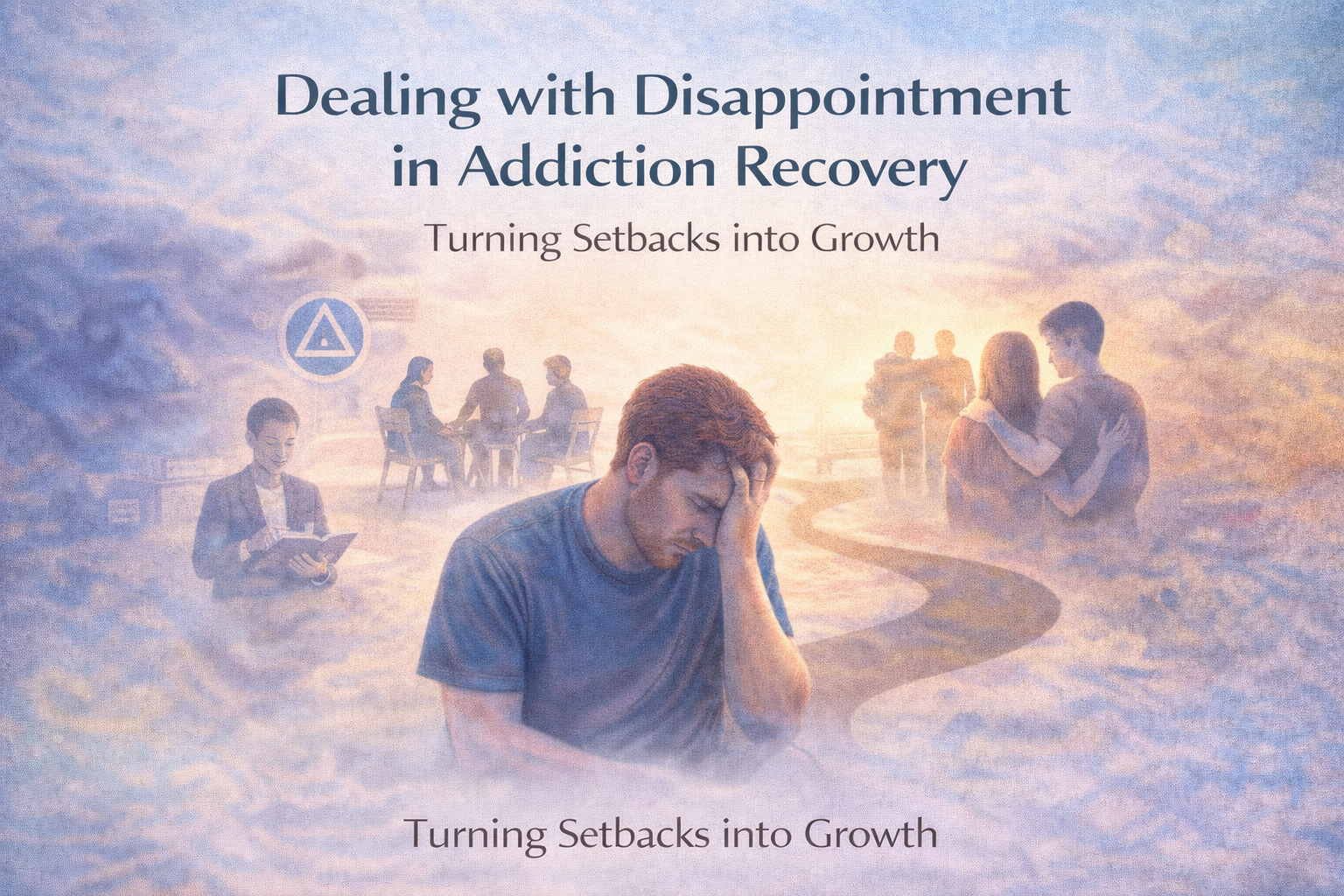
Disappointment is a natural and often painful part of addiction recovery, emerging when progress feels slow, expectations are unmet, or setbacks occur. If not addressed, disappointment can trigger shame, isolation, and relapse risk. Managing disappointment effectively requires more than individual effort—it involves self-management strategies that support emotional regulation, family support that provides understanding and stability, … Read more

Breaking Free from News Addiction

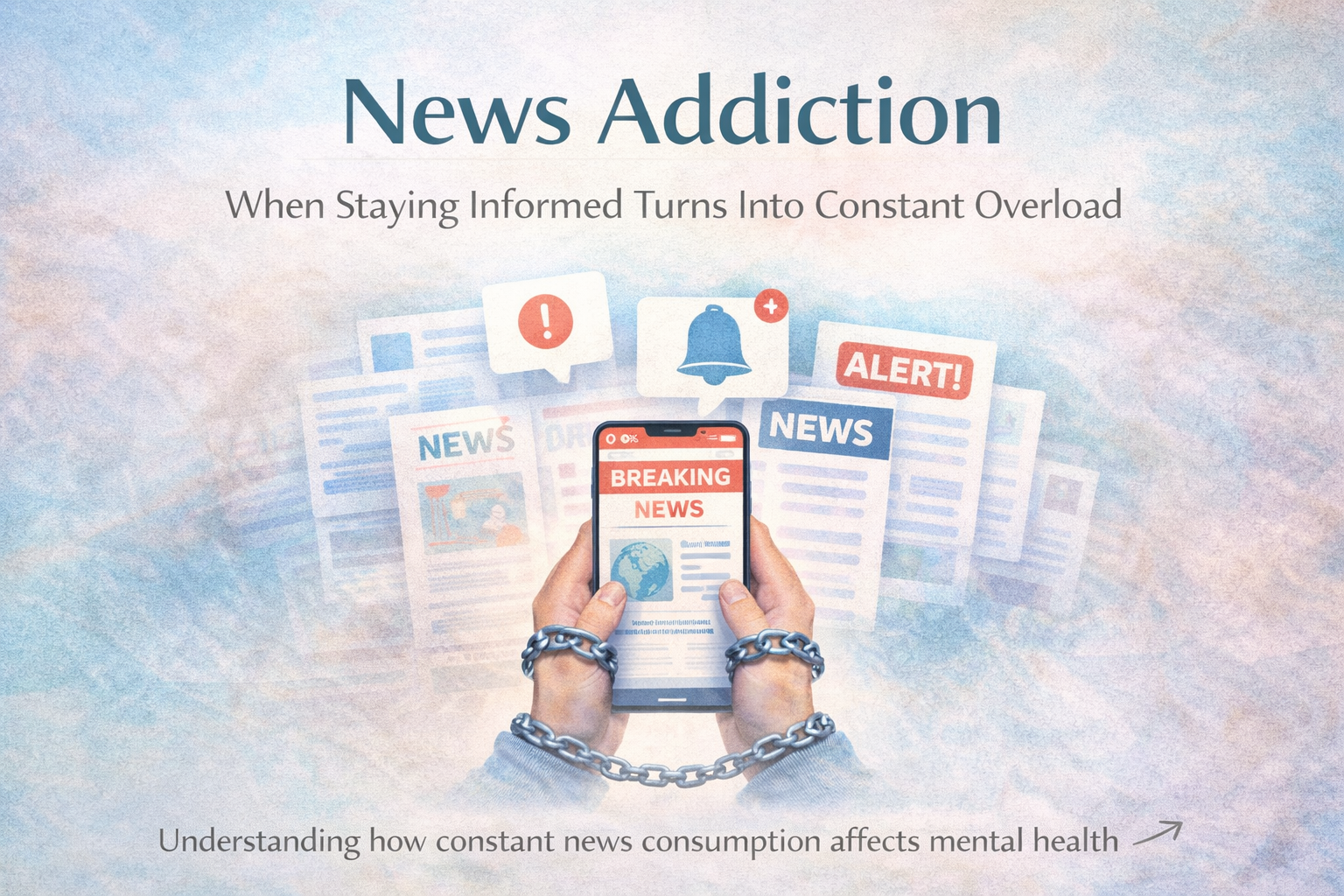
News addiction has become an increasingly common challenge in a world dominated by 24-hour media cycles, breaking alerts, push notifications, and nonstop access to information across multiple platforms. What often begins as a reasonable effort to stay informed can gradually shift into compulsive news checking, driven by anxiety, fear of missing out, or a sense … Read more

Tips for Addiction Sobriety

Addiction sobriety is more than abstaining from substances—it is the ongoing process of building a balanced, stable, and meaningful life. Successful sobriety depends on practical strategies that support emotional regulation, healthy routines, and consistent decision-making. By focusing on daily habits, supportive relationships, and compassionate self-care, individuals can strengthen their recovery and reduce the risk of … Read more

Compassionate Craving Response

Cravings are a natural and expected part of addiction recovery, yet they are often met with fear, shame, or self-criticism. Responding to cravings with compassion shifts the focus from punishment to understanding, recognizing urges as temporary brain responses rather than personal failures. When cravings are approached with kindness, curiosity, and patience, individuals are better able … Read more

Lowest Drug Addiction Country

Exploring which country has the lowest levels of drug addiction offers valuable insight into how culture, policy, and social structure shape public health outcomes. Low addiction rates often spark curiosity about what those societies are doing differently—from prevention strategies and healthcare access to education, community connection, and social norms around substance use. Rather than reflecting … Read more