Addiction in Cancer Patients

Treating substance use disorder (SUD) in patients with cancer brings a whole set of unique challenges that really deserve attention. These patients are already dealing with the emotional and physical stress of a cancer diagnosis, and SUD can make treatment much more complicated. Figuring out the best way to support these individuals takes compassion, teamwork, … Read more
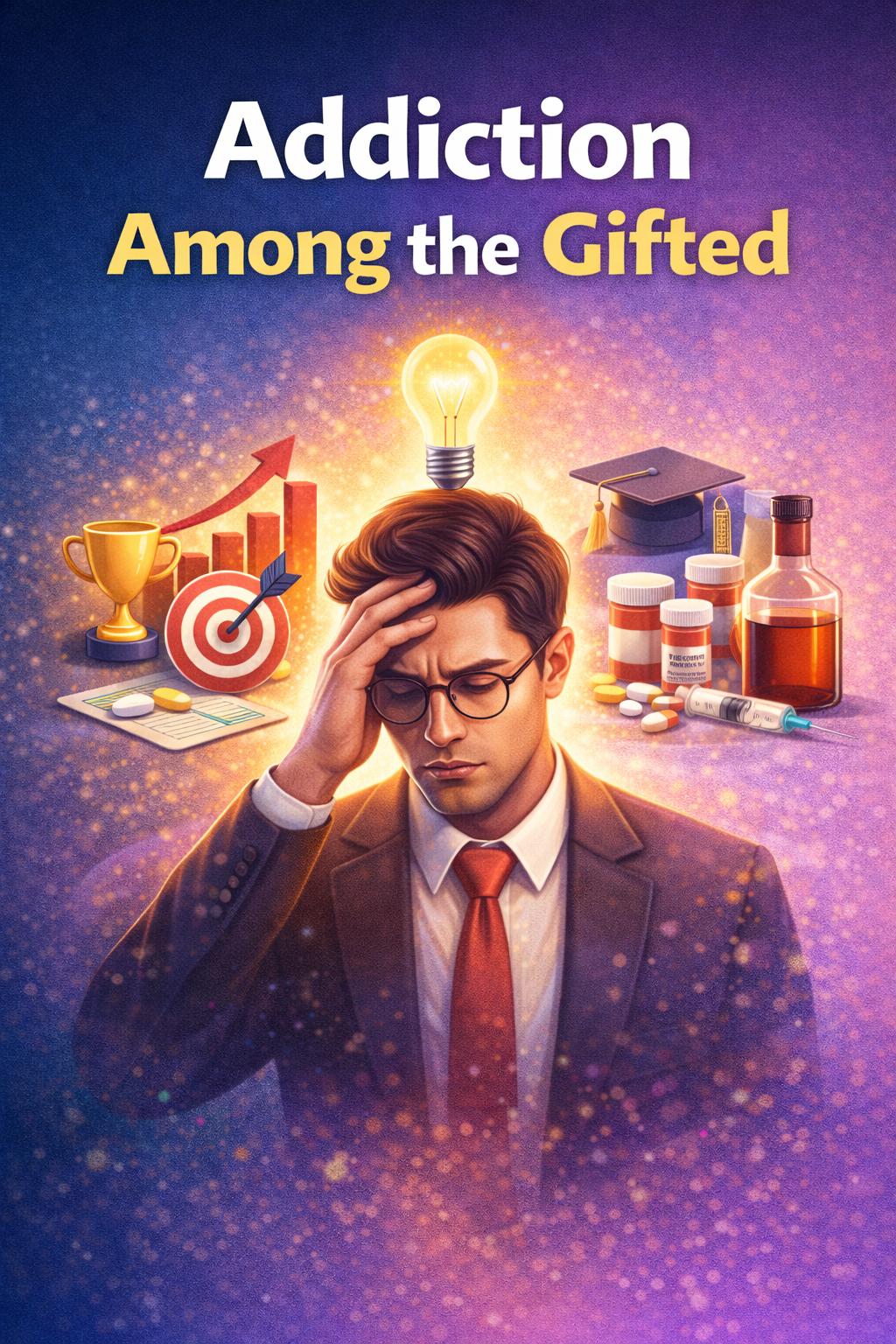
Addiction Among the Gifted

The reality for many gifted individuals isn’t always the storybook version you might expect. While being highly intelligent or talented brings plenty of cool advantages, there’s a tougher side to this coin that doesn’t get talked about nearly enough. Growing up as a high achiever usually comes with big expectations, some internal, some from family, … Read more

Inside the Mind During Detox

Breaking out of detoxing, whether it’s about food, technology, or any unhealthy habit, can really throw you for a loop emotionally and mentally. There’s usually a ton of focus on the beginning—starting a detox, making it through the first few days, and all that—but not much is said about what it’s actually like to transition … Read more

When Anxiety Becomes a Disorder

Anxiety is a normal reaction to stress, uncertainty, or difficult situations. Many people feel temporary worry or nervousness before important events such as exams, job interviews, or major life changes. In these moments, anxiety can be beneficial because it helps increase focus, alertness, and readiness. However, anxiety becomes problematic when it is constant, intense, and … Read more

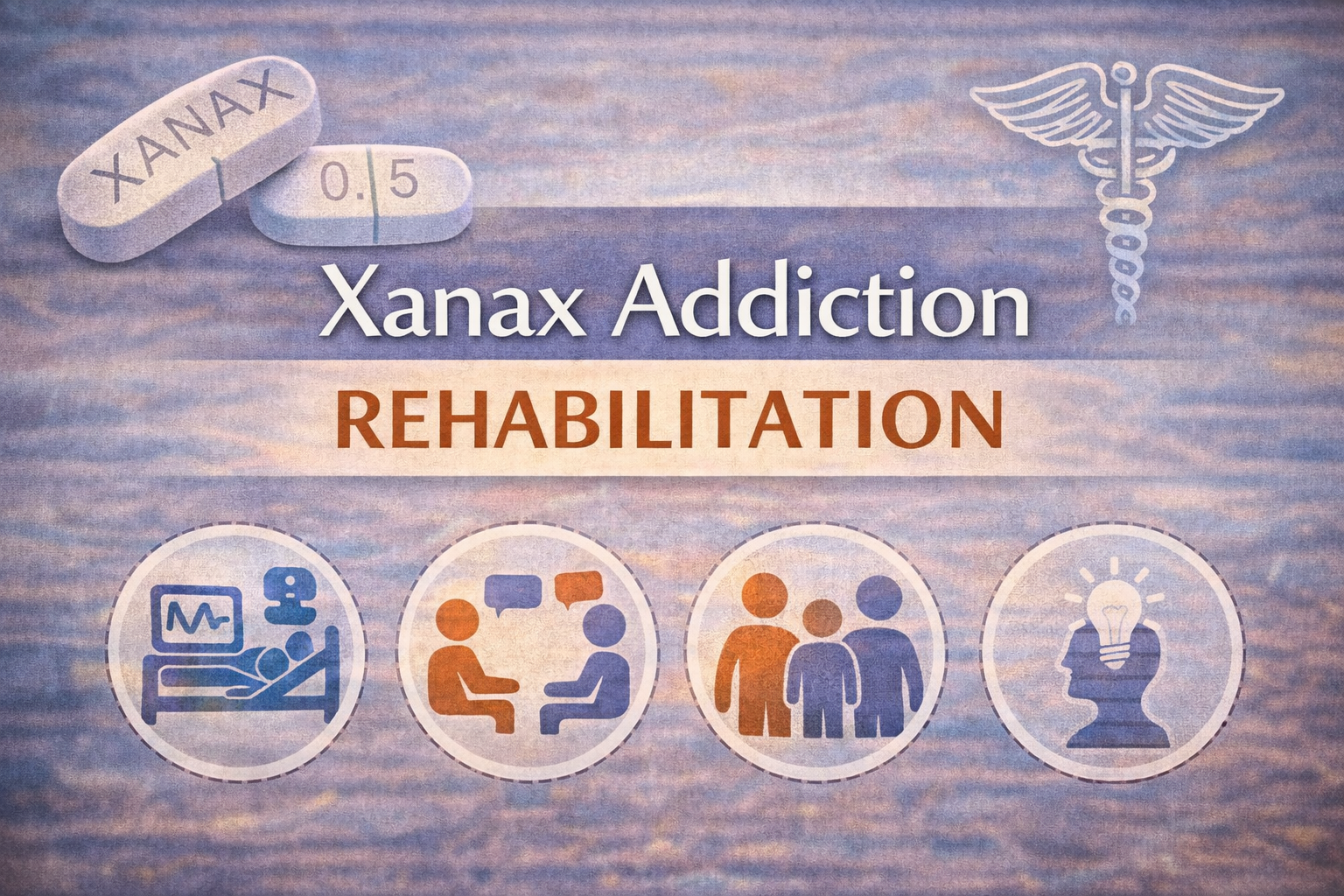
Xanax Addiction Rehabilitation

Xanax addiction is a growing concern as the medication is widely prescribed for anxiety and panic disorders. Although effective when used properly, misuse can lead to dependence, withdrawal symptoms, and difficulty functioning without the drug. Because Xanax affects the central nervous system, rehabilitation typically requires medical supervision and psychological support to safely manage withdrawal and … Read more

Technology Use and Mental Health

Technology plays a central role in modern life, shaping how people communicate, work, learn, and relax. While smartphones, social media, and digital platforms provide connection and convenience, excessive or unstructured use can contribute to anxiety, depression, sleep disruption, and attention difficulties. Understanding technology’s impact on mental health requires a balanced view that recognizes both its … Read more

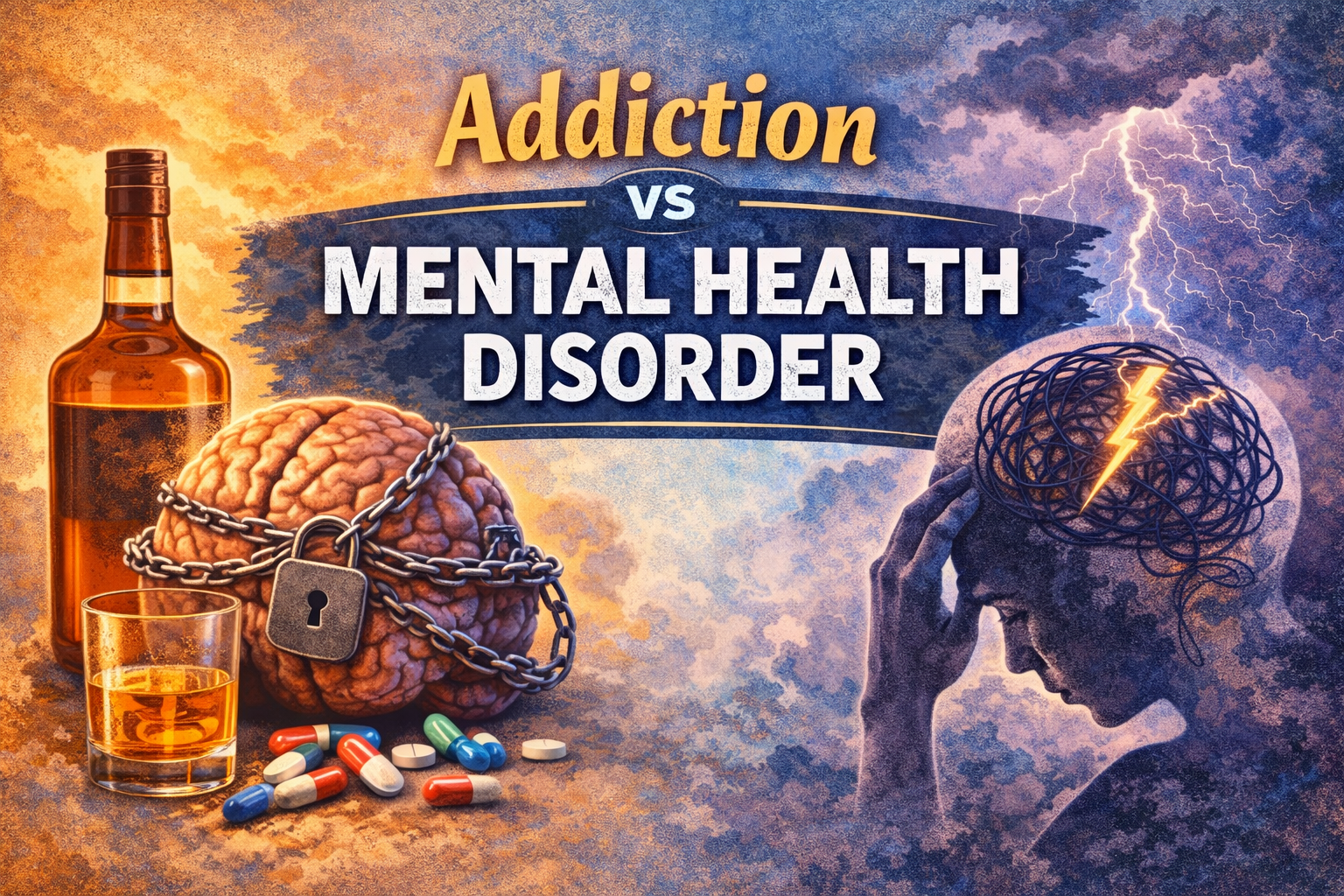
Addiction versus Mental Disorder

Addiction and mental health disorders are closely related yet distinct conditions that significantly impact an individual’s thoughts, emotions, and behaviors. Addiction, often referred to clinically as a Substance Use Disorder (SUD), is characterized by compulsive substance use despite harmful consequences and involves measurable changes in brain structure and function. Mental health disorders, such as depression, … Read more

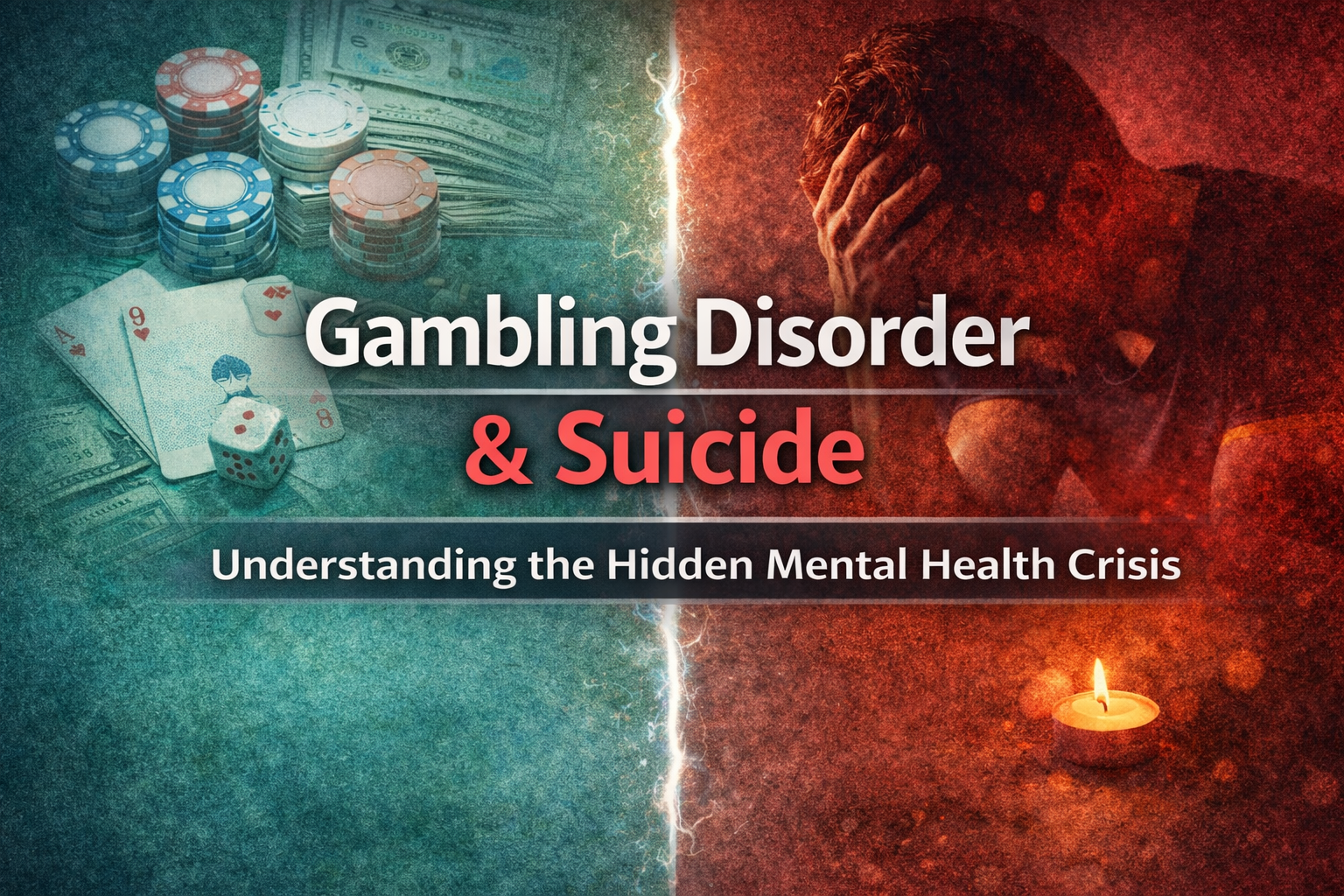
Gambling Disorder and Suicide

Gambling disorder is a serious behavioral addiction that can profoundly affect emotional well-being, finances, and relationships. Over time, mounting debt, secrecy, guilt, and social isolation can create intense psychological distress. When these pressures combine with depression, anxiety, or impulsivity, individuals may begin to feel trapped and hopeless—states strongly associated with suicidal thoughts. Understanding how gambling … Read more

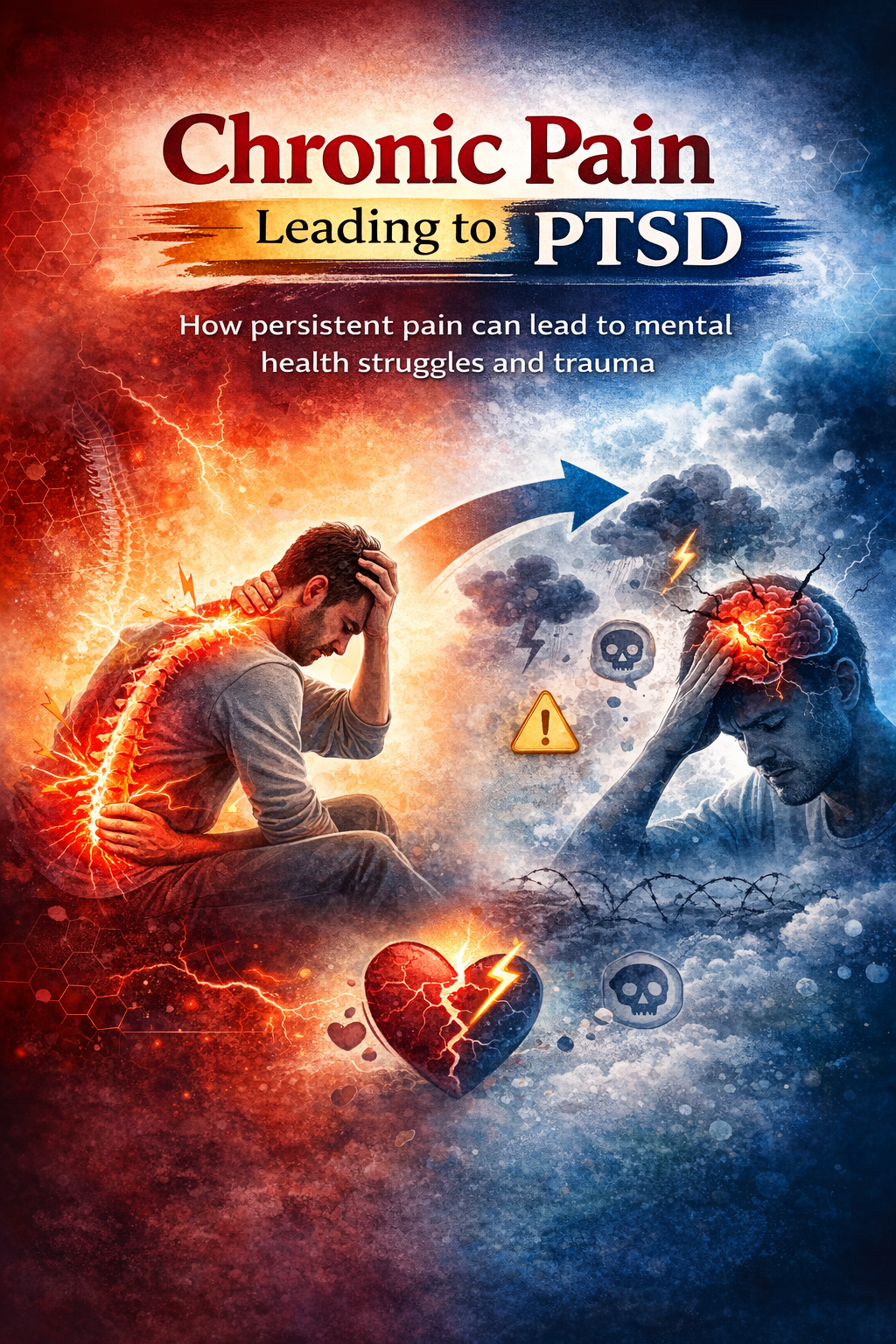
Can Chronic Pain Lead To PTSD?

Chronic pain brings more than just physical challenges. Dealing with it day after day can affect how you think, feel, and live. Something I’ve learned while reading research and talking to people grappling with ongoing pain is that the impact often goes beyond just the aches; you can also spot patterns that look a lot … Read more

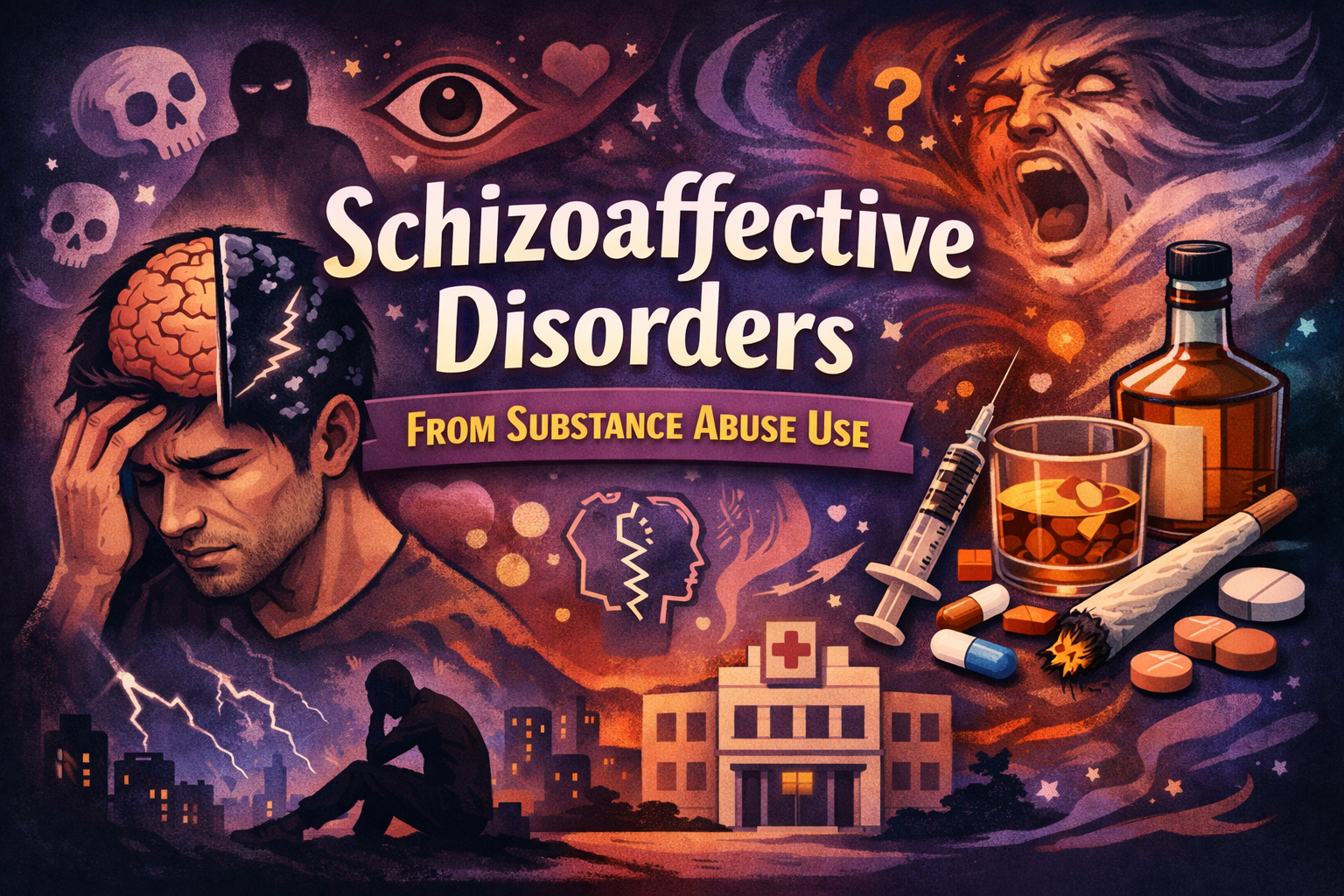
Addiction and Schizoaffective Risk

Substance abuse can disrupt brain systems that regulate mood, perception, and cognition—functions also affected in schizoaffective disorders. Drugs that alter dopamine, serotonin, and glutamate may trigger psychosis, mood instability, or both, especially in people with genetic vulnerability, trauma history, or chronic stress. While substances don’t always directly cause the disorder, they can hasten onset, worsen … Read more