Manipulation in Addiction Disease

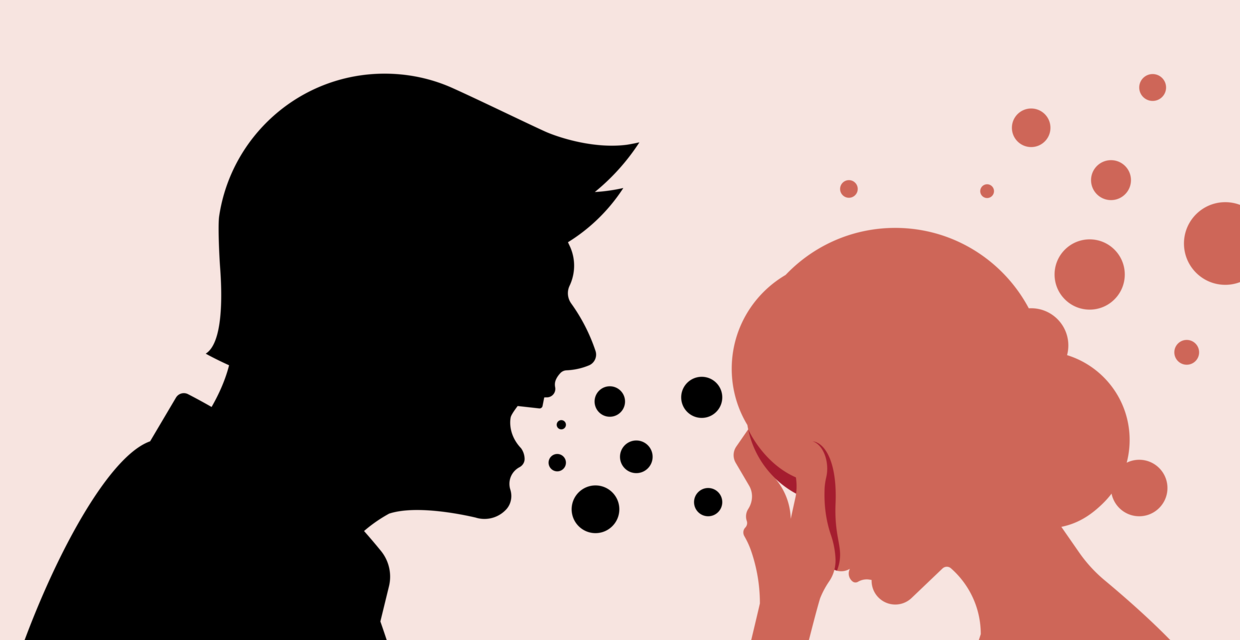
Navigating the complex landscape of addiction often involves grappling with manipulative behaviors that individuals employ to sustain their substance use. Manipulation, within the context of addiction, encompasses a spectrum of deceptive tactics that strain relationships and hinder recovery. The neuroscience of addiction reveals alterations in the brain’s reward pathways and compromised decision-making functions, shedding light … Read more

Smoking vs. Drugs & Alcohol

In recovery from drugs and alcohol, the potential substitution of smoking emerges as a noteworthy challenge. Smoking, often seen as a coping mechanism, can intertwine with the recovery journey, posing hurdles to sustained wellness. This exploration delves into self-management, family support, and community resources as crucial elements in addressing the impact of smoking substitution. By … Read more

Attraction to Toxic Relationships

The allure of toxic relationships poses challenges, especially in the context of addiction and recovery. This phenomenon is shaped by psychological, neurobiological, and social factors. Understanding its occurrence requires exploring changes in neuroscience, self-management strategies, family dynamics, and community resources. As individuals navigate the complexities of recovery, preventing entanglement with toxic relationships becomes crucial. A … Read more

Surrendering to Addiction Therapy

The surrendering model, integral to addiction recovery, centers on acknowledging powerlessness and embracing spiritual principles. Advantages include profound spiritual growth and lasting recovery. Ethical dilemmas pose challenges that require effective self-management. Family support and community resources become crucial in navigating this transformative journey. In essence, the surrendering model offers a pathway to profound transformation and … Read more

Healthy Relationship with an Addict

Building a healthy relationship with an individual in addiction recovery requires a foundation of understanding, clear boundaries, mutual respect, and effective communication. Establishing boundaries is not about control but instead about creating a supportive environment that nurtures both individuals. Mutual respect ensures that the recovery journey is acknowledged and valued. Open and honest communication becomes … Read more

Addicts’ Behaviors in Relationships

Navigating typical addict behavior in relationships necessitates a holistic approach, involving self-management, family support, and community resources. Substance abuse strains relationships, influencing both individuals and their loved ones. Self-management focuses on personal resilience, family support fosters understanding, and community resources offer external assistance. This comprehensive framework addresses the challenges posed by addictive behavior, fostering healthier … Read more

Social Relationship with an Addict

Navigating an addict’s behavior and recovery involves a multifaceted approach that extends beyond individual efforts. Social relationships, including family and community interactions, are crucial in shaping the recovery journey. This introduction explores the intricate interplay between an addict’s social relationships, self-management strategies, family support, and community resources. As we delve into these aspects, we aim … Read more

Spouse’s Role with an Addict

A spouse’s relationship with an individual battling addiction demands a comprehensive approach. This involves cultivating self-management strategies for emotional well-being, seeking family support to strengthen relationships, and tapping into community resources to build a robust support network. Spouses play a vital role in the recovery process, and this introduction explores the key elements of self-management, … Read more

Children of Alcoholics and Addicts

Children of parents with alcohol or drug addiction face unique challenges in their emotional and social development. To prevent them from following a path similar to their parents’, a combination of self-management, family support, and community resources is essential. These strategies empower them to navigate their emotions independently, foster a stable family environment, and connect … Read more

Children affected by Alcoholism

Growing up as an “alcoholic child” in homes affected by parental alcoholism has shaped individuals into roles like caretaker or hero to cope. As these individuals transition to adulthood, these roles can impact their relationship with alcohol, potentially leading to alcoholism. Yet, within these challenges lies the potential for prevention. Self-management strategies offer personal resilience, … Read more