Youth Addiction and Brain Changes
Addiction disrupts brain development, affecting memory, decision-making, and impulse control. It also causes withdrawal and mood swings. Prevention involves government policies, self-management, family support, and community resources, helping youths build resilience and make healthy choices. How Teen Addiction Disrupts Brain Development Adolescence is a crucial period for brain development, with key regions still maturing well … Read more


Science-Based Addiction Therapy

Science-based addiction treatment uses medical, psychological, and behavioral approaches like MAT and CBT to support recovery. While effective, it raises ethical concerns about autonomy, privacy, and access, alongside challenges like high costs and medication dependence. Success also relies on self-management, family support, and community resources to promote long-term sobriety. The Science Behind Effective Addiction Treatment … Read more

Teen Screening for Addiction

Screening teens for addiction and mental health enables early intervention and prevention. It helps detect behavioral, emotional, and physical warning signs before they escalate. Self-management strategies, like stress management, along with family support and community resources, provide crucial guidance and care. A combined approach ensures better mental health and addiction prevention for teens. The Importance … Read more

Weight-Loss Drugs for Alcoholism

Weight loss medications, while designed for obesity, are being explored for managing alcoholism, particularly for individuals facing both alcohol use disorder and weight issues. These medications may help reduce cravings and improve impulse control, but their use raises ethical concerns, such as dependency and misuse. Effective treatment requires more than medication, with self-management strategies, family … Read more

Withdrawal From Alcohol Safely

Alcohol withdrawal impacts both body and mind. This guide offers tips for safely managing the challenges of cutting back or quitting alcohol. Many people decide to withdraw from alcohol for various reasons, from health concerns to personal goals. However, the process is not as simple as just stopping drinking overnight. It requires careful planning, support, … Read more

The Impact of AUD on Pregnancy

Alcohol consumption during pregnancy can lead to severe risks, including fetal alcohol spectrum disorders (FASDs) and developmental delays. To prevent these issues, self-management strategies empower expectant mothers through education on alcohol’s effects and healthy lifestyle choices. Family support is crucial, with loved ones encouraging and engaging in healthy activities together. Community resources enhance prevention by … Read more

GLP-1 RA Therapy for AUD

GLP-1 receptor agonist (GLP-1 RA) therapy is an innovative treatment for alcohol use disorder (AUD), initially designed for diabetes and obesity. This therapy can reduce alcohol consumption, decrease cravings, and improve metabolic health. However, it has challenges, including side effects, individual variability, and ethical concerns related to informed consent and off-label use. Community resource strategies, … Read more

Adult Children of Alcoholics

Parental alcoholism can profoundly affect older children, leading to emotional struggles, trust issues, and boundary-setting difficulties. Self-management strategies, like setting boundaries and practicing self-care, are crucial for coping. Family support fosters open communication and helps avoid enabling behaviors, while community resources, such as support groups and counseling, provide essential external support. These approaches collectively aid … Read more

Intensive Outpatient Program

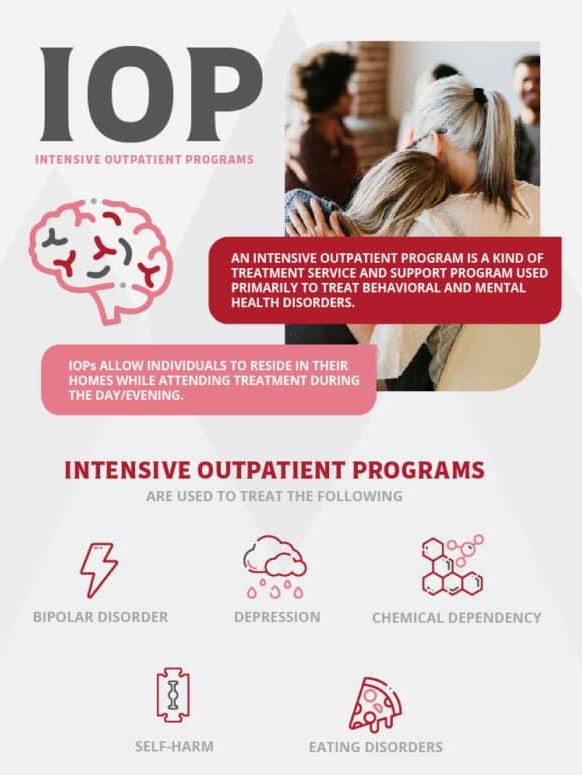
Intensive Outpatient Programs (IOPs) provide structured addiction treatment with flexibility for individuals to maintain daily routines. Offering more support than traditional outpatient therapy but less than inpatient care, IOPs include a range of therapies and peer support. However, challenges such as limited crisis support, varying program quality, and ethical issues related to autonomy can arise. … Read more

Grieving the death of an addict

Grieving the loss of a loved one, mainly due to an overdose, is a complex and painful journey that can leave individuals feeling isolated and overwhelmed. Coping effectively requires a multifaceted approach that includes self-management strategies, family support, and community resources. Self-management techniques help individuals navigate their grief through emotional regulation and reflection. Family support … Read more