Medications for Alcoholism
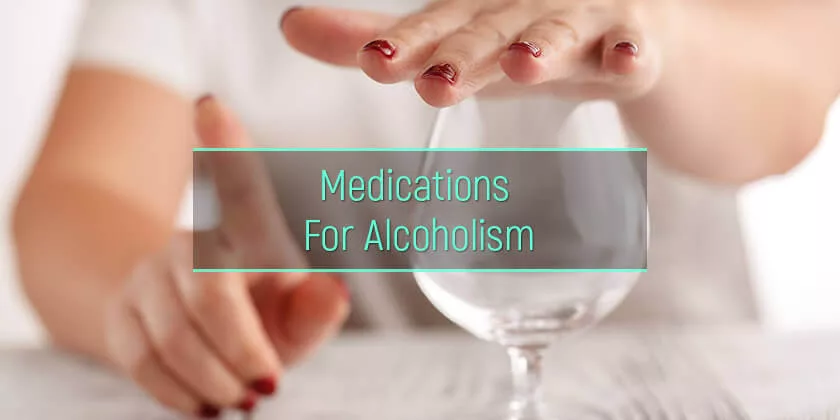
Alcohol use disorder treatment employs medication-assisted strategies crucial in supporting recovery. Medications like disulfiram, acamprosate, and naltrexone offer unique mechanisms for abstinence. Examining their uses and pathophysiology reveals the intricate interplay of biological and psychological factors in alcohol dependence. Despite benefits, potential side effects necessitate careful monitoring and personalized care. Alongside pharmacological interventions, alternative methods … Read more
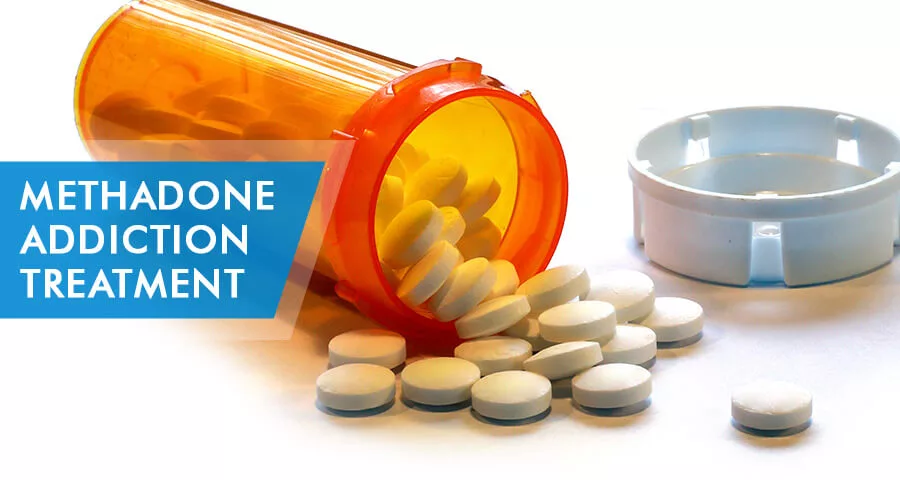
Methadone treatment for Addiction

Methadone, a synthetic opioid with a complex pharmacological profile, stands as a cornerstone in the treatment landscape for opioid use disorder. Widely recognized for its role in medication-assisted treatment, methadone serves as a valuable tool in reducing cravings and withdrawal symptoms, enabling individuals to embark on the path to recovery. As we explore the uses … Read more

Sublocade treatment for Addiction

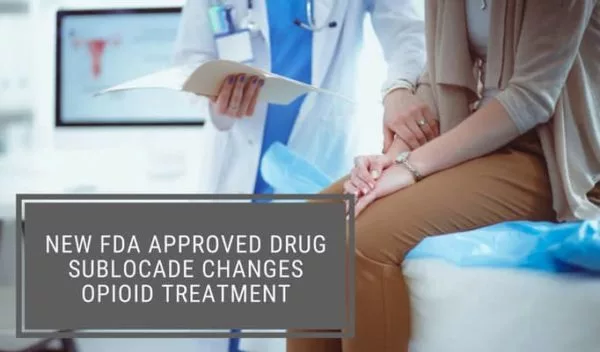
Sublocade, a noteworthy advancement in the landscape of addiction treatment, represents an extended-release formulation of buprenorphine, a partial opioid agonist utilized in addressing opioid use disorder. This medication stands out for its unique delivery mechanism, offering a monthly injectable alternative to traditional daily medications. By binding to opioid receptors in the brain, Sublocade mitigates cravings … Read more

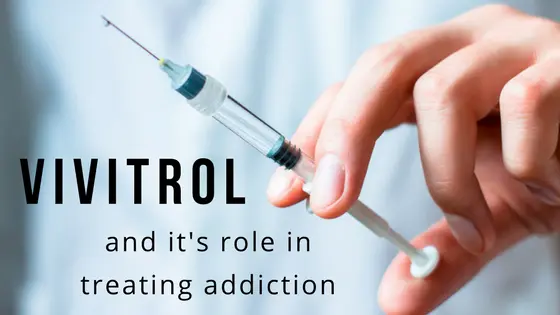
Vivitrol treatment for Addiction

Vivitrol, a notable medication in the realm of addiction treatment, stands as an extended-release formulation of naltrexone, an opioid receptor antagonist. Widely employed in the management of both opioid and alcohol use disorders, Vivitrol offers a unique approach to addiction therapy. By effectively blocking opioid receptors, it acts as a formidable deterrent, impeding the reinforcing … Read more

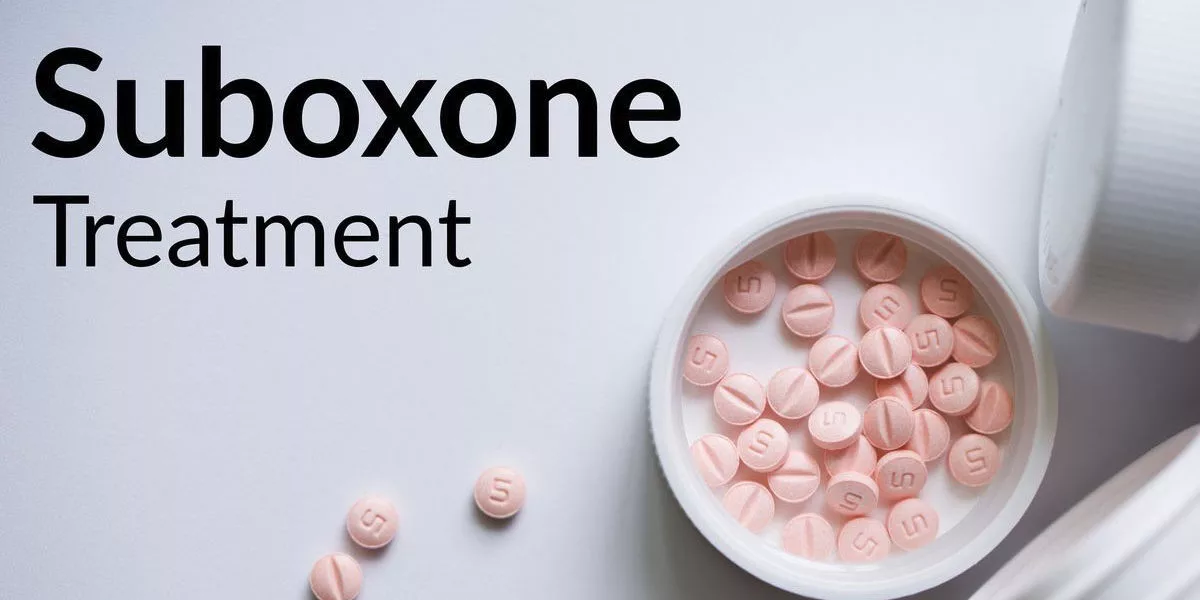
Suboxone treatment for Addiction

Suboxone, a medication combining buprenorphine and naloxone, stands as a pivotal tool in the complex landscape of addiction therapy, specifically addressing opioid use disorder. This formulation serves a dual purpose by leveraging buprenorphine’s partial opioid agonist properties to alleviate cravings and withdrawal symptoms, while the addition of naloxone acts as a deterrent to misuse. As … Read more

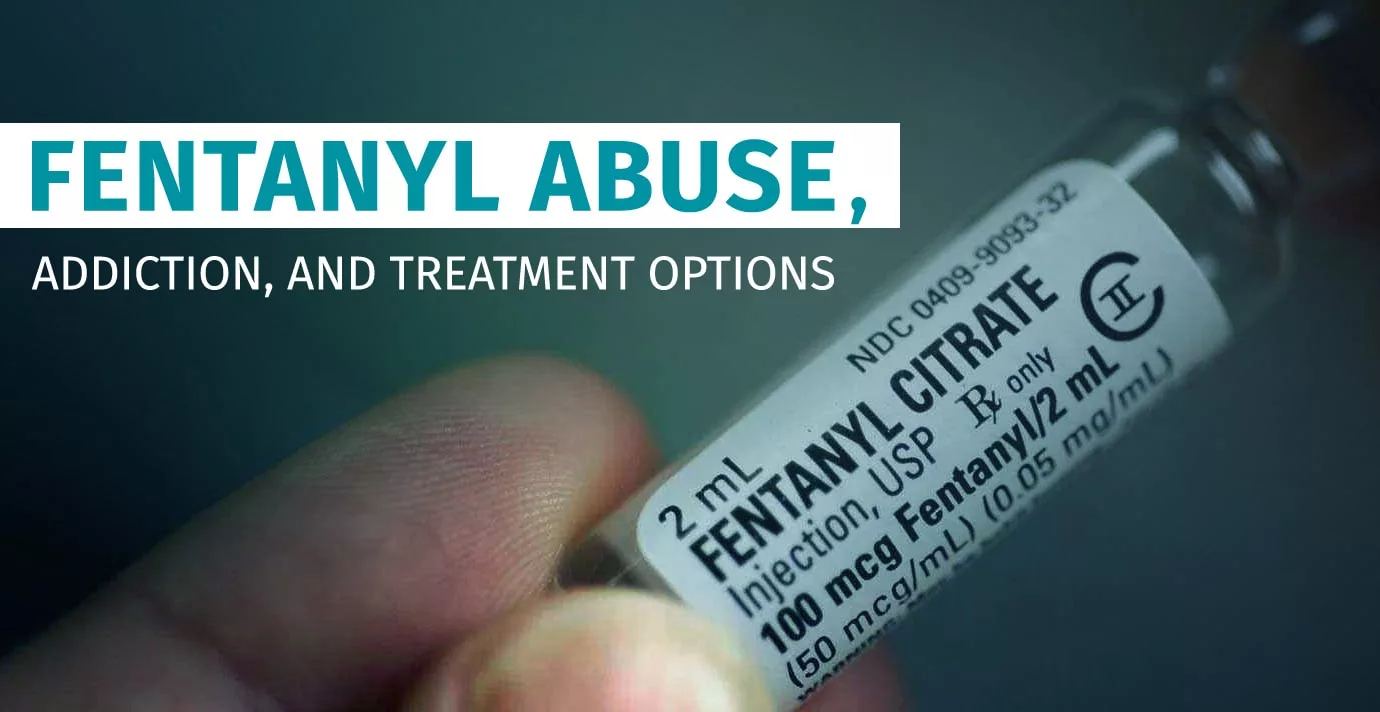
Vaccine for Fentanyl Addiction

Fentanyl, a potent synthetic opioid, has become a key contributor to the global opioid epidemic, presenting significant challenges to public health. Its exceptional potency, surpassing even that of morphine and heroin, plays a pivotal role in opioid-related overdoses and fatalities. By binding to receptors in the brain and spinal cord, fentanyl induces powerful analgesic effects. … Read more

Stigma of Addiction Medication Use

The low utilization of opioid use disorder (OUD) medications reflects a complex interplay of factors, including anti-medication beliefs and the prevailing notion that using medication is merely substituting one drug for another. Additionally, the perspective that medication should only serve as a short-term bridge to total abstinence poses a significant barrier to the widespread acceptance … Read more

EMDR Therapy and Addiction

EMDR, renowned for its effectiveness in trauma therapy, leverages bilateral stimulation to process distressing memories, making it a powerful tool for navigating trauma complexities. This exploration delves into EMDR’s nuanced landscape, exploring its advantages, drawbacks, overall effectiveness, potential side effects, costs, availability, and community resources—guiding individuals on their therapeutic journey. Exploring the Role of EMDR … Read more

Addiction Treatment Financial Cost

Addiction’s financial impact includes not just acquiring substances but also the costs of treatment. It’s a complex health issue affecting individuals and societal structures, impacting healthcare, legal systems, and overall productivity. Recovery involves crucial expenses for medical treatments, therapy support, and societal consequences. Understanding these financial aspects is vital for individuals and communities addressing addiction … Read more

Imprisonment as Rehabilitation

The incarceration of individuals struggling with addiction has long been a subject of debate and scrutiny. While imprisonment is intended to serve as a deterrent and a means of rehabilitation, it often falls short in effectively addressing the complex issue of addiction. This introduction will explore the reasons behind the imprisonment of drug addicts, the … Read more