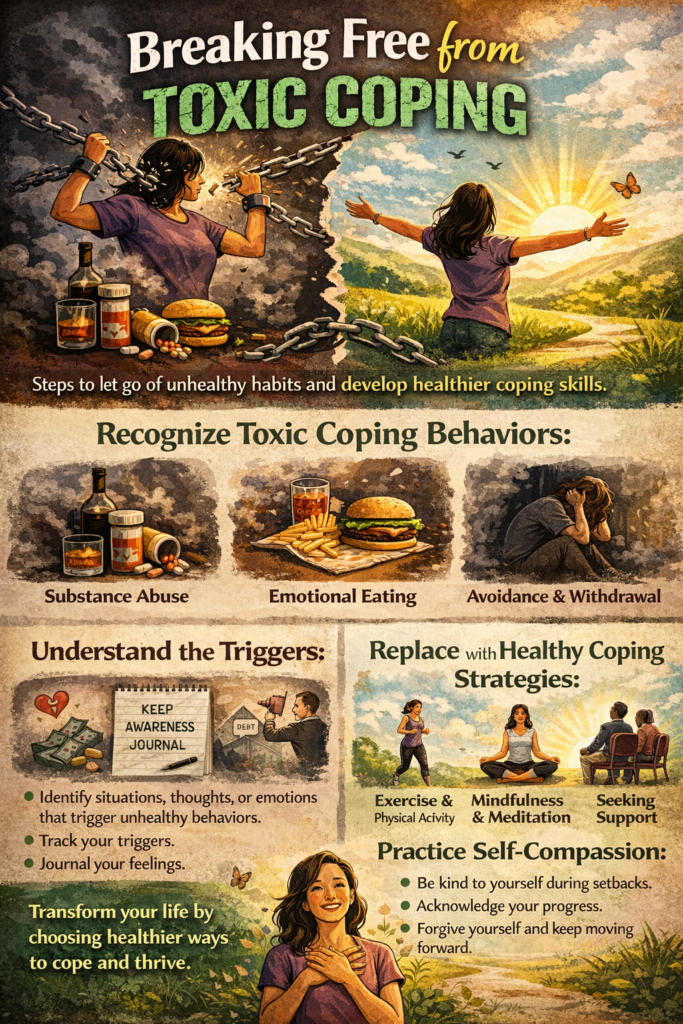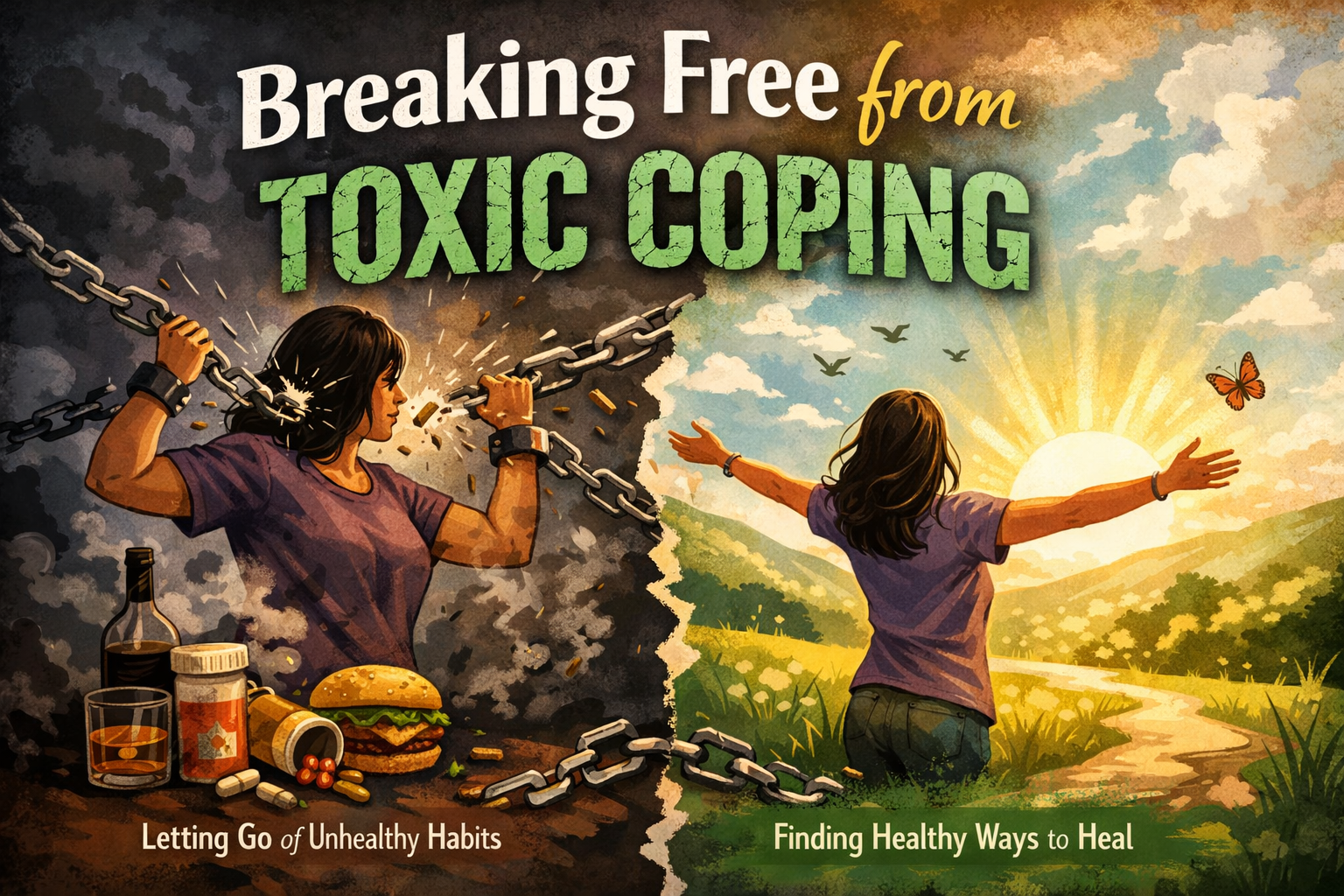
Many people develop coping strategies to deal with stress, emotional pain, or difficult life experiences. While some coping methods are healthy and promote emotional growth, others can become harmful over time. These harmful behaviors, often called toxic coping, may include avoidance, substance use, emotional withdrawal, or other actions used to escape difficult feelings. Although these behaviors may provide temporary relief, they often prevent individuals from addressing the root causes of their struggles. Understanding toxic coping is the first step toward change, allowing individuals to recognize harmful patterns and begin developing healthier ways to manage emotions and challenges.
Understanding Toxic Coping: When Survival Strategies Become Harmful
Everyone develops ways to deal with stress, pain, and difficult emotions. These methods are known as coping strategies. While some coping methods are healthy and promote emotional well-being, others can become harmful over time. These harmful responses are often referred to as toxic coping—patterns of behavior people use to escape or numb emotional pain that ultimately create more problems than they solve.
Toxic coping often develops as a survival response to overwhelming stress, trauma, or emotional challenges. Although these behaviors may temporarily reduce discomfort, they can lead to long-term emotional, mental, and physical consequences.
What Is Toxic Coping?
Toxic coping refers to unhealthy behaviors people use to manage stress or emotional distress. Instead of addressing the underlying problem, these behaviors often involve avoiding or suppressing emotions. Over time, toxic coping can create cycles of dependence, guilt, and worsening mental health.
Some common examples of toxic coping include:
- Substance misuse, such as alcohol or drugs
- Emotional avoidance or denial
- Excessive social media use or gaming to escape reality
- Aggression or emotional outbursts
- Overworking to avoid personal problems
- Isolation from friends or family
Although these behaviors may provide short-term relief, they often prevent individuals from addressing the root causes of their stress.
Why Toxic Coping Develops
Toxic coping strategies usually develop when individuals lack healthy tools for managing difficult emotions. This can occur for many reasons, including childhood experiences, family environments, trauma, or prolonged stress.
For example, people who grow up in environments where emotions are ignored or punished may learn to suppress their feelings rather than express them in healthy ways. Others may witness unhealthy coping behaviors in family members and unconsciously adopt similar patterns.
In many cases, toxic coping begins as an attempt to survive emotionally challenging situations.
The Connection Between Toxic Coping and Addiction
Toxic coping is closely connected to addiction. When individuals repeatedly rely on substances or behaviors to escape emotional discomfort, those behaviors can become habits and eventually develop into dependence.
For instance, someone who drinks alcohol to manage stress may gradually rely on it more frequently. Over time, the behavior may shift from occasional relief to a consistent method of avoiding emotional pain.
Recognizing this connection is important because addressing toxic coping patterns can play a key role in preventing or overcoming addiction.
Replacing Toxic Coping with Healthy Strategies
Breaking toxic coping patterns involves learning healthier ways to manage emotions and stress. Healthy coping strategies focus on addressing problems directly rather than avoiding them.
Examples of healthier coping methods include:
- Talking with trusted friends, family members, or counselors
- Practicing mindfulness, meditation, or relaxation techniques
- Engaging in physical activity or creative hobbies
- Journaling to process thoughts and emotions
- Seeking professional mental health support when needed
Developing healthy coping skills takes time, but each step helps build emotional resilience and stability.
Moving Toward Healthier Healing
Toxic coping behaviors often develop from a place of pain, stress, or unresolved trauma. Recognizing these patterns is the first step toward change. By replacing harmful coping mechanisms with healthier strategies and supportive relationships, individuals can begin to manage challenges in more constructive ways.
Healing does not happen overnight, but understanding toxic coping allows people to move from survival-based behaviors toward healthier, more sustainable ways of living and recovering.
Breaking Free from Toxic Coping: Self-Management Strategies for Healthier Living
Toxic coping develops when people rely on unhealthy behaviors to manage stress, emotional pain, or difficult life situations. These coping patterns may temporarily reduce discomfort, but over time, they often create deeper emotional struggles and can even lead to addiction or mental health challenges. Learning self-management strategies is an important step in recognizing these behaviors and replacing them with healthier ways of responding to stress and emotions.
Self-management focuses on developing awareness, emotional control, and practical skills that allow individuals to handle challenges without relying on harmful coping mechanisms.
Recognizing Toxic Coping Patterns
The first step in breaking free from toxic coping is self-awareness. Many people develop coping habits without realizing how harmful they have become. Reflecting on behaviors and emotional responses can help individuals identify patterns that may be damaging their well-being.
Signs of toxic coping may include:
- Using substances to escape emotional pain
- Avoiding problems instead of addressing them
- Reacting to stress with anger or emotional shutdown
- Isolating from supportive relationships
- Relying on distractions that prevent emotional healing
By recognizing these patterns, individuals can begin to understand how their coping methods affect their mental and emotional health.
Developing Emotional Awareness
Emotional awareness is another key self-management skill. Many toxic coping behaviors occur when people struggle to identify or express their emotions. Instead of processing feelings such as sadness, stress, or frustration, they may attempt to suppress or escape them.
Practicing emotional awareness involves:
- Identifying and naming emotions when they arise
- Understanding what triggers certain emotional responses
- Allowing emotions to be acknowledged rather than avoided
Learning to recognize emotions helps individuals respond to them in healthier and more constructive ways.
Building Healthy Coping Skills
Replacing toxic coping requires developing positive coping strategies that support emotional stability and resilience. Healthy coping methods help individuals address challenges without harming themselves or their relationships.
Some helpful strategies include:
- Practicing mindfulness or meditation to reduce stress
- Engaging in regular physical activity
- Journaling to process thoughts and emotions
- Talking with supportive friends, family members, or counselors
- Participating in hobbies or creative activities that promote relaxation
These strategies provide healthier outlets for managing stress and emotional difficulties.
Setting Boundaries and Reducing Triggers
Another important self-management strategy is learning to set boundaries and identify situations that trigger unhealthy coping behaviors. Stressful environments, unhealthy relationships, or unresolved conflicts can increase the likelihood of toxic coping.
Setting boundaries may involve:
- Limiting exposure to stressful or harmful situations
- Communicating personal needs clearly
- Creating routines that support mental and emotional balance
By managing triggers and establishing boundaries, individuals can protect their well-being and maintain healthier coping habits.
Moving Toward Healthier Coping
Breaking free from toxic coping is a gradual process that requires patience, support, and commitment. Self-management strategies help individuals build the awareness and skills needed to replace harmful habits with healthier responses.
Although toxic coping patterns may develop over time, they can be changed. With consistent effort and support, individuals can move beyond survival-based behaviors and develop stronger, healthier ways of managing stress and emotional challenges.
Healing Together: Family Support Strategies to Break Free from Toxic Coping
Toxic coping often develops when individuals face stress, trauma, or emotional pain without healthy tools to manage their feelings. While these behaviors may begin as a way to survive difficult situations, they can eventually lead to harmful patterns that affect both individuals and their relationships. Because coping behaviors are often shaped within family environments, family support plays a crucial role in helping individuals break free from toxic coping patterns and develop healthier ways of responding to life’s challenges.
When families work together to understand toxic coping and provide supportive environments, they can help create lasting change and emotional healing.
Understanding Toxic Coping as a Family
One of the most important steps families can take is learning about toxic coping behaviors and how they develop. Sometimes families unintentionally reinforce harmful coping patterns by ignoring emotional struggles, minimizing problems, or modeling unhealthy ways of dealing with stress.
By educating themselves about toxic coping, families can better recognize warning signs such as:
- Avoidance of difficult emotions
- Substance use as a way to escape stress
- Anger, withdrawal, or emotional shutdown
- Overdependence on distractions to avoid problems
Understanding these behaviors allows families to respond with empathy and support rather than blame or judgment.
Creating a Safe and Supportive Environment
A supportive family environment can make a significant difference in helping someone change harmful coping patterns. When individuals feel emotionally safe, they are more likely to express their struggles and seek help.
Families can create supportive environments by:
- Encouraging open and honest conversations
- Listening without criticism or immediate judgment
- Showing patience during the recovery process
- Recognizing and celebrating small improvements
Emotional safety allows individuals to explore healthier coping strategies without fear of rejection.
Encouraging Healthy Communication
Healthy communication is a key strategy for addressing toxic coping behaviors. In families where communication is limited or conflict is common, individuals may turn to harmful coping methods to avoid emotional discomfort.
Families can support change by practicing:
- Active listening when someone expresses their feelings
- Calm discussions about challenges and concerns
- Respectful expression of emotions and boundaries
These communication strategies help build trust and strengthen relationships within the family.
Supporting Healthy Coping Strategies
Families can also encourage healthier coping strategies by promoting activities and habits that support emotional well-being. Positive behaviors often become easier to maintain when family members participate together.
Examples include:
- Encouraging physical activity or outdoor activities
- Supporting hobbies and creative outlets
- Practicing relaxation or mindfulness techniques together
- Encouraging professional counseling or therapy when needed
When families support healthy coping habits, they help replace harmful patterns with constructive alternatives.
Setting Healthy Boundaries
Family support does not mean tolerating harmful behaviors. Setting clear and healthy boundaries is an important part of helping individuals break free from toxic coping patterns.
Healthy boundaries may include:
- Refusing to support behaviors that cause harm
- Encouraging responsibility for personal choices
- Protecting the emotional well-being of other family members
Boundaries help create accountability while still maintaining compassion and support.
Moving Toward Healing as a Family
Breaking free from toxic coping is not only an individual journey—it is often a family process of growth and healing. When families learn supportive strategies, communicate openly, and promote healthier behaviors, they create an environment where lasting change becomes possible.
With understanding, patience, and consistent support, families can help individuals replace toxic coping patterns with healthier ways of managing stress and emotions. In doing so, they strengthen relationships and create a foundation for long-term emotional well-being.
Community Resource Strategies for Breaking Free from Toxic Coping
Toxic coping behaviors often develop when individuals face stress, trauma, or emotional challenges without access to healthy support systems. While personal awareness and family support are important, community resources also play a vital role in helping individuals replace harmful coping behaviors with healthier strategies. Communities provide education, support networks, and professional services that empower individuals to manage stress and emotional struggles in more constructive ways.
By connecting people to resources and supportive environments, communities can help individuals move away from toxic coping patterns and toward long-term emotional well-being.
Access to Education and Awareness Programs
Education is a key step in recognizing and addressing toxic coping behaviors. Many communities offer workshops, seminars, and informational programs that help individuals understand how stress, trauma, and addiction can influence coping strategies.
Educational programs often focus on:
- Recognizing unhealthy coping behaviors
- Learning stress-management techniques
- Understanding the connection between mental health and coping strategies
- Developing emotional awareness and resilience
These programs can help individuals identify harmful habits and learn practical tools for managing life’s challenges more effectively.
Support Groups and Peer Networks
Support groups provide safe spaces where individuals can share their experiences, learn from others, and receive encouragement during difficult times. Peer support can be especially valuable because people often feel more comfortable discussing challenges with others who have faced similar struggles.
Community support groups may help individuals:
- Build healthier coping skills
- Reduce feelings of isolation
- Gain encouragement and accountability
- Learn practical recovery strategies from others
These groups create connections that promote healing and personal growth.
Access to Counseling and Mental Health Services
Professional counseling and mental health services are essential resources for individuals trying to break free from toxic coping patterns. Therapists and counselors can help individuals explore underlying emotional challenges, trauma, or stress that contribute to harmful coping behaviors.
Through counseling, individuals can learn to:
- Identify emotional triggers
- Develop healthier coping strategies
- Improve emotional regulation and problem-solving skills
- Address underlying mental health concerns
Access to professional support enables individuals to receive guidance and tools to sustain lasting behavioral change.
Community Wellness and Prevention Programs
Many communities offer wellness programs that encourage healthy lifestyles and stress management. Activities such as fitness programs, mindfulness workshops, and recreational groups provide constructive outlets for managing emotions and reducing stress.
Examples of community wellness initiatives include:
- Physical fitness and wellness programs
- Mindfulness or meditation classes
- Art, music, or creative therapy programs
- Youth mentorship and prevention programs
These activities encourage individuals to replace toxic coping behaviors with positive and engaging alternatives.
Building Strong Community Support Systems
Communities that prioritize mental health awareness and support services can significantly reduce the impact of toxic coping behaviors. Local organizations, healthcare providers, schools, and community leaders often work together to connect individuals with the resources they need.
Strong community networks can:
- Increase access to mental health and recovery services
- Provide early intervention and prevention programs
- Promote awareness about healthy coping strategies
- Support individuals and families affected by addiction or stress-related challenges
When communities actively support mental and emotional well-being, they create environments where healthier coping becomes more accessible.
Moving Toward Healthier Coping
Breaking free from toxic coping is not something individuals have to do alone. Community resources provide valuable tools, support networks, and professional guidance to help individuals build healthier ways to manage stress and emotional challenges.
Through education, counseling, peer support, and wellness programs, communities can empower individuals to replace harmful coping patterns with positive habits. With the support of strong community resources, people can move toward healthier lifestyles and long-term emotional resilience.
Frequently Asked Questions
Here are some common questions:
1. What is toxic coping?
Toxic coping refers to unhealthy behaviors people use to deal with stress, emotional pain, or difficult situations. These behaviors may provide temporary relief but often create additional emotional, physical, or social problems over time.
2. What are common examples of toxic coping?
Some common examples include:
- Substance use or misuse
- Emotional avoidance or denial
- Excessive social media use or gaming to escape stress
- Isolation from friends and family
- Aggressive or impulsive behavior
- Overworking to avoid personal problems
These behaviors often prevent individuals from addressing the underlying issues causing stress.
3. Why do people develop toxic coping habits?
Toxic coping often develops when people experience stress, trauma, or emotional pain without healthy tools to manage their feelings. Sometimes individuals learn these behaviors from their environment, family patterns, or past experiences where healthier coping strategies were not available.
4. How can someone recognize toxic coping in their life?
Signs of toxic coping may include:
- Avoiding emotional problems instead of addressing them
- Feeling dependent on certain behaviors to manage stress
- Experiencing guilt, shame, or regret after coping behaviors
- Noticing that the behavior causes problems in relationships or daily life
Recognizing these patterns is the first step toward making positive changes.
5. Can toxic coping lead to addiction?
Yes, toxic coping can sometimes develop into addiction. When someone repeatedly uses substances or behaviors to escape emotional discomfort, the behavior may become habitual and eventually lead to dependence.
6. What are healthier alternatives to toxic coping?
Healthy coping strategies include:
- Talking with trusted friends, family members, or counselors
- Practicing mindfulness or relaxation techniques
- Engaging in physical exercise
- Journaling thoughts and emotions
- Participating in hobbies or creative activities
These strategies help individuals process emotions rather than avoid them.
7. How long does it take to break toxic coping habits?
Breaking toxic coping habits takes time and patience. Change usually happens gradually as individuals practice new coping strategies and develop healthier routines. Consistency and support from others can make the process more effective.
8. Do people need professional help to overcome toxic coping?
While some people can make changes on their own, professional support such as counseling or therapy can be very helpful, especially when toxic coping is connected to trauma, addiction, or long-term stress.
9. How can family and friends support someone trying to change toxic coping habits?
Loved ones can help by:
- Offering encouragement and understanding
- Listening without judgment
- Encouraging healthy activities
- Supporting professional help if needed
A supportive environment can make it easier for someone to develop healthier coping patterns.
10. Is recovery from toxic coping possible?
Yes, recovery is absolutely possible. With awareness, support, and healthier coping strategies, individuals can replace harmful behaviors with positive habits that promote emotional well-being and resilience.
Conclusion
Breaking free from toxic coping is a process that requires awareness, support, and a commitment to personal growth. By recognizing harmful coping behaviors and replacing them with healthier strategies such as open communication, emotional awareness, and supportive relationships, individuals can begin to heal from past stress and trauma. Recovery is not about achieving perfection but about making consistent efforts toward healthier responses to life’s challenges. With patience, guidance, and supportive environments, people can move beyond toxic coping patterns and build stronger foundations for long-term emotional well-being and resilience.
Video: This Is Why You Can’t Move Forward #ToxicCoping #Recovery