Recovery from addiction is a challenging and ongoing process that involves more than simply quitting substance use. Individuals often must rebuild their emotional health, relationships, daily routines, and sense of confidence. Although motivation and determination play an important role, many people face barriers that can make recovery more difficult. These obstacles may include emotional struggles such as anxiety, depression, or shame, as well as social stigma that discourages people from seeking help. Practical issues such as limited access to treatment, financial challenges, or transportation difficulties can also prevent individuals from receiving the support they need. Recognizing these barriers helps individuals, families, and communities better understand the challenges of recovery and work together to improve support systems and create environments that make recovery more possible and sustainable.
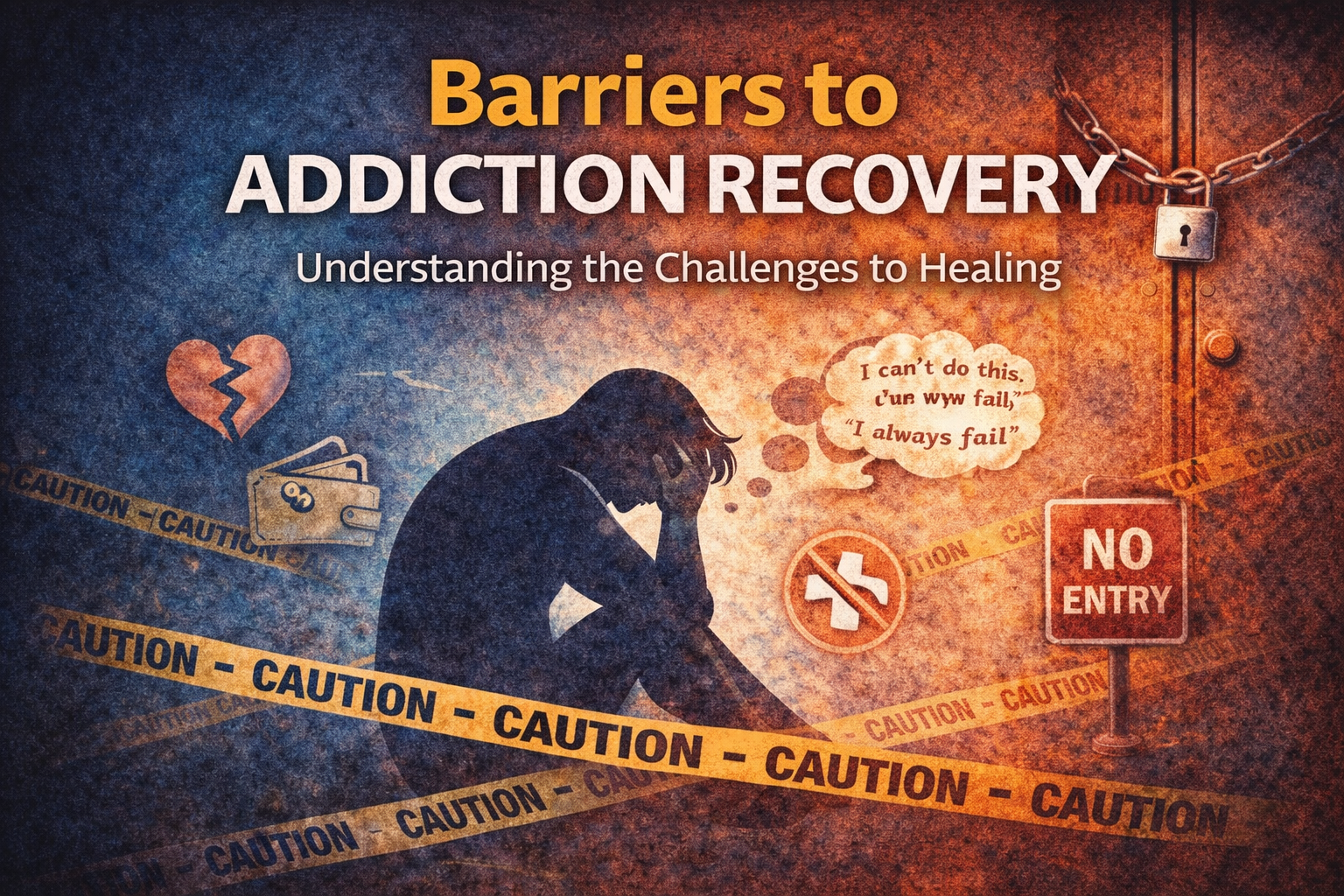
Barriers to Addiction Recovery: Understanding the Challenges to Healing
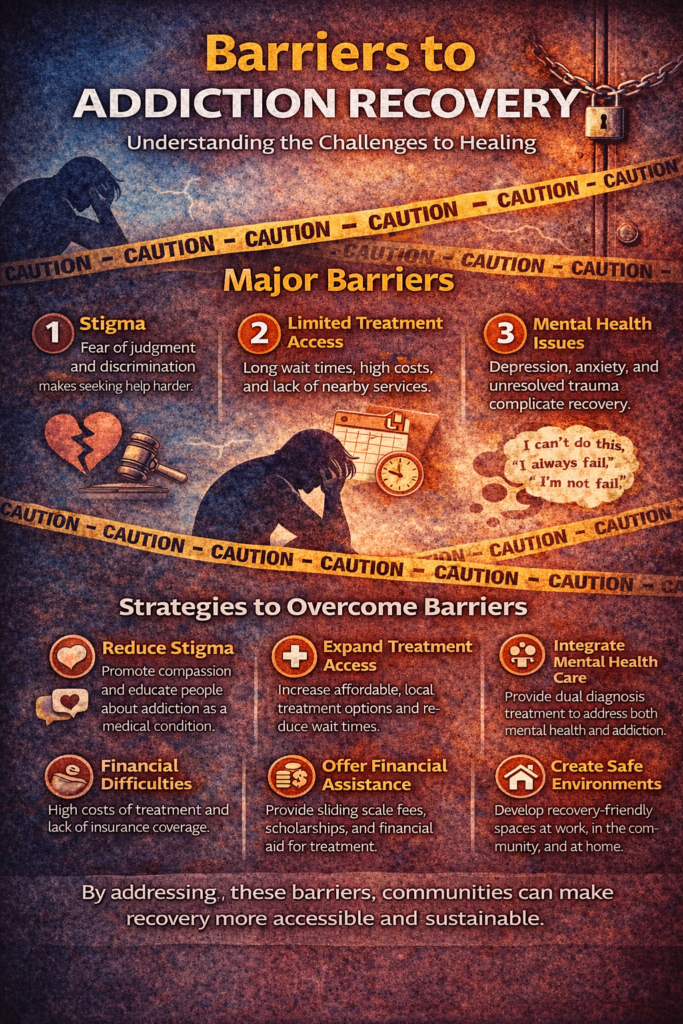
Addiction recovery is often described as a path toward healing, stability, and personal growth. However, for many individuals, the journey is far from simple. Numerous barriers to addiction recovery can make it difficult for people to begin treatment, maintain sobriety, or sustain long-term recovery. These barriers may include personal, social, economic, and systemic challenges that interfere with access to care and ongoing support. Understanding these obstacles is essential for developing more effective strategies to help individuals overcome addiction and build healthier lives.
Personal and Psychological Barriers
One of the most significant challenges in recovery comes from internal struggles. Individuals recovering from addiction often face emotional difficulties such as shame, guilt, fear, and low self-esteem. These feelings can make it difficult to ask for help or believe that recovery is possible.
Mental health conditions such as depression, anxiety, trauma, or post-traumatic stress disorder can also complicate recovery. When these issues remain untreated, they may increase the risk of relapse and make it harder for individuals to maintain progress.
Stigma and Social Judgment
Stigma surrounding addiction remains a major barrier to recovery. Many people struggling with substance use disorders fear being judged, misunderstood, or discriminated against. This stigma can prevent individuals from seeking treatment or openly discussing their struggles with others.
Social stigma may also affect employment, housing, and relationships, creating additional stress that interferes with recovery efforts.
Limited Access to Treatment
In many communities, access to addiction treatment services is limited. Individuals may face long waiting lists for treatment programs, shortages of treatment beds, or a lack of specialized services such as detoxification programs and counseling.
Financial barriers can also prevent people from receiving care. Treatment programs, therapy sessions, and medications may be costly, and insurance coverage does not always fully support addiction treatment services.
Lack of Support Systems
Recovery is often more successful when individuals have strong support systems. However, some people may lack supportive family members, stable friendships, or recovery-focused communities.
Isolation and loneliness can make it harder to stay motivated in recovery, especially during stressful or difficult periods.
Environmental and Social Triggers
Many individuals attempting recovery return to environments where substance use is common. Exposure to familiar triggers—such as certain places, social groups, or stressful life situations—can increase the risk of relapse.
Without supportive environments or alternative coping strategies, individuals may find it difficult to maintain long-term sobriety.
Addressing the Barriers
Overcoming barriers to addiction recovery requires a comprehensive approach that includes personal support, community resources, and improved access to treatment. Expanding mental health services, reducing stigma, increasing treatment availability, and strengthening recovery communities can all help create more supportive environments for individuals seeking help.
Moving Toward Recovery
Addiction recovery is not only about personal determination—it is also influenced by the systems and environments surrounding individuals. Recognizing the barriers that people face allows families, communities, and healthcare systems to respond with greater compassion and more effective support.
By addressing these challenges and improving access to care, society can create pathways that make recovery more accessible, sustainable, and hopeful for those working to overcome addiction.
Self-Management Strategies to Overcome Barriers to Addiction Recovery
Recovery from addiction is a complex and ongoing process that involves more than simply stopping substance use. Many individuals face barriers to addiction recovery, such as emotional challenges, stress, social pressures, and limited access to support. While these obstacles can make recovery difficult, developing self-management strategies can help individuals navigate these challenges and maintain progress toward long-term sobriety. Self-management empowers individuals to take an active role in their recovery by strengthening awareness, coping skills, and personal responsibility.
Understanding Barriers in Recovery
Barriers to addiction recovery can arise from both internal and external factors. Internal barriers may include cravings, negative self-talk, anxiety, or unresolved trauma. External barriers may involve financial difficulties, lack of access to treatment, social environments that encourage substance use, or limited support systems.
Self-management strategies help individuals recognize these barriers early and respond with healthier choices rather than returning to harmful habits.
Developing Self-Awareness
One of the most important self-management skills in recovery is self-awareness. Individuals who understand their emotional triggers, stressors, and behavioral patterns are better equipped to prevent relapse.
Keeping a journal, reflecting on daily experiences, or practicing mindfulness can help individuals identify situations that increase the risk of substance use. Recognizing these patterns allows people to prepare healthier responses in advance.
Managing Stress and Emotional Triggers
Stress and emotional discomfort are common barriers in addiction recovery. Learning to manage these feelings is essential for maintaining sobriety.
Effective self-management techniques for stress may include:
- Practicing mindfulness or meditation
- Engaging in regular physical activity
- Using breathing or relaxation exercises
- Participating in hobbies or creative activities
- Seeking support during difficult moments
These strategies help individuals cope with challenges without relying on substances.
Setting Realistic Recovery Goals
Setting achievable and realistic goals can help individuals maintain motivation and avoid feelings of discouragement. Large or overwhelming goals may increase stress and create a sense of failure when progress feels slow.
Breaking recovery goals into smaller steps—such as attending weekly support meetings, maintaining healthy routines, or improving communication skills—allows individuals to celebrate progress along the way.
Building Healthy Routines
Daily routines provide structure and stability during recovery. Consistent habits such as maintaining regular sleep schedules, eating balanced meals, exercising, and participating in supportive activities can strengthen emotional resilience.
Structured routines also reduce idle time, which can sometimes increase cravings or exposure to high-risk situations.
Seeking Support and Accountability
Self-management does not mean managing recovery alone. Strong support networks are essential for overcoming barriers. Connecting with counselors, recovery groups, mentors, or trusted friends can provide encouragement and accountability.
Support systems also offer guidance during moments when recovery feels especially challenging.
Strengthening Long-Term Recovery
Overcoming barriers to addiction recovery requires patience, persistence, and ongoing effort. Self-management strategies help individuals develop the skills necessary to navigate obstacles, regulate emotions, and maintain healthy behaviors.
By building self-awareness, managing stress, setting realistic goals, and seeking support, individuals can strengthen their ability to overcome challenges and sustain meaningful progress in their recovery journey.
Family Support Strategies to Prevent Barriers to Addiction Recovery
Addiction recovery is a challenging process that often involves overcoming numerous personal, social, and environmental obstacles. These barriers to addiction recovery can include emotional struggles, stigma, lack of support, and exposure to stressful environments. While professional treatment and community resources are essential, family support plays a crucial role in helping individuals navigate these challenges. Families who understand addiction and provide consistent encouragement can significantly reduce barriers and create a stable foundation for recovery.
Understanding the Challenges of Recovery
Recovery from addiction is not simply about stopping substance use—it also involves rebuilding emotional health, relationships, routines, and personal confidence. Individuals in recovery may experience fear, self-doubt, cravings, and stress as they adjust to new ways of living.
When families understand that recovery is a gradual process with potential setbacks, they can respond with patience and empathy rather than frustration or judgment.
Encouraging Open Communication
Healthy communication within families is one of the most effective ways to prevent barriers to recovery. Individuals who feel safe discussing their struggles are more likely to seek help when they experience challenges.
Families can support recovery by:
- Listening without judgment
- Expressing concern in a calm and supportive way
- Encouraging honest conversations about triggers and stressors
- Avoiding blame or criticism
Open communication strengthens trust and allows families to work together in addressing difficulties.
Providing Emotional Support
Recovery can be emotionally demanding, and individuals may experience periods of discouragement or self-doubt. Families who provide reassurance and encouragement help individuals stay motivated during these challenging moments.
Simple actions such as celebrating progress, acknowledging effort, and offering words of encouragement can make a meaningful difference in maintaining recovery.
Encouraging Healthy Routines
Families can help reduce barriers to recovery by encouraging healthy daily routines. Consistent habits such as maintaining a regular sleep schedule, eating balanced meals, engaging in physical activity, and engaging in positive activities can strengthen emotional stability.
Family members can also support recovery by engaging in shared activities that promote connection and well-being.
Supporting Treatment and Recovery Programs
Participation in counseling, therapy, or support groups is often an important part of addiction recovery. Families can play a supportive role by encouraging attendance at treatment programs and respecting the individual’s recovery plan.
In some cases, family therapy or educational programs can help relatives better understand addiction and learn effective ways to provide support.
Maintaining Healthy Boundaries
While support is important, families must also maintain healthy boundaries. Protecting someone from every consequence or enabling harmful behaviors can unintentionally create additional barriers to recovery.
Balanced support involves showing compassion while encouraging personal responsibility and accountability.
Creating a Recovery-Supportive Environment
Families who work together to create a positive and stable home environment can significantly reduce many barriers to recovery. This includes minimizing exposure to substance use, promoting healthy coping strategies, and maintaining supportive relationships.
A recovery-supportive environment helps individuals feel safe, valued, and motivated to continue their progress.
Strengthening the Path to Recovery
Addiction recovery is often more successful when individuals are surrounded by supportive relationships. Families who practice patience, understanding, and healthy communication can help reduce obstacles and encourage lasting change.
By actively supporting their loved ones and learning about the recovery process, families become an essential part of overcoming barriers and building a healthier future.
Community Resource Strategies to Prevent Barriers to Addiction Recovery
Addiction recovery is often influenced not only by individual effort but also by the availability of support within the broader community. Many people seeking recovery face barriers such as limited access to treatment, social stigma, financial challenges, and a lack of supportive environments. Community resources play a vital role in reducing these barriers by providing education, treatment services, and supportive networks that help individuals sustain recovery. By strengthening these resources, communities can create environments that promote healing and long-term recovery.
Expanding Access to Treatment Services
One of the most significant barriers to recovery is limited access to addiction treatment. Many individuals face long waiting lists, transportation challenges, or a lack of nearby treatment facilities. Communities can address these issues by expanding access to outpatient counseling, detox programs, medication-assisted treatment, and mental health services.
Local clinics, community health centers, and nonprofit organizations can collaborate to ensure that individuals seeking help can access care quickly and affordably.
Promoting Education and Awareness
Stigma surrounding addiction often discourages individuals from seeking help. Community education programs can reduce stigma by increasing public understanding of addiction as a health condition rather than a moral failure.
Public awareness campaigns, workshops, and school programs can teach community members about substance use disorders, recovery processes, and ways to support individuals seeking help. When communities become more informed, they are more likely to respond with compassion and support.
Strengthening Peer Support Networks
Peer support programs provide individuals in recovery with encouragement from others who have experienced similar challenges. Community recovery groups, peer mentoring programs, and recovery centers create safe spaces where individuals can share experiences, learn coping strategies, and maintain motivation.
These support networks help individuals feel less isolated and provide accountability that strengthens long-term recovery.
Providing Social and Economic Support
Recovery is often complicated by social and economic challenges such as unemployment, unstable housing, or lack of transportation. Community programs that provide job training, employment assistance, housing support, and transportation services can reduce these barriers.
By addressing these social needs, communities help individuals build stable and healthy lifestyles that support sustained recovery.
Creating Recovery-Friendly Environments
Communities that actively support recovery create environments where individuals feel accepted and encouraged to maintain their progress. Recovery-friendly workplaces, supportive schools, and community organizations can all contribute to a culture that values healing and second chances.
These environments help individuals rebuild confidence and reintegrate into society while maintaining their commitment to recovery.
Encouraging Collaboration Among Community Partners
Effective community strategies often involve collaboration among healthcare providers, nonprofit organizations, local governments, educational institutions, and faith-based groups. When these partners work together, they can coordinate services and provide more comprehensive support for individuals in recovery.
Collaboration ensures that individuals can access multiple forms of assistance, including treatment, counseling, employment support, and social connection.
Building Communities That Support Recovery
Preventing barriers to addiction recovery requires a collective effort that extends beyond individual treatment programs. When communities invest in accessible resources, education, and supportive networks, they create pathways that make recovery more attainable.
By strengthening community resources and reducing stigma, societies can help individuals overcome obstacles, maintain recovery, and build healthier futures.
Frequently Asked Questions
Here are some common questions:
1. What are barriers to addiction recovery?
Barriers to addiction recovery are obstacles that make it difficult for individuals to start or maintain recovery from substance use disorders. These barriers can be emotional, social, financial, or related to limited access to treatment and support services.
2. Why do barriers make recovery more difficult?
Barriers can interfere with a person’s ability to access treatment, maintain motivation, or build a supportive environment. When these challenges remain unaddressed, they may increase stress and raise the risk of relapse.
3. What are common personal barriers to addiction recovery?
Some common personal barriers include:
- Feelings of shame or guilt
- Low self-esteem or self-doubt
- Mental health conditions such as depression or anxiety
- Fear of change or fear of failure
- Difficulty managing cravings or emotional stress
These internal struggles can make recovery feel overwhelming.
4. How does stigma affect addiction recovery?
Stigma occurs when people with addiction are judged or treated unfairly because of their condition. This can discourage individuals from seeking help or talking openly about their struggles, making it harder to begin or continue recovery.
5. How does limited access to treatment create barriers?
In many communities, addiction treatment services are limited. People may face:
- Long waiting lists for treatment programs
- Few nearby treatment centers
- Lack of transportation to services
- High treatment costs
These challenges can delay or prevent individuals from receiving the help they need.
6. How do mental health issues affect recovery?
Many people with substance use disorders also experience co-occurring mental health conditions such as depression, anxiety, or trauma. When these conditions are not treated alongside addiction, they can increase the likelihood of relapse.
7. How can financial difficulties become a barrier to recovery?
The cost of treatment, therapy, medications, and supportive services can be high. Individuals without insurance or a stable income may struggle to afford these services, making recovery more difficult.
8. How does lack of support affect addiction recovery?
Recovery is often easier when individuals have supportive relationships. People who lack encouragement from family, friends, or recovery communities may feel isolated, which can weaken motivation and increase stress.
9. What strategies can help overcome barriers to addiction recovery?
Helpful strategies include:
- Expanding access to treatment and mental health services
- Reducing stigma through education and awareness
- Building strong support networks
- Providing financial assistance and social services
- Encouraging community-based recovery programs
These efforts make recovery more accessible and sustainable.
10. What is the most important thing to remember about recovery barriers?
Barriers do not mean recovery is impossible. With support, resources, and persistence, many individuals can overcome these obstacles and build stable, meaningful lives in recovery.
Conclusion
Addressing barriers to addiction recovery requires a comprehensive approach that includes personal support, accessible treatment services, and stronger community resources. When individuals receive encouragement from family, access to professional care, and support from recovery-focused communities, many of these obstacles can be reduced or overcome. By increasing awareness, reducing stigma, and expanding support systems, society can create environments where recovery is more accessible and sustainable. Ultimately, recognizing and addressing these barriers helps individuals build the stability and confidence needed for lasting recovery.
Video: The Barriers Nobody Sees Coming in Recovery #AddictionRecovery #Truth