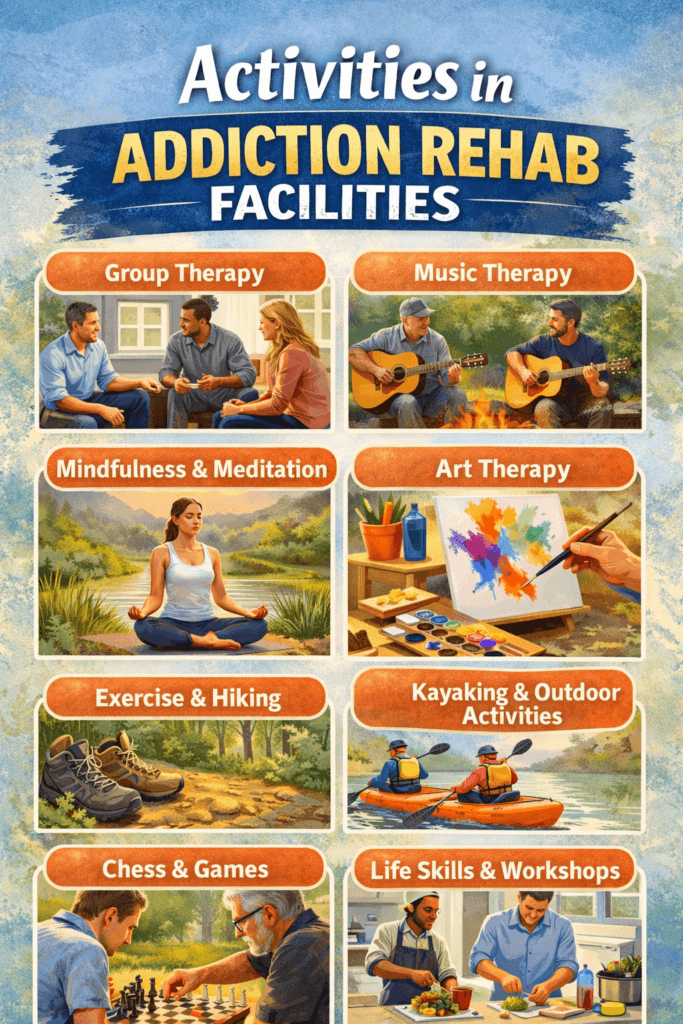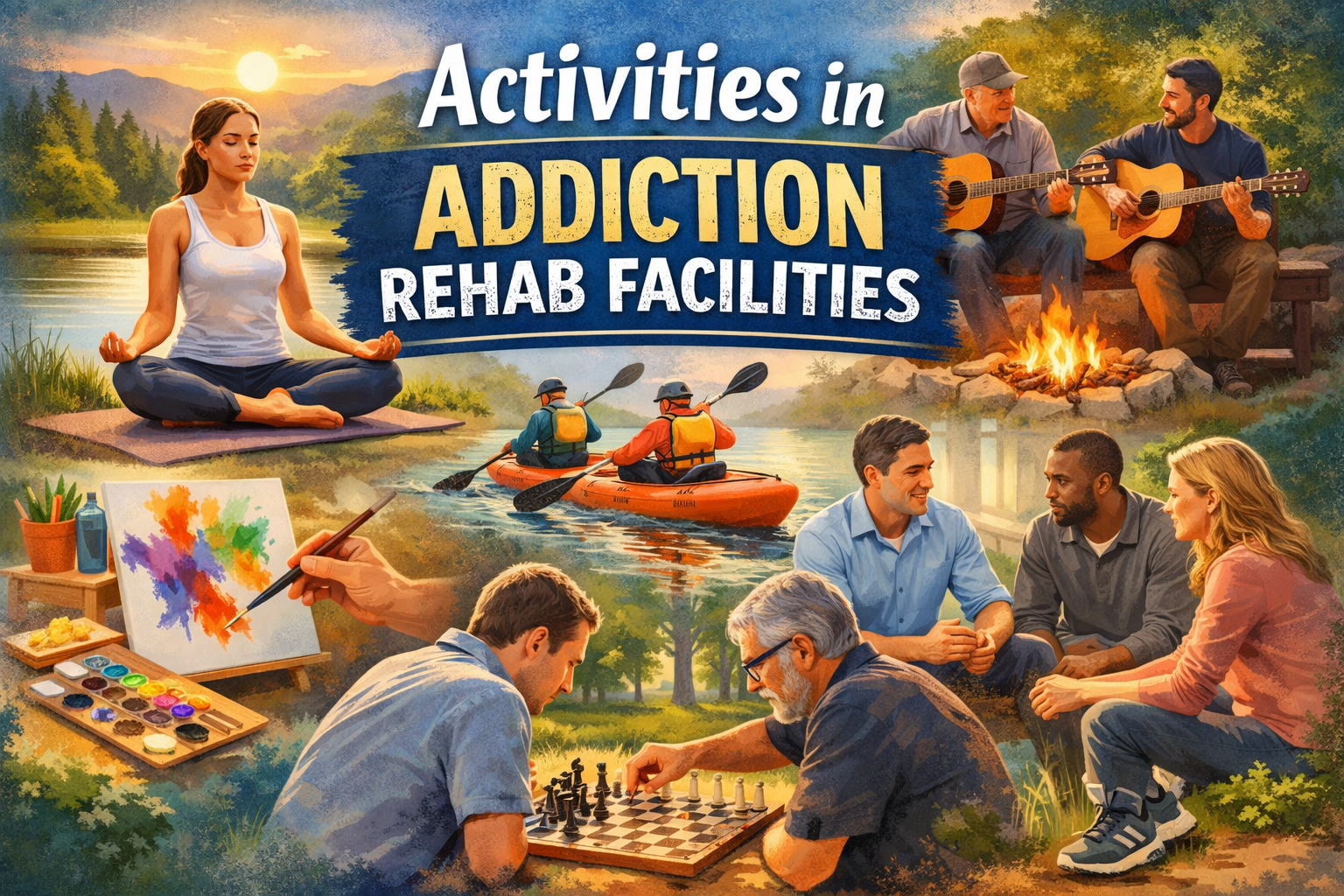
Activities in addiction rehab facilities are intentionally structured to support physical stabilization, psychological healing, and behavioral change. Rather than filling time, these activities are therapeutic interventions designed to rebuild routines, strengthen coping skills, and promote emotional regulation. Individuals in treatment often participate in a combination of group therapy, individual counseling, psychoeducation, mindfulness practices, physical exercise, and creative therapies. Each activity targets specific dimensions of addiction, including impaired decision-making, stress dysregulation, and social isolation. By engaging in structured daily programming, clients begin to replace maladaptive habits with healthy behaviors that support long-term recovery.
A Typical Day in Addiction Rehab: Structure, Healing, and Personal Growth
Entering addiction rehab can feel overwhelming at first. Many people imagine strict routines or intense therapy sessions all day long. While treatment is structured, that structure is intentional. In recovery, routine replaces chaos, accountability replaces secrecy, and connection replaces isolation.
Below is a realistic look at what a typical day in an addiction rehabilitation center might look like—and why each part matters in the recovery process.
🌅 Morning: Starting the Day with Intention
Most inpatient rehab programs begin the day early, usually between 6:30 and 7:30 a.m. Structure helps regulate sleep cycles, which are often disrupted by substance use.
1. Wake-Up & Personal Time
Residents typically have time to:
- Shower and get dressed
- Make their bed (a small but meaningful act of responsibility)
- Practice mindfulness or quiet reflection
Rebuilding daily habits helps restore a sense of stability and self-discipline.
2. Morning Meditation or Mindfulness
Many programs begin with:
- Guided meditation
- Breathing exercises
- Gratitude journaling
Mindfulness practices reduce anxiety, improve emotional regulation, and help individuals manage cravings. Research shows that mindfulness-based approaches can significantly reduce the risk of relapse.
3. Breakfast & Community Check-In
Meals are structured and communal. Sharing meals fosters:
- Social connection
- Accountability
- Practice in healthy communication
Often, there is a short “check-in” where participants briefly share how they’re feeling. This builds emotional awareness—an essential skill in recovery.
🧠 Midday: Therapy and Skill Building
The core of rehab happens during the day through structured therapy sessions.
1. Group Therapy
Group therapy is a foundation of addiction treatment. Topics may include:
- Identifying triggers
- Coping strategies
- Relapse prevention
- Communication skills
Group settings reduce shame and isolation. Hearing others’ experiences often helps individuals recognize patterns in their own behavior.
2. Individual Counseling
Most clients meet privately with a licensed therapist several times per week. These sessions focus on:
- Underlying trauma
- Co-occurring mental health conditions (like depression or anxiety)
- Personalized recovery goals
Therapies commonly used include Cognitive Behavioral Therapy (CBT), Motivational Interviewing (MI), and trauma-informed approaches.
3. Educational Workshops
Rehab is also educational. Clients learn about:
- The neurobiology of addiction
- How substances affect the brain’s reward system
- The cycle of addiction
- Stress management
Understanding addiction as a chronic brain disease—rather than a moral failure—can reduce stigma and increase motivation for change.
🏃 Afternoon: Holistic and Recreational Activities
Recovery addresses the whole person—mind, body, and spirit.
1. Physical Activity
Exercise helps:
- Regulate mood
- Improve sleep
- Reduce cravings
- Increase natural dopamine production
Activities might include yoga, gym time, team sports, or nature walks.
2. Creative Therapies
Art therapy, music therapy, or journaling sessions allow participants to:
- Express emotions safely
- Process trauma nonverbally
- Rebuild a sense of identity
Creativity often reconnects people to parts of themselves lost during active addiction.
🌙 Evening: Reflection and Support
Evenings are calmer but still structured.
1. 12-Step or Peer Support Meetings
Many programs incorporate meetings modeled after 12-step frameworks or other peer-based support groups. These emphasize:
- Accountability
- Shared experience
- Long-term recovery planning
2. Reflection & Wind-Down
Residents may:
- Journal
- Complete therapy homework
- Practice relaxation exercises
Lights out is typically around 10:00–11:00 p.m., reinforcing healthy sleep hygiene.
Why Structure Matters in Recovery
Addiction often disrupts:
- Sleep patterns
- Employment
- Relationships
- Daily functioning
Rehab replaces unpredictability with consistency. That structure helps retrain the brain’s reward and stress systems, which are heavily impacted by substance use.
A predictable daily schedule also:
- Reduces anxiety
- Builds self-efficacy
- Reinforces healthy habits
- Promotes emotional regulation
Over time, these routines become internalized skills that support long-term sobriety.
Final Thoughts
A typical day in addiction rehab is not about punishment or restriction—it’s about rebuilding. Every therapy session, shared meal, and moment of reflection is designed to help individuals:
- Develop coping skills
- Understand their addiction
- Heal underlying wounds
- Build a sustainable recovery plan
Recovery is not a single breakthrough moment. It’s a series of structured, intentional days—stacked together—until stability replaces survival mode.
Self-Management Strategies in Addiction Rehab Therapy: Building Skills for Lasting Recovery
Addiction recovery is not only about detoxification or attending therapy sessions—it is about learning how to manage thoughts, emotions, behaviors, and stress without turning to substances. In addiction rehab therapy, self-management strategies empower individuals to take an active role in their recovery.
Rather than relying solely on external support, clients learn practical tools that strengthen autonomy, accountability, and resilience. Below is a comprehensive look at the most effective self-management strategies taught in addiction rehabilitation programs.
🧠 1. Cognitive Self-Regulation: Managing Thoughts and Triggers
One of the core approaches in addiction rehab is Cognitive Behavioral Therapy (CBT). CBT teaches individuals to recognize and challenge distorted thinking patterns that contribute to substance use.
Key Techniques:
- Trigger identification – Recognizing emotional, environmental, or social cues linked to substance use
- Cognitive restructuring – Replacing self-defeating thoughts (e.g., “I’ll never change”) with balanced alternatives
- Thought journaling – Tracking patterns between emotions, thoughts, and cravings
Understanding the neurocognitive cycle of addiction—cue → craving → behavior → reward—helps individuals interrupt the pattern before relapse occurs.
🌬️ 2. Emotional Regulation and Mindfulness
Substance use often develops as a maladaptive coping strategy for overwhelming emotions. Rehab therapy introduces healthier alternatives.
Mindfulness-Based Strategies:
- Deep breathing exercises
- Body scan meditation
- Grounding techniques (5-4-3-2-1 sensory method)
- Urge surfing (observing cravings without acting on them)
Research shows that mindfulness reduces impulsivity and strengthens prefrontal cortex functioning—an area compromised in addiction.
Emotional regulation is not about suppressing feelings but tolerating and processing them safely.
📅 3. Routine and Time Management
Addiction often disrupts structure. Rehab programs reintroduce routine as a therapeutic intervention.
Skills Practiced:
- Creating daily schedules
- Setting short- and long-term goals
- Prioritizing responsibilities
- Building balanced routines (sleep, nutrition, exercise)
Structured time reduces idle moments that may trigger cravings. It also restores executive functioning skills such as planning and organization.
🗣️ 4. Communication and Boundary Setting
Interpersonal stress is a major relapse risk. Self-management includes learning how to interact in healthier ways.
Common Skills:
- Assertive communication
- Saying “no” to high-risk situations
- Conflict resolution
- Repairing damaged relationships
Rehab often includes role-playing exercises that help clients practice real-life scenarios before returning home.
🏃 5. Stress Management and Healthy Coping Alternatives
Chronic stress dysregulates the body’s cortisol system and increases relapse vulnerability. Learning to manage stress, both physiologically and psychologically, is essential.
Adaptive Coping Methods:
- Physical exercise
- Creative outlets (art, music, journaling)
- Progressive muscle relaxation
- Engaging in hobbies or service activities
Replacing substance use with meaningful activities strengthens natural reward pathways in the brain.
📊 6. Relapse Prevention Planning
Self-management culminates in a personalized relapse prevention plan.
This Often Includes:
- Identifying high-risk people, places, and emotions
- Early warning signs of relapse (HALT: Hungry, Angry, Lonely, Tired)
- Emergency coping strategies
- Contact lists for support systems
Relapse prevention reframes relapse not as failure, but as a preventable process with identifiable stages.
🔄 7. Self-Monitoring and Accountability
Ongoing self-assessment strengthens long-term recovery.
Tools Used in Rehab:
- Daily mood tracking
- Craving logs
- Behavioral checklists
- Goal progress reviews
Self-monitoring increases awareness and promotes responsibility—two pillars of sustainable change.
Why Self-Management Matters
Addiction is often characterized by impaired impulse control, emotional dysregulation, and disrupted decision-making systems. Self-management strategies directly target these deficits by:
- Strengthening executive functioning
- Enhancing emotional resilience
- Promoting autonomy
- Reducing relapse risk
Recovery ultimately shifts from externally imposed structure (rehab rules) to internally guided regulation (self-discipline and self-awareness).
Final Thoughts
Addiction rehab therapy is not just about stopping substance use—it is about learning how to live differently. Self-management strategies equip individuals with the psychological tools necessary to navigate stress, triggers, and emotions without returning to harmful behaviors.
Long-term recovery depends on consistent practice. The skills learned in rehab become daily habits, and daily habits become a new lifestyle.
Family Resource Strategies in Addiction Rehab Therapy: Strengthening Support Systems for Sustainable Recovery
Addiction does not affect only one individual—it impacts the entire family system. Patterns of communication, trust, boundaries, and emotional regulation often shift in response to substance use. For this reason, modern addiction rehabilitation programs integrate family resource strategies as a core component of treatment.
Family involvement is not about blame. It is about education, healing, and equipping loved ones with tools that support long-term recovery while protecting their own well-being.
👨👩👧 1. Family Education Programs
One of the most powerful family resources is psychoeducation. Many families enter treatment feeling confused, angry, or overwhelmed. Education reduces stigma and increases understanding.
What Families Learn:
- The neurobiology of addiction
- How substances alter brain reward and stress systems
- The chronic disease model of addiction
- The stages of recovery and relapse
Understanding addiction as a medical and psychological condition—rather than a moral failing—helps families shift from blame to constructive support.
🗣️ 2. Family Therapy and Communication Skills
Family therapy addresses relational patterns that may contribute to stress or relapse risk. These sessions are guided by licensed clinicians and may involve structured models such as systems-based approaches or behavioral family therapy.
Skills Developed:
- Assertive, non-accusatory communication
- Active listening
- Conflict resolution
- Repairing broken trust
Families learn how to express concern without enabling harmful behaviors.
🚧 3. Boundary Setting and Reducing Enabling
A key resource strategy in rehab is teaching families the difference between support and enabling.
Enabling may include:
- Providing financial assistance that supports substance use
- Covering up consequences
- Avoiding difficult conversations
Healthy boundaries involve:
- Clear expectations
- Consistent consequences
- Protecting personal safety and emotional health
Learning to set boundaries can be uncomfortable, but it is often essential for recovery and stability.
🤝 4. Support Groups for Families
Rehab programs often connect families with external peer-support networks, such as:
- Al-Anon Family Groups
- Nar-Anon Family Groups
These groups provide:
- Shared lived experiences
- Emotional validation
- Coping strategies
- Long-term community support
Families benefit from realizing they are not alone in navigating addiction-related challenges.
📋 5. Family Relapse Prevention Planning
Family members are often the first to notice early warning signs of relapse. Rehab programs may include collaborative relapse prevention planning.
Families Learn to Identify:
- Behavioral changes (isolation, irritability)
- Emotional warning signs (hopelessness, mood swings)
- Environmental triggers
They also develop:
- A clear response plan
- Agreed-upon communication strategies
- Emergency contacts and resources
This proactive approach reduces panic and increases preparedness.
💛 6. Self-Care and Emotional Resilience for Families
Addiction often leads to caregiver burnout, anxiety, and chronic stress. Family resource strategies emphasize that loved ones must prioritize their own mental health.
Encouraged Practices:
- Individual counseling
- Stress management techniques
- Healthy routines (sleep, nutrition, exercise)
- Social support outside the recovery context
Families cannot pour from an empty cup. Sustainable recovery requires healthy support systems on both sides.
🔄 7. Restoring Trust Over Time
Trust is rarely rebuilt overnight. Rehab programs teach families to view trust as a gradual process based on consistent behavior, not promises alone.
Key principles include:
- Transparency
- Accountability
- Patience
- Incremental responsibility
Recovery is relational. As individuals heal, relationships can also evolve in healthier ways.
Why Family Resource Strategies Matter
Research consistently shows that family involvement improves treatment outcomes, including:
- Increased treatment retention
- Reduced relapse rates
- Improved communication
- Stronger post-treatment stability
Addiction thrives in secrecy and isolation. Recovery strengthens through connection, education, and structured support.
Final Thoughts
Family resource strategies in addiction rehab therapy are not about assigning blame or forcing reconciliation. They are about equipping families with knowledge, skills, and support systems that foster healing for everyone involved.
When families understand addiction, set healthy boundaries, and participate in structured support, they become powerful allies in the recovery journey.
Community Resource Strategies in Addiction Rehab Therapy: Building a Network for Long-Term Recovery
Addiction recovery does not end at discharge. While inpatient or outpatient rehab provides structure, therapy, and medical support, long-term recovery depends heavily on community integration. Sustainable sobriety is strengthened when individuals are connected to resources that promote accountability, stability, and a sense of belonging.
Community resource strategies in addiction rehab therapy focus on helping individuals transition from structured treatment settings into supportive, real-world environments.
🌍 1. Peer Support Networks
Peer-based recovery groups are foundational community resources introduced during rehab.
Common programs include:
- Alcoholics Anonymous (AA)
- Narcotics Anonymous (NA)
- SMART Recovery
Why They Matter:
- Provide shared lived experience
- Offer accountability partnerships (sponsors or mentors)
- Reinforce relapse prevention strategies
- Reduce social isolation
Peer support normalizes recovery challenges and fosters a sense of belonging—an important protective factor against relapse.
🏠 2. Sober Living and Transitional Housing
For many individuals, returning immediately to their previous environment may increase relapse risk. Transitional housing options provide structured, substance-free living arrangements.
Benefits Include:
- Accountability through house rules
- Regular drug/alcohol testing
- Peer support within the residence
- Gradual reintegration into employment and education
Sober living environments act as a bridge between treatment and full independence.
💼 3. Employment and Vocational Support
Employment is a major stabilizing factor in recovery. Rehab programs often connect clients to community-based vocational services.
These may include:
- Resume-building workshops
- Interview preparation
- Job placement services
- Educational programs or GED completion
Rebuilding professional identity supports self-efficacy and financial independence, both critical components of sustained sobriety.
🏥 4. Continued Mental Health and Medical Care
Addiction frequently co-occurs with mental health conditions such as depression, anxiety, PTSD, or bipolar disorder. Community resource strategies ensure continuity of care after discharge.
This may involve referrals to:
- Outpatient therapists
- Psychiatrists for medication management
- Community health clinics
- Intensive outpatient programs (IOP)
Maintaining clinical support reduces the risk of relapse and strengthens the emotional regulation skills learned in rehab.
🤝 5. Community-Based Recovery Organizations
Many communities offer recovery-focused organizations that extend beyond traditional therapy.
These organizations may provide:
- Recovery coaching
- Life-skills training
- Social sober events
- Volunteer opportunities
Community engagement shifts recovery from a clinical process to a lifestyle transformation.
📚 6. Educational and Life-Skills Programs
Community colleges, adult education centers, and nonprofit organizations often offer programs that enhance independence.
Examples include:
- Financial literacy workshops
- Parenting classes
- Anger management courses
- Stress reduction training
Life-skills development strengthens executive functioning, decision-making, and long-term planning—areas often impaired by chronic substance use.
🔄 7. Relapse Response Planning within the Community
Effective community resource strategies also include a clear relapse response plan.
This may involve:
- Identifying emergency contacts
- Knowing local crisis stabilization centers
- Rapid access to detox or stabilization services
- Re-engagement in higher levels of care if necessary
Relapse is viewed as a process, not a moral failure. Having structured community pathways reduces shame and accelerates intervention if needed.
Why Community Resources Are Essential
Addiction often isolates individuals from supportive networks. Community resource strategies counteract isolation by fostering:
- Social connectedness
- Accountability
- Stability
- Purpose and identity reconstruction
Research consistently shows that long-term recovery outcomes improve when individuals remain engaged in community-based support systems.
Recovery thrives in connection. When individuals leave rehab with strong community ties, they carry forward not just coping skills but also a sense of belonging.
Final Thoughts
Addiction rehab therapy lays the foundation for change, but community resources build the structure that supports lasting recovery. Peer networks, housing support, employment services, ongoing healthcare, and community engagement all work together to reduce the risk of relapse and promote personal growth.
Sustainable recovery is not achieved alone—it is strengthened through community.
Frequently Asked Questions
Here are some common questions:
1. Why are activities important in addiction rehab?
Answer:
Activities are a structured part of treatment that support psychological, emotional, and physical healing. Substance use disorders affect brain reward systems, stress responses, and coping mechanisms. Therapeutic activities help individuals:
- Develop healthier coping skills
- Reduce cravings and stress
- Rebuild self-esteem
- Establish routine and accountability
- Practice social and communication skills
They reinforce recovery principles learned in therapy.
2. What types of activities are commonly offered in rehab facilities?
Answer:
Most rehab centers provide a mix of clinical and holistic activities, including:
- Group therapy
- Individual counseling
- Art therapy
- Music therapy
- Mindfulness and meditation
- Physical exercise
- Outdoor activities (e.g., hiking, kayaking)
- Life skills workshops
- Educational sessions on relapse prevention
Programs vary depending on whether the facility is inpatient, outpatient, luxury, faith-based, or community-based.
3. Are these activities mandatory?
Answer:
In residential (inpatient) treatment programs, most scheduled activities are required because structure is a key part of recovery. Participation increases treatment effectiveness. However, accommodations may be made for medical or psychological limitations.
4. How do recreational activities help with addiction recovery?
Answer:
Substance use often replaces healthy pleasure and coping mechanisms. Recreational activities:
- Stimulate natural dopamine production
- Reduce anxiety and depression
- Improve physical health
- Encourage sober socialization
They help individuals rediscover enjoyment without substances.
5. What is the role of group activities in rehab?
Answer:
Group activities foster peer support and accountability. Addiction can be isolating, and group engagement helps individuals:
- Share experiences
- Reduce shame
- Learn from others
- Practice communication skills
Peer interaction is strongly associated with long-term recovery success.
6. Do rehab activities address mental health as well?
Answer:
Yes. Many individuals with substance use disorders have co-occurring mental health conditions (e.g., depression, anxiety, PTSD). Activities such as mindfulness, art therapy, and cognitive behavioral exercises help regulate emotions and improve psychological resilience.
7. How do life skills workshops support long-term recovery?
Answer:
Life skills workshops focus on practical competencies such as:
- Financial management
- Job readiness
- Time management
- Healthy relationships
- Stress management
Addiction often disrupts daily functioning. Rebuilding these skills reduces the risk of relapse after discharge.
8. Are outdoor and adventure activities just for enjoyment?
Answer:
No. Outdoor therapy (sometimes called adventure therapy) promotes:
- Confidence building
- Problem-solving
- Emotional regulation
- Teamwork
Nature exposure also lowers cortisol (stress hormone) levels and improves mood.
9. Can activities replace traditional therapy?
Answer:
No. Activities complement, but do not replace, evidence-based treatments such as:
- Cognitive Behavioral Therapy (CBT)
- Motivational Interviewing (MI)
- Medication-Assisted Treatment (MAT)
They enhance engagement and reinforce therapeutic goals.
10. How do rehab facilities decide which activities to include?
Answer:
Facilities design activity schedules based on:
- Clinical best practices
- Staff expertise
- Patient population needs
- Available resources
- Treatment philosophy
Accredited facilities often follow guidelines from professional organizations in addiction treatment.
11. Do activities continue after someone leaves rehab?
Answer:
Yes. Aftercare programs often encourage:
- Continued group meetings
- Community recreation
- Volunteer work
- Support groups (e.g., 12-step programs)
- Ongoing therapy
Maintaining structured, healthy activities is critical to preventing relapse.
12. How do activities reduce relapse risk?
Answer:
Activities reduce relapse risk by:
- Filling idle time (a common trigger)
- Teaching coping strategies
- Strengthening support systems
- Improving emotional regulation
- Building a sense of purpose
Recovery requires lifestyle change, not just abstinence.
Conclusion
In addiction rehab facilities, activities serve as the foundation for sustainable change. Through consistent participation in therapeutic, educational, and holistic programs, individuals develop the skills necessary to manage cravings, regulate emotions, and navigate interpersonal challenges without returning to substance use. These structured experiences not only address the biological and psychological components of addiction but also help rebuild confidence, accountability, and purpose. Ultimately, the activities within rehab are not temporary routines—they are practice for a new way of living that extends beyond treatment and into lifelong recovery.
Video: Rehab Breakdown: What Happens Every Single Day