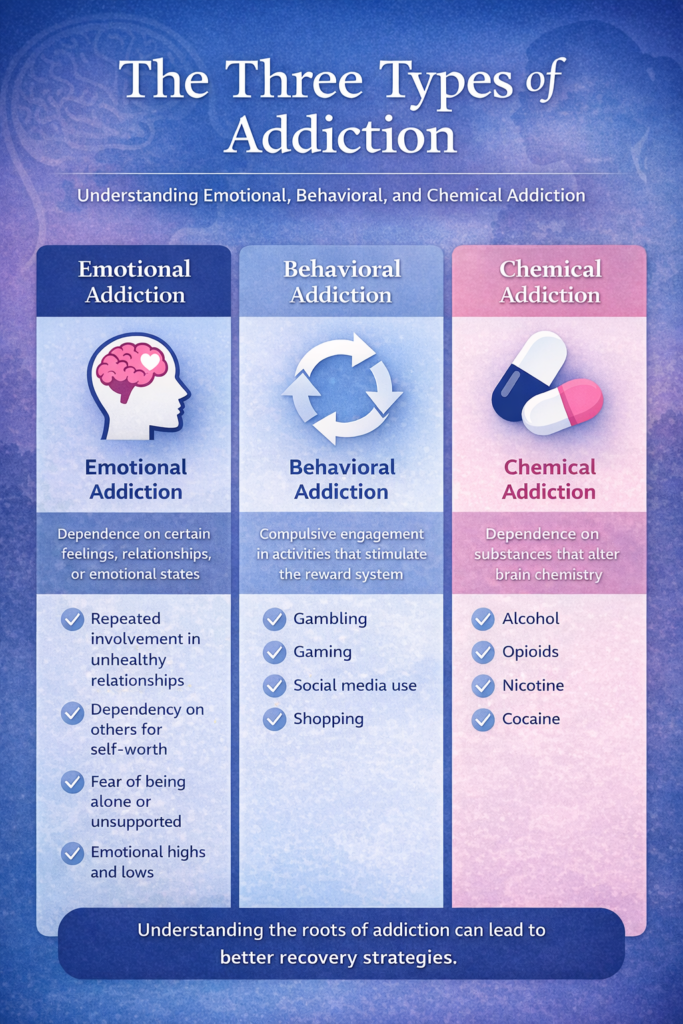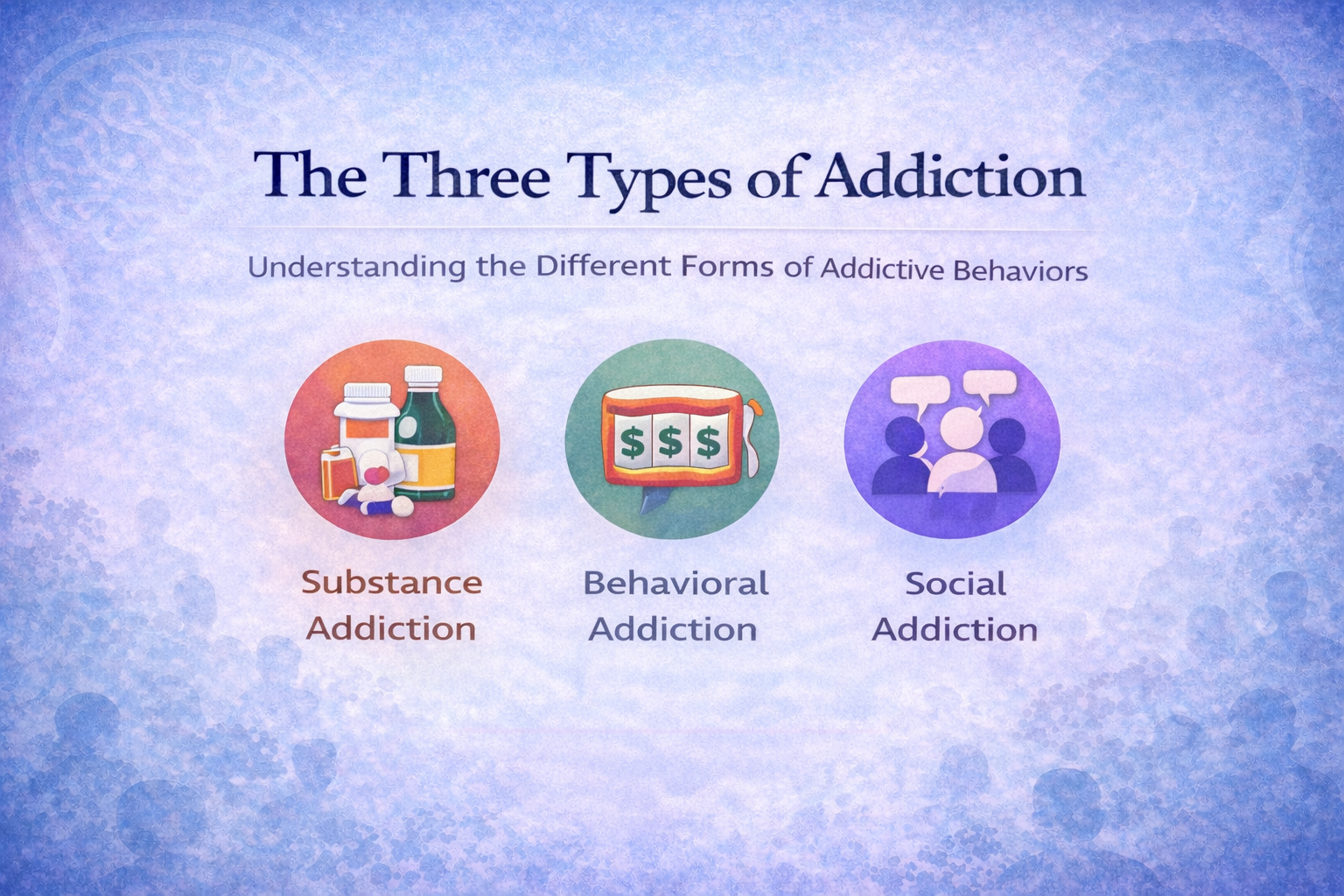
Addiction is a complex condition that affects individuals physically, emotionally, and psychologically. While addiction is often associated only with drugs or alcohol, it can take many different forms. Researchers and clinicians commonly categorize addiction into three primary types: emotional (psychological) addiction, behavioral addiction, and chemical (substance) addiction. Each type involves patterns of dependence that affect the brain’s reward system and a person’s ability to manage stress, emotions, or impulses. Understanding these three types of addiction helps individuals, families, and professionals recognize the different ways addiction develops and how it can be addressed through effective treatment, support, and recovery strategies.
Understanding the Three Types of Addiction: Emotional, Behavioral, and Chemical
Addiction is often misunderstood as simply a lack of willpower or a moral failing. In reality, addiction is a complex condition that affects the brain, behavior, and emotional health. While every person’s experience is unique, addiction can generally be understood through three major categories: emotional (or psychological) addiction, behavioral addiction, and chemical (substance) addiction. Understanding these types helps us better recognize the roots of addiction and develop effective recovery strategies.
1. Emotional (Psychological) Addiction
Emotional addiction occurs when a person becomes dependent on certain feelings, relationships, or mental states to cope with life. Instead of substances or activities, the addiction centers on emotional regulation.
People with emotional addiction often seek situations or relationships that recreate familiar emotional patterns—even if those patterns are unhealthy. For example, someone may become addicted to drama, toxic relationships, or the feeling of being needed. These emotional cycles can become deeply ingrained because they provide a sense of identity or temporary relief from internal distress.
Psychological addiction is strongly connected to trauma, anxiety, depression, and attachment issues. The brain learns that certain emotional states—like validation, conflict, or approval—temporarily relieve deeper discomfort. Over time, the person unconsciously seeks these feelings again and again.
Signs of emotional addiction may include:
- Repeated involvement in unhealthy relationships
- Strong dependency on others for self-worth
- Fear of being alone or emotionally unsupported
- Emotional highs and lows that feel difficult to control
Recovery from emotional addiction often involves therapy, self-awareness, and learning healthier coping mechanisms.
2. Behavioral Addiction
Behavioral addiction involves becoming compulsively attached to actions or activities rather than substances. These behaviors stimulate the brain’s reward system in ways similar to drugs or alcohol.
Common examples of behavioral addictions include:
- Gambling
- Gaming
- Social media use
- Shopping
- Work addiction
- Pornography consumption
When someone engages in these behaviors, the brain releases dopamine—a neurotransmitter associated with pleasure and reward. Over time, the brain begins to crave the activity, leading to repeated behavior even when it causes negative consequences in relationships, finances, or mental health.
Behavioral addiction is often harder to recognize because the activity itself may be socially acceptable or even encouraged. However, when a behavior becomes compulsive and begins interfering with daily functioning, it may signal an addictive pattern.
Signs of behavioral addiction may include:
- Loss of control over the behavior
- Spending excessive time engaging in the activity
- Continuing the behavior despite negative consequences
- Feeling restless or irritable when unable to participate in the activity
Treatment may include cognitive-behavioral therapy (CBT), support groups, and strategies for building healthier habits.
3. Chemical (Substance) Addiction
Chemical addiction, often called substance use disorder, occurs when a person becomes physically and psychologically dependent on drugs or alcohol. Substances directly affect the brain’s chemistry, altering mood, perception, and behavior.
Common substances associated with addiction include:
- Alcohol
- Opioids
- Nicotine
- Cocaine
- Methamphetamine
- Prescription medications (such as benzodiazepines or painkillers)
With repeated use, the brain adapts to the presence of the substance. This can lead to tolerance (needing more of the substance to achieve the same effect) and withdrawal symptoms when the substance is reduced or stopped.
Chemical addiction can significantly impact health, relationships, employment, and overall quality of life. Because it involves both physical and psychological dependence, recovery often requires a combination of approaches such as:
- Medical detoxification
- Therapy and counseling
- Medication-assisted treatment
- Long-term recovery support
Why Understanding These Types Matters
While these three types of addiction are categorized separately, they often overlap. For example, someone struggling with substance addiction may also have behavioral or emotional dependencies that reinforce their substance use.
Recognizing the underlying type of addiction allows individuals and healthcare professionals to address the root causes, not just the symptoms. Recovery is rarely a one-size-fits-all process; it requires a comprehensive understanding of how addiction functions in a person’s life.
Final Thoughts
Addiction is not simply about substances or habits—it is about how individuals cope with pain, stress, trauma, and emotional needs. By understanding emotional, behavioral, and chemical addiction, we can move toward a more compassionate and informed view of recovery.
With the right support, treatment, and self-awareness, people struggling with addiction can rebuild their lives and develop healthier ways to manage life’s challenges.
Self-Management Strategies for the Three Types of Addiction: Emotional, Behavioral, and Chemical
Addiction affects people in different ways, but many recovery professionals recognize three broad categories: emotional (psychological) addiction, behavioral addiction, and chemical (substance) addiction. Each type influences the brain’s reward system and coping mechanisms, often making it difficult for individuals to control their impulses or stress responses.
While professional treatment and support systems are often essential, self-management strategies play a powerful role in long-term recovery. These strategies help individuals build awareness, strengthen self-control, and develop healthier habits that reduce the risk of relapse.
Understanding how to manage each type of addiction can empower individuals to take an active role in their recovery journey.
1. Self-Management for Emotional (Psychological) Addiction
Emotional addiction occurs when individuals become dependent on certain emotional experiences—such as validation, drama, or intense relationships—to regulate their feelings. Often, these patterns develop as coping mechanisms for unresolved trauma, anxiety, or loneliness.
Key Self-Management Strategies
Develop Emotional Awareness
The first step is learning to recognize emotional triggers. Keeping a journal or practicing mindfulness can help individuals identify situations that lead to emotional dependency or unhealthy relational patterns.
Practice Healthy Emotional Regulation
Instead of relying on external validation or emotional highs, individuals can develop healthier coping strategies, such as:
- Deep breathing exercises
- Meditation or mindfulness practices
- Physical activity
- Talking with trusted friends or mentors
These practices help calm the nervous system and improve emotional stability.
Build Healthy Boundaries
People with emotional addiction often struggle with boundaries in relationships. Learning to say no, recognizing toxic patterns, and prioritizing self-care can help reduce dependence on emotionally intense situations.
Strengthen Self-Identity
Developing hobbies, interests, and personal goals helps individuals build self-worth that does not depend on other people’s reactions or approval.
2. Self-Management for Behavioral Addiction
Behavioral addiction involves compulsive engagement in activities that stimulate the brain’s reward system. Examples include excessive gaming, gambling, shopping, social media use, or work addiction.
Key Self-Management Strategies
Identify Triggers and High-Risk Situations
Many behavioral addictions are triggered by boredom, stress, loneliness, or anxiety. Recognizing these triggers allows individuals to intervene before the behavior becomes compulsive.
Set Clear Limits and Structure
Creating structured limits can help control addictive behaviors. Strategies may include:
- Time limits for activities
- Scheduling daily routines
- Using digital tools that track or restrict usage
Structure helps prevent impulsive engagement in addictive behaviors.
Replace the Behavior with Healthier Activities
The brain still needs positive stimulation. Replacing addictive behaviors with healthier alternatives—such as exercise, creative hobbies, or social activities—can provide similar dopamine rewards without harmful consequences.
Practice Urge Management
Urges often pass if individuals delay acting on them. Techniques such as the “10-minute rule”—waiting ten minutes before engaging in the behavior—can reduce impulsive decisions and strengthen self-control.
3. Self-Management for Chemical (Substance) Addiction
Chemical addiction involves dependence on substances that directly affect brain chemistry, such as alcohol, nicotine, opioids, or stimulants. Because physical dependence may be involved, self-management strategies are often most effective when combined with medical and professional support.
Key Self-Management Strategies
Create a Structured Recovery Plan
Successful recovery often includes a daily plan that prioritizes healthy routines. This may include:
- Regular sleep schedules
- Balanced nutrition
- Exercise
- Recovery meetings or support groups
Structure helps stabilize both physical and mental health.
Avoid High-Risk Environments
Certain environments, social circles, or stressful situations may trigger substance use. Reducing exposure to these triggers can significantly decrease relapse risk.
Develop Coping Skills for Stress
Stress is a common relapse trigger. Healthy coping techniques may include:
- Mindfulness and meditation
- Physical exercise
- Relaxation techniques
- Talking with a counselor or support group
Learning new ways to manage stress reduces the reliance on substances.
Build a Support System
Recovery is rarely successful in isolation. Support networks—such as friends, family, mentors, or recovery groups—provide accountability and encouragement during difficult moments.
The Importance of Self-Management in Recovery
Although addiction can feel overwhelming, self-management empowers individuals to take an active role in their recovery. By understanding their triggers, building healthier coping skills, and creating supportive routines, people can gradually retrain their brains and behaviors.
Recovery is not a single event but a long-term process of growth, self-awareness, and resilience. Each small step—whether practicing mindfulness, setting boundaries, or choosing healthier activities—helps strengthen the foundation for lasting change.
With the right strategies, support, and commitment, individuals can move beyond addiction and build a healthier, more balanced life.
The Role of Family Support in Recovery: Strategies for Helping Loved Ones with Emotional, Behavioral, and Chemical Addiction
Addiction rarely affects just one person—it impacts the entire family system. Whether a loved one is struggling with emotional (psychological), behavioral, or chemical (substance) addiction, family members often experience confusion, stress, and concern about how to help. While addiction recovery ultimately depends on the individual, family support can be one of the most powerful influences in long-term recovery.
Families who understand addiction and use healthy support strategies can help create a stable environment that encourages healing while also protecting their own well-being.
1. Family Support Strategies for Emotional (Psychological) Addiction
Emotional addiction occurs when individuals rely on certain emotional experiences or relationships to regulate their feelings. This may involve constant validation-seeking, dependence on others for self-worth, or repeated involvement in intense or unhealthy relationships.
Key Strategies for Families
Encourage Healthy Communication
Open, honest, and respectful communication helps reduce emotional conflict and misunderstanding. Family members should practice listening without immediate judgment or criticism, allowing the individual to express their feelings safely.
Promote Emotional Independence
Families can support recovery by encouraging the person to develop their own coping skills rather than relying solely on others for emotional stability. This may involve supporting activities that build self-confidence, independence, and personal growth.
Set Healthy Boundaries
Family members should maintain clear emotional boundaries to avoid becoming overwhelmed by the individual’s emotional needs. Healthy boundaries help prevent codependency and encourage personal responsibility.
Encourage Professional Support
Therapy or counseling can help individuals address underlying emotional patterns. Families can support this process by encouraging treatment and respecting the individual’s therapeutic journey.
2. Family Support Strategies for Behavioral Addiction
Behavioral addiction involves compulsive engagement in activities such as gambling, gaming, shopping, social media use, or work. Because these activities are often socially accepted, families may struggle to recognize when the behavior becomes harmful.
Key Strategies for Families
Recognize Warning Signs
Family members should be aware of signs such as excessive time spent on the activity, withdrawal from family interactions, financial problems, or neglect of responsibilities.
Promote Balanced Routines
Encouraging a balanced lifestyle can help reduce dependence on addictive behaviors. Families can support healthier routines that include physical activity, hobbies, social interaction, and structured daily schedules.
Avoid Enabling Behaviors
Sometimes family members unintentionally enable behavioral addiction by covering up financial losses, making excuses for the person’s behavior, or minimizing the problem. Setting limits helps reinforce accountability.
Participate in Family-Based Support
Family counseling or support groups can help families understand behavioral addiction and learn effective ways to support recovery.
3. Family Support Strategies for Chemical (Substance) Addiction
Chemical addiction involves dependence on substances such as alcohol, nicotine, opioids, or other drugs. This form of addiction often includes both psychological and physical dependence, making recovery particularly complex.
Key Strategies for Families
Educate Themselves About Addiction
Understanding that substance addiction is a medical and psychological condition—not simply a lack of willpower—can help families respond with compassion rather than blame.
Encourage Treatment and Recovery Programs
Families can play an important role by encouraging professional treatment options such as detoxification programs, therapy, medication-assisted treatment, or recovery support groups.
Create a Stable and Supportive Environment
A supportive home environment can reduce stress and help individuals focus on recovery. This may involve minimizing conflict, promoting healthy routines, and offering encouragement.
Practice Self-Care for Family Members
Supporting someone with substance addiction can be emotionally exhausting. Family members should prioritize their own mental health by seeking support, setting boundaries, and engaging in activities that help them cope.
Balancing Support with Healthy Boundaries
While family support is essential, it is equally important to recognize that families cannot control another person’s recovery. Effective support involves compassion, patience, and encouragement, while also maintaining healthy limits.
Families that focus on education, communication, and emotional balance are better equipped to support their loved ones without sacrificing their own well-being.
Conclusion
Addiction affects individuals differently, but family support can make a significant difference in recovery. By using thoughtful strategies tailored to emotional, behavioral, and chemical addiction, families can help create an environment that promotes healing, accountability, and long-term recovery.
Recovery is rarely a straight path, but with understanding, patience, and supportive relationships, both individuals and families can move toward healthier and more stable lives.
Community Resource Strategies for Addressing Emotional, Behavioral, and Chemical Addiction
Addiction is not only a personal struggle but also a community health issue. Individuals facing addiction often benefit from support systems that extend beyond family and personal coping strategies. Community resources—such as counseling services, support groups, healthcare providers, and educational programs—play a crucial role in helping individuals recover and maintain long-term stability.
Understanding how communities can support people experiencing emotional (psychological), behavioral, and chemical (substance) addiction helps create stronger networks of care and reduces the stigma often associated with addiction.
1. Community Resource Strategies for Emotional (Psychological) Addiction
Emotional addiction occurs when individuals rely heavily on certain emotional experiences or relationships to cope with stress, loneliness, trauma, or anxiety. These patterns can lead to unhealthy relationships, emotional dependency, and difficulty managing personal emotions.
Key Community Resources
Mental Health Counseling Services
Community counseling centers and mental health clinics provide professional support that helps individuals develop emotional awareness and healthier coping mechanisms. Licensed therapists can guide individuals through challenges related to self-esteem, trauma, and emotional regulation.
Peer Support Groups
Community-based peer groups allow individuals to connect with others who have experienced similar emotional struggles. These groups provide a safe space to share experiences, learn coping strategies, and reduce feelings of isolation.
Educational Workshops
Community workshops that focus on emotional intelligence, stress management, and relationship skills can help individuals build healthier emotional habits and improve interpersonal relationships.
School and Workplace Programs
Schools, universities, and workplaces increasingly offer mental health programs that teach emotional resilience, conflict resolution, and stress management skills.
2. Community Resource Strategies for Behavioral Addiction
Behavioral addictions involve compulsive engagement in activities such as gambling, gaming, shopping, social media use, or work. Although these behaviors may initially seem harmless, they can become destructive when they interfere with daily life and responsibilities.
Key Community Resources
Specialized Counseling Programs
Many communities offer treatment programs that focus specifically on behavioral addictions. These programs often use approaches such as cognitive-behavioral therapy (CBT) to help individuals identify triggers and develop healthier habits.
Support Groups and Recovery Communities
Support groups dedicated to behavioral addiction provide accountability and shared experiences that help individuals manage urges and maintain recovery.
Financial and Legal Counseling
For addictions such as gambling or compulsive shopping, financial counseling services can help individuals regain control of their finances and rebuild stability.
Digital Wellness Programs
Some communities now offer digital wellness education programs that teach healthy technology use and promote balanced screen time habits.
3. Community Resource Strategies for Chemical (Substance) Addiction
Chemical addiction involves dependence on substances such as alcohol, opioids, nicotine, and other drugs. Because this form of addiction often includes both psychological and physical dependence, community-based healthcare services are essential for effective treatment.
Key Community Resources
Medical Treatment Programs
Community health clinics and hospitals provide services such as medical detoxification, medication-assisted treatment, and ongoing healthcare support for individuals recovering from substance use disorders.
Recovery and Support Groups
Community recovery groups offer structured environments where individuals can receive encouragement, accountability, and long-term peer support.
Rehabilitation and Transitional Programs
Residential rehabilitation centers and transitional housing programs provide structured environments where individuals can focus on recovery while rebuilding life skills.
Public Health and Prevention Programs
Many communities invest in prevention efforts that educate individuals about substance misuse, reduce stigma, and promote early intervention for those at risk.
The Importance of Community Involvement in Addiction Recovery
Community resources help create a network of care that supports individuals at every stage of recovery. Access to mental health services, recovery programs, educational resources, and peer support can significantly improve recovery outcomes.
Communities that actively address addiction through education, accessible services, and compassionate support systems help reduce stigma and make it easier for individuals to seek help.
Conclusion
Addiction recovery is rarely achieved in isolation. Community resource strategies provide essential support for individuals facing emotional, behavioral, and chemical addiction, offering guidance, accountability, and opportunities for personal growth.
By strengthening community programs and encouraging collaboration between healthcare providers, educators, and support networks, society can create environments where recovery is possible, and individuals are empowered to rebuild healthier, more stable lives.
Frequently Asked Questions
Here are some common questions:
1. What are the three main types of addiction?
The three main types of addiction are emotional (psychological) addiction, behavioral addiction, and chemical (substance) addiction. Emotional addiction involves dependence on certain feelings or relationships, behavioral addiction involves compulsive actions such as gambling or gaming, and chemical addiction involves dependence on substances that alter brain chemistry, such as drugs or alcohol.
2. What is emotional addiction?
Emotional addiction occurs when a person becomes dependent on certain emotional experiences or relationships to cope with stress, loneliness, or trauma. Individuals may repeatedly seek validation, attention, or emotionally intense situations because those feelings provide temporary comfort.
3. What is behavioral addiction?
Behavioral addiction is the compulsive engagement in certain activities that stimulate the brain’s reward system. Examples include gambling, gaming, excessive social media use, shopping, or work addiction. Even without substance involvement, these behaviors can become difficult to control and may interfere with daily life.
4. What is chemical addiction?
Chemical addiction, also called substance addiction, occurs when a person becomes dependent on substances that change brain chemistry. These substances may include alcohol, nicotine, opioids, cocaine, or prescription medications. Over time, the body may develop tolerance and withdrawal symptoms.
5. Can a person experience more than one type of addiction?
Yes. Many people experience multiple types of addiction at the same time. For example, someone struggling with chemical addiction may also have behavioral addictions such as gambling or emotional dependence on relationships. These addictions often overlap because they affect the brain’s reward system.
6. What causes addiction?
Addiction can be caused by several factors, including genetics, mental health conditions, trauma, stress, environment, and learned coping behaviors. Addiction often develops when individuals use substances, behaviors, or emotional patterns to escape difficult feelings or life challenges.
7. How does addiction affect the brain?
Addiction affects the brain’s reward system, which releases dopamine—a chemical linked to pleasure and motivation. Over time, the brain becomes conditioned to seek the addictive substance, behavior, or emotional experience repeatedly.
8. What are common warning signs of addiction?
Some common signs include:
- Loss of control over behavior or substance use
- Continuing the behavior despite negative consequences
- Increased time spent on the addictive activity
- Withdrawal from family, friends, or responsibilities
- Strong cravings or urges
9. Can addiction be treated?
Yes. Addiction can be treated through a combination of therapy, medical care, support groups, lifestyle changes, and recovery programs. Treatment approaches may vary depending on the type of addiction and the individual’s needs.
10. Why is it important to understand the different types of addiction?
Understanding the three types of addiction helps individuals, families, and communities recognize the problem earlier and provide appropriate support and treatment. Awareness also helps reduce stigma and encourages people to seek help.
Conclusion
Although emotional, behavioral, and chemical addictions may appear different on the surface, they often share similar underlying causes, such as trauma, stress, mental health challenges, or unhealthy coping mechanisms. Recognizing these forms of addiction allows individuals and communities to respond with greater awareness, compassion, and appropriate support. Recovery is a gradual process that often involves personal commitment, professional treatment, and strong support systems. By understanding the three types of addiction and the factors that contribute to them, individuals can take meaningful steps toward healthier behaviors, improved emotional well-being, and long-term recovery.
Video: Which Type of Addiction Has You Trapped? #selfreflection #recovery