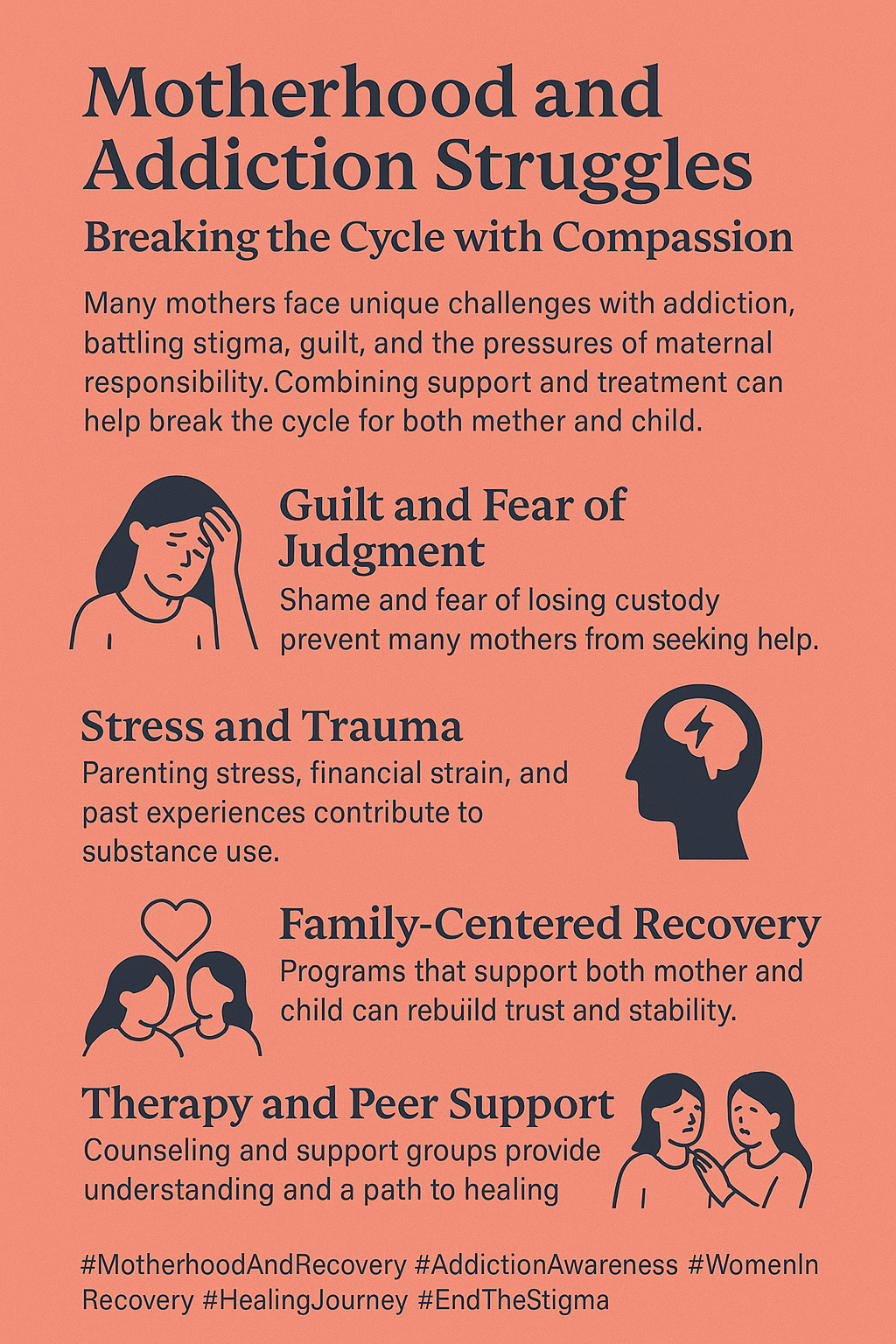
Motherhood and addiction struggles are two topics that don’t often get discussed together, but they actually cross paths a lot more than people realize. It’s easy to imagine motherhood as a time filled with baby giggles and sweet memories, but that’s not always the real story, especially when addiction is in the picture. Speaking from personal experience and having seen others go through it, I know how complicated and isolating these struggles can be. This article is for any mom (or anyone wanting to understand) who wants the real scoop, practical support, and a sense of hope when facing these very real challenges.
Understanding the Overlap Between Motherhood and Addiction
Lots of people assume addiction and motherhood exist in totally separate worlds. The truth is, they can collide in messy, unexpected ways. Being a mom comes with new pressures, less sleep, shifting hormones, and, honestly, way less time for self-care. For some, past struggles with substances resurface after childbirth. For others, the stress and overwhelm open the door for new coping habits, sometimes leading to dependency.
Recent surveys and research have started to paint a clearer picture. Mothers face unique risks for substance use issues. According to the National Institute on Drug Abuse, more than 1 in 10 mothers report struggling with substance use at some point. These numbers reflect not only mothers facing significant addiction issues but also those quietly wrestling with overuse of alcohol, prescription drugs, or even unprescribed sleep and anxiety medication.
Society often places impossible standards on moms, expecting perfection at every turn. When struggling with addiction, moms can feel extreme shame or guilt, making it really hard to reach out for help. The truth is that addiction doesn’t make someone a “bad” mom. It simply means they’re dealing with something really tough and deserve support, not judgment.
Why Addiction Shows Up for Moms
There isn’t one reason addiction appears during motherhood. It’s usually a mix of personal history, mental health challenges, environmental stress, and sometimes even genetics. Here are some common reasons I’ve seen:
- Stress Overload: Motherhood is rewarding, but it can also be draining, especially when there is little support. Some moms lean on substances to manage stress or numb overwhelming emotions.
- Postpartum Struggles: Postpartum depression and anxiety are real. The chemical and emotional shifts after birth can make moms more vulnerable to self-medicating, especially when sleep and emotional regulation are already off balance.
- Relationship Pressures: Moms sometimes face unstable relationships, domestic violence, or isolation, all of which can fuel addictive behaviors.
- Past Trauma: Many mothers with addiction issues have histories of trauma, such as childhood abuse, neglect, or untreated mental illness, that resurface with the pressures of parenting.
- Accessibility of Substances: Alcohol, for example, is normalized in “mom culture” (think: wine at playdates). Prescription medications may also become a regular fixture for pain, anxiety, or sleep challenges.
Whatever the reason, there’s no linear or straightforward path into or out of addiction. Each mom’s situation, pressure points, and needs are unique. Add to that a lack of general awareness, and many mothers don’t realize just how normal it can be to struggle during this time of life. Every story is different; there’s no one right way to start healing.
Getting Started: Facing the Stigma and Seeking Help
Stigma is a massive barrier for moms dealing with addiction. The fear of being judged as an “unfit mother,” losing custody, or facing gossip can make it feel safer to hide the problem. I’ve heard moms say they worry about being honest even with healthcare providers. This silence often keeps many people stuck.
Getting started with recovery (or even just talking about your concerns) isn’t easy, but it’s possible. Here’s what I’ve learned and seen help others:
- Find Nonjudgmental Spaces: Look for support groups (in-person or online) for moms, such as Women for Sobriety, SMART Recovery, or groups at local clinics. Many communities offer parent-specific addiction services.
- Talk to a Trusted Provider: If you feel safe, reach out to your doctor, midwife, or therapist. Many medical professionals are trained to provide care without judgment, and an increasing number of clinics are adopting a trauma-informed approach.
- Family and Friend Support: Letting in one supportive person, even if only to say you’re struggling, can make a huge difference.
- Hotlines and Text Support: Helplines, such as SAMHSA’s National Helpline (1-800-662-HELP), offer free, confidential help and can direct you to local resources.
Just taking that first step, admitting to yourself, “I’m having a hard time and deserve help,” is super important. You don’t have to handle everything alone. If you’re not sure where to start, there’s always someone out there ready to listen, whether it’s a professional or another mom who’s been in your shoes.
Common Hurdles for Moms Trying to Recover
Recovery is no small undertaking. Moms face extra challenges compared to others. Here are a few common ones:
- Childcare Needs: Many addiction programs don’t provide childcare or flexible schedules, which can make it hard to attend meetings or therapy.
- Fear of Losing Custody: Some moms worry that admitting substance use will put their parental rights at risk, making them more hesitant to seek full support.
- Financial Strain: Treatment and mental health support can be expensive. Many programs offer sliding-scale fees, but finding affordable care can be time-consuming and labor-intensive.
- Mental Health: Addiction is often tangled up with depression, anxiety, or PTSD. Untangling these threads means getting help for both addiction and mental health, not just one or the other.
Steering through these hurdles is tough, but not impossible. Even finding short-term help or community services can make a real difference while building a plan for longer-term support. Reaching out to advocacy groups, faith communities, or local nonprofits can open up unexpected doors for help, even when things feel hopeless. Sometimes, just knowing others have made it through similar challenges can encourage you to take that next step.
Building a Support System That Actually Works
Beating addiction or finding healthier coping strategies as a mom means leaning into support wherever you can find it. I’ve seen moms try to “do it all” alone, only to burn out or spiral deeper. Getting comfortable with asking for help, even in small practical ways, is truly game-changing.
- Peer Support: Joining local or online groups allows you to share stories, seek advice, and alleviate feelings of isolation. Peer supporters often “get it” in ways others don’t. Group connections also help normalize the struggle and serve as a reminder that recovery doesn’t have to be a lonely road.
- Counseling and Recovery Services: Specialized programs for parents and women can provide support through therapy, sober living, and family counseling. Look out for parent-and-child or women-only programs for a more comfortable fit. Some apps and helplines will direct you toward programs specifically designed for mothers.
- Friends and Family: Let people help with meals, childcare, or even just moral support. Sometimes, just having someone drive you to an appointment or sit with you while the kids play is enough.
- Apps and Online Resources: Tools like the “I Am Sober” app or Sober Mom Squad’s online community bring resources and encouragement right to your phone. Podcasts and blogs can offer real stories and tips tailored for moms in recovery.
Even if your circle is tiny, every bit of support counts. If a local network is lacking, online options can help fill gaps. Consider building your “team” by mixing different kinds of support—there’s no rule for who should or shouldn’t be part of your village. Over time, these layers accumulate, providing a safety net even on rough days.
Recovery Strategies That Work for Moms
Every mom has a different path to recovery, but here are some strategies that seem to work well:
- Little Steps, Big Wins: Focus on what you can change right now, such as reducing use or adopting new coping skills, rather than aiming for perfection. Celebrate every victory, no matter the size.
- Routines With Flexibility: Building routines helps create a sense of control, which can make recovery less overwhelming. Leave some wiggle room for the chaos of daily mom life.
- Therapy (Solo or Family): Checking in with a counselor trained in addiction and parenthood really helps untangle guilt, stress, and trauma. Family therapy can provide additional tools to rebuild trust and foster healthy communication within your home.
- Self-Compassion Exercises: Practicing kindness toward yourself, rather than criticism, can be surprisingly powerful. Try journaling, meditations, or gentle reminders that you’re doing your best.
- Healthy Alternative Outlets: Swapping old habits for healthier ones, such as exercise, art, music, or walks, provides a new outlet for stress and cravings, even if it’s just ten minutes here and there. Simple mindfulness practices, such as deep breathing or hobbies, can also provide a small daily anchor in the stormy waters of recovery.
Keeping these strategies realistic and practical helps them stick. Not every day will be perfect, and that’s okay. The goal isn’t perfection; it’s progress—one step, one day at a time. Some days will be more complicated than others, and having a list of go-to tools to fall back on can help steady you when things get rough.
Frequently Asked Questions
Here are some questions I often hear from moms battling addiction:
Question: If I reach out for help, will I lose my kids?
Answer: Most support services work with you to keep families together and only involve authorities if there’s immediate harm. Honest conversations with providers typically lead to more options and support, rather than less.
Question: What if I can’t afford specialist treatment?
Answer: Many communities have low-cost or free resources. Start with local health centers, county social services, or national helplines for leads. Some recovery apps and groups are free and offer valuable help.
Question: I feel embarrassed and alone. Is this normal?
Answer: You’re definitely not alone. Many moms feel this way. It helps to reach out in small ways, using anonymous hotlines, online groups, or by sharing with a friend. Support is out there, and people are more understanding than you might think. Please don’t feel like you have to handle it all on your own; others truly get it.
Question: How can I help a friend who’s a mom and struggling with addiction?
Answer: Listen without judgment and offer resources gently. Don’t pressure, make sure your friend knows you care and will support her no matter what. A simple invitation to grab coffee, a kind check-in text, or an offer to help with errands can be a big help during tough stretches of recovery.
There’s No One Right Way, But You’re Not Alone
The truth about motherhood and addiction is that there’s no quick fix, but there is real hope, help, and a community waiting to support you. Compassion, both for yourself and others, is an absolute lifeline. With the right resources, support networks, and honest conversations, moms can move forward and create a healthier foundation for themselves and their families. If you are struggling, know that reaching out for help is an act of strength, not weakness, and that many people are ready to cheer you on.
Video: How Moms Really Feel Battling Addiction