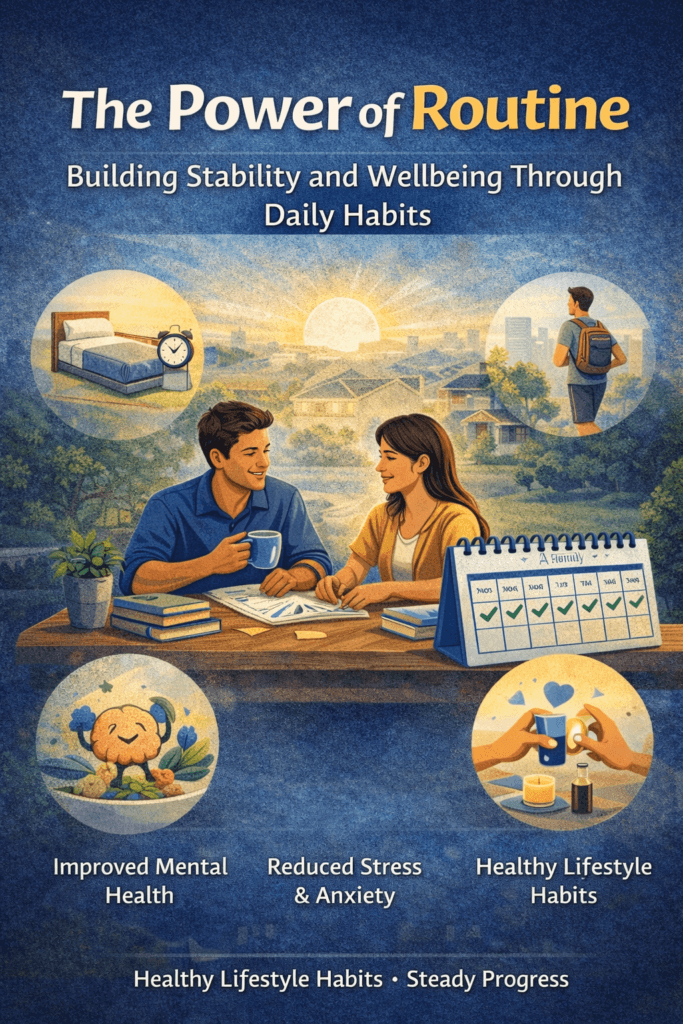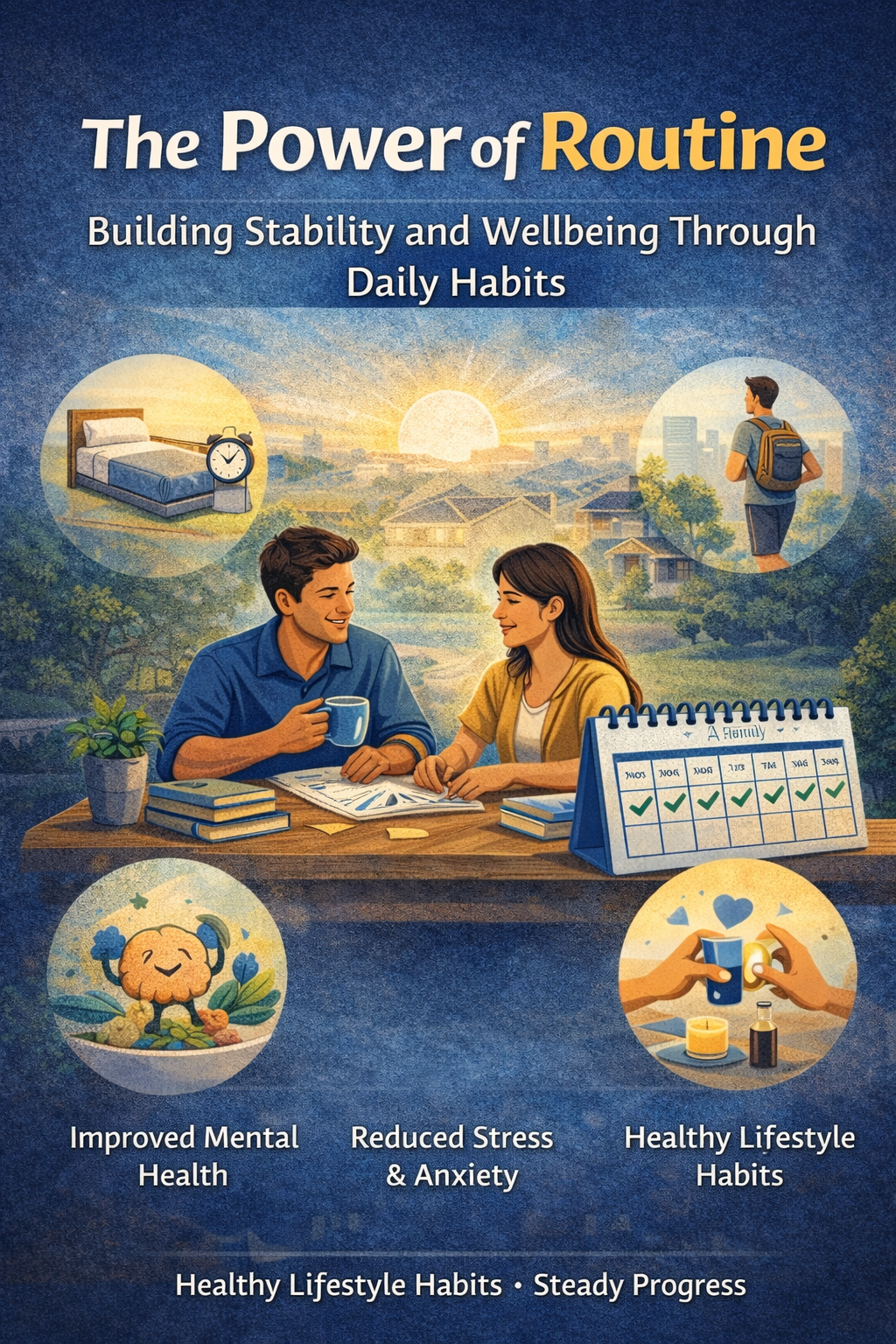
Routine provides a powerful foundation for stability, focus, and emotional well-being, especially in a fast-paced, unpredictable world. A consistent daily routine helps regulate the mind and body by reducing uncertainty, lowering stress, and creating a sense of control and safety. When routines are in place, healthy choices require less effort and decision-making, making them easier to sustain over time. Whether supporting mental health, recovery, or personal growth, routine provides dependable rhythms that anchor daily life, strengthen emotional regulation, and support long-term resilience.
The Power of Routine: How Structure Supports Stability and Wellbeing
Routine is one of the most powerful yet underestimated tools for improving mental health, emotional balance, and long-term recovery. In a world filled with unpredictability, routine provides structure, consistency, and a sense of control—all of which are especially important for individuals managing stress, recovery, or major life transitions.
At its core, a routine reduces decision fatigue. When daily activities such as waking, eating, working, and resting follow a predictable rhythm, the brain expends less energy on constant decision-making. This creates mental space for focus, emotional regulation, and problem-solving. Over time, routines help calm the nervous system and promote a sense of safety and stability.
For individuals in addiction recovery or behavior change, routine plays a critical role in relapse prevention. Substance use often thrives in chaos, unstructured time, and emotional overload. A consistent routine helps replace harmful habits with healthier patterns, making it easier to manage cravings, regulate mood, and maintain accountability. Simple routines—such as regular sleep schedules, mealtimes, and physical activity—anchor the day and reduce vulnerability to stress-triggered behaviors.
Routine also strengthens self-trust. Following through on daily commitments, even small ones, builds confidence and reinforces a sense of capability. This consistency fosters motivation and encourages long-term growth. Rather than relying on willpower alone, routines automate healthy choices, making progress feel more sustainable and less overwhelming.
Importantly, routine does not mean rigidity. Healthy routines are flexible and compassionate, allowing room for rest, change, and personal needs. They evolve over time and adapt to different life stages. The goal is not perfection, but stability and intention.
Beyond recovery, routine supports overall well-being. It improves sleep quality, enhances productivity, supports emotional regulation, and creates space for meaningful self-care. When daily life is structured with purpose, individuals are better equipped to respond to challenges rather than react impulsively.
The power of routine lies in its simplicity. By creating predictable patterns, routine transforms daily actions into a foundation for resilience, health, and long-term success. In times of stress or uncertainty, routine becomes an anchor—quietly guiding progress, one day at a time.
Self-Management Strategies to Harness the Power of Routine
Building a routine is one of the most effective ways to improve focus, emotional stability, and long-term well-being—but knowing how to implement routine is just as important as understanding its benefits. Self-management strategies help transform routine from an abstract idea into a sustainable daily practice that supports mental health, recovery, and personal growth.
The first strategy is starting small and realistic. Attempting to overhaul an entire day at once often leads to burnout or abandonment. Instead, focus on one or two anchor habits, such as consistent wake times, regular meals, or a short daily walk. Small successes build momentum and make routine feel achievable rather than restrictive.
Consistency over intensity is another key principle. A simple routine practiced daily is far more powerful than an elaborate plan followed sporadically. Repeating behaviors at the same time each day strengthens habit formation and reduces reliance on motivation or willpower.
Time-blocking and visual planning improve follow-through. Using calendars, planners, or digital reminders helps externalize structure and reduce cognitive load. Seeing routines visually reinforces commitment and creates accountability, especially during stressful periods.
Emotional awareness is essential when implementing a routine. Some days are more difficult than others, particularly in recovery or high-stress environments. Practicing self-compassion—allowing flexibility without abandoning structure—prevents guilt and supports long-term adherence. Routine should serve well-being, not punish imperfection.
Replacing harmful patterns with healthy alternatives strengthens the effectiveness of routines. For example, replacing late-night screen time with a wind-down ritual or substituting stress-driven behaviors with grounding exercises helps retrain the brain. This approach shifts focus from restriction to replacement.
Support systems also reinforce routine. Sharing goals with a trusted person, using habit-tracking apps, or participating in group challenges adds accountability and encouragement. External support makes routines more resilient during periods of low motivation.
Finally, regular review and adjustment keep routines aligned with evolving needs. Weekly check-ins allow individuals to identify what’s working, what feels overwhelming, and where flexibility is needed. Routines grow with the person, not against them.
When supported by self-management strategies, routine becomes a powerful foundation rather than a rigid rule. It transforms daily actions into stabilizing habits that promote clarity, resilience, and long-term success—proving that structure, when applied with intention, is a form of self-care.
Family Support Strategies to Implement the Power of Routine
Routine becomes significantly more effective when families understand its purpose and actively support its implementation. For individuals working toward recovery, mental wellness, or lifestyle change, family involvement can turn routine from a personal effort into a shared foundation of stability, accountability, and encouragement.
One of the most important family strategies is to normalize routine as support rather than control. When routines are framed as tools for well-being rather than rules or restrictions, individuals are more likely to engage willingly. Families can reinforce that routine provides predictability, reduces stress, and supports emotional balance—especially during transitions or periods of recovery.
Creating shared routines strengthens consistency and connection. Simple practices such as regular meal times, shared morning check-ins, evening wind-down rituals, or weekly planning conversations help anchor the day. These shared rhythms reduce chaos and model healthy structure without singling anyone out.
Families also play a key role in protecting routine from disruption. Respecting sleep schedules, appointment times, and personal boundaries helps routines take root. Avoiding last-minute demands or dismissive comments about “rigid schedules” communicates respect and reinforces commitment.
Positive reinforcement is another powerful strategy. Acknowledging effort, progress, and consistency—even when outcomes are imperfect—builds motivation and self-trust. Encouragement is far more effective than criticism, especially when routines are still forming.
Education is equally important. When families understand how routine supports brain regulation, emotional stability, and relapse prevention, they are more likely to offer patience and empathy. This understanding helps shift family dynamics from reactive to supportive, reducing conflict and misunderstanding.
Families should also practice flexibility with compassion. Life events, stress, or health challenges may temporarily disrupt routines. Supporting adjustment rather than insisting on perfection helps individuals return to structure without shame. Routine should be resilient rather than rigid.
Finally, families benefit from supporting their own routines. When caregivers and loved ones maintain a healthy structure for themselves, they model balance and reduce burnout. A regulated family system creates an environment where individual routines are more likely to succeed.
When families actively support routine, structure becomes a shared language of care. Through consistency, encouragement, and understanding, families help transform routine into a stabilizing force—one that strengthens wellbeing, supports recovery, and promotes long-term resilience for everyone involved.
Community Resource Strategies to Implement the Power of Routine
Routine is far easier to build and sustain when individuals are supported by their communities. While personal motivation matters, community resources provide structure, accountability, and access to tools that transform routine from an individual effort into a supported system for long-term wellbeing. In recovery, mental health care, and lifestyle change, community involvement can be a powerful stabilizing force.
One of the most effective community strategies is integrated routine-based programming. Outpatient treatment programs, recovery centers, community health clinics, and wellness organizations often structure services around consistent schedules, such as regular group meetings, therapy sessions, fitness classes, or educational workshops. These predictable touchpoints help individuals anchor their days and reduce the uncertainty that can undermine routine.
Peer support networks also play a vital role in reinforcing routine. Peer-led groups, recovery meetings, and wellness communities provide shared accountability and social reinforcement. When individuals observe others maintaining healthy routines, structure becomes normalized rather than burdensome. Peer connection helps routines feel purposeful and sustainable.
Community organizations can further support routine by offering accessible skill-building resources. Time-management workshops, stress-reduction programs, sleep hygiene education, and habit-building courses equip individuals with practical tools to create and maintain daily structure. These resources reduce trial-and-error frustration and increase confidence in routine-building.
Workplaces, schools, and faith-based organizations contribute by promoting routine-friendly environments. Flexible scheduling, consistent programming, and wellness initiatives help individuals maintain routines while balancing responsibilities. Recovery-friendly policies and predictable expectations reduce stress and support long-term adherence to healthy habits.
Technology-supported community resources also enhance routine implementation. Community apps, virtual check-ins, telehealth services, and online support groups offer structure for individuals with transportation, time, or accessibility barriers. Digital reminders and scheduled virtual engagements help maintain consistency beyond physical spaces.
Finally, communities strengthen routine by reducing stigma and promoting education. When routine is framed as a health-supporting tool rather than a sign of weakness or rigidity, individuals feel empowered to prioritize structure without shame. Community education fosters understanding and encourages collective support.
The power of routine is amplified when communities actively support it. Through structured programs, peer connection, education, and accessible resources, communities help individuals build predictable rhythms that promote stability, resilience, and long-term success. When routine is reinforced at the community level, well-being becomes not just a personal goal—but a shared responsibility.
Frequently Asked Questions
Here are some common questions:
What does “the power of routine” mean?
The power of routine refers to the stabilizing effect of consistent daily habits on mental health, emotional regulation, and behavior. Routine reduces uncertainty, supports brain regulation, and facilitates the maintenance of healthy behaviors over time.
Why is routine important for mental health?
Routine helps regulate the nervous system by creating predictability. This lowers stress hormones, reduces anxiety, improves sleep, and supports emotional balance. Predictable patterns give the brain a sense of safety and control.
How does routine support recovery and behavior change?
Addiction and unhealthy behaviors often thrive in chaos and unstructured time. Routine replaces instability with structure, reduces triggers, limits impulsive decision-making, and supports relapse prevention by anchoring daily life.
Is routine the same as rigidity?
No. A healthy routine is flexible and compassionate. It provides structure while allowing for adjustments in response to stress, illness, or life changes. Rigidity emphasizes perfection, whereas routine emphasizes consistency and intention.
What are examples of effective daily routines?
Effective routines include consistent sleep and wake times, regular meals, scheduled movement, daily check-ins, work-rest balance, and evening wind-down rituals. Consistently practiced routines are most effective.
How long does it take for a routine to become a habit?
Habit formation varies, but most routines become more automatic after several weeks of consistent practice. Progress depends on simplicity, repetition, and emotional reinforcement rather than strict timelines.
What if I struggle to stick to a routine?
Difficulty maintaining routines is common, particularly under stress. Starting small, using reminders, seeking support, and practicing self-compassion increase the likelihood of success. Adjusting routines rather than abandoning them helps maintain momentum.
Does routine reduce motivation needs?
Yes. Routine reduces reliance on motivation by automating behaviors. When actions become habitual, they require less mental effort and willpower, making consistency more sustainable.
How can families support routine?
Families can support routines by adhering to schedules, establishing shared routines, offering encouragement, and avoiding criticism. Consistent environments help routines stick and reduce emotional strain.
How do community resources support routine?
Community resources such as structured programs, support groups, workplaces, and wellness organizations provide external structure and accountability. These resources reinforce routine through predictable schedules and social support.
Can routine improve productivity and focus?
Yes. Routine reduces decision fatigue and mental clutter, allowing more energy for focus and creativity. Predictable schedules improve time management and task completion.
What is the biggest benefit of routine over time?
Over time, routine builds self-trust, emotional resilience, and stability. Small, repeated habits create a strong foundation for long-term wellbeing, recovery, and personal growth.
Conclusion
The power of routine lies not in rigidity, but in consistency and intention. When practiced with flexibility and self-compassion, routine strengthens resilience, supports emotional regulation, and reduces reliance on willpower alone. Over time, small, repeated habits build trust, confidence, and long-term well-being. By embracing routine as a supportive tool rather than a strict rule, individuals can create lasting structure that promotes balance, health, and steady progress.
Video: Routine Is the Missing Piece in Your Recovery #sobriety #stability