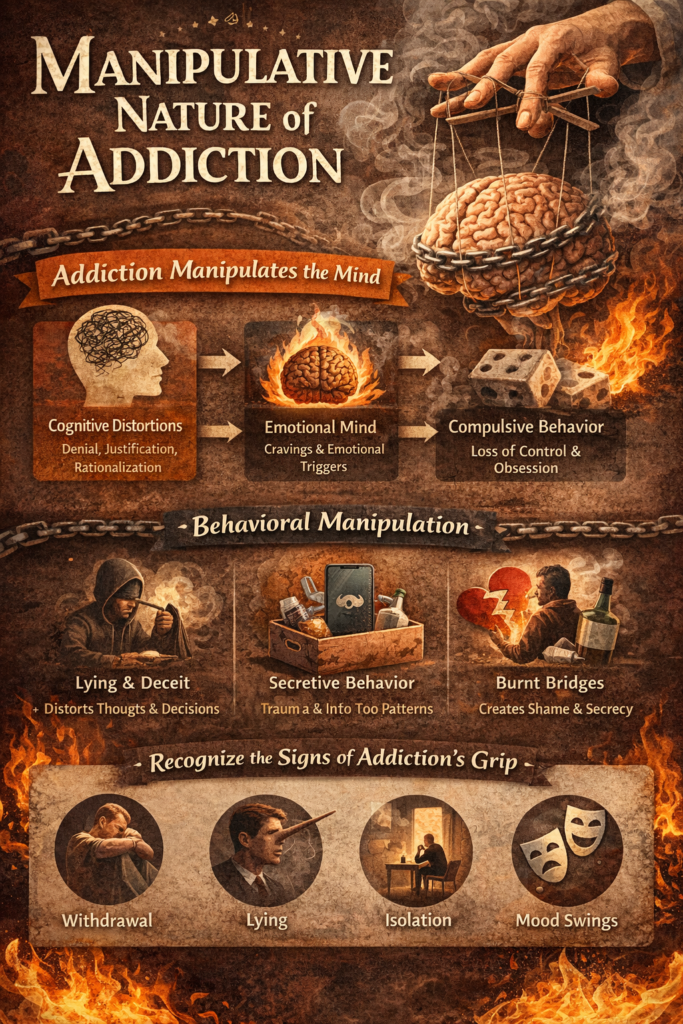
Addiction can feel like a trap you never saw coming. It’s sneaky in the way it takes over thoughts, choices, and even your sense of who you are. When people talk about addiction, there’s often a focus on substances or behaviors, but what sometimes gets missed is just how manipulative addiction itself can be. Here, I’ll share a personal and practical look at what that really means and how it plays out in real life.
Understanding Just How Addiction Works
Addiction isn’t just about willpower or making the wrong choices. It’s more like a tangled web that slowly develops in the brain, changing the way a person thinks, feels, and behaves. From the outside, it can look like someone is making bad decisions on purpose, but from the inside, it is a totally different story. The manipulative part comes in the way addiction tricks your mind and rewires what feels important.
Researchers have found that addiction works by hijacking the brain’s reward circuits. Dopamine, the “feel-good” chemical, plays a big role. Drugs, alcohol, or compulsive behaviors (like gambling or even scrolling endlessly on your phone) spike dopamine in ways that ordinary life can’t compete with. Over time, your brain craves that high above all else, even when it’s causing harm.
This isn’t just theory. I’ve watched people close to me struggle with addiction, and the way it pulls them in is honestly heartbreaking. It’s not just about getting a fix; the manipulation shows up in how priorities, memories, and logical thinking get twisted around. It’s important to realize that addiction reshapes both emotional and physical responses over time, making it harder to break free the longer it sets in. Whether someone is hooked on prescription medication or stuck in the cycle of binge eating, the underlying processes are remarkably similar. People often fail to recognize this, pinning the whole issue on moral weakness when in reality, biology and life circumstances deeply influence outcomes.
Signs Addiction Is Manipulating Thoughts and Actions
Addiction is called “manipulative” for a reason; it gradually changes the way you see yourself and the world. Here’s what that often looks like:
- Rationalizing Poor Choices: It gets easier to make excuses for why “just one more” is okay, even when it isn’t. The mind comes up with all sorts of justifications.
- Hiding or Lying: People often feel driven to hide their behavior from friends or family, even if they used to be open and honest. The pressure to keep feeding the addiction creates secrecy.
- Minimizing Consequences: The full impact of risky behavior gets swept under the rug. You start to believe that “it’s not that bad” or “I can stop anytime.”
- Blaming Others: Addiction often points the finger away. “If work wasn’t so stressful, I wouldn’t need this.” The manipulation goes both ways: addiction protects itself by making outside problems seem bigger than they are.
I’ve seen these patterns show up in lots of different situations, and they’re pretty hard to spot from the inside. That’s what makes addiction so sly; it changes self-perception, not just habits. Sometimes, even friends or family will miss the signs until things spiral. For instance, someone might become convinced that deceptive actions are necessary for survival, and this extremely sly self-justification keeps them on the same destructive path.
How The Manipulation of Addiction Impacts Relationships
The effects of addiction aren’t limited to just one person. Families and friends get caught up as well. The manipulation reaches into relationships in all sorts of ways:
- Broken Trust: Even small lies or broken promises add up over time. It can get really hard for loved ones to know what’s real.
- Emotional Rollercoaster: Watching someone you care about go back and forth with addiction can be exhausting. Mood swings, anger, and sudden changes in behavior put a strain on everyone involved.
- Enabling: Sometimes, without realizing it, family or friends try to “help” in ways that actually allow addiction to continue, like covering up problems or making excuses to employers.
- Isolation: People struggling with addiction might pull away from social circles, either out of guilt or because spending time with others doesn’t align with feeding the addiction.
I once saw a friend cut himself off from his family for years, not because he wanted to, but because his addiction convinced him he was better off alone. That’s a really tough kind of manipulation that can be hard to undo. Building healthier habits with loved ones can take time, but reconnecting usually has huge benefits for recovery. Support from others can sometimes be the push someone needs to break the spell and recognize the manipulation for what it is.
Why Breaking Free Can Feel So Overwhelming
Addiction often creates a powerful sense of helplessness. Even when someone wants to stop, the manipulation keeps pulling them back. Here are a few reasons why breaking free feels so tough:
- Physical Dependence: The body can adjust to a substance or behavior in extreme ways, leading to withdrawal symptoms or intense cravings if it suddenly stops.
- Mental Traps: The brain starts convincing itself that life without the addiction won’t be satisfying or even possible. This kind of thinking is a big barrier to change.
- Social Pressure: In some circles, using substances or engaging in risky behaviors might even be expected. It can feel like you’re losing a community just by getting sober.
- Fear of Change: Addiction is familiar, and change is scary, even if it’s for the better.
Going through withdrawal, whether it’s from alcohol, nicotine, or even something like social media, isn’t just uncomfortable. The manipulative part is that addiction convinces you you’re better off giving in again, just to stop the discomfort. And sadly, that’s when people really start to believe quitting isn’t possible. What’s encouraging, though, is that with each attempt to set boundaries, it often becomes a bit easier next time—small changes do add up.
Building Awareness: Key Steps to Recognizing Manipulation
The first move in breaking free is learning to spot the tricks addiction plays. It can be tough to recognize, but here are some strategies I’ve seen work for folks trying to get clarity:
- Keep a Daily Journal: Take notes about moods, cravings, or any choices that feel “off.” Over time, patterns start to emerge, and so do manipulative thought cycles.
- Talk With Someone You Trust: Whether it’s a friend, therapist, or support group, getting another perspective can help you see through the fog addiction creates.
- Learn the Facts: Reading up on how addiction works can make it easier to notice when your own thoughts are being influenced by old habits. The National Institute on Drug Abuse (NIDA) is a good place to start.
- Set Small Boundaries: Try making a tiny change, like delaying a behavior by ten minutes, to practice noticing how strong the pull of addiction is. Even small wins give you more control back.
No one has to figure all of this out alone. Support and information go a long way in breaking through addiction’s manipulations. A big piece of the puzzle is self-reflection, paying closer attention to habitual patterns, and checking in with trusted people who won’t judge. Sometimes, outside eyes spot what you might miss yourself.
The Most Common Myths About Addiction’s Manipulation
Some beliefs about addiction just aren’t accurate and can even get in the way of recovery. Here are a few I’ve heard way too often:
- “Addiction is just a choice.” While the first use might be a choice, addiction gets its grip through genuine brain changes, not just poor decision-making. Genetics and family history can set the stage, too.
- “People with addiction are trying to hurt their loved ones.” Most of the time, the manipulative behaviors aren’t personal. They’re driven by the addiction, not by who the person truly is. It’s important for loved ones to remember this, since guilt and blame help no one.
- “If you really wanted to quit, you would.” Motivation is just one ingredient, and manipulation makes it really tough to see the way out, even with strong willpower. Recovery usually requires structure, support, and new strategies.
- “Relapse means you’ve failed.” Recovery is rarely a straight line, and setbacks are part of the process, not a reason to give up. Learning from slip-ups often builds strength for the future.
Busting these myths can be super helpful for both people struggling with addiction and the folks who want to support them. Better understanding shifts blame off the person and onto the addiction, which is where it belongs.
Real-World Ways to Push Back Against Addiction’s Manipulation
It’s possible to outsmart the ways addiction tries to control the story. Here are some practical tactics I’ve seen make a difference:
- Get Professional Help: Support from counselors, addiction specialists, or programs like SMART Recovery can add layers of accountability and teach skills for challenging manipulation.
- Connect to a Support Network: Groups like Alcoholics Anonymous or local recovery meetings let people share experiences and offer advice from those who’ve been through it.
- Focus on Small Changes: Sometimes even brief periods of abstinence or reduction (like “sober weekends”) create motivation to keep going, and show that control is possible.
- Practice Self-Compassion: Addiction loves shame. Being kind to yourself as you work through old habits cuts down on the power the addiction has over your self-worth. Building up a toolkit with simple self-care routines, mindfulness exercises, or new hobbies also makes a huge difference in shifting focus away from cravings.
Each step forward chips away at the manipulations, making space for real recovery. Try not to measure progress only in big milestones—sometimes the smallest wins, like reaching out for help or trying a new coping strategy, are the most meaningful signs of change.
Frequently Asked Questions
Here are some things people often ask about addiction’s manipulative nature:
Question: Why do people lie or hide the extent of their addiction?
Answer: Addiction can make someone feel ashamed or afraid of judgment. Avoiding honesty is a defense, not a lack of care or trust.
Question: Can you overcome addiction’s manipulation alone?
Answer: Some people manage on their own, but having support makes the process clearer and less isolating. Getting help isn’t a sign of weakness; it’s a smart move.
Question: What’s one practical way to notice manipulation happening?
Answer: Notice if excuses start showing up more often, especially about why a behavior is “necessary.” Tracking reasons and patterns can reveal manipulation in action.
Recovery doesn’t always move quickly. The best progress is steady, honest, and includes regular check-ins with yourself and others. Remember, addiction fights hard to keep control, but being open about struggles, reaching for support, and tracking your thoughts step by step all create cracks in the armor that keep the cycle going. Every bit of effort helps let truth and healing in.
Video: