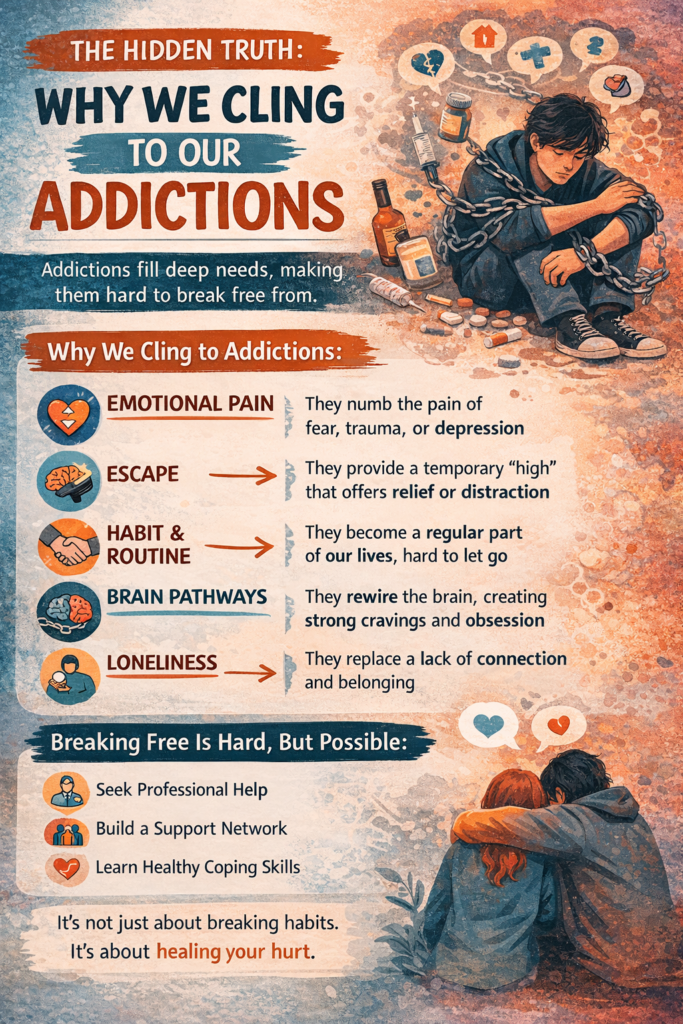
Living with addiction isn’t just about chemical hooks or lack of willpower. There are layers beneath the surface that keep us stuck in the loop. I’ve spent plenty of time reading about, talking with, and reflecting on addiction, and it’s clear that the reasons people hold onto addictive habits are both complicated and deeply human. Understanding why these attachments linger can change how we approach recovery, whether it’s for ourselves or for the people we care about.
Why Addiction Isn’t Just About the Substance
There’s this popular idea that people keep using drugs, alcohol, or even endlessly scrolling social media because of how these things physically change the brain. Chemicals definitely play their part, but addiction is way more than biology. Many people stick to their addictions because these habits are tied to emotions and memories, and even fill spaces where something else feels missing.
People develop attachments to routines, beliefs, and even pain. An addiction can actually help someone cope with stress, loneliness, or trauma, even if the relief is temporary or comes with heavy consequences. The truth is, the habit may become a friend of sorts, offering comfort and predictability. This is especially true when everything else in life feels chaotic.
Understanding the Real Roots of Clinging to Addiction
Breaking free from an addiction isn’t just about putting down a bottle or deleting an app. It’s about getting to the roots that keep someone reaching for those escapes. Here’s a closer look at those hidden reasons:
- Emotional Numbing: People often use substances or behaviors to dull pain, avoid negative feelings, or just check out for a while when things get overwhelming.
- Identity and Purpose: After years of using, addiction can get all tangled up in someone’s identity. It’s hard to imagine life—or who you are—without it.
- Structure and Routine: The everyday rhythms of addiction—times of day, places, rituals—can create a kind of comfort. The predictability feels safe, even when the routine isn’t healthy.
- Fear of Change: Letting go means heading for the unknown, and honestly, that’s scary for almost everyone. Sometimes, staying with familiar struggles feels safer than risking something new.
- Connection and Community: Sometimes, people find social circles or communities around their addictions. That sense of belonging can be hard to replace, even when the connections are built on unhealthy habits.
Breaking Down the Science: What’s Happening in the Brain?
Scientifically, addictions mess with the reward system in the brain. Dopamine, which is the brain’s feel-good messenger, gets released during addictive behaviors. Over time, the brain starts to crave that surge, and everyday pleasures might no longer seem as satisfying.
The strange part is, it’s not always about chasing pleasure. Once addiction has taken hold, people might keep using or repeating the behavior just to feel “normal” or to avoid withdrawal and anxiety. This craving for relief can become entangled with memories, stress, and other emotions, making the habit even harder to break.
How Emotional Pain and Unmet Needs Play a Role
Often, addiction covers up pain from past experiences or unmet emotional needs. Some people grow up in settings where they never really feel safe, seen, or accepted. Others deal with trauma that leaves lasting emotional scars. When feelings like shame, grief, or anxiety rise up, turning to a habit can feel like the only way to keep going.
I’ve listened to people who describe their addictions as something that helped them survive some of their worst days—almost like a shield. As time goes on, though, that shield starts to weigh them down. It’s helpful to see that holding onto addiction isn’t a failure. Sometimes, it’s just the brain and heart’s way of searching for comfort, even if that comfort comes with some strings attached.
Common Traps That Keep People Stuck
- Shame and Stigma: Feeling judged or misunderstood can make it harder to reach out for help, keeping people locked in their struggles.
- Negative Self-Talk: Telling yourself, “I’ll never quit” or “I’m just an addict,” can turn into self-fulfilling prophecies. It eats away at motivation and hope.
- Isolation: The more disconnected someone feels, the deeper they go into their habits for relief or company.
Emotional Numbing and Coping
Lots of people use addictive behaviors to push aside their emotional pain. Alcohol, drugs, gaming, or even nonstop checking of social media can distract from sadness, anger, or anxiety. It’s a quick escape, but it doesn’t actually solve the underlying problem.
Fear of Losing Identity or Control
For some, addiction is wrapped up tightly with their sense of who they are. If someone’s been using since they were a teen, it might feel impossible to imagine a version of themselves without the habit. Letting go can seem like losing part of their own history or their tools for getting through life.
Comfort in Routine
Habits can feel comfortable, even when they’re unhealthy. The routines wrapped around addiction can make the world seem a bit less chaotic. It’s tough for people to let go of these patterns, even as they admit they want something better.
What Really Helps: Strategies for Letting Go
Understanding why you—or someone you care about—clings to an addiction is a huge step toward moving forward. Here are some practical tips and strategies that can make a difference:
- Build Up New Routines: Start with tiny steps. Try replacing even just one part of an old habit with something that feels positive or calming. Over time, those little victories add up.
- Practice Self-Compassion: Treat yourself as kindly as you would a good friend who’s struggling. Beating yourself up usually backfires and can make the cycle worse.
- Find Connection: Recovery rarely sticks if you’re doing it all by yourself. Support groups, a friend who’s been there, or new communities around hobbies can make a world of difference.
- Face Underlying Emotions: Therapy, journaling, or creative stuff like art or music gives you a space to deal with the feelings that drive addictive behaviors.
- Make the Environment Work for You: If you can, remove reminders or easy access to old habits. Little changes in your environment can shrink the temptation to slip back.
Switching out old habits for new connections or uplifting routines won’t be a perfect journey. Setbacks are part of the ride. Every time you get back up and try again, you’re building new pathways—and making the old ones a little weaker.
Things to Consider Before Taking Recovery Steps
- Triggers: Triggers are people, places, or feelings that remind you of your habit. Knowing them helps you be ready for tough moments.
- Support: You don’t need a huge network. Even just one understanding person can keep you from feeling alone when things get tough.
- Small Wins: Celebrate the small victories. Each day away from old patterns matters—no win is too minor.
- Setbacks Happen: Slipping up isn’t the end of the story. It’s part of the process. See each stumble as a lesson in what you might need next.
Triggers: What To Watch For
Triggers can pop up anywhere. Maybe it’s an old bar, a tough day at work, or even a certain emotion. Keep a simple list or jot down notes on your phone about what triggers cravings. When you know your triggers, you can come up with better ways to cope—or avoid the toughest ones when you’re feeling raw.
Support Systems
Having support changes everything. Whether it’s a friend, a support group, or even an online forum, being able to talk to people who understand makes all the difference. There’s real comfort and strength in sharing the load with others.
Frequently Asked Questions
Here are some questions that come up pretty often for folks facing addiction or trying to support someone:
Question: Why do people keep going back to old habits even when they want to quit?
Answer: Habits tied to emotions, stress, or even places make them tough to break. The craving isn’t always for a high; sometimes it’s for the comfort and routine that goes with the habit.
Question: Can you really recover if you’ve been battling addiction for years?
Answer: Absolutely. Recovery isn’t a straight path, but people move forward all the time, no matter how long the struggle has lasted. Every new step, even small ones, matters.
Question: How can friends or family actually help?
Answer: The best ways are to listen without judgment, stay patient, and remind the person that change can happen. Encouragement—and compassion—go a long way.
The Takeaway: Addiction Is Complicated, But Change Is Possible
The real story about addiction is that it’s not just about weakness or poor choices. Underneath, there’s emotion, pain, and the basic human need for comfort and connection. If you or someone close to you is trying to let go of an addiction, patience and kindness matter most. Every step, even the rough ones, is important. Recovery is possible, no matter how many fresh starts you need. That’s a truth worth remembering.
Video: The Real Reason Addiction Has a Grip on You #psychology #shorts