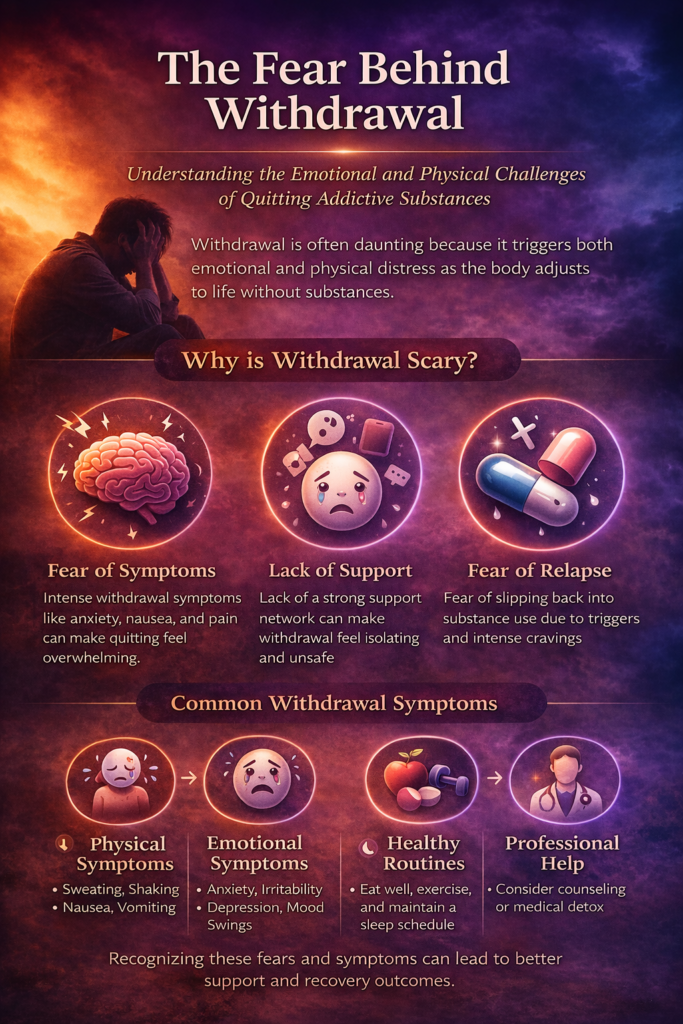
The fear that sits behind withdrawal is something I run into pretty often, whether someone’s wrestling with substance use, recovering from a tough relationship, or just struggling with making a life change. That hesitation to step toward healing is more relatable than people realize. It’s not just about willpower or wanting things to be different. It’s packed with anxieties, old coping mechanisms, the belief that everyone’s process looks different, and some pretty real personal doubts. I’m going to dig into a few reasons why withdrawal can feel so intimidating, and I’ll share practical ways to break through those barriers.
Why Withdrawal Feels So Scary
Withdrawal is more than a physical process, even if we usually hear about it when quitting a substance or stopping certain behaviors. That adventure can mean facing feelings and challenges most of us have tried to avoid. It doesn’t always matter if someone’s withdrawing from alcohol, social media, or even a toxic person. The emotional hurdles pop up just the same.
One big reason withdrawal feels scary is that it means facing discomfort head-on. There’s always a comfort—even if it’s not healthy—in familiar habits. Giving them up can feel like standing over a cliff, with no guarantee of what’s below. The brain is pretty set on keeping things predictable, and change can set off all sorts of alarms, even when it’s for the better.
The stories I’ve heard from others, and my own experiences, all echo this: the uncertainty about what comes next is usually what trips us up the most. Our minds jump to worst-case scenarios, especially when we don’t know how long the discomfort will last. This is all about survival instincts, but it doesn’t make the fear feel any less real.
Understanding the Barriers
When someone thinks about stepping into withdrawal, no matter the context, it’s not always the symptoms themselves that keep them from moving forward. Usually, it’s all the barriers built around the idea of change. Here are a few of the big ones I hear about most:
- Fear of Physical Discomfort: This is the classic worry with substance withdrawal. Everyone’s heard stories about shakes, sweats, and pain. That’s enough to make anyone hesitate.
- Emotional Vulnerability: When a coping mechanism disappears, feelings bubble up to the surface. That sudden hit of sadness, anger, or anxiety can be super intimidating.
- Social Pressures: Friends and family might not understand why someone is changing their habits. Loneliness or fear of losing connection gets in the way.
- Uncertainty About Identity: Habits and relationships we rely on start to feel like part of who we are. Losing them can trigger questions like “Who am I without this?”
- Fear of Failure: What if withdrawal is too hard, or doesn’t work out? The risk of going back to old habits sometimes feels worse than sticking to what’s familiar.
What Really Happens During Withdrawal
Withdrawal looks different for everyone, but there are a handful of symptoms and experiences that tend to show up time and again, whether you’re talking about coming off caffeine, ending a long relationship, or leaving behind a toxic habit. Here are a few patterns I’ve seen:
- Physical: Headaches, sleep problems, feeling sick, or random aches and pains.
- Emotional: Mood swings, irritability, anxiety, or even depression.
- Behavioral: Restlessness, struggling to focus, or picking up new habits to compensate.
- Mental: Questioning past choices, ruminating, or having trouble picturing a better future.
These all sound overwhelming at first, but just knowing what to expect can make things a bit less scary. The brain and body are pretty good at adapting, especially when you bring in support systems and some gentle self-compassion along the way.
Everyday Examples: Withdrawal Isn’t Just About Substances
It’s worth mentioning that withdrawal isn’t limited to drugs or cigarettes. Here are a few everyday scenarios I hear about often that can carry their own version of withdrawal and fear:
- Social Media Detox: It’s wild how anxiety ramps up the first day you delete your favorite apps. FOMO and boredom creep in quickly.
- Breaking Up with Someone: When a relationship ends, even if it was unhealthy, there’s often a deep sense of loss and a panic about what comes next.
- Changing Jobs or Careers: Giving up a draining job still triggers significant stress about identity and finances.
I’ve talked to people who find these changes just as hard, sometimes harder, than withdrawing from physical substances. The patterns overlap a lot. That’s a solid reminder that support and careful steps are helpful in tons of situations, not just traditional “addiction.” Even swapping a yearslong morning coffee ritual for tea can throw your body and mind for a loop. Regardless of what you’re stepping away from, the emotional journey is often surprisingly similar.
Simple Steps to Break Through the Barriers
Dealing with the fear around withdrawal doesn’t have to mean going it alone or making huge leaps. A handful of small steps add up over time. Here are some tips I lean on myself and encourage others to try:
- Find Community: This can be a professional support group or just a few friends who get what you’re dealing with. Even online forums help. Hearing “me too” is super powerful.
- Prepare for Discomfort: This might mean keeping comfort items nearby, having a list of activities to keep your mind occupied, or simply practicing a little self-kindness.
- Set Realistic Expectations: Withdrawal can be choppy. Some days are better than others, but setbacks don’t mean you’re failing.
- Focus on the Why: Keeping your reasons for changing close reminds you what you’re working toward.
- Reach Out for Professional Help: If anything feels too much, professional help is always an option. There’s absolutely nothing wrong with leaning on therapists or medical professionals.
Sometimes, making a list of your motivators or reminders for tough moments boosts your confidence. Other days, it comes down to showing yourself a little patience and returning to your plan, even after a setback. Plenty of people find daily routines helpful, such as creating a soothing morning ritual or winding down in the evening with a calming activity. These small shifts signal to your mind that you’re building stability, even in uncertain times.
Community Makes a Big Difference
I’ve found that sharing struggles makes a world of difference. Simply saying what I’m feeling—even if it feels awkward—lightens the emotional load. Connecting with someone else who understands takes some of the sting out of those tough moments. It’s easy to think you’re alone, but most people are carrying their own hidden battles. Sometimes, online communities and support networks even step in when face-to-face help isn’t available. It might feel vulnerable, but reaching out can help you reframe your struggles as normal human experiences.
Mindfulness Helps Tame the Unknown
Slow breathing exercises, journaling, or quick meditation sessions help ground me when fear ramps up. Mindfulness is a small daily habit that doesn’t make the fear vanish, but it makes it manageable enough to keep moving forward. Tuning in to your thoughts and bodily sensations gives you a better sense of what’s driving your discomfort, and eventually you can spot patterns that bring you reassurance. Even spending just a couple of minutes in mindful reflection throughout the day can shift your relationship to the withdrawal process.
Practical FAQ: Facing Withdrawal Fears
Questions always pop up around these topics. Here are some of the common worries and honest answers I’ve found helpful:
Question: What if the discomfort is worse than I expect?
Answer: Having a plan in place, like comfort strategies or friends on standby, takes the edge off. If things get harder than anticipated, that’s a cue to ask for extra support. There’s no shame in using what’s available to you—even scheduling a chat with a counselor or keeping a friend’s number handy for tough moments. Remind yourself that everyone’s process looks different, and that new resources can always be added along the way.
Question: How do I deal with relapses or setbacks?
Answer: Setbacks are common, and they don’t erase progress. A lot of healing is about trying again and tweaking what hasn’t worked. Being super hard on yourself usually makes things tougher; a little self-patience works better in the long run. If you do slip, ask what led to it and what you might do differently next time. Growth rarely follows a perfect path.
Question: Is it normal to feel lost after giving something up?
Answer: Definitely. Loss is often part of change, even when the old habit or connection wasn’t good for you. Things feel shaky for a while, but new routines eventually feel less scary. It’s part of the transition, and the confusion usually fades when you get comfortable with new patterns.
Real-World Benefits of Facing Withdrawal Fears
The benefits on the other side of withdrawal are easy to miss when you’re lost in discomfort. Getting to a point where the fear is less loud opens up space for healthier routines, better mental clarity, and stronger connections with others (and with yourself). Here’s what I regularly notice in myself and others:
- Regaining trust in your ability to handle hard things, which sticks with you in all sorts of situations later on.
- Making space for activities and relationships that lift you up, instead of those that keep you stuck.
- Recognizing that setbacks are just steps on the path, not reasons to feel ashamed or stop trying.
- More energy and motivation to try new things that once seemed too risky or intimidating.
- A clearer sense of purpose and a feeling of pride in your own growth, even with the bumps along the way.
The initial fear is valid, but it doesn’t get the last word. It’s impressive what can happen when someone starts to move through the discomfort, even just a little at a time. Stepping away from old patterns, one small chunk at a time, builds resilience and confidence, laying the groundwork for future change.
Healing usually looks less like a straight line and more like a bumpy hike with some decent views along the way. Facing withdrawal fear is challenging, but every step forward brings more confidence and room to grow. Remember, even when the anxiety is high and the path feels uncertain, you’re not alone in your struggle. Support, patience, and small daily shifts can gradually turn a mountain of fear into something you can walk through and leave behind.
Video: