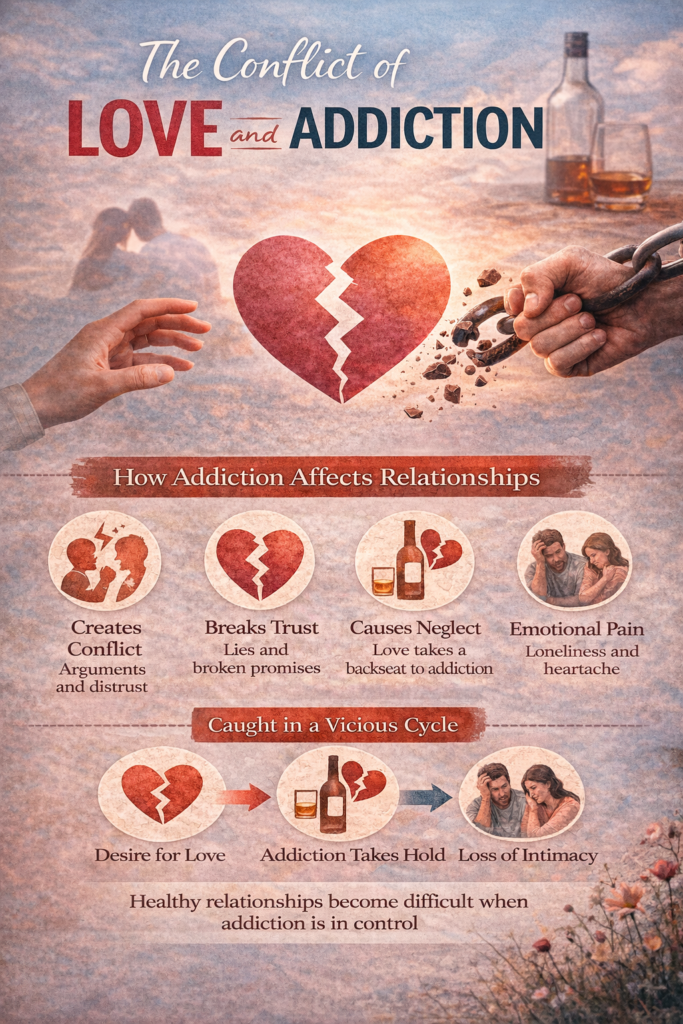
If you’ve ever found yourself caught between what feels like real love and a pull you just can’t break, you’re not alone. So many people get tangled up in relationships where it becomes hard to see the difference between loving someone deeply and feeling completely dependent on them. This dual burden can mess with your sense of self and make it tough to know what’s actually healthy in a connection. I’m going to break down what this looks like, how you can spot it, and what helps when everything feels a bit too much.
Understanding the Dual Burden: Love and Dependency
Addiction doesn’t just happen with substances or behaviors; a person can become addicted to another person, too. This is where things get tricky. There’s usually a tug-of-war between genuine feelings of love and a powerful dependency that goes well beyond what feels good or healthy.
When I talk about love, I’m talking about care, mutual respect, and support. Dependency, on the other hand, is more about relying on someone to fill a gap inside yourself, whether it’s for validation, emotional stability, or just plain fear of being alone. These two can look very similar in day-to-day life, so it’s worth learning the difference, especially if you want stronger, healthier bonds with others.
Relationship addiction is sometimes called “love addiction,” but really, it’s a mix of both caring for someone and needing them in a way that feels out of control. Psychology research has shown that this pattern often comes from early experiences, like inconsistent caregiving or a history of trauma (Psychology Today). Recognizing how these two forces pull you in different directions is a really important first step for getting unstuck.
How Love and Dependency Get Mixed Up
It’s not always easy to tell when healthy love has slipped over into something that looks more like dependency. Here’s what I usually notice in myself or others when those lines get fuzzy:
- Clinging to the other person’s approval: Feeling good only when your partner is happy with you and feeling lost or unworthy if things go sideways.
- Fear of being alone: The idea of being by yourself feels almost unbearable, even for short periods.
- Letting boundaries slide: Suddenly saying “yes” to things you’re not comfortable with, or ignoring your own needs to keep the peace.
- Need for constant connection: Wanting to check in all the time, needing frequent reassurance, or struggling when your partner is busy with other things.
Love on its own comes with a sense of freedom and warmth. Dependency tends to feel heavier, often tinged with anxiety, jealousy, or the urge to “fix” things that are really out of your control. Knowing the difference helps you spot when things might not be as healthy as they seem.
Getting Started: Recognizing Your Own Patterns
Understanding whether you’re experiencing love, dependency, or a mix of both starts with some honest self-reflection. I find it really helps to ask:
- Do I enjoy time on my own, or does it make me feel anxious or empty?
- When my partner disagrees with me, do I feel personally threatened?
- Are there times I say or do things just to avoid conflict, even if it hurts me?
- Do I believe that my happiness depends on another person’s actions?
There’s no shame in answering “yes” to some of these. It’s pretty common, and lots of folks have been there. The trick is knowing when a dependency is running the show, so you can start making changes if you want to.
What To Watch Out For: Warning Signs
Certain patterns signal when things are tipping into unhealthy territory. It’s worth being tuned in to these, whether you’re noticing them in yourself or a loved one:
- Isolation: Losing touch with friends or hobbies outside the relationship.
- Mood swings: Feeling up or down based almost entirely on your partner’s attention or mood.
- Dishonesty: Hiding how you feel, pretending to be okay with things you aren’t, or covering up problems so the relationship doesn’t get rocked.
- Neglecting self-care: Skipping meals, sleep, or activities you used to enjoy, all for the sake of keeping your partner happy.
- Obsessive thinking: Nonstop worry about your partner’s whereabouts, intentions, or level of interest.
Spotting even a couple of these is a sign it might be time to set some boundaries or reach out for support. Love should lift you up, but dependency can start to wear you down and make things feel out of balance.
Common Challenges and How to Handle Them
Breaking free from the cycle of dependency isn’t just about “trying harder.” Sometimes old habits and beliefs are deeply rooted. Here are a few challenges that pop up the most, along with practical ideas for handling them:
- Fear of rejection: Nobody loves feeling like they’re not wanted. Rejection can trigger real emotional pain, especially if you grew up feeling insecure.
- Difficulty with boundaries: Saying no can feel scary when you’re worried your partner will leave or get angry. Practicing small boundaries (like taking a night alone for self-care) helps you build up the confidence for bigger ones.
- Low self-worth: Depending on others for validation can be tempting if you don’t see your own value. Try listing your strengths and what makes you unique, then look back on the list whenever you need a reminder.
- Old patterns resurfacing: Sometimes, even when you’re aware of these challenges, you find yourself slipping back into old routines. Checking in with a counselor or a trusted friend is a good reset.
Everyone slips up sometimes. Progress is about noticing and making adjustments instead of getting stuck in guilt or shame.
Fear of Being Alone
This one is huge for most people. Loneliness usually triggers memories of abandonment or feeling left out. Building up your own life, including interests, friendships, and routines, makes aloneness much less scary and actually a bit more enjoyable. Instead of focusing entirely on your partner, try putting your time and energy into personal growth and hobbies that give you a sense of purpose outside the relationship. This helps build confidence and lets you see that you’re okay on your own, even if it takes time to get used to it.
Letting Go of Control
Dependency can lead to a craving to manage every detail of the relationship. Letting go means trusting that things can work out even if you aren’t holding all the strings. It’s a practice, and it takes time. Try focusing on what you can control—your actions, your words, your routines—and accepting that some things are simply outside your influence. Remember that healthy relationships thrive on trust and allow both partners some breathing room.
Strategies for Building Healthier Relationships
If you’re trying to move towards a healthier version of love, here are a few things that have helped both me and others I’ve worked with:
- Reconnect with yourself: Try spending some quality time on activities you enjoy solo, like listening to music, hiking, or journaling. Over time, these simple moments can help you rediscover your sense of individuality, making your relationship richer rather than all-consuming.
- Strengthen your support network: Friendship matters, and having people you trust gives you perspective outside the romantic relationship. Consider investing time in friendships and family connections. This kind of support can help ease the pressure on your partnership by offering balance and wise advice when you need it.
- Practice open communication: Being honest about your thoughts and feelings builds trust. If you’re scared, say so; it’s the foundation of real connection. Practice active listening and clearly share your needs—it might feel awkward at first, but with a bit of practice, it becomes much easier and builds intimacy.
- Keep healthy routines: Eat, sleep, move your body, and do things that help you recharge. Keeping your own cup full is especially important. Remember: your well-being is your responsibility and is just as important as caring for someone else.
- Set gentle boundaries: Start small and stick with it. Even little things, like asking for alone time, add up to stronger self-respect. Boundaries aren’t about shutting someone out; they’re about making sure both partners have enough space to feel comfortable, heard, and respected.
Therapists and support groups offer guidance if things feel overwhelming. Exploring options like Co-Dependents Anonymous (CoDA) or talking to a counselor can help if old habits just won’t budge on their own. Even online forums or local support meetups can give you a fresh perspective and encouragement for your progress.
Frequently Asked Questions
Here are some common questions people often have about the balance between love and dependency in relationships:
Question: How can I tell if I’m in a relationship driven by love or dependency?
Answer: If your happiness feels tied to your partner’s mood or attention, or if you find it hard to be alone, dependency might be playing a big role. Love makes room for both togetherness and independence. Consider checking in with yourself, asking how you feel when apart, and whether you’re comfortable with your own company.
Question: What are some first steps for breaking free from unhealthy dependency?
Answer: Start by filling your own days with routines and interests that belong just to you. Building your support network outside the relationship is also super helpful. Remember, practicing small acts of independence is how you create room for healthier love to grow.
Question: Is it normal to feel a little dependent in a relationship?
Answer: A bit of dependency is part of many relationships, but if you’re feeling constantly anxious or like you can’t function without your partner, it’s worth exploring ways to get more balance. Remind yourself that both partners should feel valued, supported, and free to be themselves.
Key Takeaways for Finding Balance
Knowing the line between love and dependency helps you find more freedom and peace in relationships. Whether you’re working on this alone or with support, reminding yourself of who you are outside of any relationship is super important. If you catch yourself sliding into old patterns, take a breath; it’s totally possible to shift towards healthier, more joyful connections over time.
Learning about the push and pull between love and dependency is a powerful step toward building the kind of relationships that enrich your life rather than take it over. Keep checking in with yourself, ask for support if things get rough, and don’t forget: loving someone should feel good, not like a burden you can’t put down. Remember, every step toward a balanced relationship is a step toward a happier, healthier you.
Video: I Chose Him Over His Addiction—Then I Lost Everything #toxic #healing #realstory