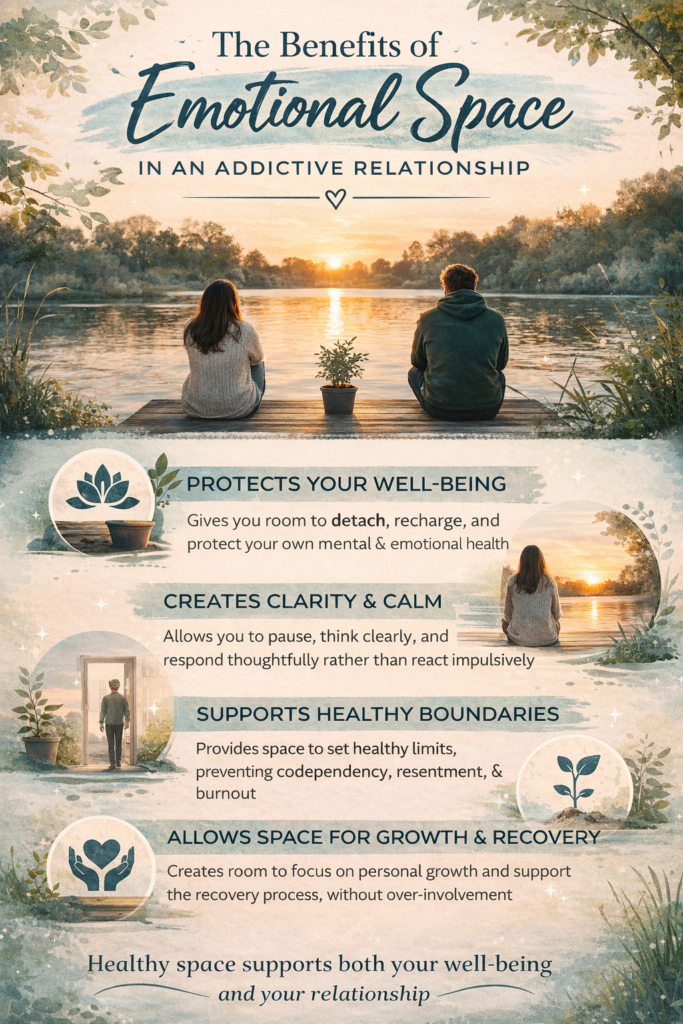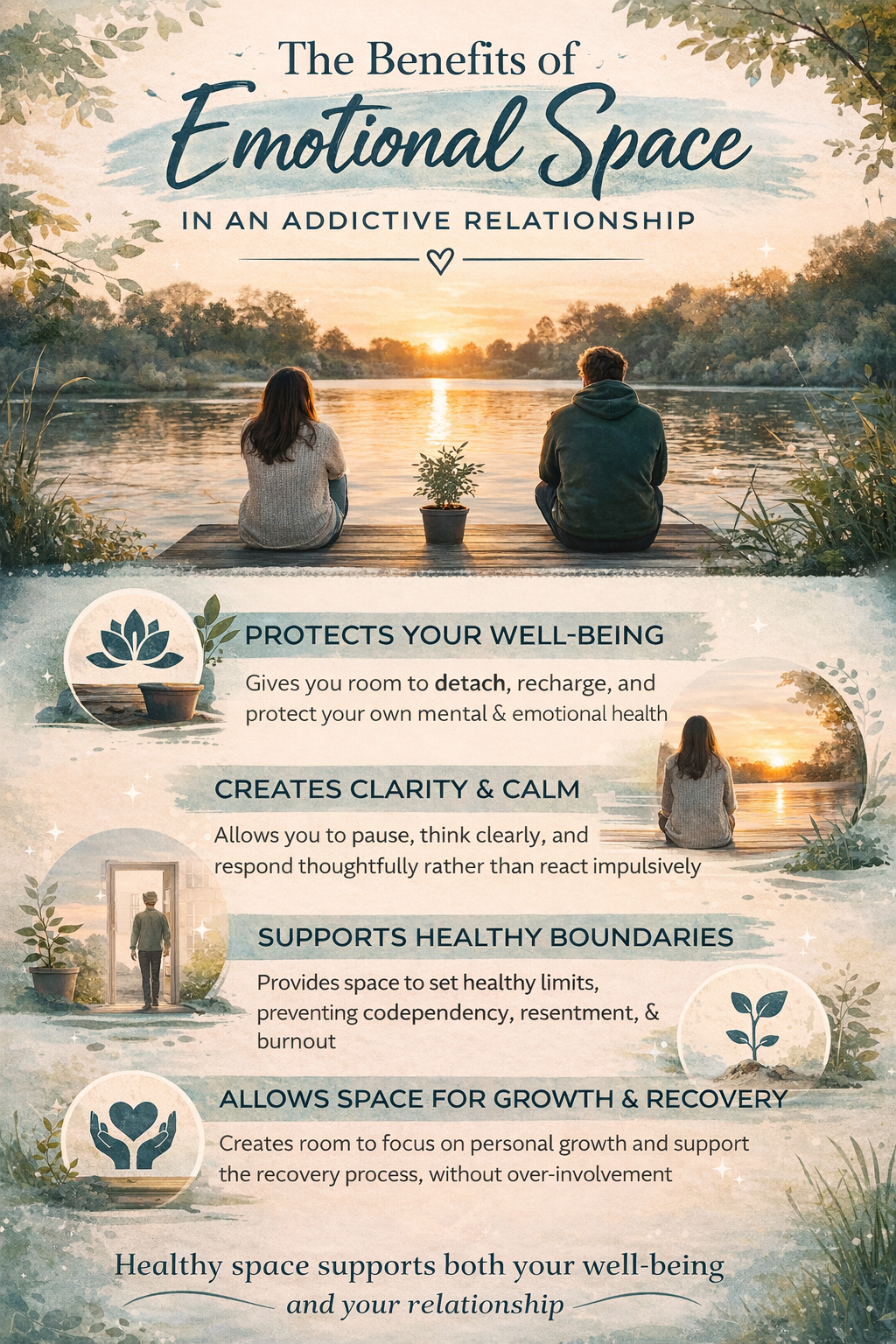
In relationships affected by addiction, emotions can become intense and difficult to manage. Loved ones often get pulled into cycles of worry and constant involvement, believing it’s the best way to help. However, without emotional space, this can lead to exhaustion, conflict, and blurred boundaries.
Emotional space offers a healthier approach. It allows people to stay connected while maintaining clarity, balance, and a sense of self. By creating space, support becomes more intentional rather than reactive, leading to stronger, more stable relationships.
The Strength in Stepping Back: Understanding the Benefits of Emotional Space
In relationships—whether romantic, familial, or personal—it’s easy to believe that closeness means constant connection. That love requires immediate responses, shared emotions, and always being available. But in reality, too much emotional closeness without boundaries can lead to overwhelm, miscommunication, and even disconnection.
Emotional space is not distance in the sense of withdrawal—it’s intentional room to breathe, process, and stay grounded in yourself. When used in a healthy way, it doesn’t weaken relationships. It strengthens them.
🌿 Emotional Space Supports Clarity

When emotions are intense, it’s easy to react impulsively.
Emotional space allows you to:
- Pause before responding
- Understand your own feelings
- Separate reaction from intention
Benefit: You respond thoughtfully instead of reacting emotionally.
🧠 It Strengthens Emotional Regulation
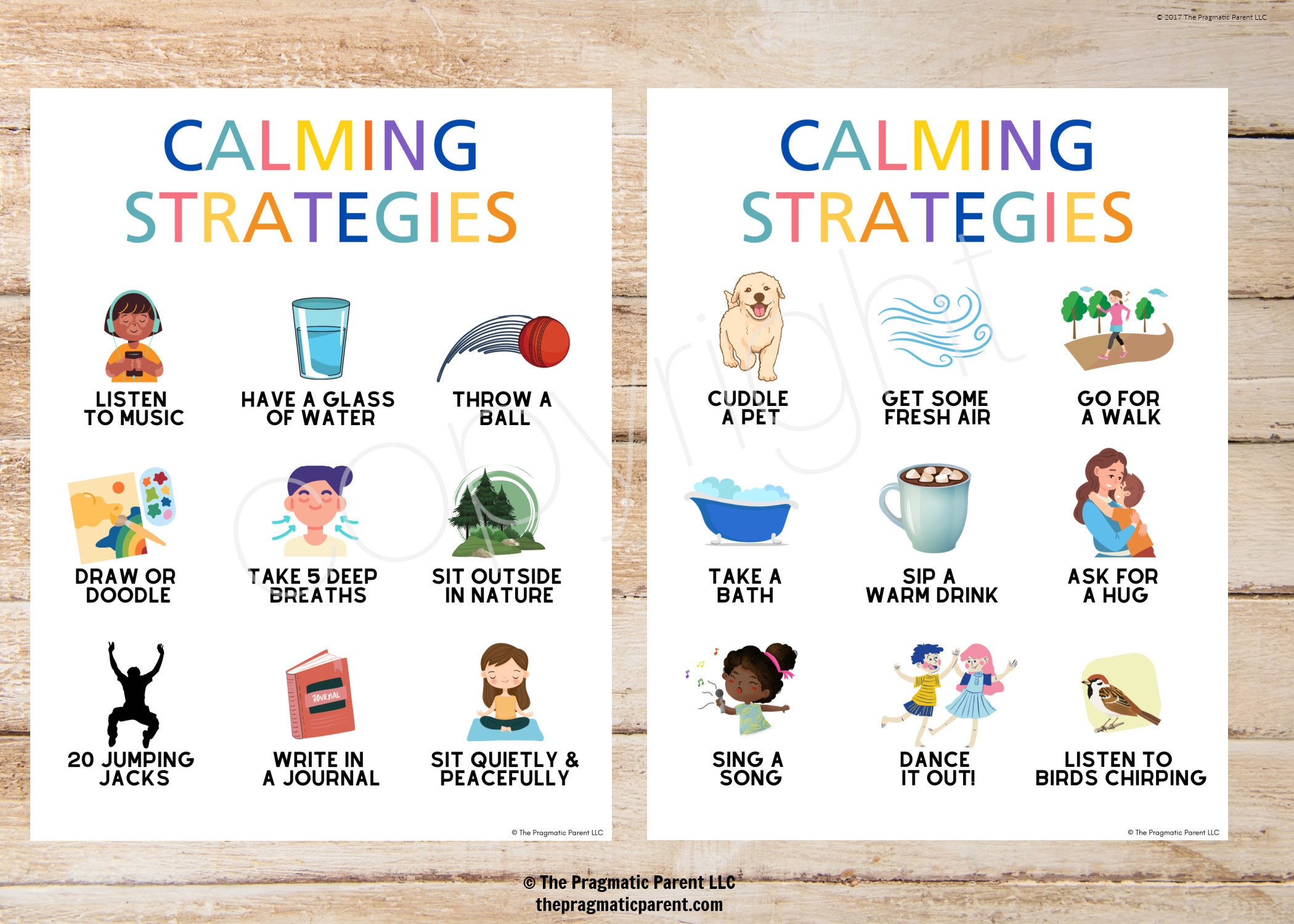
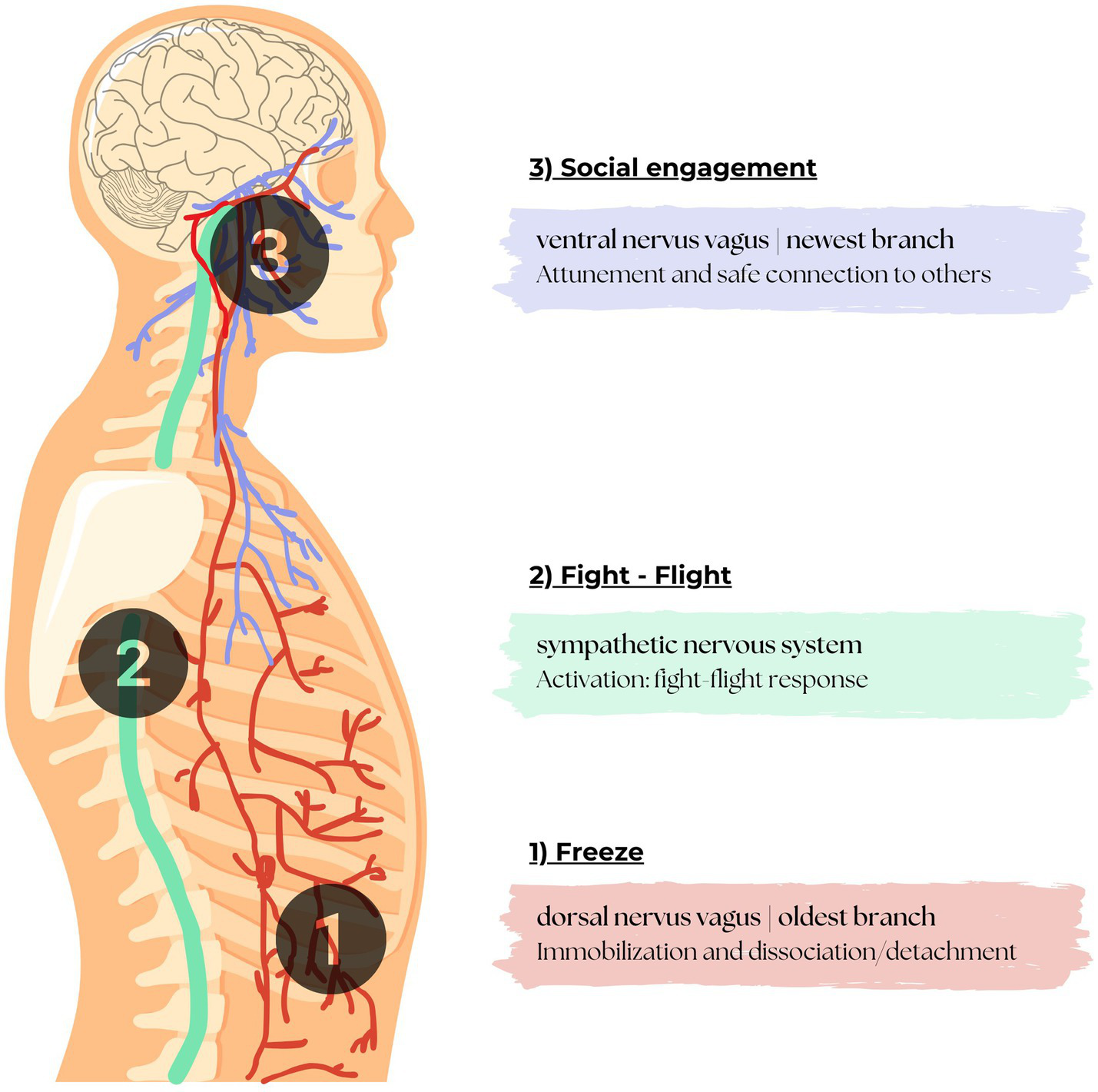
Without space, emotions can escalate quickly—especially in conflict.
Taking space helps:
- Calm the nervous system
- Reduce overwhelm
- Prevent emotional flooding
Benefit: You stay grounded instead of becoming reactive or shutting down.
🤝 It Creates Healthier Relationships
Constant emotional entanglement can blur boundaries and create pressure.
Emotional space:
- Prevents codependency
- Encourages individuality
- Allows both people to process independently
Benefit: Relationships become more balanced and less emotionally draining.
⚖️ It Helps Maintain Personal Identity

Without space, it’s easy to lose yourself in others’ emotions or expectations.
Emotional space allows you to:
- Stay connected to your own needs
- Reflect on your values and boundaries
- Maintain independence within connection
Benefit: You stay true to yourself while in a relationship with others.
🔁 It Improves Communication
Taking space doesn’t avoid communication—it improves it.
Instead of reacting in the moment, space allows you to:
- Organize your thoughts
- Speak more clearly and calmly
- Listen more effectively
Benefit: Conversations become more productive and less reactive.
🫀 It Reduces Conflict Escalation
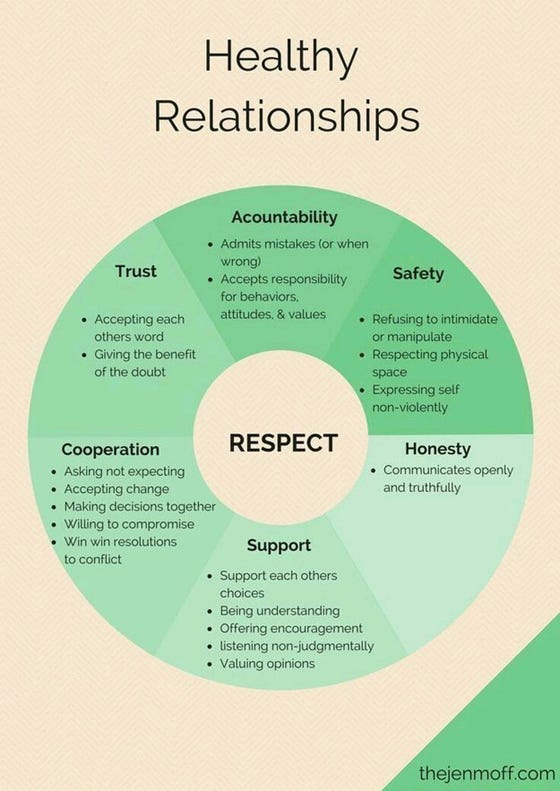
Many conflicts escalate because neither person pauses.
Emotional space:
- Interrupts the cycle of escalation
- Allows emotions to settle
- Prevents saying things that cause harm
Benefit: Problems are addressed—not intensified.
🌱 It Builds Trust and Safety
When emotional space is respected:
- People feel less pressured
- There’s room for honesty
- Boundaries are honored
Benefit: Relationships feel safer, not suffocating.
💬 Final Thoughts
Emotional space is often misunderstood as distance, avoidance, or disconnection. But in reality, it’s one of the most important tools for a healthy connection.
It allows you to:
- Stay grounded in yourself
- Respond instead of react
- Build stronger, more balanced relationships
Because closeness isn’t about constant contact—
It’s about being able to come back to each other with clarity, respect, and intention.
Sometimes, the healthiest thing you can do for a relationship
is to take a step back—so you can return more present than before.
Stepping Back to Stay Grounded: Self-Management Strategies for Emotional Space in an Addictive Relationship
In relationships affected by addiction, emotional intensity can run high. There may be cycles of crisis, reassurance, fear, and relief that pull both people into a constant state of reaction. Over time, it can become difficult to tell where one person ends and the other begins.
This is where emotional space becomes essential—not as a way to disconnect, but to stay grounded, clear, and emotionally stable within the relationship.
Self-management in this context means learning how to create space within yourself, even when the relationship feels overwhelming.
🔍 Recognize When You’re Emotionally Flooded
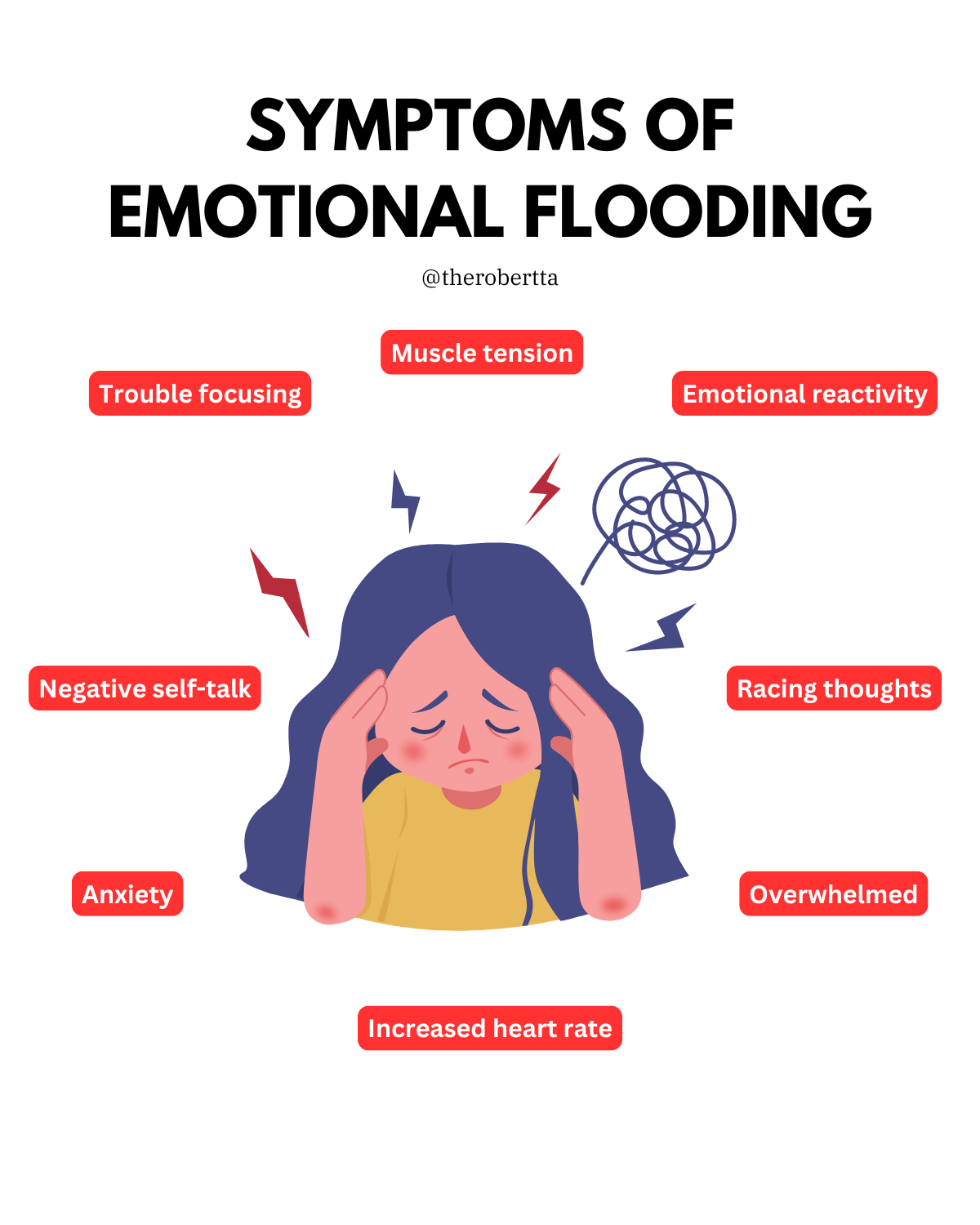
In addictive relationships, emotions can escalate quickly.
Notice signs like:
- Feeling responsible for the other person’s emotions
- Urgency to fix, rescue, or control
- Anxiety when you’re not in contact
- Difficulty thinking clearly
Strategy: Awareness is the first step. You can’t create space if you don’t recognize when you need it.
⏸️ Practice Pausing Instead of Reacting

Addictive dynamics often create pressure to respond immediately.
Instead:
- Pause before replying to messages or calls
- Take a few breaths before engaging
- Give yourself time to think
Strategy: A pause creates emotional distance, allowing you to respond intentionally rather than reactively.
🧠 Separate Their Experience From Yours
One of the hardest parts of these relationships is emotional merging.
Remind yourself:
- Their feelings are not your responsibility
- Their recovery is not something you can control
- You can care without absorbing everything
Strategy: Use language like, “This is theirs, not mine,” to mentally separate.
🫁 Regulate Your Own Nervous System
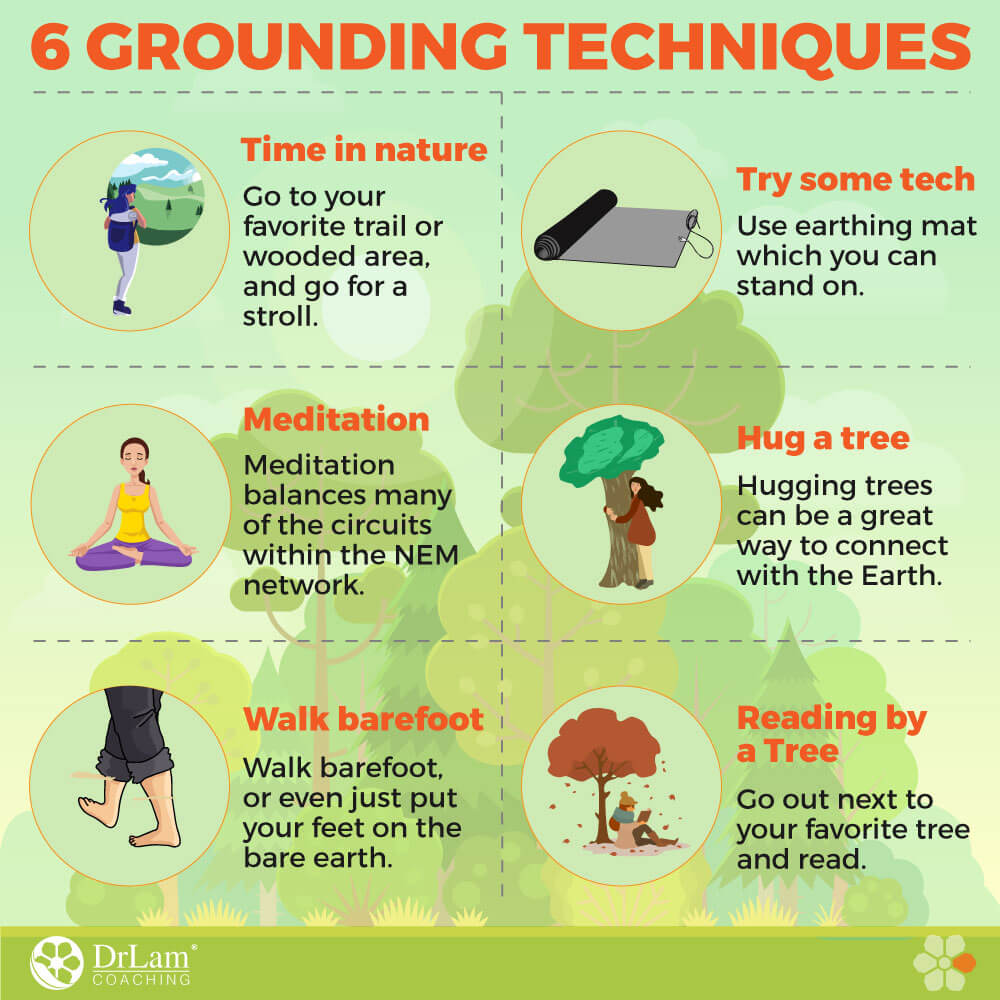
Emotional space isn’t just mental—it’s physical.
Try:
- Slow breathing (long exhales)
- Grounding exercises (notice your surroundings)
- Stepping outside or moving your body
Strategy: When your body is calm, you’re less likely to get pulled into reactive patterns.
⚖️ Set and Maintain Emotional Boundaries


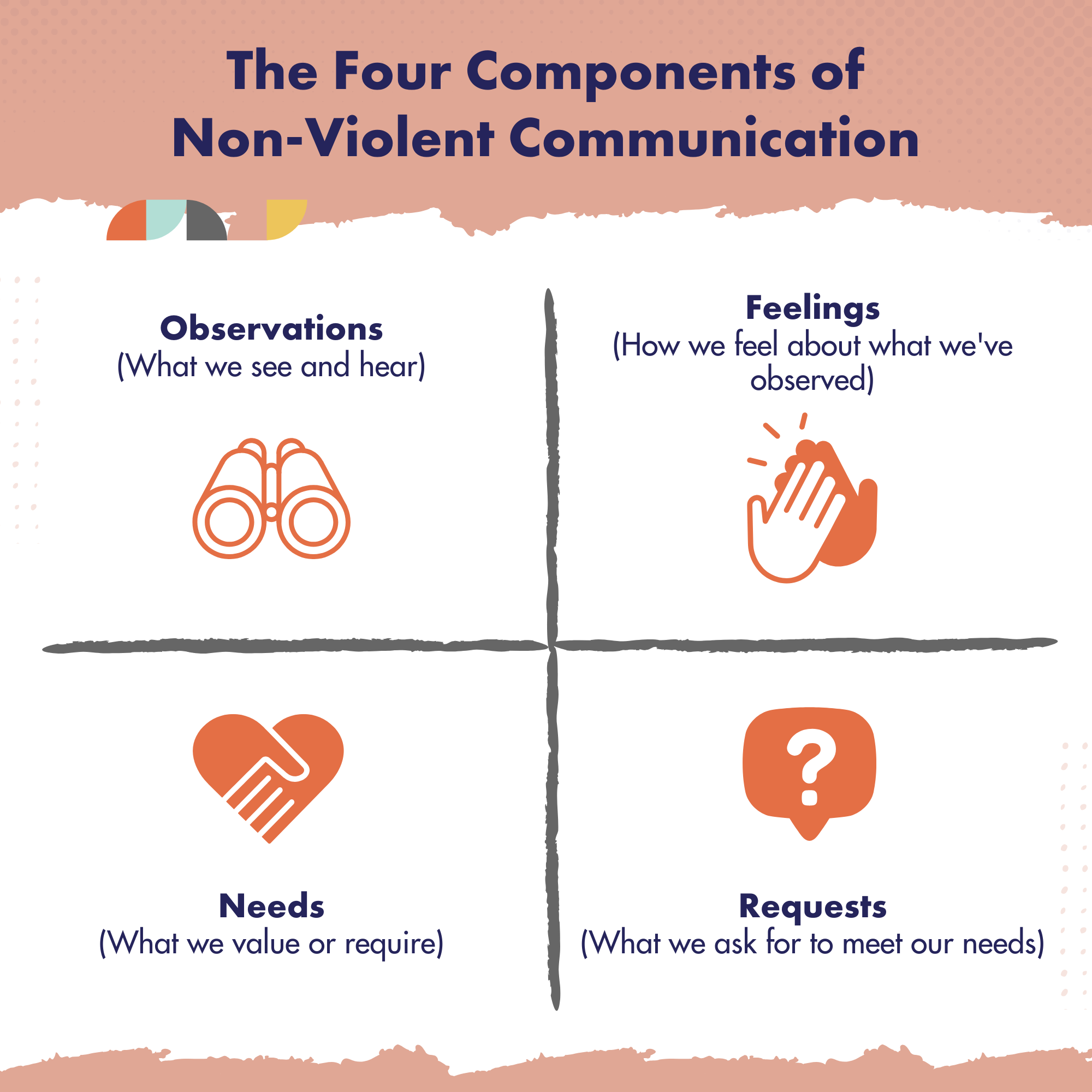
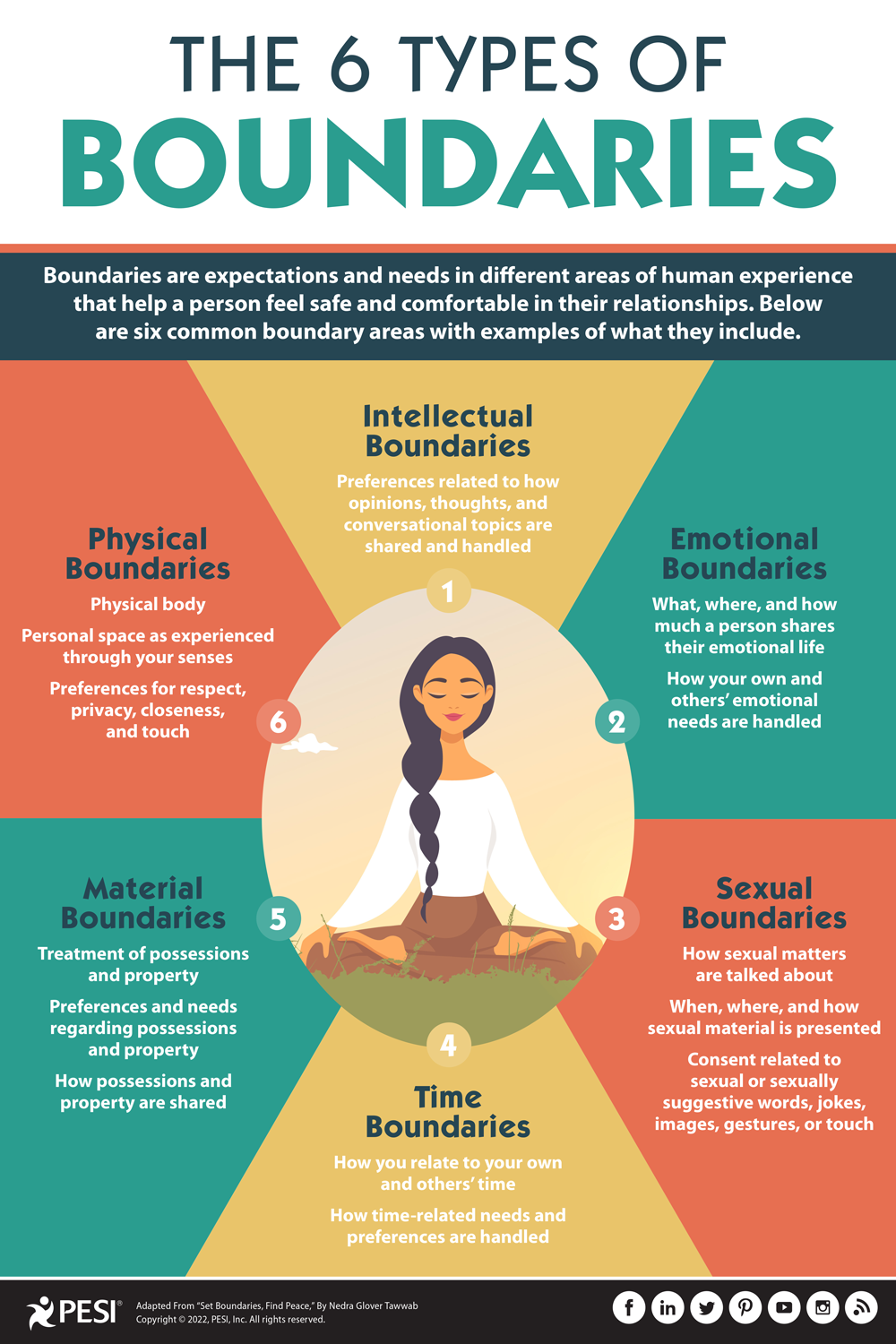
Emotional space requires boundaries.
This might look like:
- Not engaging in conversations when emotions are high
- Saying “I need time to think.”
- Limiting how much you take on emotionally
Strategy: Boundaries protect your emotional energy—they don’t mean you don’t care.
🔁 Break the “Fix-It” Cycle
In addiction-related relationships, it’s common to feel responsible for fixing things.
But constantly stepping in can:
- Increase your stress
- Reduce their accountability
- Keep the cycle going
Strategy: Shift from fixing to supporting. There’s a difference.
🌱 Create Space for Your Own Life
Emotional space isn’t just about distance—it’s about presence in your own life.
Make room for:
- Your interests and hobbies
- Time with friends or alone
- Activities that ground and fulfill you
Strategy: The more connected you are to your own life, the less consumed you’ll feel by the relationship.
🧭 Check In With Yourself Regularly
Ask:
- How am I feeling right now?
- Am I acting from fear, guilt, or clarity?
- Do I need space in this moment?
Strategy: Self-check-ins keep you aware and prevent slipping back into automatic patterns.
💬 Final Thoughts
Emotional space in an addiction-affected relationship is not about pulling away—it’s about staying grounded enough to remain healthy within it.
Self-management means:
- Pausing instead of reacting
- Regulating instead of absorbing
- Setting boundaries instead of overextending
Because you can care deeply for someone
without losing yourself in the process.
And sometimes, the most supportive thing you can do—for both of you—
is to take a step back, breathe, and stand in your own space.
Loving With Space: Family Strategies for Supporting Emotional Distance in an Addictive Relationship
In relationships affected by addiction, emotions can become intense, unpredictable, and overwhelming—for both the person struggling and the family around them. It’s natural for families to respond by getting closer, trying harder, and becoming more involved. But sometimes, the most supportive thing a family can offer is not more closeness—it’s healthy emotional space.
Emotional space doesn’t mean detachment or lack of care. It means creating room for clarity, boundaries, and stability so that support doesn’t turn into exhaustion, control, or emotional overwhelm.
🔍 Understand Why Emotional Space Matters
In addictive relationships, emotional lines can blur:
- Family members may feel responsible for the person’s choices
- Emotions become shared, absorbed, or intensified
- Reactions replace thoughtful responses
Family strategy: Recognize that emotional space helps both people stay grounded. It allows support without losing stability.
💬 Encourage Communication That Respects Space
Support doesn’t mean constant checking, questioning, or emotional pressure.
Healthy communication includes:
- “I care about you, and I’m here when you’re ready to talk.”
- “Let’s take a moment and come back to this calmly.”
- Allowing pauses in conversations without forcing resolution
Strategy: Give space within communication. Not every moment needs immediate discussion or fixing.
🫁 Model Calm and Regulation Instead of Reactivity
When emotions rise, families often react quickly—out of fear, concern, or frustration.
Instead:
- Slow down your responses
- Lower your tone
- Step away if needed
Family strategy: Your calm creates emotional space. It reduces escalation and supports better interaction.
⚖️ Set Boundaries That Create Healthy Distance
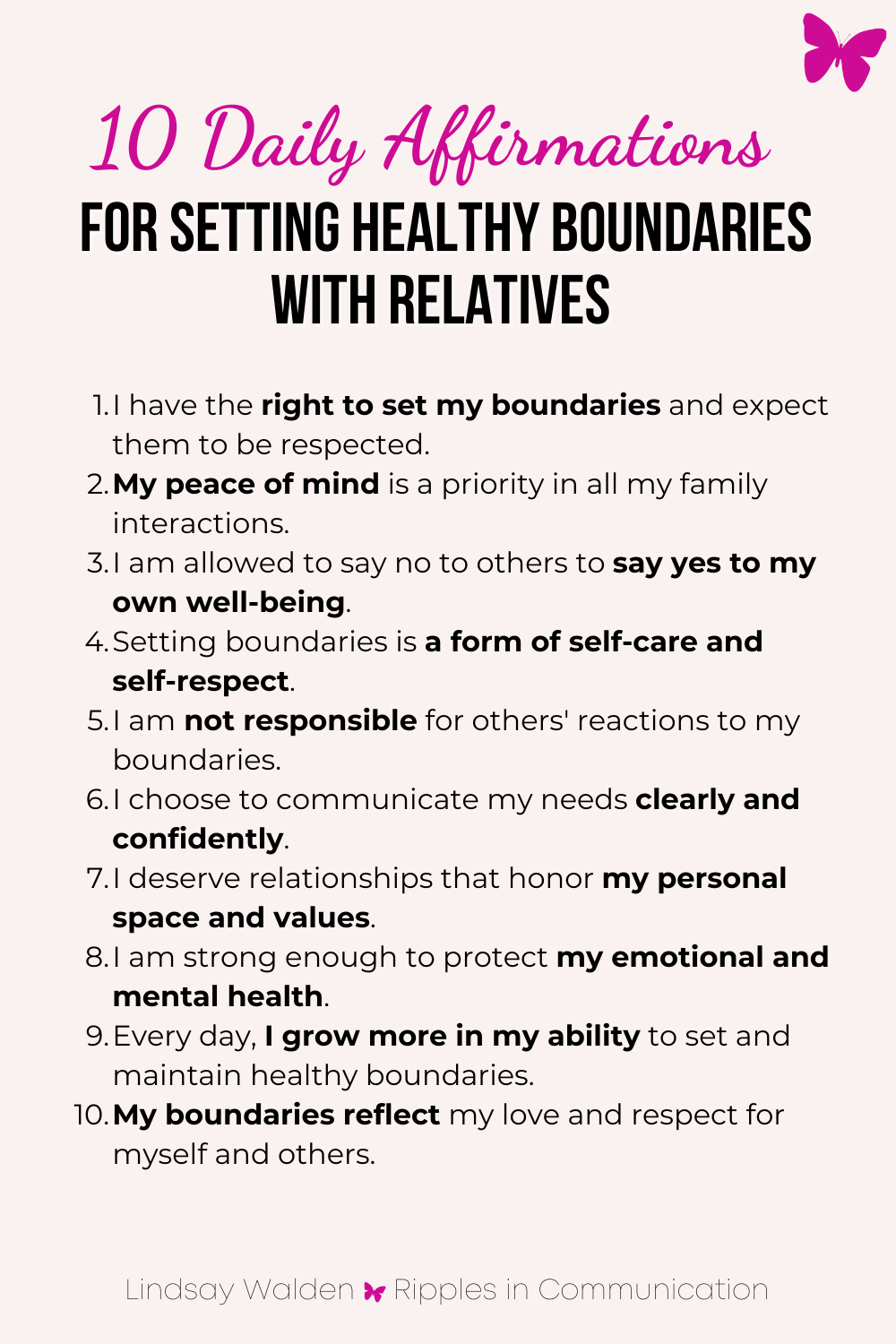
Emotional space is built through boundaries.
This might include:
- Not engaging during arguments or high emotion
- Not taking responsibility for their recovery
- Limiting how much emotional energy you give in certain situations
Key idea: Boundaries don’t push people away—they create conditions where a healthier connection is possible.
🔁 Step Out of the “Rescue” Role
Families often feel the urge to fix, prevent, or control outcomes.
But over-involvement can:
- Increase emotional exhaustion
- Reduce the individual’s accountability
- Reinforce unhealthy patterns
Family strategy: Support without rescuing. Allow space for the person to face consequences and make choices.
🌱 Encourage Independence Alongside Support
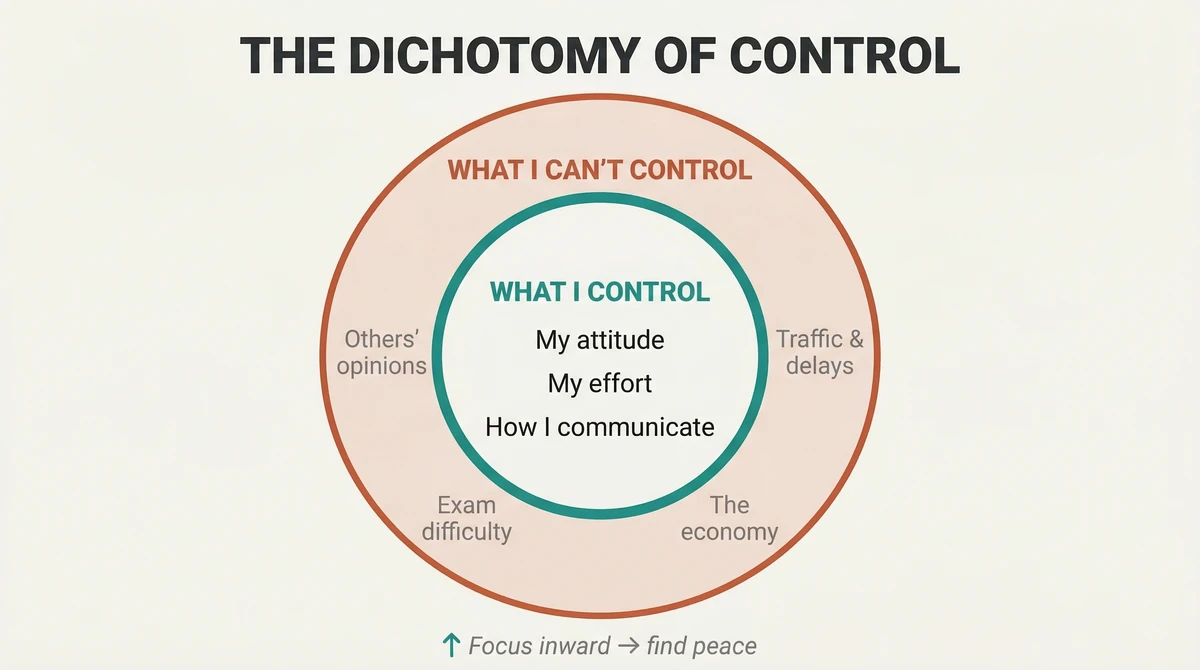
Emotional space allows the individual to:
- Take ownership of their recovery
- Build self-awareness
- Develop independence
At the same time, they still know support is there.
Strategy: Be available—but not overbearing.
🧭 Take Care of Your Own Emotional Well-Being
Families often overlook their own needs.
But emotional space also means:
- Having your own support system
- Taking breaks when needed
- Not centering your life entirely around the addiction
Family strategy: Your stability matters. It strengthens your ability to support effectively.
💬 Final Thoughts
In addictive relationships, it’s easy to believe that more involvement equals more support. But without emotional space, support can become overwhelming—for everyone involved.
Healthy emotional space allows families to:
- Stay grounded instead of reactive
- Support without overextending
- Maintain connection without losing themselves
Because real support isn’t about holding on tighter—
It’s about knowing when to step back, breathe, and create space for healthier change to happen.
Sometimes, the most loving thing a family can do
is give just enough space for both people to grow.
Creating Space to Heal: Community Strategies for Supporting Emotional Boundaries in Addictive Relationships
In relationships affected by addiction, emotional intensity can become overwhelming—not just for individuals and families, but for entire communities. Without healthy boundaries, support can turn into over-involvement, burnout, or cycles of crisis and reaction.
This is where emotional space becomes essential—not as distance or disconnection, but as a stabilizing force. Community resources play a powerful role in helping people understand, practice, and maintain this balance.
Because healing doesn’t just require connection—
It requires the right kind of connection, supported by space.
🧠 Community Education: Redefining Support and Space
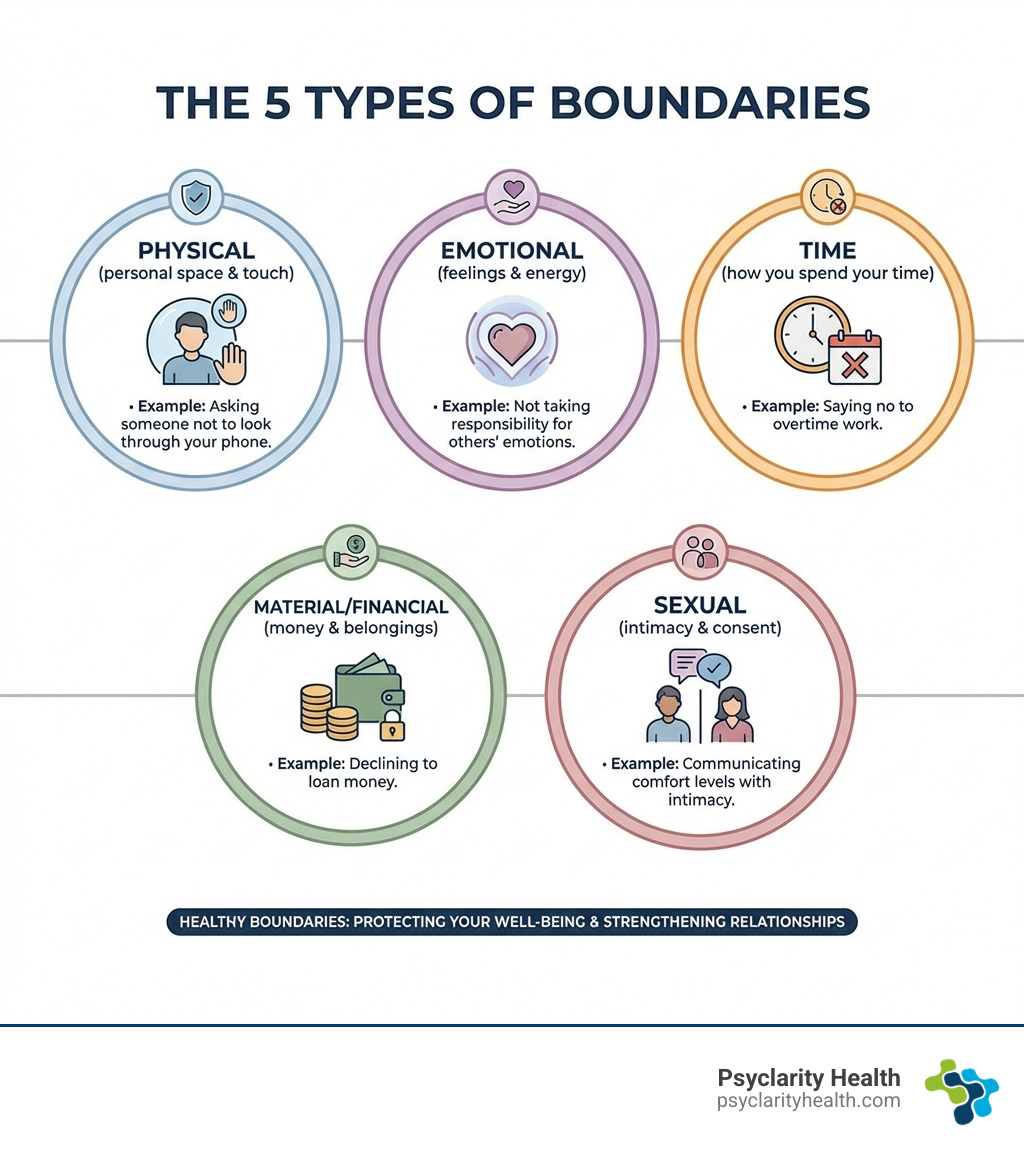

Many people equate support with constant involvement. Community education helps shift this perspective.
Programs and workshops can teach:
- The difference between support and over-involvement
- The role of emotional space in healthy relationships
- How boundaries reduce harm and improve stability
Strategy: Equip individuals and families with the knowledge they need to support others without becoming overwhelmed.
🤝 Peer Support Groups That Model Healthy Boundaries
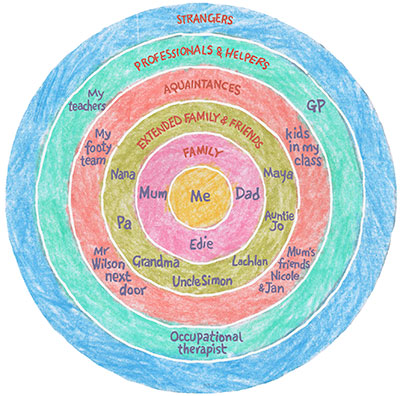
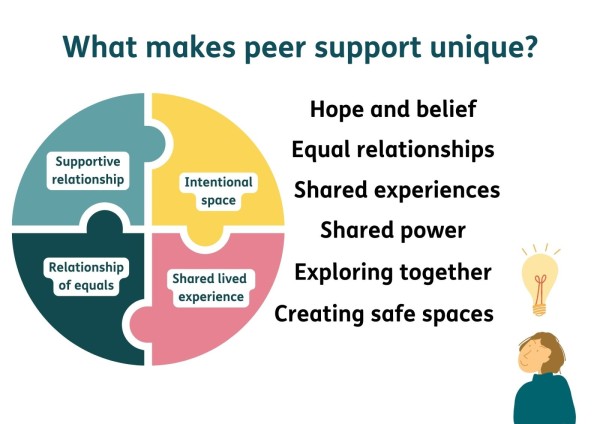
Peer support environments (such as recovery or family support groups) naturally provide emotional space.
In these settings:
- People share without being “fixed.”
- Listening is prioritized over reacting
- Boundaries are respected
Community strategy: Encourage participation in groups that model connection with space, not control.
🧭 Access to Family and Relationship Counseling
Professional support helps families and individuals:
- Understand emotional entanglement
- Learn boundary-setting skills
- Practice communication that includes space
Therapists can guide:
- When to step in
- When to step back
- How to stay supportive without losing balance
Strategy: Use counseling as a structured way to build healthier relational patterns.
🏠 Community Spaces That Reduce Emotional Overload
Not all support needs to be active or verbal.
Community resources like:
- Recovery centers
- Quiet or mindfulness spaces
- Wellness programs
…provide environments where individuals can:
- Regulate emotions
- Reflect without pressure
- Experience calm without constant interaction
Strategy: Offer spaces that support stillness and self-regulation, not just engagement.
🔁 Normalize Stepping Back as a Healthy Choice
Communities often emphasize involvement—but rarely emphasize restraint.
A healthier message is:
- It’s okay to pause
- It’s okay to take space during conflict
- It’s okay not to carry everything
Community strategy: Promote emotional space as a sign of awareness and strength—not avoidance.
🌱 Building a Culture of Balanced Support
When communities integrate:
- Education about boundaries
- Peer models of healthy interaction
- Access to counseling
- Calm, supportive environments
…they create a culture where:
- People feel supported without pressure
- Relationships are less reactive
- Emotional space is respected and practiced
💬 Final Thoughts
In addictive relationships, it’s easy to believe that more closeness equals more care. But without emotional space, support can become overwhelming—for individuals, families, and communities alike.
Community resources have the power to redefine what healthy support looks like:
- Connected, but not consuming
- Present, but not controlling
- Supportive, but with space to breathe
Because true healing doesn’t happen in constant intensity—
It happens in environments where people feel safe enough to step back,
regulate, and return with clarity.
And in that balance between connection and space,
healthier relationships—and lasting recovery—can grow.
Frequently Asked Questions
Here are some common questions:
1. What is emotional space in an addictive relationship?
Emotional space is the ability to stay connected while maintaining your own emotional boundaries and identity. It means not becoming overwhelmed, reactive, or consumed by the other person’s behavior, even when addiction is present.
2. Isn’t creating space the same as pulling away or not caring?
No. Emotional space is not about withdrawal—it’s about healthy distance. It allows you to care without:
- Over-involving yourself
- Absorbing their emotions
- Losing your own stability
It’s a form of intentional support, not disconnection.
3. Why is emotional space so important in addictive relationships?
Because these relationships often involve:
- High emotional intensity
- Cycles of crisis and relief
- Blurred boundaries
Without space, it’s easy to become overwhelmed, reactive, or emotionally exhausted. Space helps maintain balance and clarity.
4. How does emotional space benefit the person supporting someone with addiction?
It helps you:
- Protect your mental and emotional well-being
- Reduce anxiety and burnout
- Think more clearly and respond calmly
- Maintain your own identity and life
You can support someone without losing yourself.
5. How does it benefit the person struggling with addiction?
Emotional space:
- Encourages personal responsibility
- Reduces dependence on others to regulate emotions
- Allows them to face consequences and make choices
- Supports their growth and recovery process
Too much involvement can unintentionally delay change.
6. What are the signs that there isn’t enough emotional space?
- Feeling responsible for their behavior or recovery
- Constant worry or preoccupation
- Difficulty focusing on your own life
- Reacting immediately to every situation
- Emotional exhaustion or resentment
These are signs of emotional entanglement.
7. How can I start creating emotional space?
Start small:
- Pause before responding
- Take time to process your own feelings
- Set limits on conversations or involvement
- Remind yourself what is and isn’t your responsibility
Space is built gradually, not all at once.
8. What role do boundaries play in emotional space?
Boundaries are the foundation of emotional space.
They help define:
- What you will and won’t take on emotionally
- How you engage during conflict
- What behaviors can you support
Without boundaries, emotional space is hard to maintain.
9. Will creating space hurt the relationship?
In the short term, it may feel unfamiliar or uncomfortable. But in the long term, it often:
- Reduces conflict
- Improves communication
- Creates healthier dynamics
Space strengthens relationships by making them more balanced.
10. What if the other person reacts negatively to space?
That can happen, especially if they’re used to high involvement.
Stay consistent:
- Communicate calmly and clearly
- Reassure them you still care
- Maintain your boundaries
Their reaction doesn’t mean the space is wrong—it may mean it’s new.
11. How does emotional space reduce conflict?
It allows time to:
- Calm down before responding
- Avoid impulsive reactions
- Think clearly about what to say
This prevents escalation and leads to more constructive conversations.
12. Can emotional space help prevent codependency?
Yes. Emotional space:
- Separates your emotions from theirs
- Reduces over-responsibility
- Encourages independence for both people
It’s one of the most effective ways to shift away from codependent patterns.
13. Is emotional space something you practice all the time?
It’s not about constant distance—it’s about knowing when space is needed.
Healthy relationships move between:
- Connection
- Space
- Reconnection
The balance is what matters.
14. How do I know if I’m creating a healthy space vs. avoiding?
Ask yourself:
- Am I stepping back to gain clarity or to escape completely?
- Am I still willing to engage in a healthy way later?
A healthy space leads to better connections. Avoidance leads to disconnection.
15. What is the biggest benefit of emotional space in these relationships?
Clarity.
Emotional space allows you to:
- See the situation more objectively
- Make intentional choices
- Stay grounded in yourself
And from that place, both support and recovery become more sustainable.
Conclusion
Recognizing the importance of emotional space shifts the focus from over-involvement to balanced support. It allows individuals and families to care without becoming consumed, to respond rather than react, and to maintain their own emotional well-being while supporting someone in recovery. Emotional space does not weaken relationships—it strengthens them by creating room for reflection, accountability, and personal growth. In the context of addiction, where emotions can easily become overwhelming, this space becomes a vital tool for sustaining both the relationship and the well-being of everyone involved.
Video: