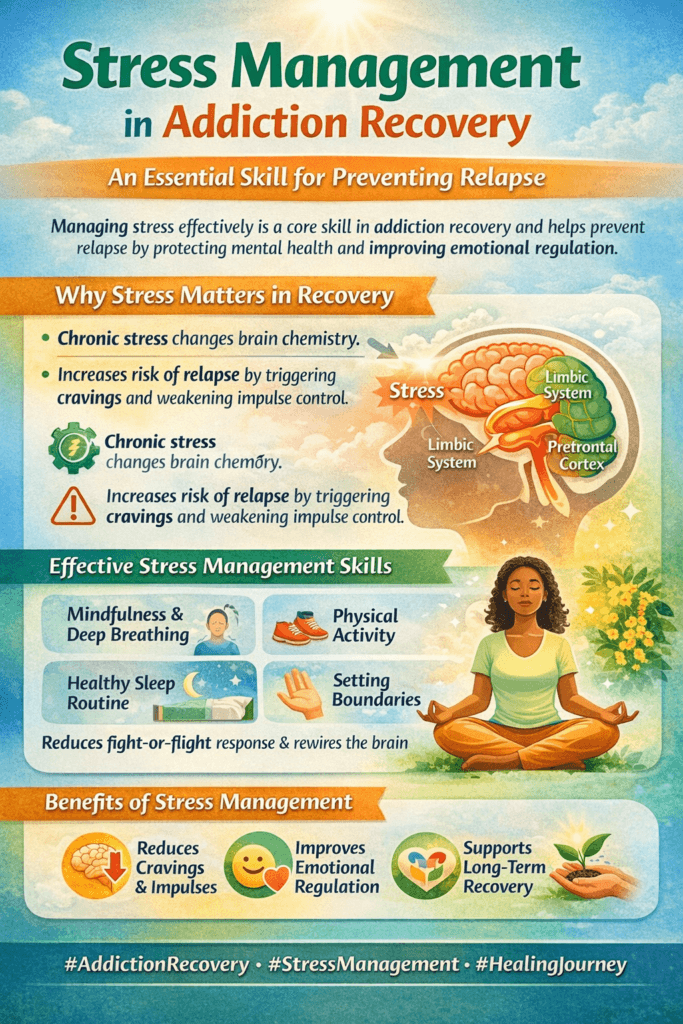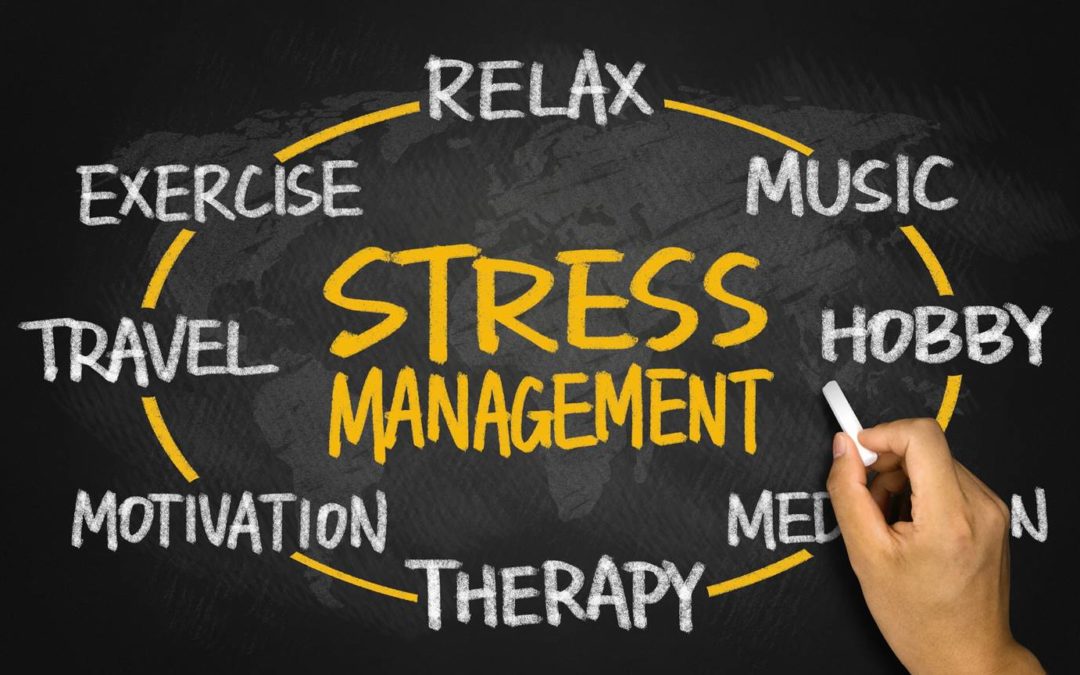
If you’re working through addiction recovery, dealing with stress often feels like an extra weight you just don’t need. But stress shows up for everyone, and managing it makes a real difference, especially when you’re committed to staying sober. I’m breaking down practical stress management tips you can actually use, whether you’re fresh into recovery or further along in the adventure.
Why Stress Shows Up During Addiction Recovery
Stress finds its way into everyone’s life, but recovery introduces some unique sources. Old routines, familiar triggers, and even the process of rebuilding relationships can bring on anxiety and pressure. During early recovery, your body and mind are adjusting after substance use. Dopamine levels may still be leveling out, making it easier to feel overwhelmed. Many people in recovery notice that they react more strongly to things that wouldn’t have bothered them before.
Along with these personal changes, there are practical worries, like work pressure, financial stress, or simply fear about the future. When I first started my own adventure, even small changes, like getting back into a regular routine or relearning how to deal with feelings, felt exhausting. This is perfectly normal. Understanding that stress is a natural part of recovery helps you avoid self-blame and take smart steps to handle it.
Practical Steps to Manage Stress in Recovery
Managing stress while in recovery isn’t about sweeping problems under the rug. It’s about learning what works for you and building habits that support your mental health. Here are some of my favorite strategies:
- Stay Active: Regular movement, even just a walk around the block, can help reset your mood and settle anxious thoughts. Exercise boosts endorphins and often distracts from rumination.
- Set Simple Routines: Keeping your day predictable goes a long way. I used to think I had to pack my schedule with plans, but simple consistency, like waking up and eating at the same times, helped the most.
- Practice Mindful Breathing: When stress spikes, I use slow breathing exercises. Just a few deep breaths can calm racing thoughts or tension.
- Create a Calm Space: Clutter, noise, and chaos increase anxiety. Making a little sanctuary, even just a clean corner with a comfy chair, helps me breathe easier.
- Write Things Down: Journaling lets me dump my thoughts somewhere safe instead of letting them bounce around my head. Sometimes, just writing a few lines is all I need to get a fresh perspective.
Maintaining these habits tends to buffer stress, even when life gets unpredictable.
Common Challenges When Dealing with Stress in Recovery
Certain stressors can feel more intense during addiction recovery. Here’s what I’ve noticed, along with ways others often handle them:
- Old Triggers: Places, people, or even songs can spark cravings and stress. I steer clear of tricky situations, but sometimes you can’t avoid them entirely. Having a support buddy on speed dial is pretty handy.
- Social Pressure: Friends and family can be supportive, but some just don’t get it. Setting boundaries, even if it feels awkward, helps keep your environment safe.
- Lack of Sleep: Poor sleep makes stress way worse. If you’re struggling to shut off your brain at night, turning off screens an hour before bed or listening to calming music can really help.
- Negative Self-Talk: That little voice saying you’re not doing enough or aren’t “good” at recovery? Challenge it! Counter negative thoughts with reminders of your wins—even tiny ones count.
Tackling these challenges with a practical plan makes them much less daunting over time.
Stress Management Tips That Actually Work
- Use Grounding Techniques: The 5-4-3-2-1 exercise is my quick fix when I feel overwhelmed. It’s simple: notice 5 things you can see, 4 you can touch, 3 you can hear, 2 you can smell, and 1 you can taste. It snaps me back from anxious spirals.
- Limit Caffeine and Sugar: It’s tempting to go for comfort snacks, but caffeine and sugar can spike your energy and just as quickly crash it. Choosing snacks like nuts or fruit gives longer, steadier energy.
- Try Guided Meditation: There are loads of free apps and videos out there. Ten minutes a day lowers stress and helps you get a sense of control.
- Reach Out for Support: Whether it’s a sponsor, therapist, or online recovery community, talking to someone can make your worries shrink to a more manageable size.
- Avoid Information Overload: I used to scroll through news and social media when I felt anxious. Bad idea. Limiting your information intake gives your mind a break.
These are the strategies I come back to again and again. They’re easy to start and only require a bit of practice and consistency to see real changes.
Things to Consider When Building Your Stress Toolkit
Your toolkit might look different from someone else’s. That’s totally fine. There’s no “right” way, just what makes sense for you. Here are some important things to think about while creating your own go-to stress management plan:
- Personal Triggers: Looking back, I realized my stress shot up at certain times of day or around specific people. Notice the patterns so you can get ahead of them.
- Support Network: Some people have family and friends ready to help; others rely more on groups or professionals. Know who you can reach out to when things get tough.
- Recovery Resources: Many places offer free or sliding-scale counseling, hotlines, or groups focused on stress and relapse prevention. It’s worth checking them out to see what fits.
- Flexibility: What works one week might not work the next. Give yourself permission to mix it up as needed.
Personal Triggers
One thing that helps is noting which situations feel tough. Maybe it’s a stressful commute, lots of noise, or running into old friends connected to past habits. After a while, I was able to spot warning signs before stress boiled over and put a plan into action, like texting a friend or finding somewhere quiet for a few minutes. It’s not always easy, but recognizing your unique stress patterns can keep you from getting caught off guard.
Support Network
A strong support system doesn’t mean having dozens of people around. For me, even one or two steady friends made a huge difference. If I ever felt setbacks coming, just knowing I could talk to someone helped me through rough patches. Sometimes support means reaching out to a group, a therapist, or even an online community. What matters is having reliable, judgment-free support when you need it most.
Recovery Resources
Online meetings, apps, and even podcasts focused on sobriety and stress are all over the place now. Using those tools doesn’t mean you’re weak—it means you’re putting to work what’s available to keep growing and staying healthy. Don’t be shy about trying new resources; sometimes, stumbling upon the right group or tool can make things click.
Next-Level Stress Management: Advanced Techniques
If you’re comfortable with the basics, adding a few advanced techniques can make stress even less scary. Here are some that many people in recovery find helpful:
Progressive Muscle Relaxation: Tense and release muscle groups in your body, starting from your toes and working upward. It helps melt away pent-up anxiety you might not even realize is there.
Art and Music Therapy: Drawing, painting, or just listening to calming music can give your brain an outlet. You don’t need to be an artist—sometimes just doodling in a notebook helps.
Outdoor Activities: Spending time outside, whether in a city park or out in nature, is a real mood booster. It’s not only about getting fresh air; the change in scenery puts space between you and your worries. Even a short walk outdoors can break a spiral of anxious thoughts and give a sense of renewal.
Setting Boundaries: This means learning to say no, even if it feels uncomfortable. At first, I worried about disappointing people, but over time, it’s been super important for protecting both my recovery and my stress levels. Boundaries are a way to show respect for yourself and your needs.
Mixing these techniques into your routine not only keeps things interesting but adds new layers of resilience against stress. Remember, expanding your toolkit is a sign of growth—not a sign of struggle.
Real-Life Tools and Support for Everyday Recovery
Staying on top of stress during addiction recovery involves some trial and error. Over time, you’ll find what fits you best, but here are some practical tools that work well for a lot of people:
- Apps: There are apps for meditation, mood tracking, sober days tracking, and even meeting finders. A few popular ones include Calm, Insight Timer, and I Am Sober.
- Online Forums: Subreddits like r/stopdrinking and r/addiction offer support and tips 24/7. It’s helpful to read what works for others in similar situations.
- Hotlines: Crisis hotlines or recovery support lines are there any time. Sometimes just hearing another voice on the line is enough to pull you through tough moments.
- Community Groups: Local meetings, whether AA, NA, or secular groups like SMART Recovery, give you a safe space to talk openly about what’s causing stress and how to handle it together.
Test out different tools and see what sticks. It’s okay to switch things up. What counts is consistency in reaching for support and using resources when you need them.
Frequently Asked Questions
Question: What’s the quickest way to calm down during a stressful craving?
Answer: I recommend grounding exercises, like the 5-4-3-2-1 technique, or deep breathing for a few minutes. Reaching out to a trusted support person also helps distract and reassure you.
Question: Can stress trigger relapse, even after months of recovery?
Answer: Absolutely. Stress is a popular trigger, even well into long-term recovery. Building daily routines to deal with stress early helps reduce the risk.
Question: Are professional therapists helpful for stress in recovery?
Answer: Definitely. Therapists trained in addiction understand the connection between stress and relapse and can guide you with personalized strategies.
Getting Comfortable with Stress Management
Stress comes and goes, but recovery isn’t about feeling stressed. It’s about building a toolkit to help you handle stress without falling back on old habits. The more you practice, the more comfortable and confident you’ll get at handling life’s curveballs, one day at a time. Remember, it’s all about progress, not perfection. Keep experimenting, track down what works, and give yourself credit for every step forward. You’ve got this.
Video: This Is Why Stressed People Relapse #BrainScience #AddictionRecovery #Dopamine