Isolation and connection sit at the heart of addiction recovery. Addiction often pushes individuals into loneliness, secrecy, and emotional withdrawal, while recovery depends on rebuilding trust, belonging, and supportive relationships. Feelings of shame, fear, and stigma can make isolation feel safer than connection, especially in early recovery. Improving this balance requires intentional effort at multiple levels—through self-management skills that encourage healthy engagement, family support that fosters emotional safety, and community resources that create accessible, welcoming spaces for connection.
Isolation vs. Connection in Addiction Recovery: Why Healing Happens in Relationships
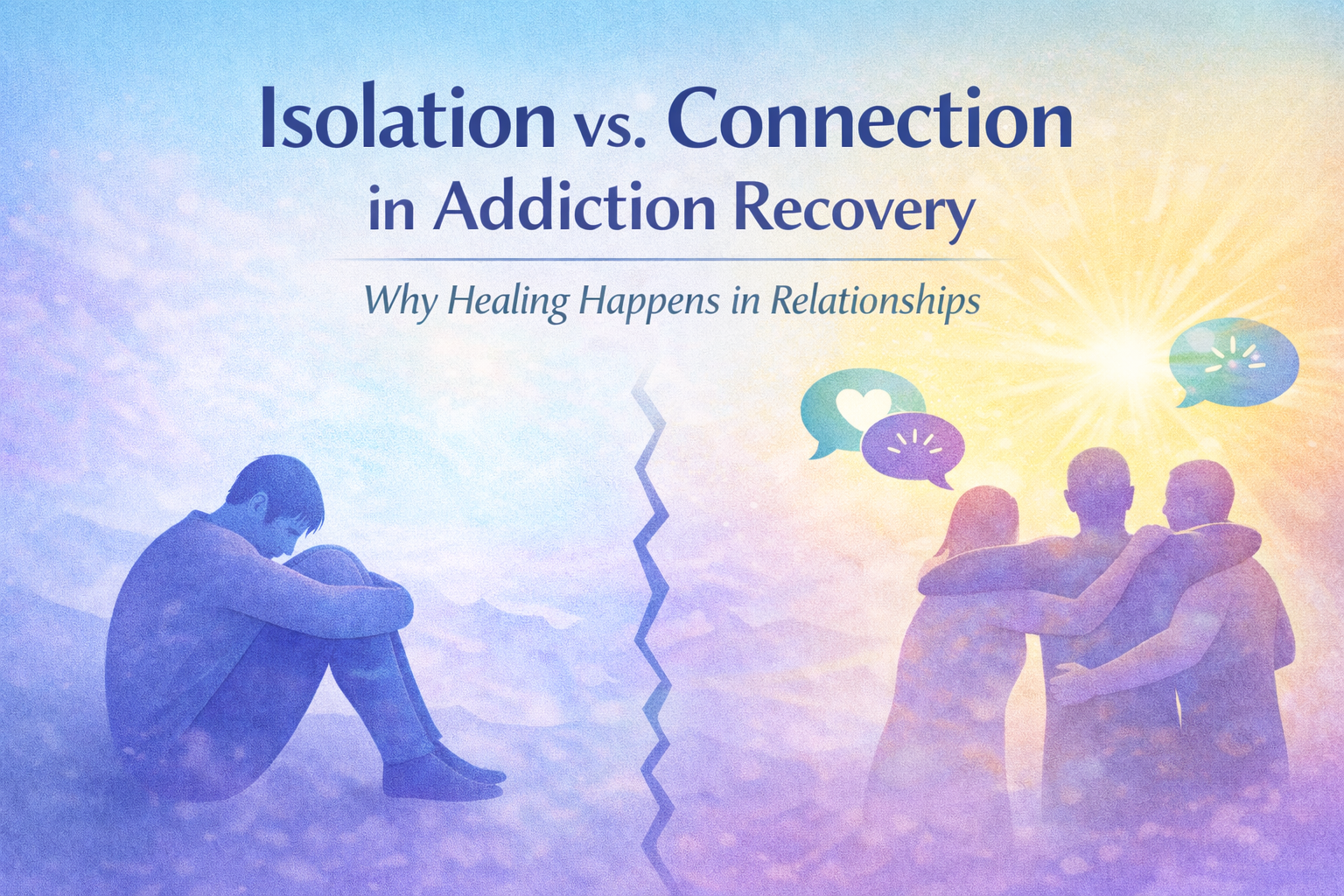
Addiction thrives in isolation, while recovery grows through connection. One of the most defining struggles in addiction recovery is the tension between withdrawing from others and learning how to reconnect in healthy, meaningful ways. Shame, fear, and stigma often push individuals into isolation, yet long-term recovery depends heavily on rebuilding relationships—with oneself, with others, and with the broader community.
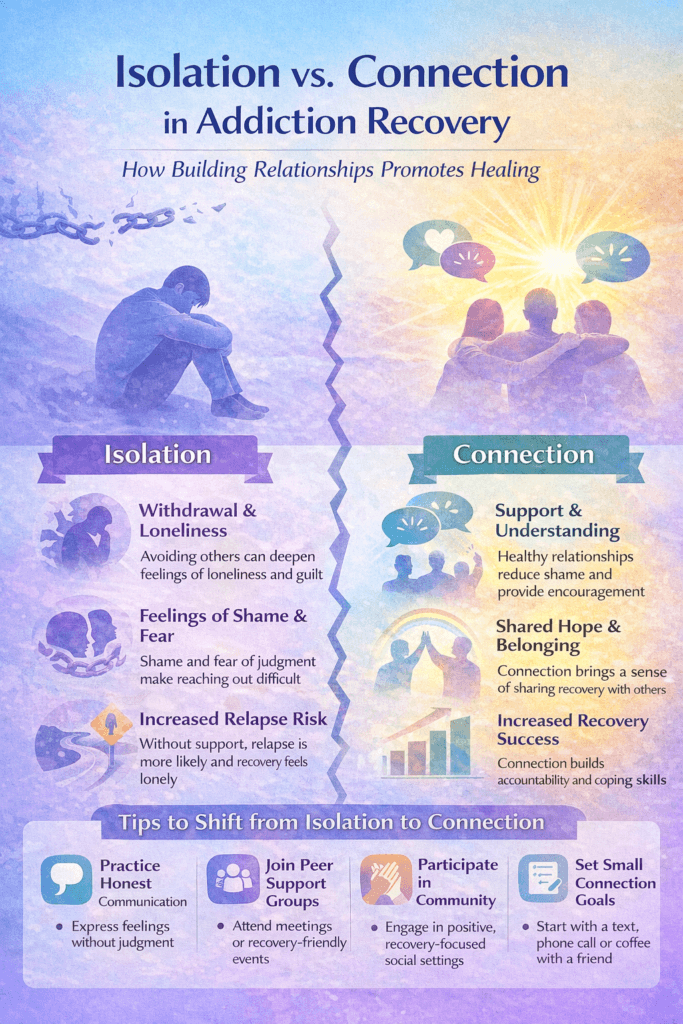
Isolation is common during active addiction and early recovery. Individuals may pull away to hide substance use, avoid judgment, or protect themselves from disappointment. Over time, this separation can deepen feelings of loneliness, hopelessness, and emotional pain. Isolation also limits accountability and reduces access to support, making relapse more likely. Without connection, stress and cravings often intensify, and negative self-talk goes unchallenged.
Connection, by contrast, is a powerful protective factor in recovery. Healthy relationships provide emotional safety, encouragement, and a sense of belonging. Whether through family, peers, support groups, therapy, or recovery communities, connection helps individuals feel seen and understood rather than judged. Sharing experiences with others who understand addiction reduces shame and normalizes the challenges of recovery.
Connection also supports neurological and emotional healing. Positive social interactions help regulate stress, improve mood, and strengthen coping skills. Being accountable to others—showing up to appointments, meetings, or relationships—adds structure and purpose, both of which are critical during recovery. Importantly, connection does not imply dependency; it entails learning interdependence, in which support is given and received in balanced, healthy ways.
However, rebuilding a connection takes time. Trust may have been damaged, and social anxiety or fear of rejection is common. Recovery encourages gradual steps: practicing honest communication, setting boundaries, and choosing supportive environments. Not every relationship needs to be repaired, but cultivating safe, recovery-supportive connections is essential.
Ultimately, addiction isolates, but recovery reconnects. Healing is not just about stopping substance use—it is about restoring relationships and rediscovering belonging. When individuals move from isolation toward connection, recovery becomes more sustainable, meaningful, and life-affirming.
Self-Management Strategies to Improve Isolation vs. Connection in Addiction Recovery
Isolation is one of the most common and dangerous challenges in addiction recovery. While withdrawing from others may feel protective at first, prolonged isolation often fuels loneliness, cravings, and relapse risk. Self-management strategies empower individuals to move intentionally from isolation toward healthy connection, building recovery that is both stable and sustainable.
A foundational self-management strategy is increasing awareness of isolation patterns. Many people in recovery isolate not only physically, but also emotionally—avoiding calls, canceling plans, or keeping struggles to themselves. Recognizing these behaviors early allows individuals to intervene before isolation deepens. Simple check-ins, such as asking, “Who have I talked to today?”, can bring isolation into awareness.
Structured routines are another powerful tool. Scheduling regular connection—such as therapy appointments, peer meetings, exercise groups, or daily check-ins—reduces reliance on motivation alone. When connection becomes a routine, it becomes a recovery habit rather than a reaction to a crisis. Even brief, consistent interactions can significantly reduce feelings of loneliness.
Challenging negative self-talk is equally important. Thoughts such as “I don’t belong,” “I’m a burden,” or “No one understands me” often contribute to isolation. Using cognitive strategies to reframe these beliefs—replacing them with realistic, compassionate alternatives—helps individuals feel safer reaching out. Recovery-oriented self-talk supports connection rather than withdrawal.
Gradual exposure to social situations is another effective approach. Connection does not require large groups or deep sharing right away. Starting small—sending a text, attending a meeting quietly, or spending time with one trusted person—builds confidence and reduces social anxiety. Over time, these small steps strengthen social comfort and trust.
Finally, developing self-connection is a key way to reduce isolation. Mindfulness, journaling, and self-reflection help individuals understand their emotions rather than shutting down or withdrawing. When people feel more connected to themselves, they are better able to connect authentically with others.
Through intentional self-management, individuals can shift from isolation toward meaningful connection. These strategies help transform recovery from a solitary struggle into a supported journey, where connection becomes a source of strength rather than fear.
Family Support Strategies to Improve Isolation vs. Connection in Addiction Recovery
Family relationships can strongly influence whether a person in recovery feels isolated or supported. Addiction often damages trust, communication, and emotional safety, leading both individuals and families to withdraw from one another. Thoughtful family support strategies can help shift recovery from isolation toward connection, creating an environment where healing is possible for everyone involved.
One of the most important family strategies is creating emotional safety. Individuals in recovery are more likely to withdraw when they fear criticism, blame, or constant monitoring. Families can reduce isolation by using calm, non-judgmental communication and focusing on listening rather than fixing. Statements that express concern and support—rather than accusation—encourage openness and connection.
Consistency and reliability also help rebuild trust. Predictable behavior, clear boundaries, and follow-through on commitments show that the connection is safe and stable. Families who avoid extreme reactions to setbacks, such as relapse or emotional withdrawal, help reduce fear-driven isolation and reinforce that recovery is a process, not a single event.
Encouraging participation without pressure is another key strategy. Families can invite, but not force, involvement in shared activities, therapy, or support groups. Respecting autonomy while keeping the door open communicates that the individual belongs, even when they are struggling. This balance helps prevent isolation without creating dependency or resentment.
Families can also model healthy connections by expressing emotions openly and respectfully. Demonstrating how to talk through conflict, stress, or disappointment provides a blueprint for rebuilding relationships. When family members seek their own support—such as family therapy or peer groups—they reduce emotional burden on the individual in recovery and strengthen the overall support system.
Finally, recognizing progress, no matter how small, reinforces connection. Acknowledging effort, honesty, or engagement communicates that the individual is valued beyond their addiction. Positive reinforcement helps counter shame and encourages continued connection.
Through empathy, consistency, and respectful communication, families can transform isolation into connection. These supportive strategies foster trust, belonging, and emotional safety—key foundations for lasting recovery.
Community Resource Strategies to Improve Isolation vs. Connection in Addiction Recovery
Recovery from addiction does not occur in isolation—it is strengthened through connection to people, services, and supportive environments. Community resources play a vital role in helping individuals move from loneliness and disconnection toward belonging and engagement. When communities intentionally foster connection, they reduce the risk of relapse and support long-term recovery.
One of the most effective community strategies is expanding access to peer support programs. Recovery community organizations, mutual-support groups, and peer recovery coaches provide a connection to others with lived experience. These relationships reduce stigma, normalize the challenges of recovery, and help individuals feel understood rather than alone. Peer support often serves as a bridge for those who struggle to trust traditional systems.
Accessible treatment and recovery services also reduce isolation. Community-based clinics, outpatient programs, recovery housing, and integrated primary care settings create regular points of contact and structure. When services are accessible, culturally responsive, and welcoming, individuals are more likely to engage consistently and maintain social connections.
Community centers, faith-based organizations, and nonprofit groups further support connection by offering recovery-friendly activities such as support meetings, educational workshops, job training, and wellness programs. These spaces allow individuals to rebuild social skills, establish routines, and form relationships outside of substance-focused environments.
Transportation, digital access, and outreach services are often overlooked but critical. Mobile outreach teams, telehealth options, and transportation assistance help individuals overcome practical barriers that contribute to isolation, especially in rural or underserved areas. Removing these barriers makes connection possible for those who might otherwise remain disconnected.
Finally, community-wide recovery initiatives and public events help create a culture of inclusion. Recovery walks, awareness campaigns, and local coalitions signal that people in recovery belong in the community. These efforts shift recovery from a private struggle to a shared, supported process.
By strengthening peer networks, accessible services, inclusive spaces, and outreach efforts, communities can transform isolation into connection. When connection is built into the community fabric, recovery becomes more sustainable, visible, and hopeful.
Frequently Asked Questions
Here are some common questions:
1. Why is isolation common in addiction and early recovery?
Isolation often develops from shame, fear of judgment, stigma, and damaged relationships. During addiction, secrecy may feel protective, and in early recovery, many people withdraw due to anxiety, low confidence, or uncertainty about how to reconnect safely.
2. How does isolation affect addiction recovery?
Isolation increases loneliness, stress, and negative self-talk, all of which can intensify cravings and relapse risk. Without connection, individuals lose emotional support, accountability, and encouragement that are critical for sustained recovery.
3. Why is connection so important in recovery?
Connection provides a sense of belonging, emotional safety, and shared understanding. Supportive relationships reduce shame, normalize recovery challenges, and reinforce hope. Research consistently shows that strong social support improves treatment engagement and long-term outcomes.
4. Does connection mean depending on others?
No. A healthy connection is about interdependence, not dependence. Recovery-supportive relationships encourage autonomy, accountability, and mutual respect rather than control or reliance.
5. What types of connections support recovery?
Helpful connections include family support, peer recovery groups, therapy, recovery coaches, community activities, and healthy friendships. Even small, consistent interactions can significantly reduce feelings of isolation.
6. How does isolation increase relapse risk?
Isolation removes protective factors such as accountability and emotional regulation. When stress or cravings arise, individuals who are isolated are more likely to cope alone, increasing vulnerability to return to substance use.
7. What are common barriers to connection in recovery?
Barriers include social anxiety, fear of rejection, past relationship trauma, stigma, lack of transportation, limited access to services, and uncertainty about how to communicate honestly without shame.
8. How can individuals start reconnecting without feeling overwhelmed?
Reconnection can begin with small steps—sending a text, attending a meeting quietly, or meeting one trusted person. Gradual exposure builds confidence and helps individuals feel safer engaging socially.
9. How can families help reduce isolation?
Families can foster connection by listening without judgment, maintaining consistency, respecting boundaries, and avoiding blame. Creating emotional safety encourages openness rather than withdrawal.
10. What role do community resources play in connection?
Community resources such as peer support programs, outpatient services, recovery housing, and community events provide structured opportunities for connection. These reduce loneliness and help individuals feel included and supported.
11. Is it normal to still feel lonely in recovery?
Yes. Loneliness can persist even as recovery progresses. Healing relationships and building new connections take time, and feeling lonely does not mean recovery is failing—it means connection skills are still developing.
12. How does connection change the recovery experience?
Connection transforms recovery from a solitary struggle into a shared journey. It increases motivation, resilience, accountability, and hope, making long-term recovery more achievable and meaningful.
Conclusion
Shifting from isolation to connection in addiction recovery is a gradual but essential process. Individuals can use self-management strategies to recognize withdrawal patterns, challenge negative self-talk, and build structured social routines. Families can support this transition by practicing empathetic communication, consistency, and respect for boundaries, thereby helping to restore trust and a sense of belonging. Communities further reinforce connection by providing peer support, accessible treatment, and inclusive recovery spaces. When these efforts work together, isolation loses its grip, connection becomes a source of strength, and recovery is better supported, more sustainable, and deeply rooted in human relationships.
Video: You can’t recover alone, and that’s actually good news #addictionrecovery #supportnetwork