Youth Drug Addiction Prevention

Preventing drug addiction among youth and society requires a comprehensive approach that combines self-management strategies, family support, and community resources. Self-management empowers individuals to make healthier choices by developing coping mechanisms, setting personal goals, and building resilience. Family support shapes attitudes and behaviors through open communication and positive role modeling. Community resources, including educational programs, … Read more

Addictions of College Students

Smoking and internet addiction are significant concerns among college students, driven by academic pressure, social influences, and stress management. Many students turn to these behaviors as coping mechanisms during this transitional phase. Effective self-management strategies, family support, and community resources are essential to address these challenges. Techniques like mindfulness and exercise empower students to adopt … Read more

Recidivism in Drug Addiction

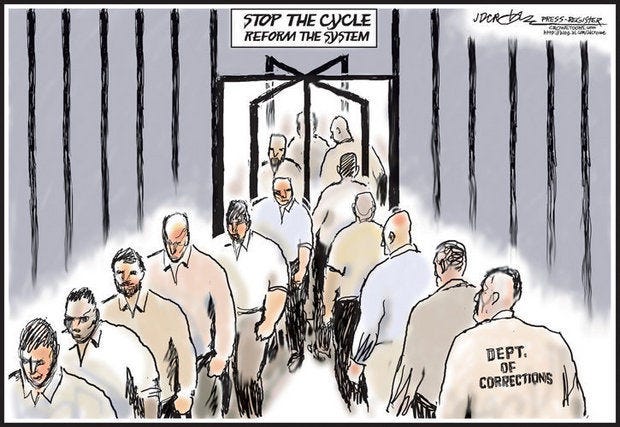
Recidivism, or the return to criminal behavior after incarceration, is a significant concern for public safety. Addressing it requires a combined approach involving government programs, community resources, family support, and drug rehabilitation. Government initiatives like the Second Chance Act support reintegration through job training and treatment services. Community resources offer educational and vocational training, while … Read more

Gambling Addiction in the Military

Gambling addiction is a pressing issue within the military, influenced by high stress and unique lifestyle factors. Addressing it requires a multi-faceted approach: self-management strategies like setting financial limits and developing coping skills, family support through open communication and education, and community resources such as educational programs and financial counseling. Combining these strategies offers a … Read more

Veteran and First Responder OUD

Substance abuse disorder is a significant issue for veterans and first responders, driven by trauma and stress inherent in their roles. Addressing this problem requires a comprehensive approach that includes self-management strategies, such as coping skills and structured routines, robust family support through education and open communication, and targeted community resources, such as specialized programs … Read more

Residential Care for Addiction

Long-term residential care plays a vital role in addiction therapy, offering a structured environment that supports intensive recovery. It provides advantages such as a consistent routine and comprehensive treatment, but faces challenges including high costs, disruptions to personal life, and ethical issues related to autonomy and privacy. Addressing these challenges through adequate family support and … Read more

Acupuncture Therapy for Addiction

Acupuncture treatment for methadone addiction is an emerging complementary therapy that offers a holistic approach to alleviating withdrawal symptoms, reducing cravings, and enhancing overall well-being. While it has potential benefits, acupuncture also has disadvantages, including limited scientific evidence, costs, and the need for trained practitioners. Ethical dilemmas include informed consent, the placebo effect, and balancing … Read more

Addiction Advocacy

Addiction advocacy in the US is gaining momentum amid pressing challenges like the opioid epidemic. This movement is fueled by increased awareness, efforts to reduce stigma, and calls for policy reforms to improve access to treatment. Family support plays a crucial role, with affected families becoming advocates, sharing stories, and pushing for legislative changes. Community … Read more

Addiction in the US vs. Canada

Treating Opioid Use Disorder (OUD) differs significantly between the United States and Canada, particularly in how their healthcare systems approach accessibility and affordability of treatment. Canada’s universal healthcare coverage ensures comprehensive access to medications like methadone and buprenorphine/naloxone (Suboxone) for Medication-Assisted Treatment (MAT). This system supports integrated healthcare delivery and emphasizes harm-reduction strategies, thereby enhancing … Read more

Underused Addiction Medications

Addressing the underuse of addiction medication and treatment is critical for public health, as effective treatments like medication-assisted treatment (MAT) can significantly mitigate the impact of substance use disorders. Disparities in utilization exist across ethnic groups due to stigma, lack of awareness, cultural barriers, and limited healthcare access. Community efforts, such as education and peer … Read more