Sorting out the differences between Intensive Outpatient Programs (IOP) and inpatient addiction care can seriously shape someone’s recovery adventure. Each approach comes with its own upsides and challenges, depending a lot on a person’s lifestyle, addiction history, and what kind of support works best. I’m going to dig into what you need to know about IOP and inpatient addiction care, so you’re better equipped to find the right fit or help someone else make the call.
Understanding the Basics: IOP vs Inpatient Addiction Care
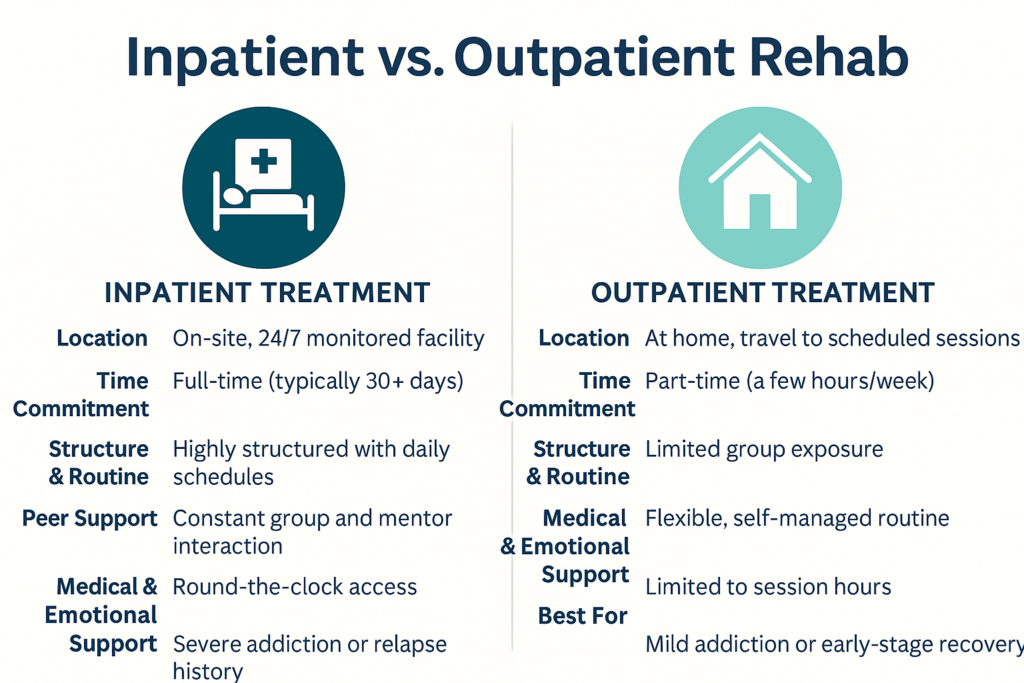
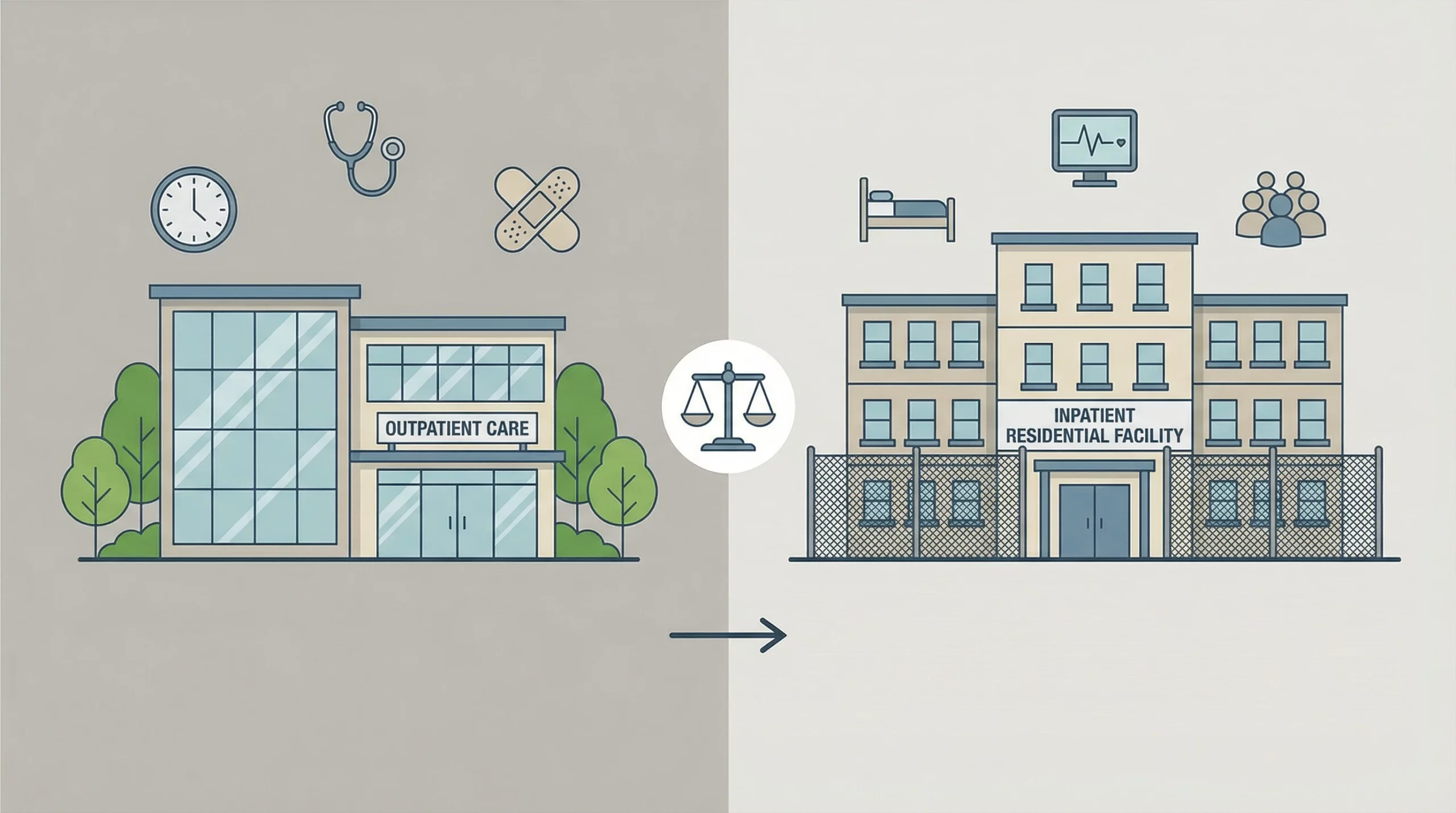
Both IOP and inpatient care aim to help people who are struggling with drug or alcohol addiction. The biggest difference comes down to where you live while getting treatment. Inpatient care means you stay at the facility day and night for the length of your program. With IOP, you go to treatment sessions at a clinic or center several days a week, but you get to sleep at home and handle your usual responsibilities in between.
Inpatient addiction care is more of a total reset, giving you a chance to step away from home, work, and triggers for a few weeks or more. IOP is less disruptive for everyday life; this is a relief for many folks balancing jobs, school, or family.
How Both Approaches Work
Inpatient care usually starts with a medical detox, especially if withdrawal symptoms could be dangerous. You then move into daily therapy, group sessions, wellness activities, and maybe even family programming. Days are pretty structured, and staff are around 24/7. This approach offers round-the-clock care and keeps temptation far away, so it’s especially helpful if cravings are strong or if home isn’t a safe or steady place.
IOP generally includes several hours of group and individual therapy per week (it can be anywhere from 9 to 20+ hours, depending on the program). After each session, you return to your routine. This flexibility is perfect for people who are stable enough to handle daily responsibilities and can steer clear of situations that might lead to relapse. The treatment covers similar ground as inpatient, like cognitive behavioral therapy, addiction education, and relapse prevention, but within a less controlled environment.
Which Option Works for Which Situation?
Deciding between IOP and inpatient care isn’t just about what sounds easier on paper; it’s about what’s realistic for your situation. Here are some things that often tip the scales:
- Severity of Addiction: Inpatient is usually best if cravings are overpowering, withdrawal risks are high, or past attempts at quitting haven’t worked. IOP is a solid pick for milder cases or as a step-down after inpatient care.
- Support System at Home: Inpatient is the safer choice if you don’t have sober friends or family around. IOP works better if there’s a supportive, stable home to return to each night.
- Health Needs: People who need extensive medical or mental health support often do better with hands-on care in an inpatient facility.
- Work, School, Family: If you can’t take time away from big commitments but still want help, IOP is designed to fit around your schedule.
What to Expect from Each Type of Treatment
Here’s a quick breakdown of typical daily life in both IOP and inpatient settings, so you know what’s coming:
- Structure: Inpatient care runs on a tight schedule. Meals, therapy, recreation, lights out. IOP is less rigid, and treatment sessions can happen during the day or in the evening, so you have more say in how your week looks.
- Peer Support: Both options offer ample group therapy and opportunities to connect with others facing similar issues. Inpatient often feels more like a community since you’re living closely with others 24/7.
- Medical Oversight: Inpatients receive care from doctors and nurses around the clock. IOP patients check in during sessions, but emergencies or medical issues are handled outside the program.
Personal Account: Deciding What Works
One thing I’ve noticed from talking with people who’ve gone through both IOP and inpatient is that your comfort level makes a huge difference. Folks who feel safe at home and have steady support can really grow through IOP because they’re immediately applying what they learn. But if things feel too shaky or overwhelming, inpatient care can provide that reset and time away needed to truly focus on recovery.
Common Barriers and How to Handle Them
No recovery path is smooth sailing, and both options come with some challenges. Here are a few that pop up a lot:
- Cost: Inpatient treatment is typically more expensive due to round-the-clock care and room/board. Insurance plans sometimes cover IOP more easily, but it helps to check before you commit.
- Time Away: Inpatient care asks you to step back from all other responsibilities, which might not work for everyone. IOP can clash with your normal schedule, too, if sessions are long or times are inconvenient.
- Risk of Relapse: Being at home during IOP means you might bump into old triggers. Good programs focus a lot on relapse prevention skills, but you still need to be real about your risk and what you’re ready to handle.
Handling Triggers During IOP
During IOP, most people find it pretty handy to create an action plan for dealing with cravings or tempting situations between sessions. I usually suggest things like a list of quick distractions (walk, call someone, do a short guided meditation) or setting up evening check-ins with a support person. It’s not about making life perfect. It’s about stacking the deck in your favor during rough moments.
Benefits and Limitations
IOP: Flexibility with Boundaries
IOP is popular for its balance, as it keeps you anchored in real life while giving you regular support and skills to manage recovery. Many people find it easier to maintain work or school, which can actually boost their confidence and keep their motivation up.
The catch is you need to be honest about how solid your support system is and how easy it is to avoid substances at home. If either of those is shaky, it’s worth considering higher-level care or additional support, such as sober living or 12-step groups.
Inpatient: Intensive Support and Structure
Inpatient care offers a safe space to focus just on recovery. You get distance from stress, temptation, and harmful routines. There’s also a strong sense of community since you’re sharing daily routines (and challenges) with others. This really helps during those early days when every hour can feel tough.
On the flip side, the transition back to daily life can feel abrupt. It’s a good move to line up ongoing support, such as IOP, outpatient therapy, or recovery groups, before heading home to make the adjustment smoother.
Real-World Uses: When Each Approach Makes Sense
- IOP: Great for people after they’ve already completed inpatient care and need further support, or for those whose symptoms are manageable without 24/7 help.
- Inpatient: Often the right call after an overdose, when mental health is a big factor, or if someone has tried outpatient care and relapsed multiple times.
Some people do a mix—stepping down from inpatient to IOP—because recovery works best as a series of stages, with more independence as strength and confidence grow.
Frequently Asked Questions
Do IOP and inpatient programs treat all kinds of addiction?
Most programs work with alcohol, opioids, and other common substance use issues. If you’re dealing with multiple addictions or concerns like mental health conditions, check ahead to see which facilities have the right resources.
How long do these programs last?
Inpatient programs can last anywhere from a week to 90 days (sometimes longer). IOPs are usually 6 to 12 weeks, though this can vary depending on progress.
Is it normal to go through both types of treatment?
Yes, a lot of people get the bulk of care in inpatient, then step down to IOP or outpatient services for ongoing support. Others stick to one or the other. Recovery is different for everyone, and what matters most is steady progress with the right help along the way.
Key Takeaways Before Making a Choice
It’s really important to think about what kind of environment you (or your loved one) need to succeed. Talking to a licensed addiction specialist helps a lot; they can make unbiased recommendations, connect you with resources, and walk you through what to expect. Both IOP and inpatient care offer tools to build a new kind of life, and the best results come from being real about your needs and what will support long-term change. If you or someone you care about is exploring treatment options, remember that the path forward can involve different stages, and having support at each step makes a real difference in long-term recovery.
Video: IOP VS INPATIENT ADDICTION CARE