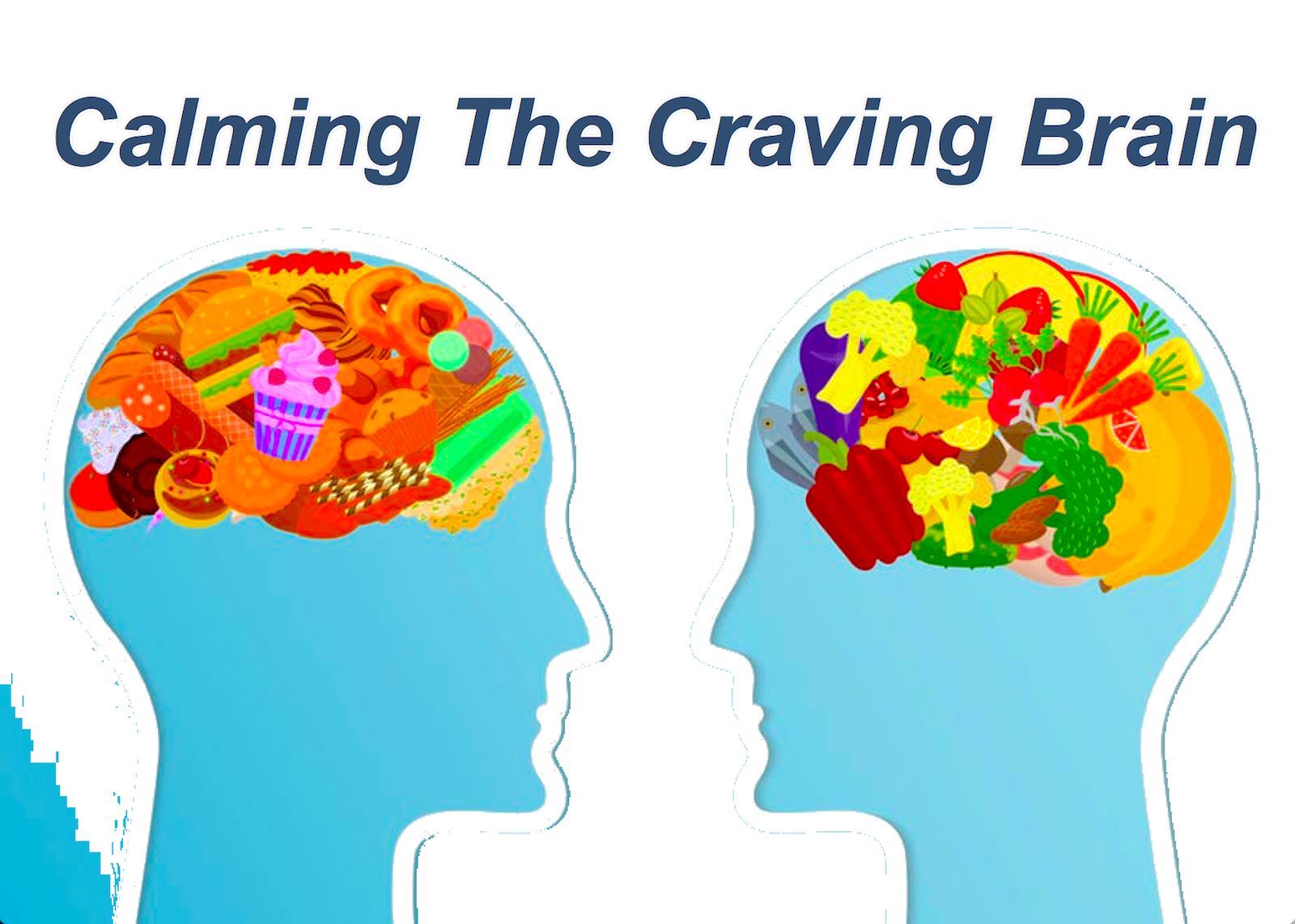
Incubation of craving refers to the phenomenon where cravings for substances intensify over time during abstinence, often triggered by cues such as sights, sounds, emotions, or memories linked to past use. This growing sensitivity can catch individuals off guard, increasing the risk of relapse even after weeks or months of sobriety. Preventing relapse in the face of incubated cravings requires a multi-layered approach: self-management strategies to recognize and cope with urges, family support to provide a safe and understanding environment, and community resources to offer ongoing structure, accountability, and connection. Together, these supports form a strong defense against high-risk moments, helping individuals maintain long-term recovery.
Incubation of Craving: Why Drug Cravings Can Intensify During Recovery
Incubation of craving is a neuroscience concept in addiction that refers to the progressive increase in drug craving over time during abstinence, especially when exposed to drug-related cues.
🔬 What Does It Mean?
Rather than fading away, cravings can intensify (“incubate”) during the first weeks or months after stopping substance use. This effect is typically triggered by exposure to cues—like seeing someone use, visiting old places, or feeling emotions tied to past use.
This phenomenon has been observed across substances such as:
- Cocaine
- Heroin
- Alcohol
- Nicotine
- Methamphetamine
- Even behavioral addictions like gambling
🧠 How It Works in the Brain
- During abstinence, cue-induced craving doesn’t stay constant—it grows stronger for a time.
- Brain circuits involved in reward (dopamine), memory (amygdala, hippocampus), and decision-making (prefrontal cortex) become increasingly reactive to reminders of drug use.
- This creates a heightened vulnerability to relapse—even if a person feels stable day to day.
📈 When Does Craving Peak?
- Cravings typically incubate and peak weeks to months into abstinence, depending on the substance.
- After the peak, they may decline—but can remain elevated in the long term without coping strategies or treatment.
⚠️ Why It’s Important in Recovery
Understanding incubation of craving explains why relapse can happen well into recovery—often when people least expect it. This highlights the importance of:
- Long-term relapse prevention planning
- Avoiding high-risk cues and environments
- Ongoing support and monitoring even after detox or initial treatment
✅ Strategies to Manage It
- Cue Exposure and Desensitization (with clinical guidance)
- Cognitive Behavioral Therapy (CBT) to reframe thoughts about substance use
- Mindfulness-based relapse prevention
- Medication-Assisted Treatment (MAT), where appropriate
- Support groups for accountability and shared coping tools
👉 By understanding how cravings “incubate,” individuals in recovery—and their support systems—can prepare for high-risk periods and strengthen long-term resilience against relapse.
10 Proven Self-Management Strategies to Handle Incubation of Craving
Managing incubation of craving—the intensifying craving that builds over time during abstinence—requires intentional self-management strategies. These tools help individuals cope with cue-induced cravings, strengthen resilience, and reduce relapse risk. Below is a breakdown of the most effective approaches:
✅ Self-Management Strategies to Manage Incubation of Craving
1. Structured Daily Routine
- Why: Prevents boredom and unstructured time, which often increase rumination and craving.
- How: Schedule activities hour by hour in early recovery, including work, exercise, meals, relaxation, and support meetings.
2. Trigger Awareness and Avoidance
- Why: Cravings are often cue-induced by people, places, or emotions tied to past use.
- How: Identify and log triggers, track patterns with a trigger log, and adjust routines or boundaries to reduce exposure.
3. Urge Surfing
- Why: Helps ride out cravings without acting on them.
- How: Notice cravings like waves—rising, peaking, and fading. Remind yourself: “This is uncomfortable, but it will pass.”
4. Cognitive Restructuring (CBT)
- Why: Incubated cravings often involve distorted thinking, like romanticizing past use.
- How: Challenge thoughts (“I’ll just use once”) with reality-based evidence and use thought records to reframe high-risk thinking.
5. Mindfulness and Meditation
- Why: Improves craving tolerance and reduces emotional reactivity.
- How: Practice mindfulness daily (5–10 minutes), use apps like Calm or Insight Timer, or apply Mindfulness-Based Relapse Prevention (MBRP).
6. Craving Management Plan
- Why: A plan prevents panic when cravings strike.
- How: Identify early warning signs, list 3–5 grounding strategies, and know who to contact for support.
7. Healthy Lifestyle Habits
- Why: Physical health strengthens emotional regulation.
- How: Get 7–9 hours of sleep, exercise regularly (even light walking helps), and eat balanced meals to stabilize mood.
8. Accountability and Peer Support
- Why: Isolation increases relapse risk.
- How: Attend support groups (AA, SMART Recovery), join sober apps (like I Am Sober), and build a “sober circle” of trusted peers.
9. Self-Monitoring Tools
- Why: Tracking cravings increases awareness and control.
- How: Rate cravings (1–10), journal about triggers, or use mood/craving tracking apps.
10. Reward Sobriety Milestones
- Why: Reinforces motivation and provides healthy reinforcement.
- How: Celebrate milestones (1 week, 30 days, 90 days) with meaningful rewards and reflect on progress to counter instant-gratification urges.
🧠 Example Self-Talk During Incubated Craving
“This craving is strong right now, but it’s just my brain reacting to a cue—it doesn’t mean I have to act on it. I’ve gotten through worse. Let me use my plan and ride this wave.”
👉 By practicing these strategies, individuals can navigate the incubation of craving with confidence and strengthen their long-term recovery.
Family Support Strategies for Managing Incubation of Craving
When a loved one is in recovery, it’s essential to understand incubation of craving—the way cravings for substances can actually intensify during abstinence, mainly when triggered by cues or stress. Families play a vital role in helping individuals manage these cravings and reduce relapse risk. Below are practical strategies families can use to provide support while promoting resilience and independence.
1. Maintain a Supportive, Nonjudgmental Environment
- Encourage open communication about cravings without blame or criticism.
- Listen actively and validate feelings to reduce emotional stress that can trigger cravings.
2. Help Identify and Avoid Triggers
- Work together to recognize common external triggers (people, places, events).
- Support the individual in avoiding or adjusting routines that expose them to high-risk situations.
3. Encourage Development and Use of Coping Plans
- Assist in creating and reviewing a personalized craving management plan.
- Offer gentle reminders and encouragement to use healthy coping strategies when cravings arise.
4. Provide Consistent Emotional Support
- Offer reassurance during periods of intense craving, emphasizing patience and understanding.
- Stay calm and present to reduce tension or anxiety that might worsen cravings.
5. Promote Healthy Lifestyle Habits
- Support routines around sleep, nutrition, and exercise that improve emotional resilience.
- Engage in sober, enjoyable activities together to strengthen positive habits.
6. Assist in Accessing Peer and Professional Support
- Encourage participation in support groups and therapy.
- Help coordinate meetings with sponsors, counselors, or recovery coaches when cravings feel overwhelming.
7. Plan for High-Risk Times
- Anticipate vulnerable periods such as holidays, anniversaries, or stressful events.
- Develop a family crisis plan for how to respond if cravings or urges intensify.
8. Avoid Enabling or Overprotection
- Balance support with encouraging personal responsibility.
- Avoid “rescuing” behaviors that can undermine confidence in coping skills.
👉 Families who understand incubation of craving and actively use these strategies can make recovery safer, stronger, and more sustainable. With patience, open communication, and proactive planning, loved ones can provide the steady foundation needed for long-term healing.
Community Resource Strategies for Managing Incubation of Craving in Recovery
During addiction recovery, cravings don’t always fade with time. In fact, due to a phenomenon known as incubation of craving, cravings may actually intensify weeks or months into abstinence—mainly when triggered by stress, memories, or familiar cues.
Community resources play a decisive role in helping people manage these cravings and reduce relapse risk. Here are effective strategies and supports to strengthen recovery:
1. Ongoing Recovery Support Groups
- Why: Peer connection and accountability counteract intensifying cravings.
- Examples: AA, NA, SMART Recovery, Refuge Recovery, LifeRing.
- How to use: Increase meeting frequency during high-craving periods; try groups focused on coping with cravings.
2. Peer Recovery Coaches / Sponsors
- Why: Provide real-time, on-demand support when cravings spike.
- How to use: Keep contact info handy for “craving calls” and schedule regular check-ins.
3. Sober Living Homes
- Why: Offer structured, substance-free environments that minimize exposure to triggers.
- How to use: Consider short-term stays after treatment or during vulnerable periods.
4. Therapy and Counseling Services
- Why: Professional support addresses internal triggers, distorted thinking, and emotional regulation.
- Approaches:
- CBT for craving-related thoughts
- Mindfulness-Based Relapse Prevention (MBRP)
- Trauma-informed therapy for deeper healing
5. Crisis and Warm Lines
- Why: Provide immediate support during high-risk moments.
- Examples:
- SAMHSA Helpline: 1-800-662-HELP
- 988 Suicide & Crisis Lifeline
- Local peer-run warm lines for non-emergency support
6. Recovery Community Centers
- Why: Safe spaces, sober activities, and recovery events reduce isolation.
- How to use: Attend social events, workshops, or volunteer opportunities to replace risky downtime.
7. Faith-Based or Spiritual Communities
- Why: Provide meaning, structure, and values-based encouragement.
- How to use: Join services, prayer groups, or meditation circles to stay grounded.
8. Recreation and Wellness Programs
- Why: Physical activity and hobbies regulate mood and reduce craving intensity.
- How to use: Try fitness classes, art groups, hiking clubs, or sober sports leagues.
9. Employment and Vocational Services
- Why: Purpose and structure help break craving cycles.
- How to use: Connect with job training programs or volunteer work through local centers.
10. Medication-Assisted Treatment (MAT) Programs
- Why: Certain medications reduce cravings and support stability.
- Examples:
- Buprenorphine or methadone for opioid use disorder
- Naltrexone for alcohol or opioid use disorder
- How to use: Access through community health clinics or outpatient programs.
👉 By connecting with these community resources, people in recovery can build strong networks of support, reduce the impact of incubated cravings, and sustain long-term healing.
Frequently Asked Questions
Here are some common questions:
Question: Elaborate with more examples of Family Support Strategies for Managing Incubation of Craving.
Answer: Recovery doesn’t end after detox or treatment. For many people, cravings can actually intensify over time—a process known as the incubation of craving. Families often wonder how they can help their loved one cope without making things worse. The good news: there are clear, practical strategies families can use to reduce stress, encourage coping, and promote long-term recovery.
Here are eight family support strategies, with examples to bring them to life.
1. Maintain a Supportive, Nonjudgmental Environment
Why it matters: Cravings are not a sign of failure but a regular part of recovery. Blame or criticism only increases shame, which fuels relapse.
Examples:
- If your loved one says, “I really want to use right now,” respond with: “Thank you for being honest. Let’s talk through what you’re feeling.”
- Instead of saying “You shouldn’t be craving anymore,” try “Cravings can be really tough—I’m here for you.”
2. Help Identify and Avoid Triggers
Why it matters: Cravings often resurface when people are exposed to old friends, places, or stressful situations linked to substance use.
Examples:
- If driving past a bar sparks cravings, take a different route together.
- If weekends used to involve drinking, suggest a new tradition—like hiking, cooking a family meal, or movie night.
3. Encourage Development and Use of Coping Plans
Why it matters: Having a plan for what to do when cravings strike increases confidence and reduces panic.
Examples:
- Help your loved one write a “craving action plan” that includes calling a sponsor, journaling, exercising, or listening to music.
- If a craving hits at night, remind them: “Do you want me to walk with you, or would you like to try your breathing exercise first?”
4. Provide Consistent Emotional Support
Why it matters: During intense cravings, emotions run high. A calm, steady family member can act as an anchor.
Examples:
- Sit quietly with your loved one during a craving episode—sometimes presence matters more than words.
- Send a quick supportive text when you know they’re having a tough day: “Thinking of you—you’ve got this.”
5. Promote Healthy Lifestyle Habits
Why it matters: Good sleep, nutrition, and exercise strengthen the brain’s ability to handle stress and cravings.
Examples:
- Invite them to join you for morning walks or family yoga.
- Cook balanced meals instead of eating fast food, which can worsen mood swings.
- Encourage regular sleep routines—remind them to wind down at the same time each night.
6. Assist in Accessing Peer and Professional Support
Why it matters: Families can’t do everything alone. Professional and peer networks add extra layers of accountability and guidance.
Examples:
- Offer to drive your loved one to a support group if transportation is a barrier.
- If cravings are intense, suggest scheduling an extra counseling session: “Would you like me to help you call your therapist?”
- Encourage joining sober community activities where recovery is normalized.
7. Plan for High-Risk Times
Why it matters: Certain periods—like holidays, anniversaries, or high-stress events—tend to intensify cravings. Preparing ahead reduces relapse risk.
Examples:
- Before the holidays, discuss safe ways to attend family gatherings—maybe leaving early or bringing a sober friend.
- Around the anniversary of a relapse or loss, plan a family outing or self-care activity together.
8. Avoid Enabling or Overprotection
Why it matters: Support doesn’t mean doing everything for your loved one. Overprotecting can reduce confidence in their ability to cope.
Examples:
- Instead of covering for them when they miss work, please encourage them to be accountable and face the natural consequences.
- If they ask you to make every phone call, gently say: “I’ll sit with you while you call your sponsor, but I want you to be the one to reach out.”
Managing cravings is a shared challenge in recovery. Families can make an enormous difference by creating safe, nonjudgmental spaces, encouraging healthy coping strategies, and preparing for high-risk times. With a balance of support and accountability, loved ones can not only survive the incubation of craving but also grow stronger through it.
Question: Self-Management Strategies to Manage Incubation of Craving turn to a one-page worksheet or checklist.
Answer: Self-Management Worksheet: Managing Incubation of Craving
Instructions: Use this checklist when cravings feel strong. Check off strategies you’ve tried or plan to use. Keep it handy for daily reminders.
✅ Step 1: Recognize and Accept Cravings
- Notice the craving without judgment (“This is just a feeling—it will pass”).
- Rate craving intensity (1–10) to track changes.
- Remind yourself: “A craving is not a command.”
✅ Step 2: Use Your Coping Plan
- Call or text a support person (sponsor, friend, counselor).
- Practice deep breathing or the 5-4-3-2-1 sensory method (grounding).
- Write down what you’re feeling for 10 minutes.
- Distract with a healthy activity (music, walking, cleaning, a hobby).
✅ Step 3: Avoid or Manage Triggers
- Leave triggering places or situations.
- Replace high-risk routines with safe alternatives.
- Remind yourself of personal reasons for recovery.
✅ Step 4: Strengthen Your Body and Mind
- Get at least 7–8 hours of sleep.
- Eat balanced meals (avoid skipping meals).
- Exercise, stretch, or move your body.
- Practice mindfulness, meditation, or prayer.
✅ Step 5: Prepare for High-Risk Times
- Plan for holidays, anniversaries, or stressful events.
- Carry a “sober toolbox” (contacts, motivational quotes, coping strategies).
- Set up safe activities with supportive people.
✅ Step 6: Remind Yourself of Progress
- Celebrate small wins (journal, reward yourself).
- Read affirmations or recovery statements.
- Look back at how far you’ve come since day one.
✨ Quick Affirmation:
“Cravings are temporary. Recovery is permanent.”
👉 This format works as a self-guided tool. It’s short, visual, and checklist-based so people can literally check boxes during a craving episode to stay grounded.
Question: Create a one-page worksheet/checklist for families for family support strategies to Manage Incubation of Craving.
Answer: Family Support Worksheet: Helping Manage Incubation of Craving
Instructions: Use this checklist when supporting a loved one during craving episodes. Stay calm, supportive, and nonjudgmental.
✅ Step 1: Create a Safe, Nonjudgmental Space
- Listen actively without criticism or blame.
- Validate feelings: “I hear you. This must feel tough.”
- Stay calm and avoid arguing or pressuring.
✅ Step 2: Help Identify and Manage Triggers
- Gently ask: “What do you think triggered this craving?”
- Suggest leaving or changing the environment if it’s high-risk.
- Offer a healthy distraction (walk together, cook, play a game).
✅ Step 3: Encourage Coping Tools
- Remind them of their coping plan (deep breathing, grounding, journaling).
- Offer to do a relaxation activity together (guided meditation, music, prayer).
- Encourage reaching out to a sponsor, counselor, or peer support.
✅ Step 4: Provide Consistent Emotional Support
- Reassure: “You’ve gotten through this before—you can again.”
- Sit with them quietly if they need presence, not advice.
- Remind them that cravings are temporary and will pass.
✅ Step 5: Promote Healthy Routines
- Encourage rest, regular meals, and hydration.
- Suggest sober activities you can enjoy together.
- Reinforce positive lifestyle changes (exercise, hobbies, social connections).
✅ Step 6: Plan for High-Risk Times
- Prepare together for holidays, anniversaries, or stressful events.
- Review the family “crisis plan” if urges escalate.
- Keep emergency contacts (sponsor, counselor, helpline) accessible.
✅ Step 7: Avoid Enabling or Overprotection
- Support independence—don’t take over their responsibilities.
- Avoid rescuing behaviors that block learning coping skills.
- Balance encouragement with accountability.
💙 Quick Reminder for Families:
“Your role is support, not control. Cravings pass—your steady presence helps them stay grounded.”
Conclusion
Incubation of craving is a powerful relapse risk because cravings can intensify long after substance use has stopped, mainly when triggered by familiar cues. Recognizing this reality underscores the need for an integrated prevention plan. By combining self-management techniques that build personal coping skills, family support that fosters a stable and understanding home environment, and community resources that provide structure, accountability, and connection, individuals can better navigate these high-risk periods. This comprehensive approach not only reduces the likelihood of relapse but also strengthens resilience, making long-term recovery more attainable.
Video: Why Cravings Get WORSE After Quitting
