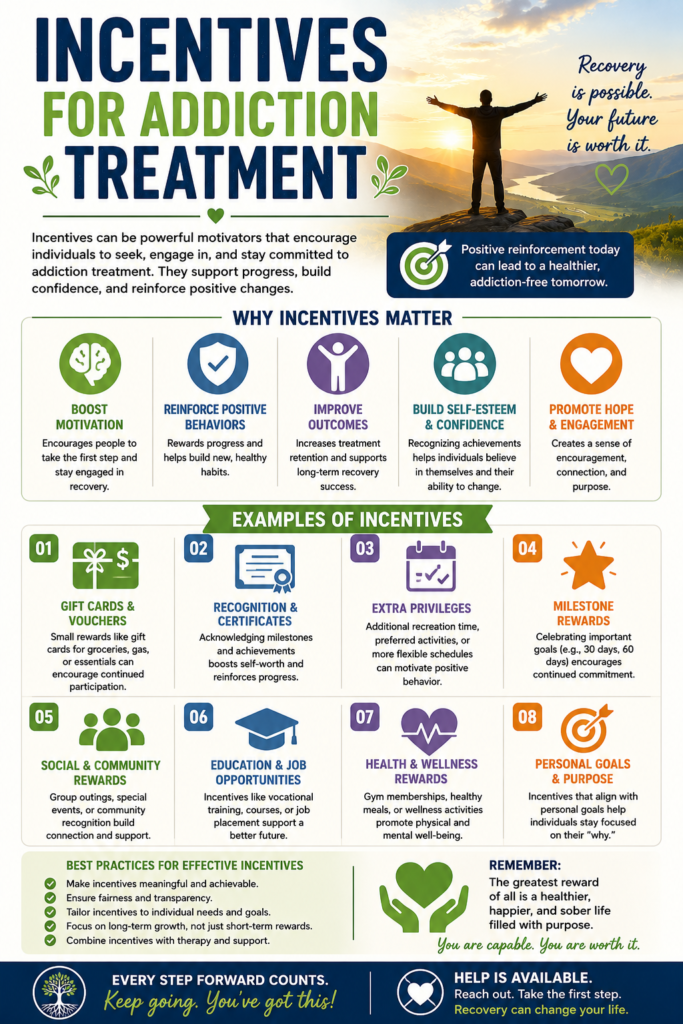
The use of positive reinforcement in addiction treatment offers a dynamic approach to motivate individuals towards recovery by rewarding positive behaviors, leading to increased motivation, improved treatment compliance, and the cultivation of healthy coping mechanisms. However, ethical complexities arise, necessitating careful consideration. While positive reinforcement has the potential to empower and drive lasting change, concerns about coercion, fairness, and unintended consequences must be addressed. This exploration delves into the multifaceted nature of positive reinforcement, examining its advantages, potential drawbacks, and ethical considerations. Navigating these nuances is crucial for the ethical and effective implementation of positive reinforcement to support individuals on their path to recovery.
Leveraging Positive Reinforcement in Addiction Treatment
Positive reinforcement is a powerful psychological concept that encourages the repetition of desirable behaviors by providing rewards or incentives. In addiction treatment, this approach can play a crucial role in fostering recovery and supporting individuals in building healthier lifestyles. Here’s how positive reinforcement can be effectively applied in the context of addiction therapy:
1. Rewarding Abstinence
Celebrating milestones of sobriety, such as days, months, or years without substance use, reinforces an individual’s commitment to recovery. Tangible rewards, verbal praise, or acknowledgment in group settings can motivate individuals to maintain abstinence.
2. Acknowledging Progress
Even small steps in the recovery journey deserve recognition. Positive feedback for attending therapy, completing recovery goals, or demonstrating resilience boosts confidence and encourages continued effort.
3. Incentives for Treatment Engagement
Providing incentives for active participation in therapy sessions, group discussions, or treatment assignments can enhance motivation. Rewards might include certificates, recreational activities, or vouchers, depending on the program’s structure.
4. Employment Opportunities
Sustained abstinence can be rewarded with access to vocational training or job placements. This form of positive reinforcement empowers individuals to rebuild their lives and establish financial independence, contributing to long-term recovery.
5. Social Support and Connection
Encouraging individuals to engage in supportive social activities, such as recovery groups or family gatherings, fosters a sense of belonging. These interactions serve as positive reinforcement, making the journey of sobriety feel rewarding and less isolating.
6. Education and Skill Development
Providing access to education, workshops, or skill-building opportunities reinforces self-esteem and resilience. These rewards equip individuals with tools to rebuild their lives and avoid relapse.
7. Community Recognition
Acknowledging recovery achievements in community events or programs offers public validation. Being celebrated for commitment to sobriety reinforces positive behaviors and inspires others in recovery.
8. Building Healthy Habits
Promoting healthy activities, such as exercise, proper nutrition, and mindfulness practices, contributes to overall well-being. Recognizing and rewarding efforts to adopt these habits reinforces constructive lifestyle changes.
9. Supportive Relationships
Encouraging the development of positive relationships within therapy settings or the community strengthens social support networks. These connections reinforce the individual’s recovery efforts and create a stable environment for sustained sobriety.
10. Empowering Personal Agency
Reinforcing the belief that individuals are in control of their recovery journey fosters empowerment. Acknowledging their ability to make positive choices and take meaningful steps encourages self-reliance and determination.
In summary, positive reinforcement is a versatile and impactful tool in addiction treatment. By celebrating milestones, encouraging healthy habits, and fostering supportive relationships, this approach builds a foundation for lasting recovery. When thoughtfully integrated into a comprehensive treatment plan, positive reinforcement not only motivates individuals to maintain sobriety but also helps them rebuild their lives with confidence and purpose.
Addiction recovery is a challenging journey, but through consistent and meaningful reinforcement, individuals can find the motivation and support needed to overcome obstacles and achieve long-term success.
The Advantages of Positive Reinforcement in Addiction Treatment
Positive reinforcement is a dynamic and effective approach that rewards desirable behaviors to encourage their repetition. In addiction treatment, it serves as a powerful tool to support individuals on their recovery journey. Here are some key advantages of incorporating positive reinforcement into addiction therapy:
1. Motivational Enhancement
Positive reinforcement motivates individuals to engage in recovery-focused behaviors. Rewarding actions like attending therapy sessions or abstaining from substance use encourage continued progress and commitment to treatment goals.
2. Increased Compliance with Treatment Plans
Incentives tied to therapeutic interventions, such as counseling or group therapy, enhance compliance. Individuals are more likely to follow through with their treatment plans when they know their efforts will be recognized and rewarded.
3. Enhanced Treatment Retention
The rewarding nature of positive reinforcement contributes to higher rates of treatment retention. Experiencing positive outcomes reinforces the value of staying engaged in the recovery process and reduces the likelihood of treatment dropout.
4. Reinforces Healthy Coping Mechanisms
By acknowledging and rewarding the adoption of healthy coping mechanisms, positive reinforcement helps solidify these behaviors. Over time, individuals become more adept at managing stress and challenges without resorting to substance use.
5. Building Self-Efficacy
Positive reinforcement builds self-efficacy by fostering belief in one’s ability to succeed. As individuals achieve goals and are rewarded for their efforts, their confidence grows, empowering them to tackle greater challenges in recovery.
6. Positive Psychological Impact
Being recognized for positive behaviors fosters a sense of accomplishment, self-worth, and hope. This optimistic mindset can counteract the feelings of guilt or shame often associated with addiction.
7. Encourages Goal Setting
Goal setting is a cornerstone of addiction recovery. Positive reinforcement rewards incremental progress toward larger objectives, helping individuals remain focused and motivated throughout their journey.
8. Strengthens Therapeutic Alliance
Using positive reinforcement strengthens the bond between individuals and their treatment providers. This collaborative relationship fosters trust and open communication, which are essential for effective therapy and successful outcomes.
9. Provides Immediate Feedback
Timely rewards offer immediate feedback for positive actions. This helps individuals connect their behaviors with positive outcomes, reinforcing the importance of making healthy choices consistently.
10. Supports Relapse Prevention
Positive reinforcement contributes to relapse prevention by rewarding behaviors that align with a substance-free lifestyle. Activities such as attending support groups or using stress-reduction techniques are reinforced, reducing the likelihood of relapse.
11. Enhances Quality of Life
As individuals receive rewards for making positive changes, their overall quality of life improves. This can manifest in healthier relationships, better physical and mental health, and an increased sense of purpose and fulfillment.
12. Adaptable to Individual Preferences
Positive reinforcement strategies can be personalized, ensuring that rewards are meaningful and motivating for each individual. This adaptability maximizes the approach’s impact and effectiveness.
In summary, by leveraging the advantages of positive reinforcement, addiction treatment programs can empower individuals to achieve lasting recovery. The approach not only motivates individuals to adopt and sustain healthier behaviors but also enhances their overall well-being and quality of life.
When thoughtfully applied, positive reinforcement becomes a cornerstone of effective addiction therapy, fostering hope, resilience, and sustained progress in recovery.
Potential Drawbacks of Positive Reinforcement in Addiction Treatment
While positive reinforcement is widely regarded as a beneficial approach in addiction treatment, it is not without its challenges and limitations. Below are some potential drawbacks to consider when relying on positive reinforcement as part of a recovery program:
1. Limited Efficacy for Severe Addiction
Positive reinforcement may be less effective for individuals with severe or long-term substance use disorders. These individuals often require more intensive, multifaceted therapeutic approaches to address the complexities of their addiction.
2. Reliance on External Rewards
Focusing solely on external rewards can lead to dependence on these incentives, potentially undermining the development of intrinsic motivation. Long-term recovery requires individuals to internalize their motivation for maintaining sobriety, which external rewards alone may not achieve.
3. Potential for Manipulation
Some individuals may learn to manipulate the system to receive rewards without genuinely engaging in recovery efforts. This undermines the authenticity of their progress and can hinder meaningful behavioral change.
4. Risk of Overemphasis on Rewards
An overemphasis on external rewards might divert attention from addressing the deeper psychological, emotional, and social factors contributing to addiction. Successful recovery programs must integrate strategies that go beyond surface-level reinforcement.
5. Challenge in Maintaining Consistency
Sustaining a consistent and meaningful reward system over time can be difficult. If rewards become predictable or lose their perceived value, their effectiveness in motivating recovery-oriented behaviors may decline.
6. Possible Unintended Consequences
The nature of rewards used in positive reinforcement programs can sometimes lead to unintended consequences. For instance, financial incentives might create challenges in money management, potentially exacerbating financial instability.
7. Risk of Relapse without Constant Reinforcement
When positive reinforcement is removed, individuals may struggle to maintain the desired behaviors. Without internal motivation or coping mechanisms, the absence of reinforcement could increase the risk of relapse.
8. Neglecting Underlying Issues
A sole focus on positive reinforcement may neglect underlying issues, such as trauma, mental health conditions, or socio-economic challenges, that contribute to substance use. Comprehensive recovery programs must address these root causes for sustained success.
9. Ethical Considerations
Ethical dilemmas can arise if the use of positive reinforcement involves coercion or lacks transparency. It is crucial to ensure that individuals are fully informed about the process and are willingly participating in the program.
10. Failure to Address Co-occurring Disorders
Many individuals with addiction also experience co-occurring mental health disorders. Positive reinforcement alone may not provide sufficient support to address these dual challenges, underscoring the need for integrated treatment approaches.
In summary, while positive reinforcement is a powerful tool in addiction treatment, its effectiveness is enhanced when used as part of a broader, individualized recovery plan. Combining positive reinforcement with evidence-based therapies, counseling, and holistic support ensures a more comprehensive and sustainable approach to recovery.
Recognizing the potential limitations allows practitioners to design treatment strategies that balance the strengths of positive reinforcement with the need for addressing the multifaceted nature of addiction. This thoughtful integration can empower individuals to achieve lasting recovery and improved well-being.
Ethical Considerations in the Use of Positive Reinforcement for Addiction Treatment
While positive reinforcement is an effective tool in addiction treatment, it is not without its ethical complexities. The following ethical considerations highlight potential challenges and underscore the importance of thoughtful implementation:
1. Coercion and Manipulation
Positive reinforcement should empower individuals, not pressure them. Ethical dilemmas arise when individuals feel coerced or manipulated into certain behaviors by the promise of rewards. Ensuring informed consent and autonomy in decision-making is critical to avoiding these pitfalls.
2. Equality and Fairness
Disparities in the distribution or perceived value of rewards can lead to feelings of inequality and resentment among participants. Ethical treatment programs must strive for fairness and transparency in reward allocation to maintain trust and a supportive community environment.
3. Potential for Exploitation
The promise of incentives may attract individuals who participate primarily for the rewards, rather than a genuine desire to recover. This raises ethical concerns about the exploitation of vulnerable individuals and the authenticity of their engagement in the program.
4. Sustainability of Rewards
If rewards are not sustainable over time, individuals may face setbacks when incentives are removed. Ethical considerations include ensuring that the reinforcement strategy fosters intrinsic motivation and does not create dependence on external rewards.
5. Informed Consent
Clear communication about the nature of rewards, expectations, and potential consequences is essential. Individuals must fully understand and consent to the use of positive reinforcement to ensure their rights and autonomy are respected.
6. Autonomy and Empowerment
A balance must be struck between providing external motivation and respecting an individual’s autonomy. Overly prescriptive reinforcement strategies may inadvertently undermine personal agency, an essential component of sustained recovery.
7. Unintended Consequences
Positive reinforcement can sometimes encourage deceptive or manipulative behaviors aimed at securing rewards. These unintended outcomes may compromise the integrity of the treatment process and the authenticity of individual progress.
8. Cultural Sensitivity
The design of positive reinforcement strategies must consider cultural values and beliefs. Offering culturally inappropriate rewards can alienate individuals or conflict with their personal or societal norms, detracting from the effectiveness of the intervention.
9. Ensuring Beneficence
The principle of beneficence requires that positive reinforcement strategies prioritize individuals’ well-being. Rewards should enhance recovery outcomes, mental health, and overall quality of life, rather than inadvertently causing harm or dependency.
10. Professional Boundaries
Therapists and treatment providers must maintain clear professional boundaries. If the use of positive reinforcement blurs these lines, it can erode trust, compromise the therapeutic relationship, and create ethical challenges.
In summary, navigating these ethical considerations requires adherence to established guidelines, ongoing reflection, and a client-centered approach. By fostering open communication, transparency, and collaboration, treatment providers can address potential dilemmas while maintaining the integrity and effectiveness of positive reinforcement as a therapeutic tool.
Ethical implementation ensures that positive reinforcement not only motivates recovery behaviors but also upholds the dignity, autonomy, and long-term well-being of individuals in addiction treatment.
Frequently Asked Questions and Answers
What are incentives in addiction treatment?
Incentives are positive rewards or motivational tools used to encourage individuals to stay engaged in recovery, attend treatment sessions, remain sober, and meet recovery goals.
Why are incentives used in addiction recovery programs?
Incentives help reinforce healthy behaviors and provide encouragement during recovery. They can improve motivation, treatment participation, and long-term recovery outcomes.
What types of incentives are commonly used?
Common incentives include gift cards, vouchers, privileges, certificates, transportation assistance, employment support, reduced program fees, or small rewards for meeting milestones.
What is contingency management?
Contingency management is an evidence-based treatment approach that rewards individuals for positive behaviors such as negative drug tests, treatment attendance, or reaching sobriety goals.
Do incentives really help people recover from addiction?
Yes. Research shows that positive reinforcement can increase treatment retention, reduce substance use, and help individuals stay motivated during recovery.
Are incentives considered bribery?
No. Incentives are structured therapeutic tools designed to encourage healthy decision-making and reinforce recovery behaviors in a clinical setting.
Who can benefit from incentive-based treatment?
People recovering from substance use disorders involving opioids, stimulants, alcohol, nicotine, and other substances may benefit from incentive-based programs.
Can incentives improve treatment attendance?
Yes. Incentives often help individuals attend therapy sessions consistently, complete treatment plans, and stay involved in recovery services.
What are examples of recovery milestones that may be rewarded?
Milestones may include maintaining sobriety, attending counseling sessions, completing treatment phases, finding employment, rebuilding relationships, or achieving personal recovery goals.
Are incentives used with other treatment methods?
Yes. Incentive programs are usually combined with counseling, therapy, support groups, medication-assisted treatment, and relapse prevention planning.
How do incentives affect the brain during recovery?
Positive reinforcement helps retrain the brain’s reward system by encouraging healthy behaviors rather than substance use.
Can incentives help reduce relapse risk?
In some cases, yes. Incentives can increase accountability, motivation, and treatment participation, thereby reducing the risk of relapse.
What role does motivation play in addiction treatment?
Motivation is a key factor in recovery. Incentives can help strengthen motivation, especially during early recovery when cravings and withdrawal symptoms are strongest.
Are incentive programs available in outpatient treatment?
Yes. Many outpatient, intensive outpatient, and community recovery programs use incentive-based approaches.
Can family members provide healthy incentives?
Yes. Families may encourage recovery by celebrating progress, supporting healthy goals, and recognizing achievements without enabling substance use.
What are non-material incentives in recovery?
Non-material incentives may include praise, recognition, increased responsibilities, leadership opportunities, improved relationships, or personal growth achievements.
Are incentive programs effective for long-term recovery?
Incentives can support long-term recovery when combined with therapy, coping skills, peer support, and continued treatment planning.
What are the long-term benefits of incentive-based treatment?
Benefits may include improved sobriety rates, increased treatment completion, better mental health, stronger self-esteem, healthier relationships, and greater stability in daily life.
Is recovery possible without incentives?
Yes. Incentives are simply one helpful tool among many recovery approaches. Successful recovery often involves therapy, support systems, lifestyle changes, and ongoing commitment.
What is the most important goal of incentive-based addiction treatment?
The main goal is to encourage positive behavioral change, strengthen recovery habits, and support lasting sobriety through encouragement and accountability.
Conclusion
The utilization of positive reinforcement in addiction treatment signifies a promising avenue for fostering positive behavioral change and supporting individuals on their path to recovery. The numerous advantages, such as increased motivation, treatment compliance, and the building of self-efficacy, underscore its potential to enhance the effectiveness of therapeutic interventions. However, a careful examination of the ethical landscape is imperative, as implementing positive reinforcement introduces potential pitfalls, including coercion, fairness concerns, and unintended consequences. Striking a balance between leveraging the benefits of positive reinforcement and upholding ethical principles is essential for the responsible use in addiction treatment. By acknowledging both its merits and ethical considerations, treatment providers can optimize this approach’s positive impact, promoting a supportive and empowering environment that aligns with the overarching goal of sustained recovery.
Video: Beat Addiction With This Simple Incentive Hack #Shorts #AddictionRecovery