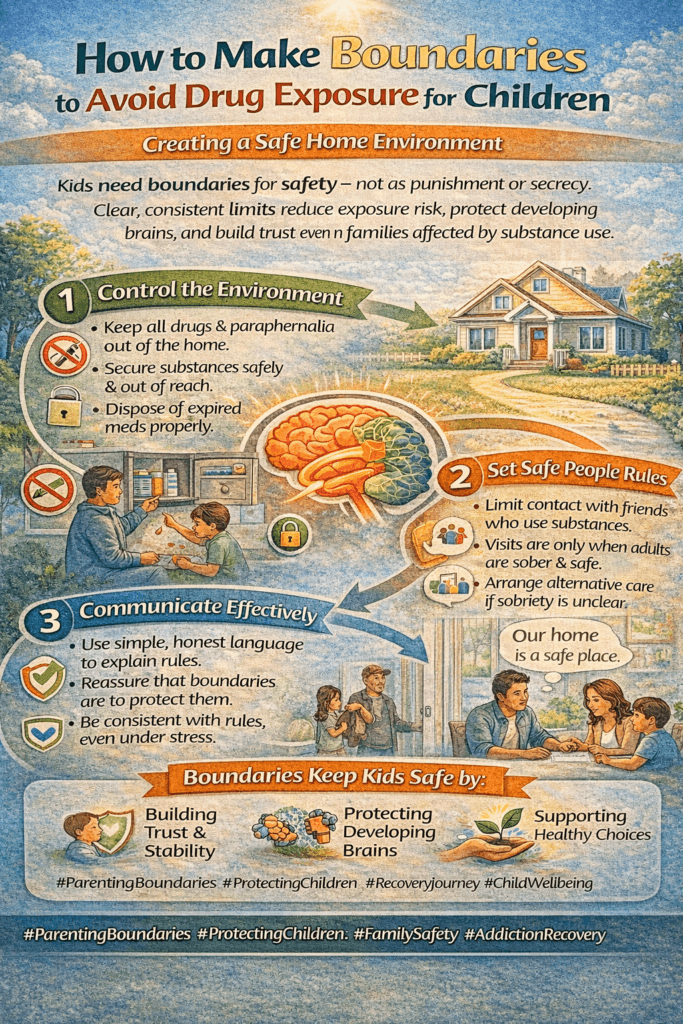
Setting boundaries for children so they stay clear of drugs isn’t about strict rules everywhere you turn. It’s more about making your home and life a place where healthy choices feel natural, and open conversations are a normal part of growing up. I’ve seen how early habits and communication shape decision-making later on, and it’s way easier to set clear boundaries before any issues pop up than to react when things go wrong. Here’s how I go about it and what you might find helpful, too.

Why Boundaries Matter for Keeping Kids Away from Drugs
Boundaries aren’t about control; they’re about giving kids the tools they need to deal with pressure and curiosity later on. With so many influences coming from social media, TV, school, and even neighborhood friends, kids notice way more than we think. According to the National Institute on Drug Abuse, having a strong connection with parents or caregivers lowers the chances of experimenting with drugs.
Boundaries help kids know what’s expected of them and give them confidence to say “no” when someone tries to push drugs on them. It’s not a guarantee, but it definitely gives them a better shot at avoiding risky situations.
Many families, including my own, have experienced moments where curiosity bumped up against family rules. Those are the moments where clear, calm boundaries can make all the difference.
Starting Early: Creating a Safe and Supportive Home Environment
The earlier healthy boundaries are set, the easier it is for kids to understand the household expectations. When I was growing up, some rules seemed random, but as I got older, I realized they were there to protect me, not just to keep things “orderly.”
- Physical Boundaries: Keep prescription and over-the-counter medicines locked up or stored where only adults can access them. The same goes for alcohol and anything that could be misused.
- Social Boundaries: Get to know your child’s friends and their families. Let your kids know it’s okay to walk away from uncomfortable situations, even if friends are pushing something risky.
Making these clear helps kids separate what happens at home from what they might see elsewhere. It also gives them a safe place to return to if things get complicated outside. Sometimes, just knowing there’s a safe space can keep a kid from going along with the crowd.
Talking Openly About Drugs: Communication Builds Strong Boundaries
Open communication has been the most powerful tool in my experience. It can feel awkward at first, but being direct works better than vague warnings or scare tactics.
- Ask Questions: Rather than lecture, I ask about what they’ve seen at school or heard from friends, and how they might handle tough situations. This gets the ball rolling.
- Share Real Info: Kids can spot when you’re sugarcoating the truth. Sticking to real information and being honest about the risks is more persuasive than horror stories.
- Practice Scenarios: Come up with a few “what if?” situations. For example, “What would you do if someone offered you a pill at a party?” Let them think through responses and build their confidence.
The Substance Abuse and Mental Health Services Administration (SAMHSA) offers guides for starting these talks. Regular conversations, not just one “big talk,” make boundaries feel less like a lecture and more like normal family life. Check out their resources here.
Boundaries and Rules That Actually Work
Having clear, realistic house rules helps reinforce boundaries in a way that makes sense. Here are some that I’ve seen work in my home, and others:
- Curfew Times: Set curfews based on age and what makes sense for your area. This helps keep kids out of risky situations during late-night hours.
- Supervision and Check-ins: Use phone calls, texts, or even video check-ins. Let them know your goal is just to make sure they’re safe, not to spy on them.
- House Parties: If your child is hosting friends, keep alcohol and prescription drugs out of reach and stay present, even if you’re just popping in from time to time.
- Consequences: Make consequences for breaking rules clear and consistently enforce them, but avoid harsh or unrealistic punishments. It’s more about accountability than being strict for the sake of it.
Giving kids a say in some of these boundaries can actually make them more willing to stick with them. Explaining the reasons behind rules, like why you don’t want prescription medicine left out, boosts their understanding. When everyone understands the “why,” sticking to those rules feels less like a chore.
What to Watch For: Warning Signs and How to Adjust Boundaries
Sometimes, even with boundaries in place, kids push limits. Keeping an eye out for warning signs helps you spot issues early, before they get out of hand.
- Changes in Mood or Friend Groups: Sudden mood swings or a totally new friend group could signal that something’s up.
- Dropping Interests: Losing interest in hobbies, school, or sports might mean outside pressures are piling on.
- Physical Clues: Things like bloodshot eyes, odd smells, or secretive behavior could indicate exposure to drugs.
If you spot any changes, start a conversation before leaping to conclusions. I’ve often found that stress or other life challenges cause similar changes, so listening first goes a long way. Building trust by listening can actually prevent future issues.
Adapting to Teens’ Growing Independence
As kids get older, boundaries need to mix it up a bit. It’s not about loosening up completely but finding a new balance where trust and freedom go hand in hand. Regular check-ins about plans, friends, and feelings help you keep boundaries clear while still giving them space to grow. Adolescence is a time for trust and guidance, not just rules.
Common Challenges and Smart Solutions
Even with a great game plan, every family runs into challenges. Here are a few things I’ve encountered, plus some ways to work through them:
- Peer Pressure: Support kids in practicing what to say or do if someone offers them drugs. Acting it out together can help them stay calm and confident in real situations.
- Media Influence: TV shows, movies, and social media sometimes glamorize drug use. Watch and talk about these together so kids get your perspective, not just what’s online.
- Family Dynamics: If substance use has been an issue in the family, address it with honesty. It’s better to have an open conversation about the risks than to avoid the topic completely.
What If Boundaries Don’t Seem to Work?
Sometimes, no matter what boundaries are in place, things slip through. If a child experiments with or struggles with drugs, showing support while seeking professional advice can make a big difference. Consider talking with a pediatrician, reaching out to school counselors, or looking into community resources for help. Getting support early shows your child that you truly care and that they are not alone.
Practical Tips for Parents and Caregivers
Keeping boundaries solid isn’t a one-time thing—it’s an ongoing process. Here are some practical pointers to keep things on track:
- Update Rules as Needed: Family life changes, so revisit household boundaries regularly. Adjust curfews, supervision, and expectations as your child gets older and more responsible. Change is part of growing up, and your boundaries can change with your family’s needs.
- Model Good Behavior: Show healthy coping strategies when things get tough. Kids notice how adults deal with stress far more than we think, and they often mirror our actions.
- Praise Positive Choices: Recognize and celebrate when kids stick to boundaries or make good choices, even if it’s just coming home by curfew or calling to check in.
- Stay Informed: Know the signs of drug use, learn about emerging trends, and stay in the loop with what’s happening at school and in the neighborhood. Websites like Partnership to End Addiction provide up-to-date info and tools to help parents stay knowledgeable and ready to talk.
Working as a team with other parents also helps. Sharing tips or coordinating plans for group events goes a long way in keeping everyone’s kids safer. Being on the same page with other families reduces confusion and sends a unified message.
Another practical tip is to encourage activities that give kids a sense of purpose and belonging. Sports, clubs, volunteer work, or hobbies can fill free time in positive ways. The busier and more engaged kids are in things they enjoy, the less likely they are to be swayed by negative influences. Encourage them to try out new things, explore their talents, and even take on some responsibility in the family or community. Every bit of confidence you help build can be a strong guardrail against risky choices.
Frequently Asked Questions
Over the years, these are a few questions I get asked a lot when it comes to setting boundaries for drug safety:
Question: How early should I talk to my kid about drugs?
Answer: It’s never too early to start age-appropriate conversations. Simple talks about safety in elementary school—you can add more detail as they grow.
Question: What if my child gets angry about the rules?
Answer: It’s totally normal for kids to get frustrated sometimes. Stay calm, explain your reasons, and let them know you’re always open to hearing their thoughts, even if the rules stand. It’s important for them to feel heard and respected, even during disagreements.
Question: Are school programs about drugs enough?
Answer: School programs are helpful, but hearing clear expectations and reasons from family is super important. Use what they learn in school as a jumping-off point for your own family discussions—it helps cement those lessons at home.
Final Thoughts
Building boundaries to help kids avoid drug exposure works best when it’s part of daily life, not just a single rule or conversation. Honesty, consistent expectations, and lots of support at home can all help kids build the confidence to make healthy choices as they get older. Family support, openness, and flexibility can make all the difference in your child’s ability to say no to drugs when it really matters.
If you’re ever feeling stuck, connecting with other parents, teachers, and community groups can give fresh ideas and support. Every family is different, but setting boundaries for drug safety is something every household can work towards—even with small steps, one day at a time.
Video: Parents Who Do This Protect Their Kids Best #FamilyFirst #RecoveryParenting