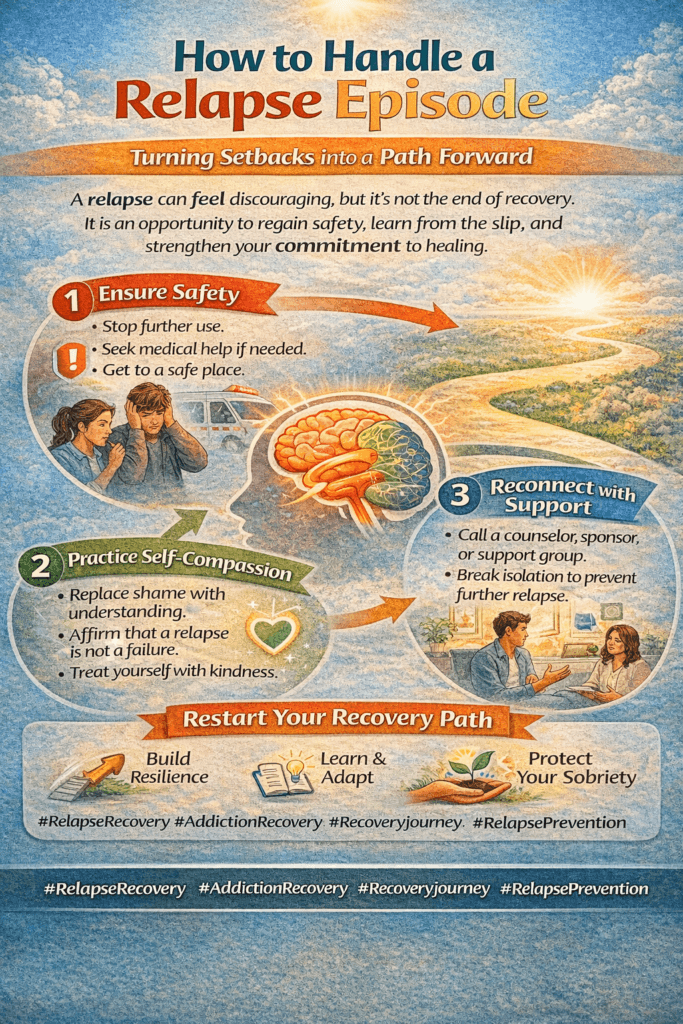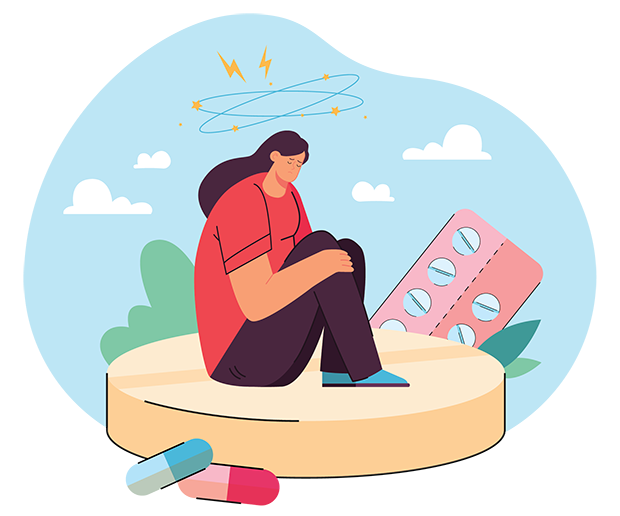
Relapse is something many folks deal with at different points in their recovery. If you’ve experienced a relapse, whether it’s with substance use, unhealthy habits, or mental health routines, you might feel stuck, discouraged, or even a little ashamed. In reality, relapses happen, and knowing how to handle that episode makes a big difference in getting back on track. Here’s a practical roadmap to help you steer through a relapse so you don’t stay stuck there longer than you need.
Understanding What a Relapse Means
Relapse doesn’t mean you’ve failed completely or that all your hard work is wasted. In recovery, a relapse usually refers to a temporary return to a behavior or substance you’ve been working to avoid. Researchers and counselors recognize that setbacks happen and are actually pretty common during recovery from addiction, depression, anxiety, or even unhealthy eating patterns.
Realizing that relapse is part of the healing process helps take away some of the guilt and pressure. Lots of studies show it’s just one part of the adventure, not the end. Knowing this from the start makes it less scary and gives you more power to make supportive choices moving forward. The SAMHSA resource on relapse prevention is pretty handy if you want to learn more.
Immediate Steps to Take Right After a Relapse
After a relapse, what you do next is really important. These steps can make the biggest difference in moving through that episode:
- Pause and Breathe: Give yourself a moment to collect your thoughts. Stress spikes can cloud your thinking and feed into guilt, so taking a few breaths grounds you and helps the rush of emotion pass.
- Acknowledge What Happened: Admitting the relapse happened, without beating yourself up about it, helps prevent denial or hiding. It’s all about being honest with yourself.
- Reach Out for Support: Whether it’s a friend, counselor, sponsor, or even a supportive community online, letting someone trustworthy know about your relapse lets you get support faster. You’re way less likely to spiral if you’re not alone with it.
- Remove Triggers If Possible: If there’s a specific item, setting, or person tied to your relapse, do what you can to step away for now. Sometimes that means putting a little distance between you and the situation until the urge passes.
These first moves matter most because they interrupt the cycle and help you start refocusing without letting guilt take over.
Figuring Out What Led to the Relapse
Taking some time to look at “what set this off?” may feel uncomfortable, but it’s a very helpful exercise. Some common triggers for relapse include stress, feeling isolated, certain social situations, or running into people from your past. Some folks have external triggers like being in a specific place, while for others, it’s more about mood or mental health.
Journaling for a few minutes or jotting notes in your phone right after the event can really help spot these patterns. Being curious instead of judgmental with yourself works better than playing the blame game. Many therapists suggest using a simple checklist or a trigger diary for a week or two, especially if you’re noticing repeated issues.
Asking yourself “What did I feel before the relapse? Where was I? Who was around?” can shed light on patterns you might not spot otherwise. Over time, tracking these answers can help you get a better understanding of your unique triggers, which is a huge step toward preventing future setbacks.
Building a Recovery Plan After a Relapse Episode
Having a new plan in place keeps you from slipping further or staying stuck. The goal isn’t to create a perfect system right away; it’s about small tweaks that make recovery a little easier to stick with this time around.
- Update Your Coping Strategies: If stress management was tough, maybe try a new method, like guided meditations or exercise routines, instead of what wasn’t working.
- Revisit Support Networks: If you drifted away from meetings, therapy, or social groups, now’s a great time to get involved again or try out a new one. Sometimes people or communities change, and that’s totally fine.
- Set Short-Term, Achievable Goals: Instead of focusing on some huge long-term milestone, set a goal for today or this week. This makes recovery more doable and rewarding.
- Monitor Progress: Keeping a simple daily checklist, tracker app, or update with a trusted person provides accountability.
Your next steps don’t have to be massive. Even small changes, such as switching up your home environment, trying a new support group, or scheduling a counseling session, all add up.
Getting creative with your recovery plan can also bring some fresh energy. Maybe you add an art project, take up a new hobby, or spend more time outdoors. Any new positive activity can help fill the space and reinforce your journey forward.
Common Challenges After a Relapse
Some issues tend to pop up for almost everyone after a relapse. Knowing what you might face and how to tackle them helps you prep instead of being caught off guard.
- Shame and Guilt: These emotions creep in fast and can make you want to give up. Talking honestly about them with someone who understands is the best way to move through these feelings.
- Negative Self-Talk: You might notice harsh internal thoughts like, “I’ll never get this right.” Catching those and gently challenging them, or even writing counter-statements, helps break the cycle.
- Fear of Reaching Out Again: It’s common to feel awkward or embarrassed about reaching out to your support network. Remind yourself that most folks in recovery have been there, and you’re far from alone.
- Trouble Restarting Habits: Getting back into healthy routines feels harder after a setback. Start with the absolute basics: hydration, decent sleep, and trying something active each day, even if small.
Overcoming these challenges takes some trial and error. It helped me think in terms of “progress, not perfection,” focusing on doing one healthy thing at a time rather than expecting a flawless recovery.
Sometimes you may also deal with disappointment from loved ones. Communication is key—tell them how you’re feeling and what kind of support actually works for you. Most people appreciate honesty and just want to help, even if they’re upset at first.
Tips and Strategies for Preventing a Future Relapse
Staying relapse-free is an ongoing process. There’s no one-size-fits-all manual, but I’ve picked up a few practical strategies along the way that work for different situations:
Make Self-Care Non-Negotiable: Having a daily routine for rest, food, movement, or hobbies really helps keep you balanced and less likely to hit breaking points.
Practice Mindfulness or Relaxation: Short mindfulness exercises, deep breathing, or walks outside can help when you’re feeling triggered or overwhelmed. Apps like Headspace or Calm are a good way to get started if meditation is new to you.
Keep Your Support Network Updated: Regular check-ins or simple texts with friends, family, or mentors help you feel connected. You never have to go through recovery by yourself.
Set Realistic Boundaries: It’s really important to distance yourself from people, habits, or places that aren’t supportive right now—even if you feel a little awkward about it.
Review and Refresh Your Plan: Check back on your plan each month or after stressful periods. If something isn’t helping, switch it out. Flexibility is your friend, so don’t be afraid to mix things up.
Another tip is to celebrate small milestones. Maybe it’s a day or a week back on track—every victory matters. Treat yourself to something nice or share your success with someone who’s rooting for you; it helps keep momentum going.
Examples of Recovery in Everyday Life
I’ve seen people recover fully from a relapse and do even better afterwards because they learned what didn’t work last time. For example, one person I know switched from solo recovery podcasts to joining a group fitness class; the routine and support made a world of difference. Another added a simple morning journal to sort through triggers and get ahead of trouble spots before they even started. The point is that adjusting and learning from the setback makes your next steps more effective.
- Building New Routines: Adding even one healthy habit per week helps it stick around longer and makes it more manageable.
- Using Tech for Motivation: Habit-tracking apps or sticking notes on the bathroom mirror keep you accountable and motivated.
- Learning from Relapse: Honest reflection, not blame, gives you a better shot next round, because you’re aware of what you need and what needs to change.
Plenty of people stumble upon creative ways to support their recovery—like starting a gratitude list, gardening, or volunteering. Small ideas can open bigger doors, and sometimes even an eye-catching quote on your fridge can give your motivation a real boost.
FAQs About Handling a Relapse
Here are some of the things I get asked most about relapse and recovery:
Question: Does a relapse mean I have to start from the very beginning?
Answer: Not at all. You already know a lot; what worked, what didn’t, and how to get support. Think of it as a short detour, not a whole new trip.
Question: What if I keep relapsing?
Answer: Frequent relapses usually mean your current plan isn’t quite right for you. Trying out new support options or routines might help. Don’t be afraid to check in with professionals for advice or try something new if the old ways aren’t working.
Question: Who should I talk to about a relapse?
Answer: Anyone you trust—family, close friends, a support group, or a professional. The first step is simply to tell someone to lift some of that burden and get support on your side.
Getting Back on Track
Handling a relapse is about picking yourself up, tuning in to your needs, and reaching out for support. Just remember, every step, no matter how small, moves you forward. With the right game plan and support, you really can bounce back and keep working toward the progress you want for yourself.
Recovery is an ongoing adventure, so go easy on yourself and focus on doing a little better each day. If you’re reading this and have just relapsed, give yourself credit for showing up and looking for help; you’re already moving in the right direction.
Video: After A Relapse, Do This First #SobrietyTools #MentalHealthSupport #Recovery