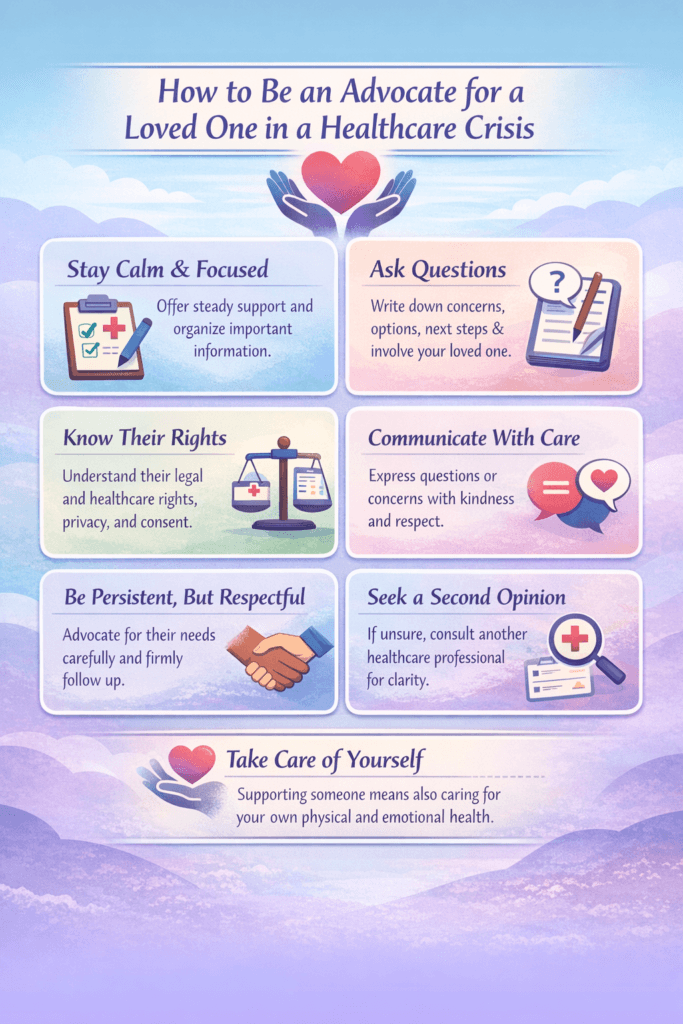
Being there for someone with addiction during a healthcare crisis can feel intimidating at first. There’s often a lot going on, and it’s easy to feel lost when you step into a hospital or help find your way through community care. When a friend or family member is dealing with both addiction and a medical emergency, your support actually does a lot, from making sure their needs are heard to helping them feel less overwhelmed. Here, I’ll share what I’ve learned about how to support someone with addiction as their advocate, especially when the healthcare system gets tricky.
Understanding Addiction and Healthcare Crisis Challenges
Addiction isn’t just about substance use; it’s a complex brain condition with real physical and mental roots. When healthcare emergencies pop up, whether it’s detox, overdose, infections, or a sudden hospitalization from an untreated condition, things can move fast, and stigma can creep into even professional spaces. Being aware of this helps you spot moments where extra compassion or clear communication can make things better.
The stigma attached to addiction can influence care decisions, sometimes leading to less aggressive pain relief or even dismissive attitudes from staff. Knowing this isn’t just about reading statistics on discrimination; I’ve seen firsthand how much of a difference it makes to have a supportive ally nearby who can keep the focus where it belongs, on the patient’s needs.
What an Advocate Actually Does
An advocate’s main job is pretty simple: listen, observe, speak up, and help the person stay centered in their own care. You’re not just a bystander or a notetaker. Instead, you’re an extra pair of eyes, ears, and sometimes a voice when your person is feeling too stressed, sick, or confused to keep track of themselves. Your presence is there to bolster, not to take away, their control or dignity.
- Communicator: You relay needs or preferences to healthcare staff and make sure nothing falls through the cracks.
- Support System: You help manage stress and remind your friend or family member that they have backup through tough moments.
- Record Keeper: Jotting down medications or instructions helps avoid confusion, especially if multiple providers are involved.
- Boundaries Guardian: You keep things respectful, both for your person and towards the care team.
First Steps: Getting Oriented in a Healthcare Crisis
The first steps as a medical advocate often happen fast. Hospitals can be confusing, paperwork piles up, and there’s a lot of medical language that feels pretty foreign if you’re not used to it. Here are a few things I keep in mind first:
- Gather Information: Get a list of all current medications, allergies, and important medical history. Having this written down helps avoid repeated questions, and staff appreciate clear, concise info. When in doubt, write it down and give it to the nurse or doctor for the chart.
- Introduce Yourself: Let healthcare folks know you’re there as a support person. A quick, respectful introduction helps set a positive tone and opens the door for basic collaboration.
- Ask About Rights and Hospital Policies: Some hospitals require visitors to complete paperwork or allow patients to formally name advocates. Knowing those rules early helps you avoid hiccups down the line, so you’re not surprised if access needs to be limited.
- Check In About Privacy: Sometimes people with addiction worry more about privacy. I always ask, “What are you comfortable with me sharing or hearing?” before any conversations start. This upfront check builds trust and reduces anxiety.
Communication: Finding Your Voice (and Theirs)
Healthcare settings often move quickly, and medical teams share so much information that it’s easy to get lost. Here’s where clear, human communication pays off.
- Practice Active Listening: Repeat back what you hear from doctors and nurses, or ask clarifying questions. This ensures you and your person understand the instructions or next steps. It also shows staff that you’re attentive, which can lead to better discussions and less rushed care.
- Be Assertive, but Polite: Asking questions like “Can you explain that again?” or “What are the options?” shows respect for their expertise but also signals that you’re an involved advocate. It’s okay to ask for something to be re-explained until it’s totally clear.
- Encourage Direct Questions: If your friend is quiet or unsure, gently nudge them to ask, or ask for them if they’re comfortable with that. Sometimes, they just need backup to feel brave enough to speak up within a system that might feel intimidating.
- Address Stigma Directly, If Needed: If you notice dismissiveness or judgment, a calm “We’d like to focus on his/her medical needs right now” can steer things back where they belong, removing the distraction of negative assumptions and centering attention on the health issue.
Managing Medication Issues and Withdrawal
Hospitals aren’t always ready for addiction-related needs. If someone is at risk of withdrawal, in pain, or has special medication requirements, an advocate’s role becomes really important:
- Bring Up Withdrawal Risks: Don’t assume staff are already aware. Mention any history of withdrawal so plans can be put in place promptly to avoid complications, and check if protocols for managing withdrawal are in place.
- Double-Check Medications: New drugs can interact with street substances or other prescribed meds. I always ask the nurse or doctor to review possible interactions and flag allergy concerns right away. This step is especially important if there are any signs of confusion, agitation, or new symptoms.
- Document Symptoms: If you spot signs of withdrawal, pain, or mental health distress, make a note and report it calmly. This helps providers track what’s actually happening. Even keeping a small notebook or notes app updated can make transitions between providers safer.
- Ask About the Plan for Discharge: Helping someone transition from the hospital to home (or rehab) goes more smoothly if you talk about it early, especially if they’ll need ongoing prescriptions or support. It’s helpful to ask, “What are the follow-up plans?” and “Who can we contact if problems come up at home?”
Dealing With Stigma and Bias in Medical Settings
I’ve noticed that even the best doctors and nurses aren’t immune to the stereotypes around addiction. It’s uncomfortable, but there are ways to make the environment more supportive for you:
- Stay Calm but Persistent: Getting frustrated won’t help. If you feel your person isn’t receiving fair treatment, calmly ask for clarification or a patient advocate from the hospital’s social work team. Document any concerns and follow up if needed.
- Use Clear Language: Stay focused on health issues (“He’s in pain,” “She’s withdrawing,” “They need a psychiatric consult”), not moral judgments or past mistakes. Highlighting facts keeps conversations on track and increases staff respect.
- Request Additional Support: Social workers or chaplains at hospitals can offer extra help, especially around mental health and addiction recovery planning. Don’t hesitate to get them involved when your person is open to it.
Things to Consider When Advocating for Someone with Addiction
There are some specific challenges and practical steps to keep in mind. Here are a few things I’ve learned to watch out for:
- Patient Autonomy: Even though you want to help, always check what your person wants. Support their choices, even if they’re not what you’d pick for yourself. Their voice should lead the way whenever possible.
- Confidentiality: Respect hospital privacy rules and only discuss what your person authorizes you to share. Double-check before talking to other family or friends.
- Plan for Aftercare: A crisis often doesn’t end once you leave the hospital. Make sure to address follow-up appointments, prescriptions, or counseling before leaving. It can also help to look up local addiction recovery resources or call a helpline, even just for reference.
- Take Care of Yourself: Advocacy can be stressful and draining. Having support for yourself, whether it’s a friend to talk to or a trusted counselor, keeps you from burning out. Take regular walk breaks, breathe deeply, and give yourself small rewards for facing tough moments.
Patient Autonomy
The best advocacy respects the wishes of the person you’re helping. This means pausing when they need space, honoring their medical or treatment choices, and not taking over decisions unless absolutely necessary. Even in tough moments, their preferences come first. The bond of trust you build as an advocate is often rooted in honoring autonomy above everything else.
Confidentiality
Hospitals take privacy rules seriously, and so should you. Never share sensitive health details with anyone outside the care team, even well-meaning friends or family, unless your person gives permission at every step. This builds trust and can actually relax the person you’re supporting during a vulnerable time.
Aftercare Coordination
If follow-up appointments, medication planning, or addiction recovery steps are part of the transition out of the hospital, try to get as much in writing as possible. I double-check the discharge paperwork and, if possible, set reminders for key dates, helplines, or next appointments. Having a support team lined up for aftercare, whether through community organizations or familiar professionals, increases the chances for smoother recovery.
Self-Care for Advocates
You can’t give support if you’re running on empty. Checking in with how you’re feeling isn’t self-indulgent. Even taking a walk, having a snack, or reaching out to your own support network does a lot to keep your energy and patience intact. Consider talking with a peer support group or a professional about challenging experiences, since advocacy work can bring up strong emotions that are easier to handle when shared.
All this advice comes down to one main idea: being proactive but gentle, both with your person and yourself, is the foundation of good advocacy.
No single approach to advocacy works for everyone, but being grounded in clear communication, compassion, and practical preparation will set you and your loved one up for a smoother experience. Building trust with the care team keeps things positive, and advocating from a place of respect helps counter some of the biases often present in hospitals.
Frequently Asked Questions
People often have the same questions about advocacy during an addiction-related crisis, so here are a few quick answers:
Question: Can I really make a difference as an advocate?
Answer: Yes, even just being present can improve a care experience. Patients with a support person feel more confident and less alone, and staff often communicate better when an advocate is involved.
Question: What should I do if my friend isn’t ready to accept addiction treatment?
Answer: Support their decisions and avoid pressuring them. Offer resources and information without making demands. Sometimes, being a steady, accepting presence helps people take their first steps when they’re ready.
Question: How can I help with pain management if staff seem hesitant due to addiction history?
Answer: Encourage honest conversations about pain. Reassure medical staff that you support responsible pain care and ask if a pain specialist can help review options.
Why Strong Advocacy Matters
Being an advocate when addiction and a healthcare emergency intersect helps people navigate one of the toughest situations they’ll face. You bring clarity, compassion, and backup during moments of stress and confusion. Healthcare can be complicated, but advocacy doesn’t require special training, just a willingness to step up, listen, and help your person feel a bit less alone when they need it most.
Video: Don’t Let the ER Fail Them Because of Stigma #addiction #patientadvocacy #recovery