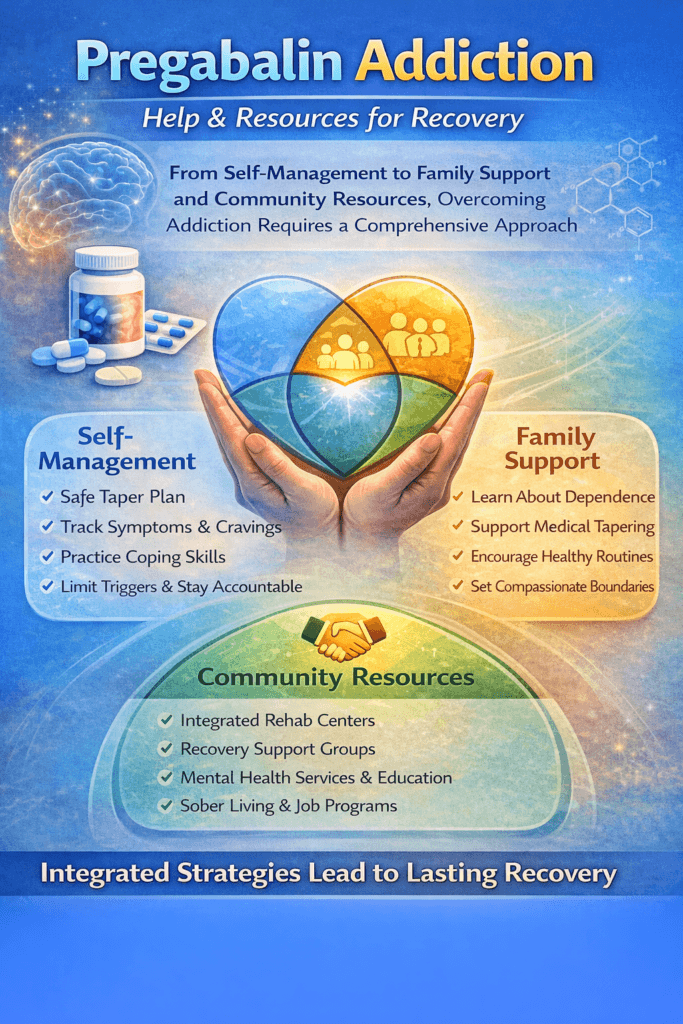
Pregabalin addiction is an increasing concern as prescription medication misuse rises. Although effective for nerve pain, anxiety, and seizures, high doses can cause dependence, especially in those with a substance use history. Recovery requires more than tapering alone and depends on self-management, family support, and community resources working together to restore health and stability.
Pregabalin Addiction: When a Helpful Medication Becomes a Hidden Risk
Pregabalin, commonly known by the brand name Lyrica, is a prescription medication used to treat nerve pain, epilepsy, fibromyalgia, and anxiety disorders. In recent years, however, pregabalin has gained attention for an unintended reason — its potential for misuse and addiction. While effective for legitimate medical conditions, pregabalin can produce calming and euphoric effects at high doses, making it appealing to individuals vulnerable to substance use disorders. Understanding pregabalin addiction is essential for early identification, prevention, and safe treatment.
How Pregabalin Works
Pregabalin acts on calcium channels in the nervous system, reducing excessive nerve activity. This action decreases pain signals, calms anxiety, and stabilizes overactive brain activity. At prescribed doses, it is generally safe and effective. At higher doses, however, it can create feelings of relaxation, detachment, and mild euphoria — effects that increase misuse risk.
Why Pregabalin Can Become Addictive
Although not classified as a traditional narcotic, pregabalin affects the brain’s reward system. Individuals with a history of opioid use, alcohol dependence, or anxiety disorders may be especially vulnerable. Tolerance can develop quickly, leading users to take higher doses for the same effect. Over time, the brain adapts, creating dependence and withdrawal symptoms when the drug is stopped.
Signs of Pregabalin Misuse
Common warning signs include taking more than prescribed, running out of medication early, seeking prescriptions from multiple providers, using pregabalin to get high, excessive sleepiness, confusion, dizziness, and poor coordination. In severe cases, misuse can lead to respiratory depression, memory loss, and dangerous interactions with opioids or alcohol.
Withdrawal and Detox
Stopping pregabalin suddenly can cause withdrawal symptoms such as insomnia, anxiety, nausea, sweating, tremors, and rapid heart rate. For this reason, medical tapering under professional supervision is recommended. Detoxification is often combined with behavioral therapy to address underlying addiction patterns.
Treatment and Recovery
Effective treatment includes medical tapering, addiction counseling, cognitive behavioral therapy, relapse prevention planning, and peer support programs. When pregabalin misuse occurs alongside other substance use disorders, integrated treatment is essential. Education for patients and families also plays a major role in preventing relapse.
Prevention and Safe Use
Safe pregabalin use involves following prescribed doses, avoiding mixing with alcohol or opioids, storing medication securely, and communicating openly with healthcare providers about side effects or cravings. Early awareness prevents accidental dependence from progressing into addiction.
Conclusion
Pregabalin is a valuable medical tool when used correctly, but it carries hidden addiction risks when misused. Awareness, responsible prescribing, patient education, and timely treatment intervention protect individuals from developing dependence. With proper medical guidance and recovery support, individuals can safely regain control and restore healthy, substance-free living.
Self-Management Strategies for Pregabalin Addiction Recovery
Recovering from pregabalin addiction requires more than completing detox or tapering medication. Because pregabalin affects brain pathways linked to calmness and reward, stopping misuse can leave individuals facing anxiety, insomnia, cravings, and emotional instability. Self-management strategies help individuals regain control, reduce the risk of relapse, and rebuild daily stability. When combined with medical care and counseling, these practical tools empower lasting recovery.
Follow a Safe Taper Plan
Pregabalin should never be stopped abruptly. Individuals must follow a medically supervised tapering schedule to minimize withdrawal symptoms such as restlessness, nausea, sweating, and sleep disruption. Using medication reminders, pill organizers, and scheduled check-ins improves adherence and safety.
Track Symptoms and Cravings
Keeping a daily log of mood, sleep, anxiety levels, and cravings helps identify triggers early. Recognizing patterns allows individuals to apply coping strategies before urges escalate.
Build Non-Medication Coping Skills
Since pregabalin often becomes misused for stress relief or emotional escape, replacing it with healthy coping methods is essential. Deep breathing, mindfulness, exercise, journaling, and creative activities naturally calm the nervous system.
Manage Stress Proactively
Stress commonly triggers relapse. Structured routines, balanced nutrition, hydration, physical activity, and relaxation practices stabilize brain chemistry and reduce vulnerability.
Avoid High-Risk Situations
Limiting contact with people or environments associated with substance use protects early recovery. Removing leftover medication from the home also prevents impulsive use.
Use Accountability Supports
Peer recovery groups, sponsors, trusted family members, or digital recovery apps provide encouragement and accountability. Sharing progress reduces isolation and reinforces motivation.
Prioritize Sleep Recovery
Withdrawal and early recovery often disrupt sleep. Maintaining consistent bedtime routines, limiting screen time at night, and using calming activities improve rest without relying on medication.
Communicate with Healthcare Providers
Reporting side effects, cravings, or emotional distress allows providers to adjust treatment plans early. Honest communication prevents setbacks from becoming relapses.
Prepare for Urge Surfing
Cravings typically rise and fall like waves. Using urge-surfing techniques — pausing, breathing, distracting, or calling support — helps individuals ride out impulses safely.
Conclusion
Pregabalin addiction recovery is achievable through consistent self-management, medical supervision, and supportive care. By tracking symptoms, developing natural coping strategies, reducing triggers, and staying connected to support systems, individuals reclaim control over their health. Empowered daily self-management transforms recovery from a short-term goal into a sustainable, lifelong commitment.
Family Support Strategies for Pregabalin Addiction Recovery
When a loved one struggles with pregabalin addiction, families often feel confused, worried, or helpless. Because pregabalin is a prescription medication, misuse may be hidden behind legitimate medical use, delaying recognition of the problem. Yet family involvement can make a powerful difference in recovery success. With education, structure, and compassionate boundaries, families can help loved ones safely withdraw from misuse, rebuild stability, and prevent relapse.
Understanding Pregabalin Addiction
Families benefit from learning how pregabalin works, why dependence develops, and what withdrawal looks like. Recognizing that addiction is a medical condition — not a moral failure — reduces blame and improves supportive communication.
Supporting Medical Tapering Plans
Stopping pregabalin suddenly can cause withdrawal symptoms. Families can help by encouraging adherence to taper schedules, reminding about appointments, and helping monitor side effects such as insomnia, anxiety, or irritability.
Creating a Safe Home Environment
Secure storage of medication prevents impulsive overuse or access by others. Removing leftover or unused prescriptions reduces the temptation and risk of accidental misuse.
Encouraging Healthy Routines
Families can support consistent sleep schedules, shared meals, hydration, and physical activity. Daily structure stabilizes mood and lowers relapse risk.
Practicing Open Communication
Nonjudgmental conversations help loved ones express struggles without fear of punishment. Asking supportive questions instead of issuing accusations strengthens trust.
Watching for Relapse Warning Signs
Taking extra doses, requesting early refills, isolating, excessive sedation, or mood changes may indicate misuse returning. Early family intervention allows timely provider involvement.
Promoting Professional and Peer Support
Encouraging attendance at therapy, recovery groups, or addiction counseling reinforces external support networks beyond the family system.
Maintaining Healthy Boundaries
Families should avoid enabling behaviors such as giving extra medication or covering up misuse. Clear, compassionate boundaries protect both the individual and family well-being.
Seeking Support for the Family
Family members also need care. Joining family addiction support groups or counseling helps manage stress, prevent burnout, and learn effective coping strategies.
Conclusion
Pregabalin addiction can disrupt families, but recovery becomes stronger when loved ones actively participate in support. Through education, safe medication practices, healthy routines, open communication, and firm, compassionate boundaries, families help transform dependence into healing. Together, families and treatment teams build a foundation for long-term recovery and restored trust.
Community Resource Strategies for Pregabalin Addiction Recovery
Recovery from pregabalin addiction is strengthened when individuals have access to supportive, accessible community resources. Because pregabalin misuse often develops quietly through prescription use, many people struggle alone before seeking help. Community-based programs provide education, access to treatment, peer connection, and stability that help turn medical detox into long-term recovery. When communities build strong support networks, individuals gain the tools to overcome dependence and rebuild meaningful lives.
Integrated Addiction Treatment Centers
Community addiction clinics offering medication tapering, medical monitoring, and behavioral therapy provide safe environments for pregabalin withdrawal and recovery. Coordinated care ensures physical symptoms, mental health needs, and relapse prevention are addressed together.
Peer Recovery Support Networks
Peer-led recovery organizations connect individuals with mentors who understand prescription medication dependence. Shared experiences reduce shame, build motivation, and reinforce daily recovery practices.
Community Mental Health Services
Many individuals misusing pregabalin also experience anxiety, chronic pain, or mood disorders. Community mental health centers provide counseling, psychiatric care, and stress management services that reduce reliance on medication for emotional relief.
Recovery Housing Programs
Sober-living and transitional housing programs offer structured environments with accountability and support. These settings reduce exposure to triggers and reinforce healthy routines during early recovery.
Educational Workshops and Outreach
Community organizations offering medication safety education, relapse prevention training, and family programs increase awareness about prescription drug misuse and available treatment resources.
Employment and Vocational Assistance
Workforce training programs help individuals regain employment and financial stability. Meaningful daily activity reduces stress and vulnerability to relapse.
Transportation and Access Services
Community ride programs or transit vouchers ensure consistent access to therapy appointments, medical visits, and recovery meetings.
Prescription Monitoring and Pharmacy Collaboration
Community pharmacists play an important role in identifying early refill patterns, educating patients, and collaborating with providers to prevent medication misuse.
Public Awareness and Stigma Reduction
Community campaigns that promote safe prescription use and addiction treatment as healthcare encourage individuals to seek help earlier without fear or shame.
Conclusion
Pregabalin addiction recovery grows stronger when supported by community-based care systems. Through integrated treatment centers, peer networks, mental health services, housing programs, education, and public awareness, communities transform isolated struggles into connected healing journeys. When medical treatment and community support align, long-term recovery becomes not only possible, but sustainable.
Frequently Asked Questions
Here are some common questions:
What is pregabalin?
Pregabalin is a prescription medication used to treat nerve pain, seizures, fibromyalgia, and anxiety disorders. It works by calming overactive nerve signals in the brain and body.
Can pregabalin be addictive?
Yes. While safe when used as prescribed, pregabalin can produce calming or euphoric effects at high doses, which may lead to misuse, dependence, and addiction in some individuals.
Why do people misuse pregabalin?
Some individuals misuse pregabalin to experience relaxation, emotional escape, or a mild high. People with a history of substance use disorder are at higher risk.
How does pregabalin addiction develop?
Tolerance can develop over time, meaning higher doses are needed for the same effect. This can lead to dependence, cravings, and withdrawal symptoms when stopping.
What are common signs of pregabalin misuse?
Taking more than prescribed, running out of medication early, seeking multiple prescriptions, excessive drowsiness, confusion, or using it to get high are common warning signs.
Is pregabalin withdrawal dangerous?
Withdrawal can cause anxiety, insomnia, nausea, sweating, tremors, and irritability. Sudden stopping is not recommended; medical tapering is safest.
Can pregabalin be mixed with alcohol or opioids?
No. Mixing pregabalin with alcohol, opioids, or sedatives increases the risk of breathing problems and overdose.
How is pregabalin addiction treated?
Treatment includes medical tapering, behavioral therapy, relapse prevention planning, and peer recovery support. Co-occurring mental health conditions are also addressed.
How long does recovery take?
Recovery time varies by individual. Some stabilize within weeks after tapering, while others require longer-term therapy and support.
Can family support improve recovery outcomes?
Yes. Family encouragement, medication safety support, and healthy routines greatly improve treatment success.
Are community resources helpful in recovery?
Yes. Addiction treatment centers, peer groups, counseling services, and recovery housing provide essential support for long-term stability.
Can someone fully recover from pregabalin addiction?
Absolutely. With medical guidance, self-management strategies, family involvement, and community support, long-term recovery is achievable.
What should someone do if they think they are addicted?
They should speak with a healthcare provider immediately. Early help prevents withdrawal complications and reduces relapse risk.
Is pregabalin addiction common?
Cases are increasing worldwide, especially among individuals with previous substance use disorders, which makes awareness and monitoring important.
Does pregabalin have legitimate medical uses?
Yes. When taken exactly as prescribed under medical supervision, pregabalin is effective and safe for approved conditions.
Conclusion
Pregabalin addiction can disrupt lives, relationships, and health, but recovery is entirely possible with the right support systems in place. Self-management skills help individuals regain control over cravings and daily routines. Family involvement strengthens accountability, trust, and emotional stability. Community resources provide access to medical care, peer support, education, and structured environments that protect against relapse. When these elements are integrated into a comprehensive recovery plan, individuals move beyond dependence toward independence, resilience, and sustained well-being.
Video: