Gaslighting and addiction, when tangled together, can create a tricky web that’s hard to break free from. While most people have heard of gaslighting, not everyone realizes how much it can affect someone struggling with addiction. If you’re in recovery or supporting someone who is, knowing how to spot gaslighting and understanding the harm it causes is really important for moving forward.
What Is Gaslighting, and Why It’s Such a Problem in Addiction
Gaslighting is a form of psychological manipulation where someone makes you doubt your reality or memories. In the context of addiction, gaslighting can keep someone stuck in unhealthy patterns, feeling lost, or even blaming themselves for things that aren’t their fault.
I’ve noticed gaslighting pop up in different ways. Sometimes it comes from a partner, family member, friend, or even a treatment provider who isn’t supportive. People with addiction may even gaslight themselves, twisting their own thinking out of guilt or shame.
This behavior doesn’t just mess with your emotions. It can erode confidence, undermine trust, and put serious roadblocks in the way of improvement. Recognizing what’s happening is often the key to stopping the cycle.
How Gaslighting Shows Up in Addiction
Spotting gaslighting isn’t always easy, especially when you’re in the middle of active addiction or a chaotic environment. Here are a few common ways I’ve seen it show up:
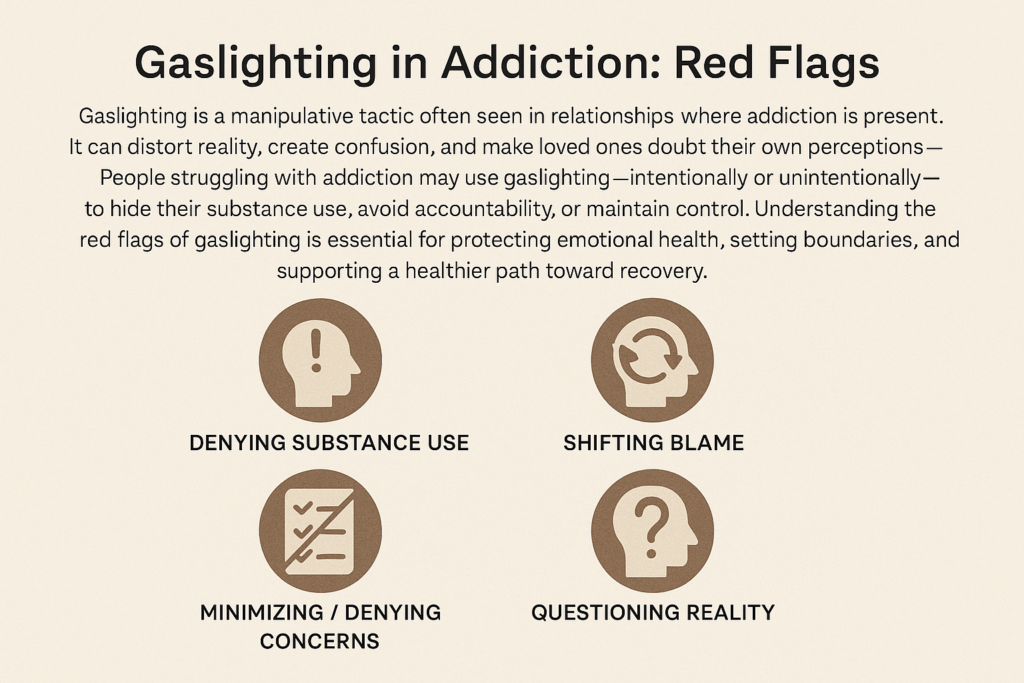
- Denying: Someone claims events never happened or that things didn’t happen the way you remember, even when you’re sure they did.
- Minimizing: They brush off your feelings, saying you’re “overreacting” or “too sensitive.” This makes you second-guess your own emotional responses.
- Blame shifting: The person suggests that if you hadn’t done something, things would be fine, or your addiction is the root of every problem in the relationship.
- Changing the subject: When you try to address issues, the conversation is redirected, or distractions are thrown in, leaving you feeling confused or frustrated.
- Withholding: They insist you’re imagining things and refuse to listen or engage, effectively shutting down your concerns.
These actions are designed to make you feel off balance, as if you can’t trust yourself anymore. That’s a pretty tough place to be when you’re already fighting addiction. The feeling of confusion can stick around even after the immediate situation is over. Sometimes, the gas lighter refuses to acknowledge your pain, making you feel like you’re invisible in your own struggle. Understanding these tactics can help you stay alert to similar patterns in the future.
Red Flags: Signs Gaslighting Is Holding You Back
If you’re not sure whether gaslighting is keeping you stuck, here are some signs to look for. I’ve heard people in recovery share similar stories, and these patterns come up a lot:
- You constantly apologize, even when you don’t think you’ve done anything wrong.
- You feel confused or question your memory after arguments or discussions.
- You find yourself agreeing to keep the peace, not because you really believe what’s being said.
- You feel isolated, as if no one would believe your version of events.
- Your self-esteem dips; you don’t trust your own thoughts or feelings.
When these signs crop up, it’s usually a pretty clear message that someone’s manipulating your experience, whether intentionally or not. Left unchecked, this cycle can mess up progress in recovery and drain your motivation. Over time, you might start doubting whether you even deserve to get better because the gaslighting has chipped away at your confidence. Noticing these red flags early can help you prevent more serious harm to your mental health.
Why People Gaslight in Addiction Relationships
The harsh reality is that addiction can twist relationships in some unhealthy ways. Here’s why gaslighting tends to show up so often:
- Deflecting responsibility: People with their own struggles sometimes gaslight to avoid facing hard truths about their behavior.
- Power and control: Family members or partners may use manipulation to gain a sense of control if they feel helpless in the face of addiction.
- Denial: Sometimes, loved ones can’t accept the situation, so they downplay or rewrite reality to make it less painful.
- Shame and stigma: Addiction comes with a lot of judgment. Gaslighting can become a misguided way of protecting oneself from outside criticism or embarrassment.
I’ve talked with people who realized patterns like these only after stepping back from the chaos. Recognizing the why behind the behavior doesn’t excuse it, but it helps put it in perspective. Family systems can make this even more confusing, with everyone playing a role that keeps the cycle spinning longer than anyone would like. By putting these motivations in the open, you can start to unravel the unhealthy patterns holding you back.
Breaking Free: How to Push Back Against Gaslighting
Recovery already takes a ton of effort and courage; adding gaslighting to the mix can feel like climbing a mountain. But there are ways to start breaking that cycle and rebuild confidence:
- Keep a personal record: Write down essential conversations, your feelings, and events soon after they happen. This can help anchor your reality and give you something to look back on when doubt creeps in.
- Find supportive people: Look for friends, family, counselors, or support groups that validate your experiences and encourage openness. Even one person who “gets it” can make a huge difference.
- Set clear boundaries: It’s okay to end conversations if you’re being manipulated or lied to. Protect your emotional space, even if others push back. Practicing saying “no” or “that’s not how I remember it” can help you draw a line when things get tough.
- Connect with professional help: Therapists familiar with addiction and trauma are pretty handy for sorting through tricky dynamics and building better coping tools.
- Practice self-compassion: Remind yourself that your feelings and perceptions matter. Gaslighting thrives when people doubt their own worth. Treat yourself with the care you’d hope for a friend.
Pushing back on gaslighting takes practice and patience, but every step forward is progress. Journaling, in which you keep a private account of your feelings and experiences, can become a powerful tool for reclaiming your reality. As you get more comfortable with self-advocacy, you’ll find it easier to create emotional distance from gaslighters.
Common Hurdles When Facing Gaslighting in Recovery
Recovering from addiction while dealing with gaslighting means facing a few extra challenges. Here are some common hurdles and ways to handle them without losing hope:
- Fear of rocking the boat: When you’ve been trained to doubt yourself, standing up for what you know to be true feels risky. Start with small boundary-setting moments to build confidence.
- Relapses triggered by emotional stress: Gaslighting can ramp up anxiety, guilt, or sadness, all things that might feed the urge to use. Having a plan before high-stress moments hit makes a big difference.
- Family dynamics: Families complicated by addiction often have old patterns that get in the way of healing. I’ve seen family therapy help some people break through these cycles.
- Worry about not being believed: Abusers or manipulators sometimes work to isolate or discredit you. Sticking close to your support network and documenting your experiences helps reinforce your reality.
Learning to Trust Yourself Again
Trust builds slowly, especially after repeated undermining. Celebrate small wins, like reaching out for help, trusting your instincts, or even just reminding yourself of past successes. Each time you listen to your gut, that trust grows stronger. Consider practicing mindfulness and grounding exercises to strengthen your ability to trust your feelings and experiences in the moment. Affirmations and other positive reminders can slowly help restore your confidence.
Finding Resources for Extra Support
There are a lot of places to find help for both gaslighting and addiction recovery:
- SAMHSA (Substance Abuse and Mental Health Services Administration) offers hotlines and treatment locators for addiction.
- The National Domestic Violence Hotline can help if gaslighting is part of a toxic or abusive relationship.
- Peer support groups (like AA, NA, or SMART Recovery) are filled with people who “get it.” Sharing stories can break through isolation and doubt.
- Licensed therapists, especially those with addiction or trauma training, can provide a strategy and a safe, neutral space for healing.
Real-World Examples: What Gaslighting in Addiction Might Look Like
Sometimes, it helps to see these ideas in action. Here are a few anonymous examples, based on what I’ve personally witnessed or heard:
- A spouse insists you “imagined” their angry outburst last night, despite the yelling and slammed doors.
- A parent deflects concern about their drinking, saying, “You make everything about me; you’re just looking for someone to blame.”
- A treatment peer says your sadness is “just for attention,” making you question whether your feelings are real or valid.
- Your own inner voice tells you you’re “just lazy” or “always mess up,” despite evidence of your progress in recovery.
These examples show how gaslighting can show up in both big moments and subtle daily jabs, from outsiders and yourself. It’s important not to brush off your own perspective just because someone else refuses to see it. Reclaiming your narrative begins with recognizing these behaviors, whether they’re coming from others or from your own inner critic.
Quick Q&A About Gaslighting and Addiction
Here are a few questions I hear often about this topic:
Question: Can gaslighting actually cause someone to relapse?
Answer: It definitely makes recovery more challenging. Gaslighting can increase stress, self-doubt, and emotional pain, all of which make cravings more likely. Everyone needs support that’s honest and affirming, not manipulative.
Question: What if I think I’m gaslighting myself?
Answer: Negative self-talk often looks a lot like gaslighting. The best move is to pause and ask: “Would I say this to a friend?” Practicing self-compassion, sometimes with a counselor’s help, can quiet that critical inner voice.
Question: Can you have gaslighting and addiction recovery at the same time?
Answer: Yes, it’s not uncommon. The trick is to recognize these patterns early and get help from trusted sources. Your healing adventure is personal, and you get to decide who’s on your team.
Moving Forward and Reclaiming Your Power
Breaking out of gaslighting, especially while managing addiction recovery, can feel overwhelming, but it’s totally possible. The first steps are to notice patterns, trust your experience, and surround yourself with people who lift you rather than hold you back.
There’s real strength in knowing you’re not alone in this: your story and your reality matter, even when someone tries to make you forget that. The road to recovery isn’t always smooth, but every step you take away from manipulation is a step closer to the healthy, confident life you deserve.
If you or someone you know is facing gaslighting along with addiction, remember that help is out there. Reaching out for support is one of the boldest steps you can take. Grant yourself patience as you heal, celebrate every bit of growth, and keep looking for sources of hope—one day at a time.
Video: How Addicts Gaslight You Without Realizing It #addiction #relationships #psychology