Psychedelics have a history that stretches from ancient rituals to strict modern regulation, and the story behind their prohibition is thick with fear, heated social debate, and constantly shifting views on science. Getting into the roots of psychedelic prohibition, government actions, and what the latest studies suggest gives real insight into why these substances remain a complicated topic worldwide.
Why Psychedelics Stirred Up Fear
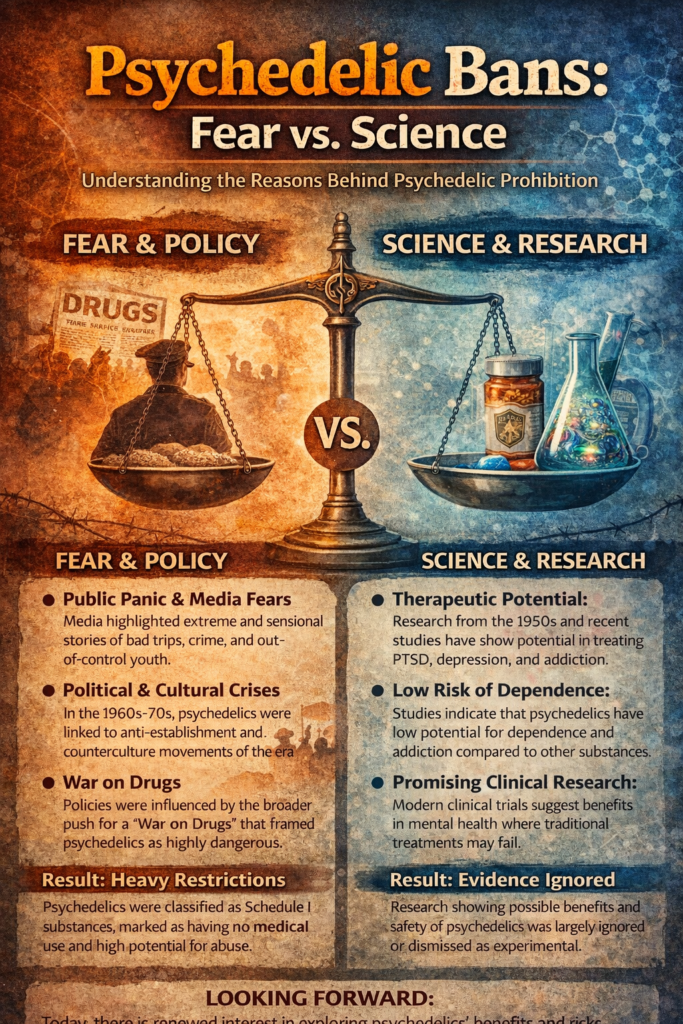
Psychedelic substances like LSD, psilocybin mushrooms, and peyote have been part of spiritual and cultural practices for thousands of years, particularly within Indigenous communities. However, when these substances began making waves in the West, public opinion and government attitudes quickly shifted—from curiosity to worry much faster than expected. By the late 1960s and early 1970s, newspapers and television were packed with stories warning that psychedelic use was hazardous and unpredictable.
Plenty of this fear came from cultural and generational tensions. Officials and much of mainstream society linked psychedelics to anti-war protests, counterculture, and changing social rules around race and gender. Popular media only cranked up the worry, highlighting “bad trips,” accidental deaths, or supposed permanent psychotic episodes. All this gave off vibes of uncertainty about safety, control, and what many saw as the breakdown of traditional values.
Back then, scientific research was still in its early stages, although even initial studies hinted at potential mental health benefits. Those findings were often drowned out by public panic and rumors. With little accessible education around how psychedelics really work, it didn’t take much for myths—both good and bad—to gain traction.
Government Responses and Policy Changes
Governments all over the world responded to the spike in psychedelic use with tough legal crackdowns. The United States came down hard with the Controlled Substances Act in 1970, classifying LSD, psilocybin, and similar compounds as Schedule I drugs. This meant they were seen as high-risk for abuse and offering no medical benefit. Making these substances Schedule I set off a chain reaction: the United Nations’ 1971 Convention on Psychotropic Substances encouraged governments worldwide to enforce tough penalties on possession, sales, and even on psychedelic research.
Once these substances were locked into Schedule I, legal, medical, and scientific communities hit major obstacles. Doing research required layers of extra permissions and government red tape. Many researchers gave up, seeing little chance of getting through the barriers. Doctors and therapists who saw potential in these substances couldn’t properly test or use them in therapy, which slowed all progress for decades.
Science: What Got Lost in Prohibition
Psychedelics attracted both curiosity and hope in the 1950s and early 60s. Researchers were checking out how LSD might help treat alcohol addiction, depression, and even cluster headaches. Clinics ran sessions, and some early results looked promising. But when strict drug laws arrived, most of that research stopped, and new studies couldn’t get off the ground for many years.
This prohibition left a noticeable gap in medical knowledge and stunted serious conversations on these topics. People continued experimenting underground, but the lack of scientific oversight meant there was less reliable information about safety, doses, and benefits relative to risks. It’s fair to say science got put on pause just as it might have started answering crucial questions about mental health and psychedelic therapy.
The Comeback of Psychedelic Research
In the last twenty years, interest in psychedelics—especially as medicine—has come back in a big way. Recent studies, using rigorous methods, show that psilocybin and similar compounds may help with conditions like depression that don’t respond to usual treatments, PTSD, and anxiety at the end of life. Landmark research institutions such as Johns Hopkins and Imperial College London have gotten into this work, which is a big deal.
Today’s research is far more careful. Teams screen participants closely, measure outcomes with solid tools, and check in with people after sessions. These practices help build a safer foundation for bringing psychedelics into modern medical use. There’s still a lot of skepticism, and these substances are heavily regulated in most countries, which slows research—but interest and hope are both running high.
Main Challenges That Shaped Psychedelic Prohibition
- Public Perception: Long-lasting myths and anxieties shaped harsh drug laws, often with little difference made between types of substances or user experiences.
- Legal Landscape: Drug scheduling, both in the U.S. and internationally, has imposed strict penalties and hindered scientific progress. In many countries, just having psychedelics is still illegal—study is even tougher.
- Lack of Education: With hardly any accessible information or open conversation, risks were often exaggerated, and the scientific potential was thrown out the window.
- Funding Roadblocks: Most universities and funding groups stayed away from psychedelic research for decades, worrying about their image and legal risks.
Public Perception
News from the 60s through the 90s focused on chaos—concert crowds “freaking out,” stories of flashbacks, and reports of supposed long-lasting brain changes that were later shown to be wrong. Giving psychedelics a fair shot became tough. They were painted either as wild party drugs or serious dangers, adding to the persistent stigma that slows down modern research and policy change.
Legal Landscape
Since Schedule I status strips away medical prescribing rights and increases penalties for possession, even scientists and doctors couldn’t do their work. Psychedelics have far fewer legal exceptions than something like cannabis, so exploring their medical use legally is still tricky in most places.
Lack of Education
Campaigns such as the 1980s “Just Say No” program didn’t break down important drug differences or offer advice on responsible use—they used wide generalizations. As science advances, people are realizing how much of that messaging has missed the mark and needs updating.
Funding Roadblocks
With funding and institutional support vanishing, most psychedelic research disappeared from respectable publications. Only recently, thanks to outside funding and a bigger focus on mental health, has research bounced back.
Practical Tips for Following Psychedelic Policy and Science
- Stay Updated on Local Laws: Rules can vary widely by city, region, or country. Always research your area’s legal situation before making choices about psychedelics.
- Seek Out Reliable Science: Peer-reviewed journal articles and research from known universities are your best route for trustworthy info; steer clear of conspiracy theories and unverified posts.
- Weigh the Risks: Even with new hope, psychedelics are not right for everyone. People with certain mental health or medical histories could be at extra risk. Focus on what the latest research actually shows—and what it doesn’t yet reveal—about long-term impacts.
- Honor Cultural Traditions: Many psychedelics are key to Indigenous cultures and spiritual practices. Learning their origins and respecting reasons for their use is both educational and ethical. Look for community-led resources that clearly lay out these meanings.
- Track New Policy Developments: Legislators and health organizations are revisiting old rules. Watch for updates about certification programs, clinical trials, or local decriminalization as they become newsworthy.
Anyone curious about the benefits of psychedelics should do extra research. Advocacy groups and reputable mental health organizations offer plain guides and up-to-date news about the law and ongoing clinical studies.
Psychedelics in the Real World: Medical, Social, and Cultural Perspectives
- Mental Health Treatment: New clinical trials are showing promising results for tough-to-treat mental health problems such as depression, anxiety, and trauma. This progress has led to “breakthrough therapy” designations for psilocybin-supported care from bodies such as the U.S. FDA.
- Tradition and Ceremony: Indigenous peoples have long used plant medicines like peyote and ayahuasca for spiritual and healing ceremonies. Keeping these traditions in the spotlight is crucial as more people talk about psychedelics in medicine and culture.
- Policy Changes: Some U.S. places, such as Denver and Oakland, have voted to decriminalize particular psychedelics, mainly for adult personal use. Oregon is rolling out licensed psilocybin therapy clinics in a medical setting, blazing a trail for others.
Frequently Asked Questions
Question: Are psychedelics always illegal?
Answer: Most countries treat psychedelics as controlled substances, but rules are changing in some places. Under the right circumstances—such as for research or medical use—it’s sometimes possible to get approval.
Question: Can psychedelics be used safely?
Answer: Safety depends a lot on context. Proper medical screening, appropriate supervision, and compliant legal settings all contribute to a safer environment. Going it alone without information or support brings real risks.
Question: Why do psychedelics remain banned despite new research?
Answer: The weight of older stigma, fear, and strict laws makes changing policy a slow process, even when science looks encouraging. Debates about public health, risks, and how to structure safe access continue in many countries.
What to Watch as Policies and Perceptions Change
Psychedelic prohibition has always relied just as much on fear and social values as it has on real science. With new studies rolling out and experimental policies happening in places like Oregon, change seems possible, even if it’s a slow process. By looking at how fears emerged, what old laws caused, and what today’s scientists are proving, people can talk more honestly and openly about psychedelics and prohibition.
If you are interested in this subject, stick with reliable sources, listen to communities with real-world experience, and pay attention to how laws continue to evolve. Psychedelics are still far from mainstream medicine or wide cultural acceptance, but the conversation is more lively—and more informed—than it has been since prohibition began.
Video: