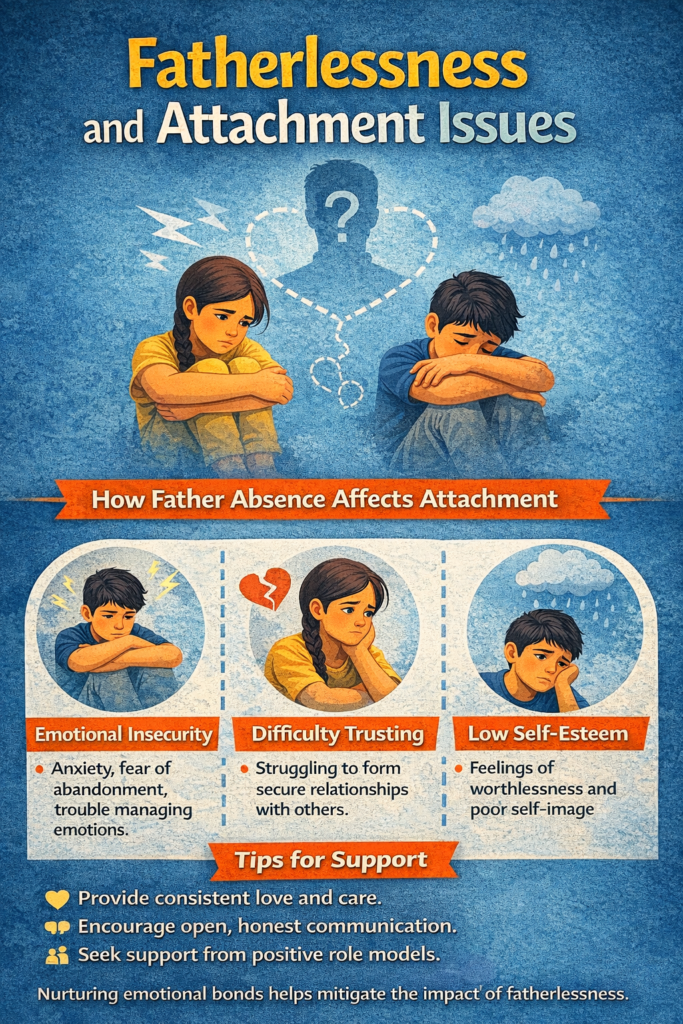
Attachment issues in fatherless homes can influence everything from relationships and self-esteem to mental health. Growing up without a consistent father figure presents unique challenges that shape how kids, and even adults, connect with others and build their sense of self. I’m walking you through what happens emotionally in these homes, why it matters, and what people can actually do to support healthier attachment patterns.
Understanding Attachment and Why It Matters
Attachment is about the early bonds we form with our caregivers, usually our parents, when we’re young. It’s a basic psychological need. Secure attachment helps us feel safe, learn to trust, and sets the stage for how we relate to other people. When that connection is missing or inconsistent, as in a fatherless home, attachment issues can start to brew.
Bowlby’s attachment theory suggests that a consistent, supportive presence in early childhood helps develop trust and security. Without a regular father figure, kids might not get that extra layer of emotional backup, which shapes their expectations about the world and relationships. While moms and other caregivers do a ton, the absence of another secure anchor can make things bumpier.
Common Attachment Patterns in Fatherless Homes
Attachment styles usually fall into four main groups: secure, anxious, avoidant, and disorganized. In homes where the father is missing, the most common patterns that pop up are anxious or avoidant.
- Anxious Attachment. This often looks like constantly seeking reassurance, worrying people will leave, or having a hard time trusting others.
- Avoidant Attachment. Here, kids (and grownups) may try to appear super independent, avoid getting close to people, or have trouble opening up about feelings.
- Disorganized Attachment. Sometimes, without a reliable parental presence, a mix of anxious and avoidant traits can show up, leading to unpredictable reactions in relationships.
These aren’t hard labels, but more like patterns that help explain what might be going on beneath the surface.
How Attachment Issues Show Up Later in Life
Missing out on a consistent father figure doesn’t just shape childhood; it can follow people into adulthood. Here’s what often turns up:
- Relationship Struggles: Attachment issues can make it tough to form or maintain healthy relationships. Some might shy away from intimacy, while others may cling to partners for fear of abandonment.
- Low Self-esteem: Kids in fatherless homes sometimes grow up questioning their own worth or feeling like they’re not enough, especially if the absence of a father feels like rejection.
- Trust Issues: A missing father figure can color how much someone trusts others. It’s common to keep people at arm’s length as a protective move.
- Mental Health: Attachment problems have links to anxiety, depression, and trouble managing emotions. It can also make life’s normal setbacks feel even more overwhelming.
These struggles sometimes show up as difficulty asking for help, holding onto friendships, or believing in one’s own value. Sometimes people crave connection but worry about being left behind, creating a push-pull dynamic in relationships. Others may withdraw, hiding their needs to protect against disappointment.
Reasons Behind Father Absence
Understanding why a father is missing can help people make sense of their own experiences. Common reasons include:
- Divorce or separation (sometimes leading to inconsistent or limited contact)
- Death of a parent
- Incarceration
- Work or military commitments that keep fathers away
- Personal choice or family conflict
Each situation carries its own emotional load, and how a family talks about or handles the absence can shape attachment patterns, too. In some families, open discussions about the absent parent make it easier to cope, while in others, silence or blame can deepen emotional confusion.
Factors That Shape Attachment in Fatherless Homes
Lots of different things influence how attachment issues actually play out. Some of the biggest factors I’ve noticed include:
- Quality of Other Relationships: Supportive moms, grandparents, or mentors can step in and soften the blow. Even a single healthy bond can be super important for building trust and self-worth.
- Consistent Routines: Predictable daily routines, clear expectations, and emotional availability from caregivers help children feel secure even if one parent is missing.
- Open Communication: Honest, age-appropriate conversations about why a parent is absent help kids avoid blaming themselves or imagining things are worse than they are.
- Community Support: Peers, teachers, neighbors, and community leaders sometimes step in to fill emotional gaps for kids who might otherwise feel alone or unsupported.
When children have meaningful relationships outside their immediate family, it gives them a sense of belonging and safety. Community centers, church groups, afterschool clubs, and sports teams can offer positive adult influences and create a supportive network. Schools can also play a positive role by fostering mentorship and encouraging kindness among students to help those who may lack support at home.
Challenges People Face
Attachment issues in fatherless homes don’t just play out emotionally; there are practical challenges that come with the territory.
- Stigma and Shame: There’s still a lot of judgment out there about “broken homes,” and this kind of social stigma can make it harder for families to seek support.
- Finances: Single-parent homes can experience financial stress that sometimes limits kids’ opportunities, increases household pressure, and affects emotional security.
- Role Models: Struggling to find positive male role models is a real concern, especially during the teen years when kids are figuring out who they want to be.
Acting Out and Emotional Struggles
Sometimes kids act out, withdraw, or show sudden mood changes. It’s not always about “bad behavior”; much of this is rooted in confusion, sadness, or insecurity tied to attachment patterns. Recognizing what’s really going on matters because it shapes how families, teachers, or counselors can help.
Along with mood swings, some children might struggle with school performance, often shift friend groups, or get into trouble out of frustration. It helps when schools and adults approach these behaviors with empathy, seeing them as signs of deeper challenges rather than simply misbehavior. Communicating patiently and offering consistent support can often make a big difference for kids facing these struggles.
What Helps: Practical Approaches for Healthier Attachment
Healing attachment issues doesn’t mean “fixing” someone; it’s more about supporting growth, security, and trust. These are some practical options that really make a difference:
- Therapy and Counseling: Family or individual therapy, especially attachment-based approaches, can help kids and parents work through feelings and build stronger bonds.
- Mentorship: Positive mentors (like coaches, family friends, or teachers) can model healthy relationships and provide emotional support.
- Parent Education Programs: Programs that focus on emotional literacy, communication, and positive discipline give caregivers tools to nurture secure attachment.
- Safe Spaces: Activities such as after-school clubs, sports, or art programs give kids consistency, fun, and opportunities to build trust in safe settings.
Don’t overlook the power of simple routines, bedtime talks, or activities done together, like cooking or playing games—these small things send messages of care and connection. If you’re looking for a more research-backed deep dive, organizations such as Child Welfare Information Gateway and Child Mind Institute offer practical guides and professional support.
Real-World Examples
I’ve heard from people who grew up in fatherless homes and turned out with a great sense of independence and strong friendships. Others share how they struggled with trust or self-worth, but once they got support, through therapy, mentors, or supportive communities, their relationships improved.
One friend found stability after connecting with a caring uncle who helped boost his sense of safety. Another stumbled upon a local youth program that offered him encouragement and structure, making it easier to build solid friendships and handle stress. Real-life stories show that with support, childhood patterns can change for the better.
Common Questions and Honest Answers
Question: Is it possible to overcome attachment issues from growing up without a father?
Answer: Yes. Attachment patterns aren’t set in stone. With support, positive relationships, and sometimes therapy, people can form healthy, secure bonds, regardless of their early experiences.
Question: Do all kids in fatherless homes develop attachment problems?
Answer: Not at all. Many grow up well-adjusted, especially when they have other supportive adults around. Everyone’s experience is a bit different.
Question: What can single moms or caregivers do to help with attachment?
Answer: Being emotionally available, consistent, and open with communication goes a long way. Finding healthy role models and creating predictable routines are also helpful tips.
Question: When should I get therapy for my child?
Answer: If you notice ongoing struggles with relationships, trust, emotional outbursts, or self-esteem, reaching out to a qualified therapist can really help.
Building Healthier Attachments Moving Forward
Growing up in a fatherless home isn’t a life sentence for attachment trouble or relationship struggles. With honest conversations, supportive adults (whether they’re family or mentors), and a bit of extra help if needed, it’s totally possible to build trust and stronger connections. Every small step, like reaching out, practicing patience, and creating new routines, helps create a stronger sense of security for kids and adults alike. If you or your child is facing these challenges, remember there’s no shame in asking for help, and there are plenty of resources and caring people ready to support a healthier, happier path forward.
Video: Missing Father, Damaged Bonds #psychology #trauma