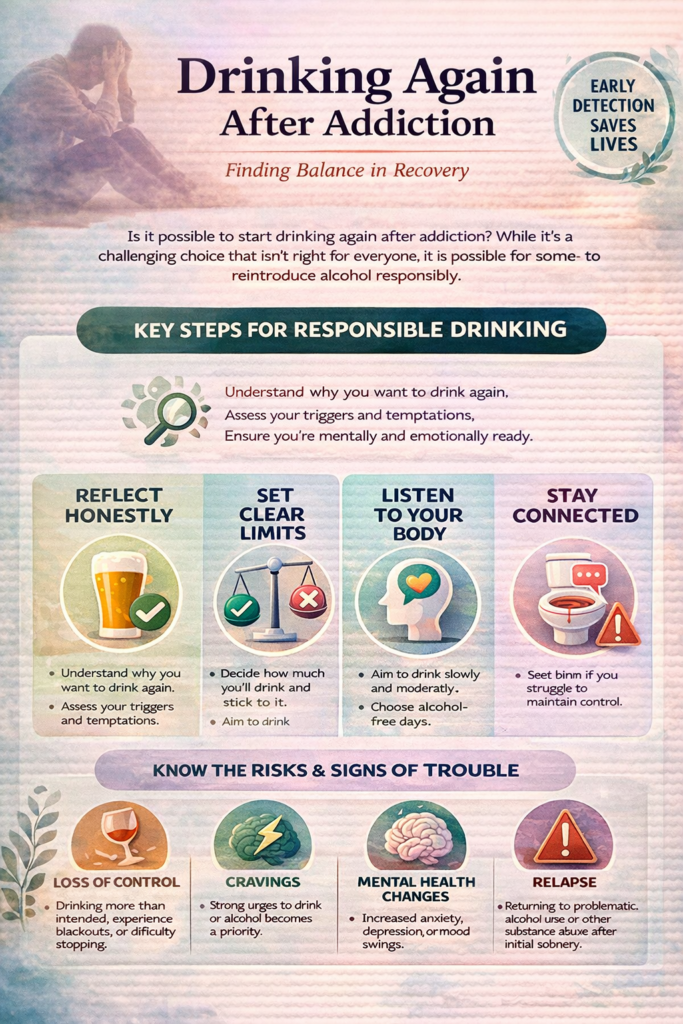
Managing alcohol after a history of alcoholism raises complex and deeply personal questions. Many individuals in recovery wonder whether it’s possible to develop a healthy, controlled relationship with alcohol or if complete abstinence remains the safest option. This uncertainty can often bring feelings of confusion, pressure, or even guilt. Drawing from both research and real conversations with people in recovery, it’s clear that there is no one-size-fits-all answer. For those exploring what responsible drinking might look like after addiction, having clear, practical guidance can help you make informed decisions and stay aligned with your personal recovery goals.
Understanding What Responsible Drinking Means After Alcoholism
Responsible drinking gets tossed around a lot, but after alcoholism, it takes on a whole new meaning. For many, it’s about knowing your body’s limits, being honest with yourself, and avoiding situations that put you at risk of relapse. The idea of “moderation” can seem totally out of reach, especially if you’ve fought hard to get sober. But some people wonder if it’s possible to reintroduce alcohol into their lives without falling back into old patterns.
It’s really important to remember that the way addiction works in the brain often means total abstinence is the safest bet. Research shows that folks who have gone through alcohol use disorder (AUD) face a much higher risk of returning to problematic drinking if they try to drink again. Still, there are people who have found a middle ground, and new studies continue to look at what works best for different people (source).
The Psychology Behind Craving and Relapse
Understanding why cravings happen gives you extra tools for making informed choices. Alcohol changes the reward pathways in the brain, so even long after quitting, certain triggers like stress, parties, or seeing alcohol can make old habits tough to resist. Cravings don’t mean you’ve failed, but they do signal that your brain still remembers what alcohol felt like, even years later.
For some, being around alcohol or trying to drink moderately brings back those same thought patterns that led to trouble in the first place. It’s not about willpower so much as biology and conditioning. Recognizing this can be really reassuring; if you find moderation impossible, you’re not alone, and it’s not a personal flaw.
Is Responsible Drinking Ever Possible After Alcoholism?
This question has sparked debates in recovery circles for a long time. Mainstream recovery programs like Alcoholics Anonymous stick with complete abstinence for a reason. It works for most people. But some researchers in addiction science are open to the idea that certain people, usually those with mild to moderate AUD and lots of support, might be able to return to controlled drinking.
Making this decision requires honest conversation with yourself, doctors, and supportive loved ones. Factors that make responsible post-alcoholism drinking safer (though still risky) include:
- Length of Sobriety: People with long, stable periods of abstinence tend to do better if they try moderation, though there’s no guarantee.
- Support System: Having supportive friends, family, or recovery groups helps keep you accountable.
- Personal History: If drinking always led to chaos before, chances are it’ll happen again. If your history was less severe, you might have a little more flexibility.
But even with these factors in place, many find that one drink leads to another, and the risks far outweigh any benefits. If you’re unsure, talking with an addiction-informed therapist is a good way to sort out what’s right for you.
Practical Steps for Safer Drinking Decisions
If you’re considering whether to try responsible drinking after alcoholism, it helps to lay out a super clear plan. Here are some strategies that people find useful:
- Track Your Reasons: Ask yourself why you want to start drinking again. Is it for social connection? Stress relief? Be totally honest; even just writing it down helps.
- Set Clear Limits: If you go ahead, decide in advance how much you’ll drink, how often, and in what settings. Never drink alone.
- Use Tracking Tools: Apps like DrinkControl or Sunnyside help you monitor intake, but a simple notepad works too.
- Check In With Trusted People: Whether it’s a friend, partner, or therapist, let someone know your plan and give them permission to be honest with you if things slide.
- Be Ready to Quit Again: If you see warning signs like cravings, sneaking drinks, or hiding, be prepared to cut yourself off and reach out for some help.
Common Challenges and How to Handle Them
- Social Pressure: Friends or family might not understand why moderation isn’t easy for you. I find it helps to prepare a quick response, like, “I’m careful about drinking because of my history.” Most people respect honesty.
- Triggers: Stress, anger, loneliness, or celebration can all make drinking seem tempting again. Sometimes, just being aware of your triggers is half the battle. Writing a list or setting reminders on your phone can help you stay ahead of them.
- Slip-Ups: Slips happen, and they don’t mean all is lost. Treat these moments more like a pothole than a roadblock. Take them as a reason to get support, adjust plans, and move forward.
Coping Strategies That Actually Work
After hearing from dozens of people in recovery, a few techniques keep coming up:
- Replacement Activities: Try swapping out drinking for things that give you a real dopamine boost: exercise, creative hobbies, or even just connecting with others who “get it.” For example, you might try bike riding, going for walks with friends, or joining a local art class. Sometimes, it’s about trying different activities until something sticks and genuinely makes you feel good.
- Mindfulness Practices: Meditation, breathing exercises, or journaling help break the cycle of impulsive drinking. Mindfulness can also mean simply pausing for a moment when you feel a craving and asking yourself, “What am I really looking for right now?”
- Regular Check-Ins: Take stock of how you’re feeling weekly. I like to jot down anything that feels like a “warning sign,” like thinking about drinking more than usual. This practice keeps your self-awareness sharp and lets you catch small problems before they grow.
All About Support Systems
One of the best things you can do is build a strong, varied support system. Traditional routes like AA or SMART Recovery exist for a reason: they connect you with people who understand. But other options are worth checking out, too, especially if twelve-step groups don’t fit your style.
Some I recommend:
- SMART Recovery: Focuses on self-empowerment and offers lots of practical tools.
- Tempest: Modern program with online support, especially popular with younger people.
- Therapy or counseling: Sometimes, a good therapist is the missing piece of the puzzle.
Building a team you trust can make sticking to your plan feel less like work and more like growth. Also, don’t forget about peer-led groups or online forums, as they can provide around-the-clock encouragement and relatable stories from people who truly understand the struggle.
Why Identity and Self-Talk Matter
Your self-image plays a big role in recovery. Some folks prefer to call themselves “recovering alcoholics” even if they haven’t had a drink in years, while others drop that label entirely. I’ve seen people get tripped up by all-or-nothing thinking, believing that if you’re not drinking perfectly, you’re failing. Being gentle with yourself, recognizing progress, and not getting bogged down by labels can help you maintain confidence and self-respect, whatever your path looks like. Give yourself the credit you deserve for each milestone, no matter how big or small.
Real-Life Scenarios: How People Navigate Responsible Drinking
- Social Gatherings: Some people choose to stick with nonalcoholic drinks at parties and bars. Having a go-to beverage (sparkling water, zero-proof beer, or mocktails) makes things a lot less awkward. Today, most venues offer exciting nonalcoholic choices, so you can still feel part of the fun.
- Work Events: If your job involves networking over drinks, you might set rules like, “One drink max, then switch to soda.” Telling a coworker in advance what you’re doing can boost accountability, and you’re not alone, as more workplaces recognize and respect sobriety. Consider speaking with a supervisor if you need accommodations or simply need support during events.
- Vacations and Holidays: Travel and holidays can bring up old drinking habits. Having a plan, like checking out sober travel groups or researching nondrinking-friendly spots ahead of time, takes pressure off and keeps you feeling good about your choices. Packing your favorite nonalcoholic drink or finding activities that don’t revolve around alcohol, such as hiking or sightseeing tours, also helps.
Frequently Asked Questions on the Topic
Question: Can you ever safely drink again after alcoholism?
Answer: For most people, the answer is “probably not.” The risk of relapse stays high for years, so abstinence is usually the safest road. Still, everyone’s different, and a tiny minority find moderation possible with enough self-awareness and support.
Question: What should I do if I slip up?
Answer: Don’t panic or beat yourself up. Tell someone you trust, take a break from drinking, and review what led to the slip. Slips are common, and getting back on track right away is what matters most.
Question: Are there medications that help with responsible drinking?
Answer: Yes, some medications like naltrexone and acamprosate can reduce cravings and make moderation (or staying sober) easier for certain people. Talk to your doctor to see if this could help your situation (reference).
Final Thoughts
Trying to steer through responsible drinking after alcoholism isn’t simple or straightforward. Most people stay sober because the risks of relapse are just too big, but if you’re considering moderation, make your plan as honest and structured as you can. Lean on support, keep self-awareness front and center, and don’t be afraid to reach out if you need help. It’s all about finding what keeps you healthy, happy, and true to yourself for the long haul.
Video: