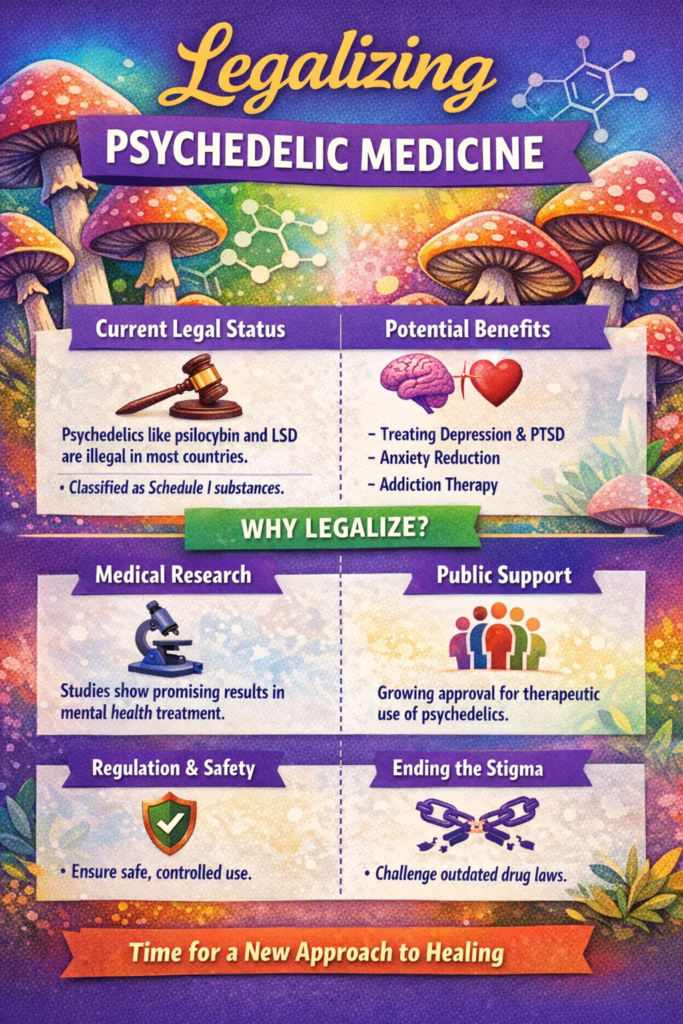
Debating the legality of psychedelic medications has become a pretty hot topic these days. Psychedelic substances like psilocybin, LSD, and MDMA have been wrapped in controversy for decades, but research into their potential medical benefits is finally reaching a wider audience. Discussions about legalizing or regulating these substances aren’t just about laws; they’re about health, science, and the values we share. I’m breaking down the main reasons why this debate matters and what you need to know about how it shapes medicine and policy today.
Why Are People Debating Psychedelic Medications?
There’s been a noticeable switch-up in attitudes toward psychedelics in recent years, but the arguments for and against their legalization are still going strong. Psychedelic medications are drugs that can alter perception, mood, and some aspects of consciousness. Decades ago, they were classified as illegal in many countries, making research and clinical use almost impossible. Recently, though, more evidence shows possible benefits for mental health issues like depression, PTSD, and addiction.
Advocates believe that, when used responsibly in a medical setting, psychedelics could become legitimate treatments for serious mental illnesses. Opponents, on the other hand, worry about possible abuse, addiction, and long-term side effects. Legal and scientific uncertainty make the conversation especially important for both patients and healthcare providers seeking safer, more effective therapies.
Understanding the Legal Landscape
The legal status of psychedelics varies a lot depending on where you are. In the United States, most psychedelics are classified as Schedule I substances by the DEA, which means they’re considered to have a high potential for abuse and no accepted medical use. But lower-level governments and international bodies are starting to question this classification as more scientific evidence comes in.
Several cities like Denver, Oakland, and Santa Cruz have decriminalized some psychedelics, and Oregon even allows supervised medical use of psilocybin. Canada and parts of Europe have begun to explore regulatory models that prioritize harm reduction over outright bans. If you’re curious about how changes in the law might affect access or safety, checking your local regulations is a pretty smart move.
What Makes Psychedelic Medications So Interesting?
These medications stand out because of their powerful impact on the mind. They interact with brain receptors responsible for mood, thought, and perception, which helps explain why some people report life-changing therapeutic effects. What’s really fascinating is that, in clinical settings, many patients with treatment-resistant depression or PTSD have found relief using these medicines, often after just a few carefully controlled sessions.
- Psilocybin: The main ingredient in magic mushrooms, showing promise for depression and existential distress.
- MDMA: Known as ecstasy, under study for PTSD and social anxiety, especially in clinical therapy.
- LSD: Classic hallucinogen with early research into addiction treatment and end-of-life anxiety.
Medical researchers like Johns Hopkins and Imperial College London have led many studies on these drugs. The FDA has even granted “breakthrough therapy” status to some psychedelic-assisted therapies because they seem to offer benefits not found in traditional psychiatric medications.
Key Issues in the Legal Debate
- Public Health and Safety: Concerns about addiction risk, misuse, and whether people might harm themselves or others while under the influence.
- Therapeutic Potential: Recent studies show that these substances can help patients when other treatments fall short, especially in controlled, supervised settings.
- Social and Historical Stigma: Psychedelics are often linked to counterculture movements and have a complicated history, which affects public opinion and lawmaking.
- Regulatory Hurdles: Strict law enforcement and drug scheduling make it tough for scientists to research these drugs easily or for doctors to prescribe them safely.
Arguments on both sides usually revolve around whether doctors can manage the risks of potential misuse, and whether the laws are preventing new ways to improve people’s lives.
A Quick Guide to How Laws Are Changing
- Switch Up Toward Decriminalization: Some cities and states are choosing not to enforce criminal penalties for personal possession of psychedelics, focusing instead on health-based approaches.
- Clinical Trials and Exceptions: More patients than ever are participating in legal clinical trials to receive psychedelic medications under medical supervision.
- Expanding Access Programs: Expanded access and compassionate use policies allow some patients to try these therapies when other options haven’t worked.
- International Perspective: Countries like Portugal and Switzerland have adopted harm-reduction models for all drugs, including psychedelics, with promising public health results.
These changes are moving slowly, but they’re opening up new paths for both research and legal use. If lawmakers continue to see benefits and manageable risks in real-world settings, more countries might update their policies.
Things to Think About Before Supporting Legal Psychedelics
Legalizing or regulating psychedelics isn’t as simple as just changing the law. There are a few practical details that need some careful thought:
- Safety Protocols: Legal use requires medical screening, supervised sessions, and therapist training.
- Quality Control: Medicines must be pure, properly dosed, and free of contaminants, which requires strict oversight.
- Public Education: People need reliable info about how psychedelics work, what risks they carry, and which conditions they may help.
- Risk of Overuse: Though addiction rates are lower than with opioids or alcohol, misuse can still happen, especially without guidance.
Safety Protocols
When psychedelics are used in a clinical trial or licensed medical setting, there are usually strict protocols. This means pre-screening patients for health issues, making sure the setting is safe, and having trained guides or therapists nearby. Most reported problems with psychedelics occur when they’re taken in unsupervised or unpredictable situations.
Quality Control
Legalization often brings in standards for growing, synthesizing, and distributing psychedelic medications. This helps ensure that people know exactly what they’re taking, reducing the risk of accidental overdoses or contaminants.
Public Education
Since most people get their info about psychedelics from the internet or word of mouth, misinformation is pretty common. Governments, doctors, and advocacy groups need to work together to provide clear, nonjudgmental information, especially to vulnerable groups at higher risk of side effects.
Risk of Overuse
Even though classic psychedelics don’t appear to cause physical dependence like opioids or alcohol do, reckless use can still lead to mental health issues or risky behavior. The combination of education, supervision, and legal oversight could reduce overuse, but it’s a risk that shouldn’t be overlooked.
For anyone thinking of trying psychedelic therapies, working with a licensed medical provider is the best way to get reliable information and support.
Advanced Insights: The Future of Psychedelic Laws
Psychedelic drug law is likely to keep changing as public opinion and science move forward. Researchers are finding new ways to use these drugs, and lawmakers are watching closely. Here are some trends to keep in mind:
More Data from Clinical Trials: Several late-stage clinical trials are underway for MDMA and psilocybin. If results are positive, the FDA and other agencies could approve new legal uses soon. Watching updates from universities and regulatory agencies is pretty useful for staying informed.
Technology and Digital Therapy: Digital mental health platforms may start including psychedelic-assisted therapies into telemedicine or virtual mental health care. This raises new questions about safe supervision and access.
Global Standardization: International organizations could step in to create shared safety standards, making it easier for drugs approved in one country to be available in others.
These are just a few possible changes that could mix up how psychedelics are used and understood in the next ten years. Experts are now examining potential roadblocks to insurance coverage and social acceptance. Public attitudes and insurance reimbursement policies could become deciding factors in how quickly access spreads. Education of both medical professionals and the public is essential to a successful rollout of any new psychedelics regulations.
Real-World Impact: How Legal Psychedelics Could Be Used
Legal regulation would make a huge difference for doctors, patients, and society. Here are a few practical changes people might see:
- Mental Health Clinics: Specialized centers could offer psychedelic-assisted therapy to people with chronic depression or PTSD who haven’t responded to regular medications.
- Addiction Recovery: Programs might use these drugs as part of supervised recovery efforts, building on research from universities and addiction specialists.
- Palliative Care: Psychedelics can sometimes help people with terminal illness manage existential anxiety and find peace, improving quality of life.
If you or someone you know is curious about clinical trials or legal medical use, checking out reputable groups like MAPS or the Johns Hopkins Center for Psychedelic & Consciousness Research is worth exploring. The field is growing fast, with new best practices and safety guidelines emerging every year. More medical schools now offer seminars about psychedelic therapy protocols.
Frequently Asked Questions
People are often curious about what’s going on with psychedelic laws and safety. Here are some questions I hear a lot:
Question: Are psychedelics really safe for medical use?
Answer: In clinical settings with proper screening and trained staff, psychedelics like psilocybin and MDMA generally appear safe for most adults. Risks increase with unsupervised or high-dose use, so medical oversight is always recommended.
Question: How do I know if a psychedelic medication is legal where I live?
Answer: Laws differ by country, state, and even city. Checking with local health agencies or government resources is the best way to get up-to-date info on what’s allowed in your area.
Question: What conditions are most likely to be treated with psychedelics?
Answer: Right now, most research focuses on depression, PTSD, anxiety (especially near the end of life), and addiction. Other possible uses are being explored, but clinical guidance is still limited.
Final Thoughts
Legal debates around psychedelic medications might seem complicated, but they’re directly shaping how science, medicine, and society approach mental health treatment. Following the research, understanding local laws, and staying open to new information can help anyone stay informed as this topic moves forward. The conversation is growing, and it’s definitely worth keeping an eye on as new laws and scientific breakthroughs pull back the curtain on what’s possible for mental health in the years to come.
Video: Psychedelic Medicine | The Treatment Nobody Expected to Work