Healing Resentment in Recovery

Resentment is a common emotional experience during addiction recovery, often rooted in past pain, broken trust, guilt, or unresolved conflict. While it is a natural reaction to difficult experiences, resentment can become a barrier to healing if it is ignored or suppressed. It may intensify stress, trigger cravings, and keep individuals emotionally tied to the … Read more

Steps to Rebuild Trust in Recovery

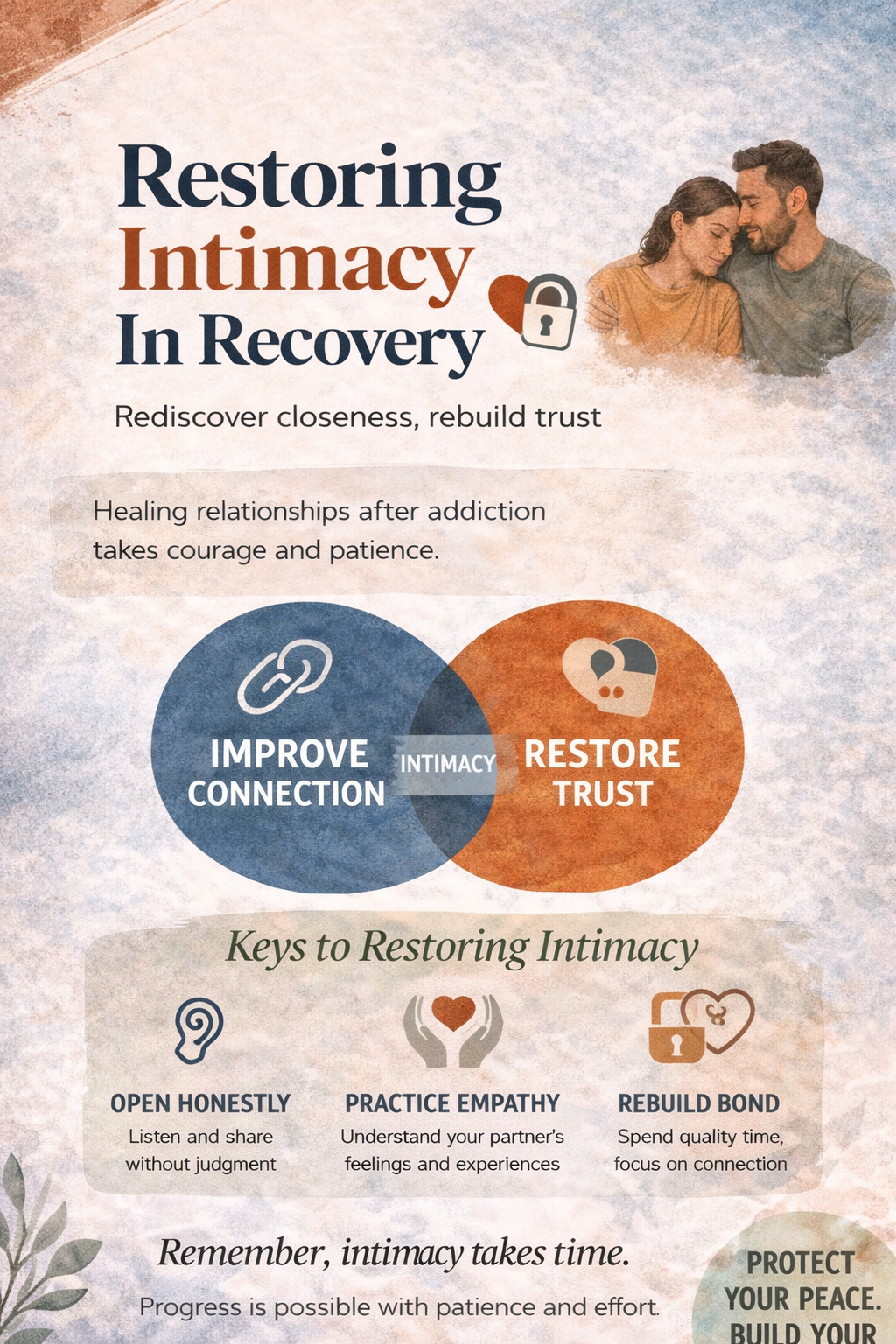
Rebuilding trust during addiction recovery is a gradual and deeply meaningful process that extends beyond sobriety itself. Addiction can strain relationships through broken promises, secrecy, and emotional distance, leaving loved ones uncertain and guarded. Even when recovery begins, trust does not automatically return; it must be rebuilt through consistent actions, honesty, and accountability over time. … Read more

From Urge to Control: The 5 D’s

The 5 D’s of addiction recovery—Delay, Distract, Deep Breathe, Decide, and Discuss—are practical, evidence-informed coping strategies designed to help individuals manage cravings and emotional triggers in real time. Rather than relying on willpower alone, this framework teaches people how to pause automatic reactions, regulate stress responses, and engage rational thinking before acting. Because cravings are … Read more

Trauma, Recovery, and Advocacy

Survivors of human trafficking who have also struggled with addiction carry layered experiences of trauma, survival, and resilience. Substance use is often intertwined with trafficking—sometimes used as a tool of control, other times as a coping response to overwhelming psychological distress. In this context, addiction is not weakness but often a survival mechanism. Recovery involves … Read more

Addiction’s Impact on Creativity

The idea of using addiction as a source of creativity has long been romanticized, with many artists, musicians, and writers citing their struggles with substance use as a catalyst for some of their most profound work. Substances, in this view, are seen as a way to break through creative blocks, liberate emotions, or transcend reality. … Read more

The Surprising Benefits of Sobriety

The benefits of sobriety reach far beyond simply stopping substance use—they often mark a profound transformation in physical health, mental clarity, emotional stability, and overall quality of life. While many people initially approach sobriety with a sense of loss or limitation, those who experience it frequently discover unexpected gains such as sharper focus, improved memory, … Read more

Cultural Influences on Addiction

Cultural influences play a powerful role in shaping how addiction develops, is perceived, and is addressed. Culture affects beliefs about substances, coping strategies, emotional expression, and attitudes toward seeking help. These influences are often learned early through family traditions, social norms, media, and community expectations, making them deeply ingrained and sometimes invisible to the individual. … Read more

Common Traits of Addiction

Common traits of addiction often emerge gradually and can appear long before a substance use disorder or behavioral addiction is formally recognized. These traits—such as loss of control, cravings, emotional avoidance, secrecy, impulsivity, and continued behavior despite negative consequences—reflect underlying changes in brain reward systems, stress responses, and decision-making processes. Rather than representing personal weakness … Read more

The 5 L Framework of Addiction

The 5 L’s of Addiction—Liver, Lover, Livelihood, Legal, and Loss of Control—provide a practical framework for understanding how substance use disorders affect multiple dimensions of life simultaneously. Rather than viewing addiction solely as a health issue, this model highlights its widespread impact on physical well-being, relationships, stability, societal standing, and personal autonomy. Each “L” represents … Read more

The Hijacked Brain in Addiction

The science of the hijacked brain in addiction reveals that substance use disorders are not simply matters of willpower or poor decision-making, but conditions rooted in measurable changes within brain circuitry. Repeated exposure to addictive substances alters systems responsible for reward, motivation, stress response, and impulse control. Dopamine signaling becomes dysregulated, natural pleasures lose their … Read more