Psychotherapy Dynamics Model

Psychodynamic therapy, rooted in psychoanalytic principles, offers a comprehensive approach to understanding psychological challenges by exploring the unconscious mind and early life experiences. Beyond individual focus, it extends to family dynamics and relationships. While advantageous for in-depth exploration and long-term impact, it comes with drawbacks like being time-intensive and potentially costly. Ethical dilemmas, particularly regarding … Read more


Psychotherapy for Addictive Teens

Navigating addiction in adolescence requires a multifaceted approach, with psychotherapy standing as a cornerstone in the journey towards recovery. The advantages of psychotherapy for teenagers with addiction are manifold, encompassing skill development, insight into underlying issues, and the cultivation of coping mechanisms. However, this therapeutic path is not without its challenges, including potential resistance, developmental … Read more

Mindfulness in Addiction therapy

The integration of mindfulness into addiction therapy represents a holistic approach to address the complexities of substance use disorders. Rooted in contemplative traditions, mindfulness practices focus on non-judgmental awareness of the present moment. The advantages of this approach include heightened self-awareness, stress reduction, and improved coping skills. However, ethical dilemmas, such as informed consent and … Read more

Telemedicine in Addiction therapy

The advent of telemedicine in addiction therapy marks a transformative shift, leveraging digital technologies to offer remote mental health services. This approach touts increased accessibility, flexibility, and patient engagement, breaking down geographical barriers and reducing stigma. However, with its advantages come ethical dilemmas and potential disadvantages, including concerns about privacy and equitable access. Understanding the … Read more

Reward System Therapy

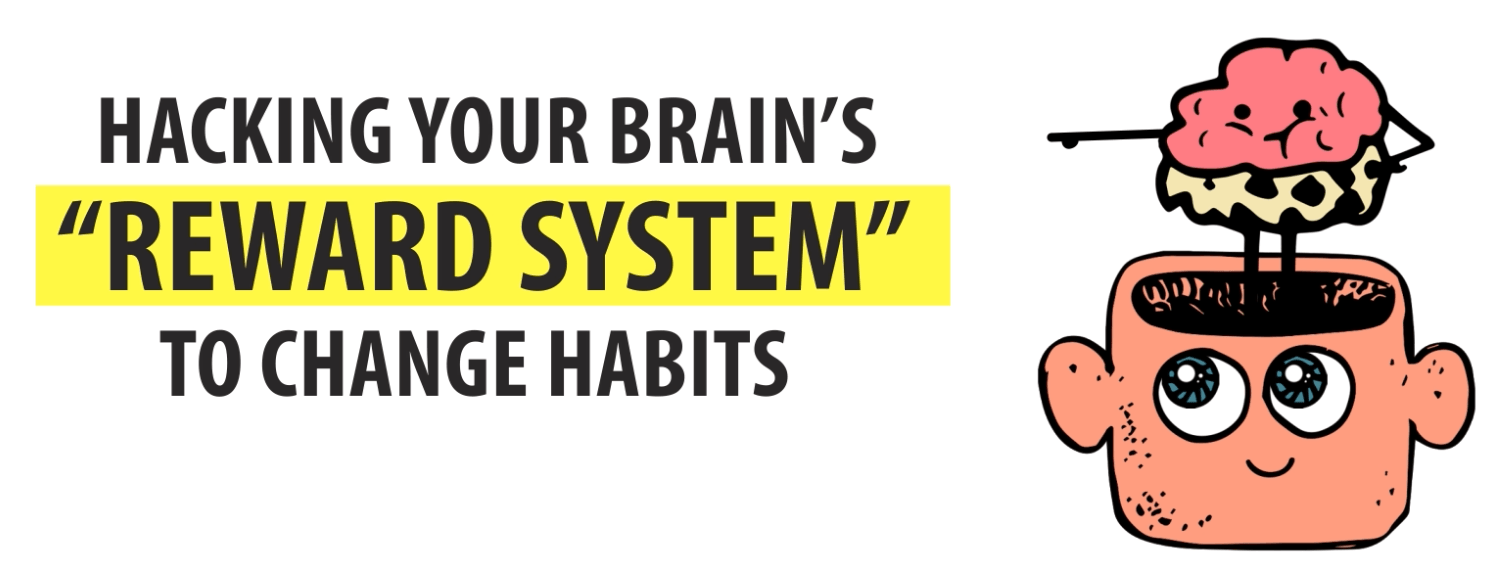
The use of a reward system in addiction therapy employs positive reinforcement through incentives to motivate individuals in their journey toward recovery. This dynamic approach offers advantages such as increased engagement and motivation but raises ethical dilemmas and potential drawbacks. This introduction explores the multifaceted nature of the reward system in addiction therapy, addressing its … Read more

Stages of Change Model

The Stages of Change Model is vital in addiction therapy, offering a structured approach to behavior change for individuals with substance use disorders. Rooted in readiness for change, it tailors interventions based on the individual’s stage, emphasizing client-centered care. Despite its success in treatment engagement, motivation enhancement, and guiding relapse prevention, challenges like oversimplification and … Read more

Resolutions for Sobriety

Embarking on a resolution to achieve and maintain sobriety is a profound journey that signifies a commitment to positive change and personal growth. The creation of such a resolution often stems from a deep self-awareness of the adverse effects of substance abuse on one’s life. Motivated by a desire for a healthier and more fulfilling … Read more

Philosophies of Addiction Care

Various philosophies guide our understanding and approach. From advocating complete abstinence to strategies emphasizing harm reduction, these diverse perspectives offer both advantages and drawbacks. This introduction explores the different philosophical frameworks in addiction management, highlighting their strengths and limitations. It also discusses key factors to consider when determining the most suitable philosophy for an individual, … Read more

Addictions affect Marriage.

Addiction’s far-reaching impact extends beyond the individual to intricately affect marital dynamics and family well-being. This introduction explores the complex challenges addiction poses to marriages, emphasizing the need for comprehensive strategies. From individual self-management to vital family support and community interventions, these strategies serve as vital preventive measures. By understanding addiction’s intricate role within the … Read more

Addictions affect Families

Addiction is a pervasive issue, reaching beyond the individual to profoundly impact the family system. This introduction explores the intricate ways in which addiction affects spouses, children, and every member of the family. It emphasizes the need for comprehensive strategies, spanning self-management, family support, and community resources, to address the challenges posed by addiction. Recognizing … Read more