Addiction therapy: Teen access

The lack of access to addiction therapy for teens has challenges spanning various sectors. From limited pediatrician training in addiction medicine to inadequate community resources and government support, barriers abound, hindering teens from accessing the help they need. Additionally, family support strategies play a crucial role in facilitating access to therapy for teens struggling with … Read more

Dogmatism in addiction recovery

In addiction therapy, the presence of dogmatism among therapists can significantly impact the effectiveness and appropriateness of treatment approaches. Dogmatism is rigid adherence to specific beliefs or treatment modalities without consideration of alternative perspectives, which can hinder the therapeutic process and limit the options available to individuals seeking help for addiction. It is essential to … Read more

Pride versus Humility

In addiction recovery, pride and humility play pivotal roles, with pride often hindering progress while humility fosters growth. Recognizing the detrimental effects of pride, individuals can take steps to cultivate humility. This involves self-management strategies, family support, and community resources that foster introspection, understanding, and connection. By embracing humility, individuals can navigate recovery with resilience … Read more

Humility in addiction recovery

In addiction recovery, humility is pivotal, guiding individuals towards acceptance, growth, and healing. It involves acknowledging limitations, embracing vulnerability, and seeking support. Humility’s actions promote self-awareness, accountability, and learning. Strategies for self-management, family support, and community resources foster this journey. Through humility, individuals navigate addiction with grace, resilience, and a path toward lasting sobriety. Embracing … Read more

Hopelessness in addiction disease

In addiction, hopelessness poses a significant challenge to recovery. Recognizing its symptoms—loss of interest, negative self-talk, and isolation—is crucial. Often linked with mental illnesses like depression, hopelessness requires comprehensive management. Self-management strategies empower individuals to challenge negativity, while family support and community resources provide additional avenues for assistance. Together, these approaches offer a comprehensive strategy … Read more

Teen Coping Skills

Coping skills are crucial for teens to navigate challenges, manage stress, and prevent addiction. Adolescence is a time of emotional ups and downs, where effective coping mechanisms empower resilience and self-regulation. This introduction explores their importance, examples, and the roles of family support and community resources in fostering these skills. Through supportive strategies, teens can … Read more

Gaslighting in addiction disease

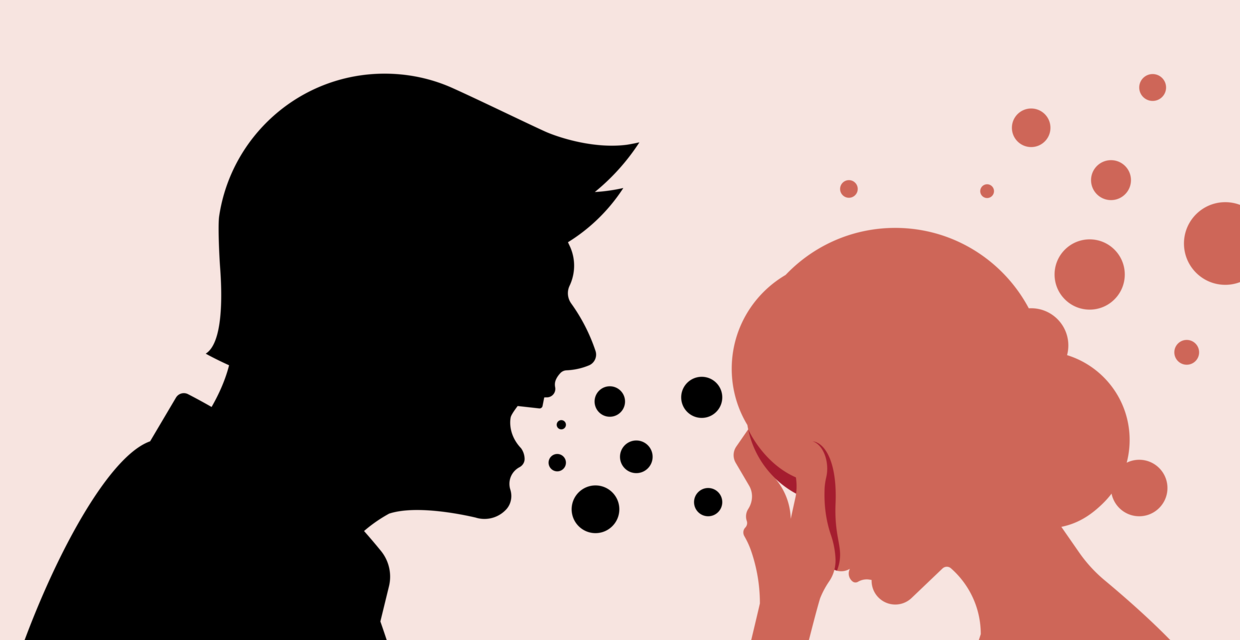
In the realm of addiction, confronting manipulative tactics like gaslighting is a significant challenge. Gaslighting, a psychologically abusive behavior that distorts reality, can impede recovery by eroding trust and complicating relationships. Exploring the neuroscience behind gaslighting reveals its potential impact on memory, emotional regulation, and social cognition. This overview delves into the complexities of gaslighting … Read more

Manipulation in addiction disease

Navigating the complex landscape of addiction often involves grappling with manipulative behaviors that individuals employ to sustain their substance use. Manipulation, within the context of addiction, encompasses a spectrum of deceptive tactics that strain relationships and hinder recovery. The neuroscience of addiction reveals alterations in the brain’s reward pathways and compromised decision-making functions, shedding light … Read more

Smoking subs drugs and alcohol

In recovery from drugs and alcohol, the potential substitution of smoking emerges as a noteworthy challenge. Smoking, often seen as a coping mechanism, can intertwine with the recovery journey, posing hurdles to sustained wellness. This exploration delves into self-management, family support, and community resources as crucial elements in addressing the impact of smoking substitution. By … Read more

Attraction to Toxic Relationships

The allure of toxic relationships poses challenges, especially in the context of addiction and recovery. This phenomenon intertwines psychological, neurobiological, and social factors. Understanding its occurrence requires an exploration of neuroscience changes, self-management strategies, family dynamics, and community resources. As individuals navigate the complexities of recovery, preventing entanglement with toxic relationships becomes crucial. A comprehensive … Read more