Replacing the “Void” of Time

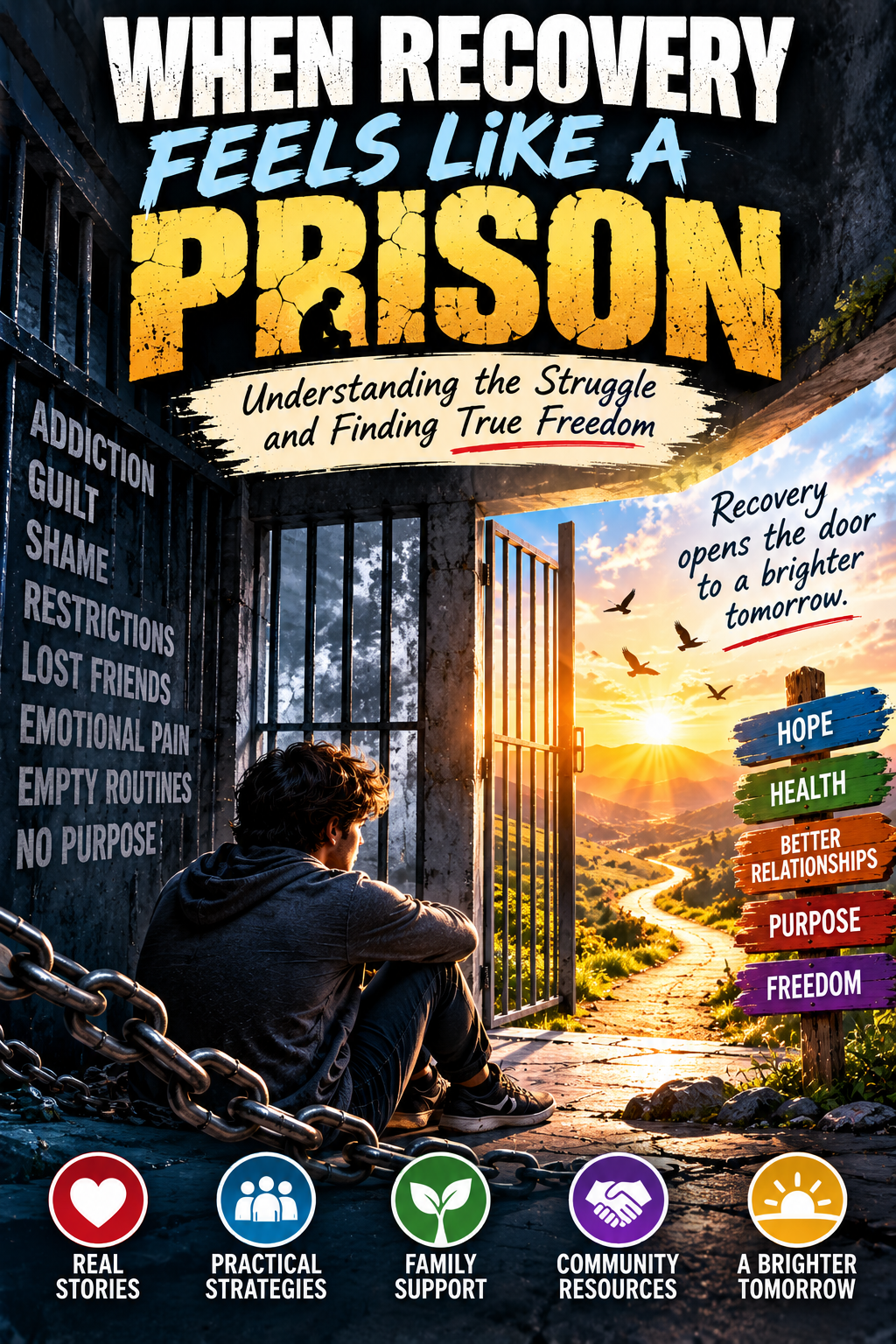
The loss of routines and coping structures once provided by substance use is one of the greatest challenges in recovery. When substances are removed, unstructured time can increase boredom, emotional discomfort, and vulnerability. Intentionally replacing this void with healthy structure and meaningful activities is essential for restoring stability and long-term well-being. Replacing the “Void” of … Read more

Budgeting for Addiction Sobriety

Budgeting for sobriety is an essential yet often overlooked part of recovery. Substance use can quietly disrupt financial stability through impulsive spending, unmet obligations, and long-term consequences. As individuals enter sobriety, managing money intentionally becomes a practical way to reduce stress, restore control, and align daily decisions with recovery goals. Budgeting is not about punishment … Read more

The Power of Routine and Stability

Routine provides a powerful foundation for stability, focus, and emotional well-being, especially in a fast-paced, unpredictable world. A consistent daily routine helps regulate the mind and body by reducing uncertainty, lowering stress, and creating a sense of control and safety. When routines are in place, healthy choices require less effort and decision-making, making them easier … Read more

Socializing Sober without Alcohol

Sober socializing represents a meaningful shift away from alcohol-centered culture toward more intentional, health-focused ways of connecting. For individuals in recovery or those choosing an alcohol-free lifestyle, social situations can feel uncomfortable at first, especially when substances were previously used to manage anxiety, build confidence, or create a sense of belonging. Sober socializing encourages people … Read more

High-Functioning Addiction

High-functioning addiction challenges common assumptions about what substance use disorder looks like. Individuals may appear successful, reliable, and in control—maintaining careers, relationships, and daily responsibilities—while privately relying on alcohol or drugs to cope with stress, pressure, or emotional discomfort. This hidden nature often delays recognition and intervention, allowing addiction to progress beneath the surface. Understanding … Read more

“Sober Highs” in Recovery

Finding “sober highs” is an important part of addiction recovery, as it helps individuals rediscover joy, motivation, and fulfillment without substances. Addiction often trains the brain to associate pleasure and relief with substance use, leaving many people worried that life in recovery will feel dull or empty. Sober highs are healthy, natural experiences that activate … Read more

Making Amends in Recovery

Making amends is a vital step in addiction recovery, focused on taking responsibility for past actions and repairing harm where possible. Addiction often damages trust, relationships, and self-worth, leaving lasting emotional and practical consequences. Making amends is not about dwelling on mistakes or seeking forgiveness, but about accountability, honesty, and meaningful change. When approached thoughtfully … Read more

Stress & Anger in Recovery

Coping with stress and anger is a critical part of addiction recovery, as these emotions are common triggers for cravings and relapse. Many individuals previously relied on substances to manage overwhelming feelings, making emotional regulation one of the most important skills to develop in recovery. Stress and anger are not signs of weakness or failure—they … Read more

HALT: Relapse Prevention Tool

The **HALT method—Hungry, Angry, Lonely, Tired—**is a widely used and effective framework in addiction recovery for identifying early warning signs that increase vulnerability to cravings and relapse. Rather than viewing relapse risk as a lack of willpower, HALT emphasizes that many recovery challenges arise from unmet physical, emotional, and social needs. When these needs go … Read more

Disease Model Theory of Addiction

The Disease Model Theory of Addiction explains addiction as a chronic, relapsing medical condition that involves changes in brain structure, function, and behavior. Rather than viewing addiction as a failure of character or willpower, this model recognizes the role of genetics, brain chemistry, mental health, and environmental factors in driving substance use. Understanding addiction through … Read more