Non-opioid therapies for CPS
Non-opioid therapies for chronic pain syndrome (CPS) are gaining attention for their ability to manage pain while reducing opioid-related risks. These therapies offer benefits like lower addiction potential and diverse options but come with challenges, such as inconsistent effectiveness and patient engagement requirements. Ethical dilemmas include informed consent and equitable access. Community resources such as … Read more

Bridging therapies for chronic pain

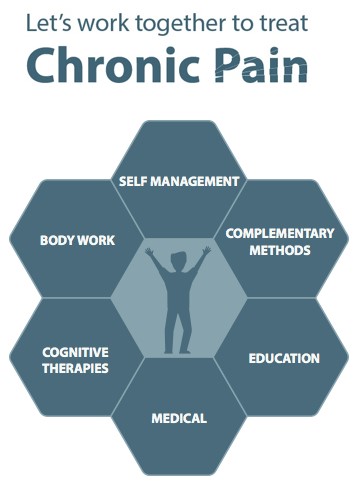
Bridging therapies for chronic pain offer essential temporary relief, supporting immediate pain management, reducing opioid reliance, and improving patient functionality. However, they come with risks, such as side effects and potential over-reliance. Ethical concerns include balancing patient autonomy with provider responsibility and addressing access disparities. Community resources like education, support services, and integrated care can … Read more

Long-term Opioid Therapy

Long-term opioid therapy is commonly used to manage chronic pain, offering significant relief for individuals with treatment-resistant conditions. However, this approach carries disadvantages, including the risks of dependence, addiction, and side effects. Ethical dilemmas arise as healthcare providers seek to balance effective pain management with the potential for misuse, raising questions about patient autonomy and … Read more

Attraction to Toxic Relationships

The allure of toxic relationships poses challenges, especially in the context of addiction and recovery. This phenomenon is shaped by psychological, neurobiological, and social factors. Understanding its occurrence requires exploring changes in neuroscience, self-management strategies, family dynamics, and community resources. As individuals navigate the complexities of recovery, preventing entanglement with toxic relationships becomes crucial. A … Read more

Surrendering to Addiction Therapy

The surrendering model, integral to addiction recovery, centers on acknowledging powerlessness and embracing spiritual principles. Advantages include profound spiritual growth and lasting recovery. Ethical dilemmas pose challenges that require effective self-management. Family support and community resources become crucial in navigating this transformative journey. In essence, the surrendering model offers a pathway to profound transformation and … Read more

Healthy Relationship with an Addict

Building a healthy relationship with an individual in addiction recovery requires a foundation of understanding, clear boundaries, mutual respect, and effective communication. Establishing boundaries is not about control but instead about creating a supportive environment that nurtures both individuals. Mutual respect ensures that the recovery journey is acknowledged and valued. Open and honest communication becomes … Read more

Addicts’ Behaviors in Relationships

Navigating typical addict behavior in relationships necessitates a holistic approach, involving self-management, family support, and community resources. Substance abuse strains relationships, influencing both individuals and their loved ones. Self-management focuses on personal resilience, family support fosters understanding, and community resources offer external assistance. This comprehensive framework addresses the challenges posed by addictive behavior, fostering healthier … Read more

Spouse’s Role with an Addict

A spouse’s relationship with an individual battling addiction demands a comprehensive approach. This involves cultivating self-management strategies for emotional well-being, seeking family support to strengthen relationships, and tapping into community resources to build a robust support network. Spouses play a vital role in the recovery process, and this introduction explores the key elements of self-management, … Read more