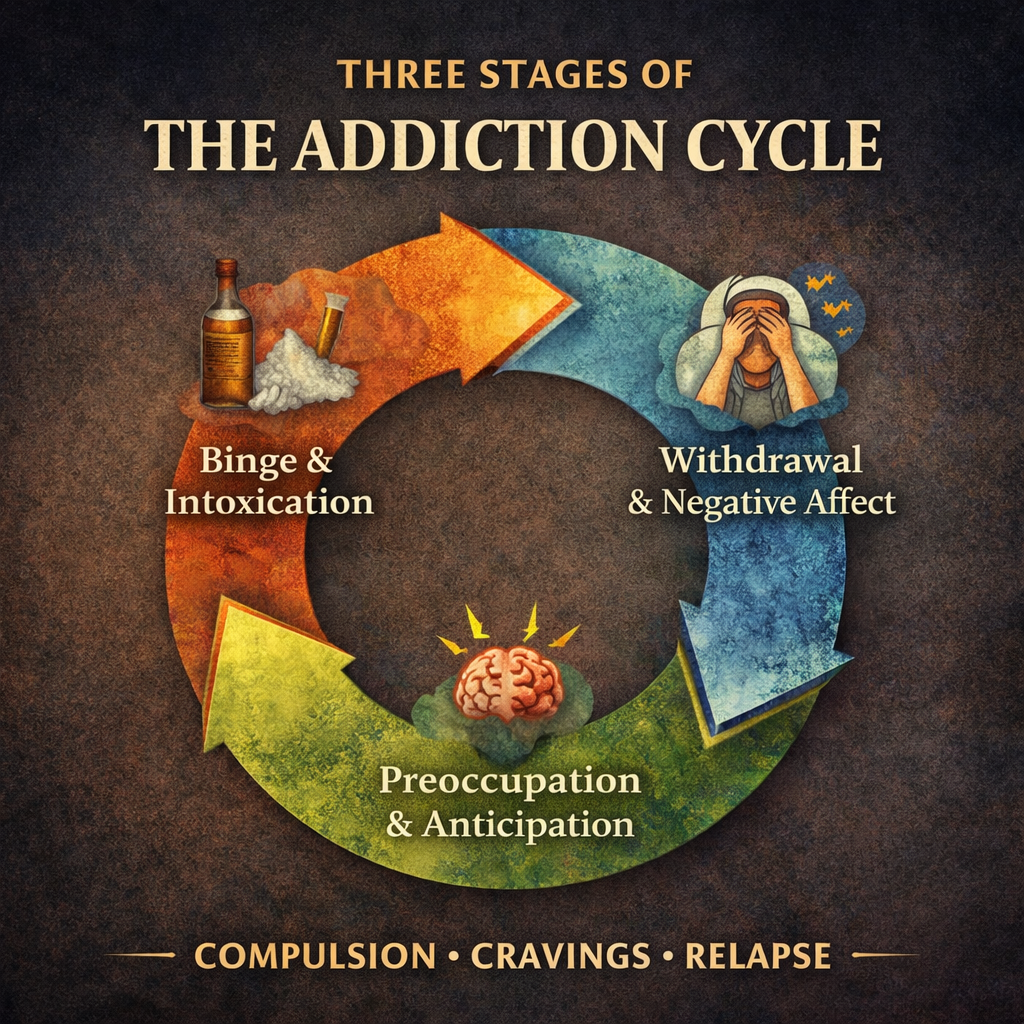
Compassionate Craving Response
Cravings are a natural and expected part of addiction recovery, yet they are often met with fear, shame, or self-criticism. Responding to cravings with compassion shifts the focus from punishment to understanding, recognizing urges as temporary brain responses rather than personal failures. When cravings are approached with kindness, curiosity, and patience, individuals are better able … Read more
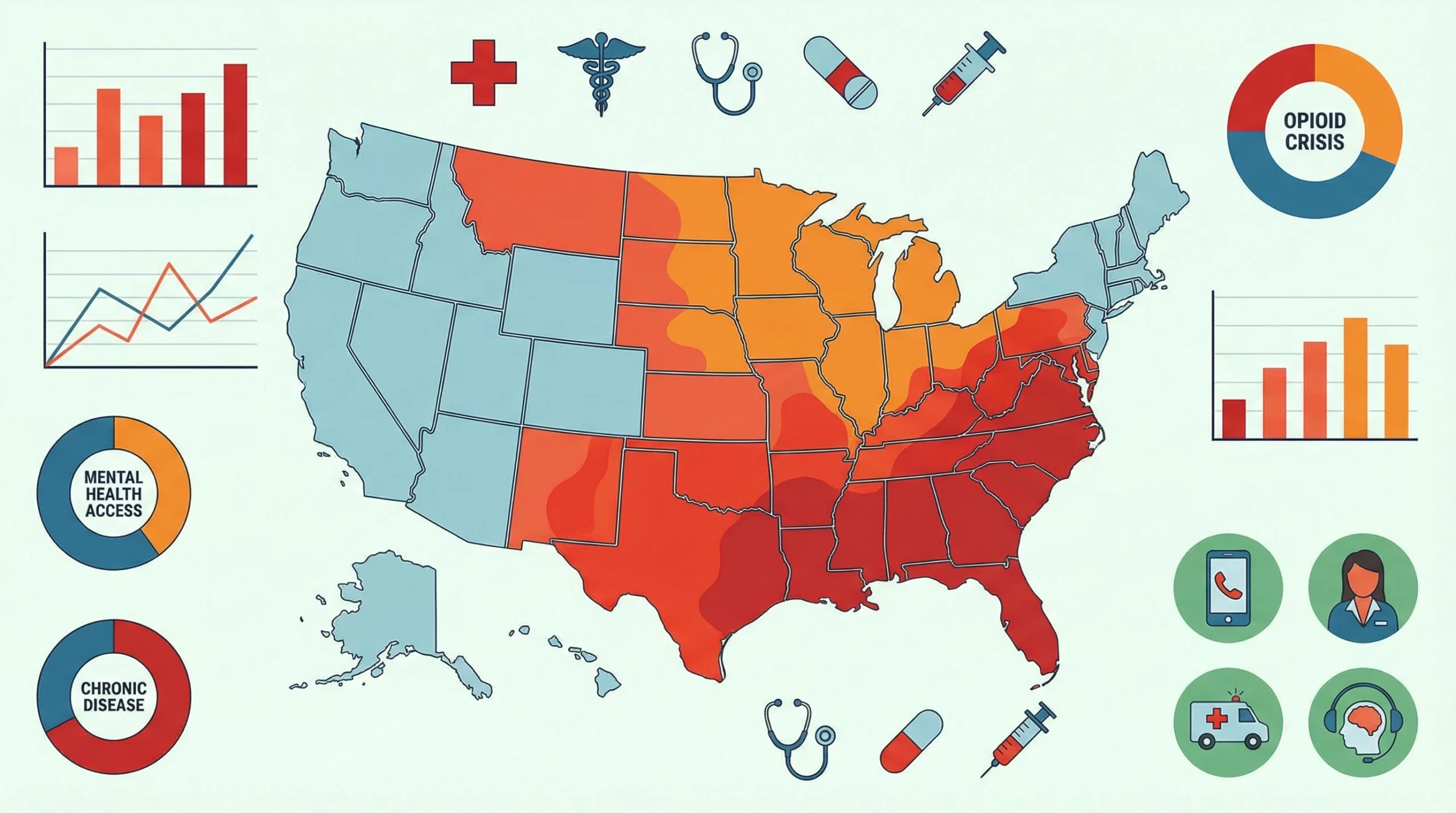
10 Worst States for Addiction

Dealing with addiction is a reality that thousands of people across the United States face every day. Nobody plans to struggle with substance misuse, yet certain states grapple with particularly tough challenges—high drug and alcohol misuse rates, soaring overdose deaths, and real gaps in available treatment. Understanding where these struggles hit hardest helps people, healthcare … Read more

Most Drug-Addicted U.S. City

If you’ve ever wondered which city in the United States struggles most with drug addiction, you’re not alone. It’s an uncomfortable but important question, because the answer reflects deeper issues that affect entire communities, families, and local systems of care. Drug addiction doesn’t exist in a vacuum—it’s shaped by economic pressures, access to healthcare, housing … Read more

Lowest Drug Addiction Country

Exploring which country has the lowest levels of drug addiction offers valuable insight into how culture, policy, and social structure shape public health outcomes. Low addiction rates often spark curiosity about what those societies are doing differently—from prevention strategies and healthcare access to education, community connection, and social norms around substance use. Rather than reflecting … Read more

Addiction Counseling: 12 Functions

Addiction counseling requires skill, consistency, and a real commitment to create lasting change for people. The 12 Core Functions of Addiction Counseling provide a clear roadmap that guides counselors through every stage of treatment. From initial contact through ongoing support, aftercare, and relapse prevention, these functions help ensure that care is ethical, organized, and effective. … Read more

The Oldest Drug in the World

When you hear the phrase “the oldest drug in the world,” it’s easy to imagine something pulled from an ancient apothecary shelf or a long-forgotten herbal remedy. In reality, the answer is both more fascinating and more nuanced, because it depends on how we define a “drug.” Is it any substance that alters the body … Read more

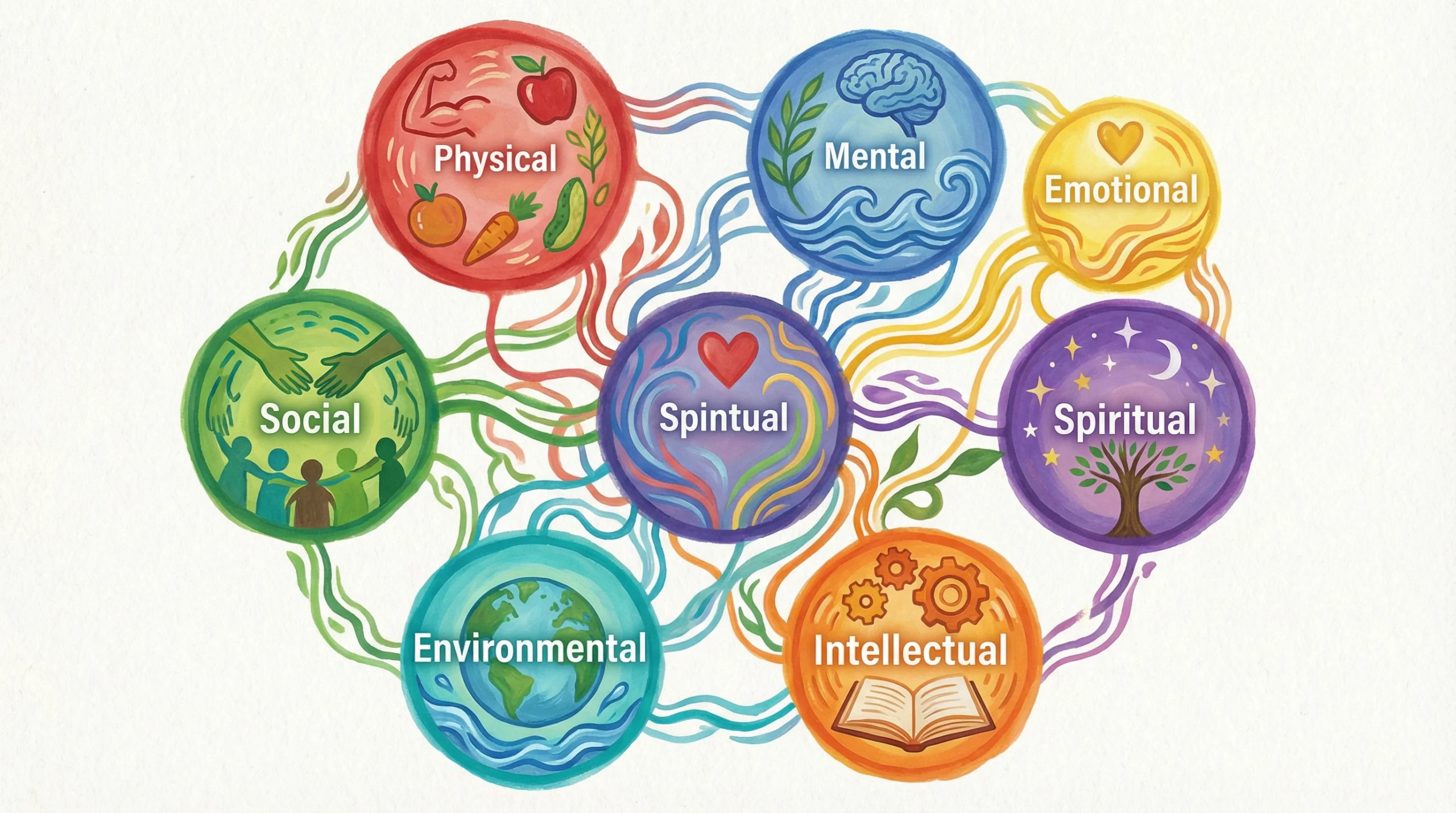
7 Dimensions of Addiction Care

If you’ve been looking into addiction treatment models, something you might have come across is the 7-Dimensional Addiction Treatment Model. This approach has made a real difference for a lot of people—not just those seeking recovery but also families and counselors trying to understand the bigger picture of addiction. So, here’s a detailed look at … Read more

The Hardest Year of Sobriety

Staying sober can be one of the most challenging journeys a person undertakes, especially during that first year of recovery. For many people, the early months require far more than just avoiding substances; they demand major lifestyle changes, emotional adjustment, and often a complete reshaping of daily routines and social circles. Old habits, environments, and … Read more

The Addiction Cycle: 3 Stages

The addiction cycle helps explain why breaking free from substance use is often far more complex than simply “stopping.” Addiction isn’t driven by willpower alone—it follows a predictable pattern of changes in the brain’s reward, stress, and decision-making systems that reinforce continued use over time. These biological and psychological shifts create a repeating loop that … Read more