Addiction’s Impact on Families

Addiction doesn’t just affect the individual—it reaches far into the lives of family members, touching relationships, routines, and emotional well-being. Families often experience stress, uncertainty, and worry as they try to support their loved one while managing their feelings. The ripple effect can manifest unexpectedly, from strained communication and financial pressures to shifts in household … Read more


The Stigma of Racism in Addiction

Discussions about substance abuse often overlook the role of racism in shaping both the risk of developing addiction and the recovery process. Yet, systemic racial bias plays a significant part in who has access to treatment, how individuals are perceived by society, and the support they receive. Understanding this connection is crucial not only for … Read more

Dark Myths About Addiction

If you’ve ever overheard conversations about addiction, you’ve probably noticed a lot of big myths floating around. Stories, stereotypes, and even spooky warnings can get passed around until they sound like facts. These dark myths about addiction don’t just muddy the truth; they end up affecting how people understand addiction and treat others facing it. … Read more

History Of Alcohol Timeline

Alcohol has a history that spans thousands of years, from the earliest fermented brews of ancient civilizations to today’s sophisticated distilleries. It has played a role in religious rituals, traditional medicine, social gatherings, and even political events, reflecting cultural shifts and innovations along the way. This guide delves into alcohol’s fascinating journey, exploring how a … Read more

Triggers in Addiction Recovery

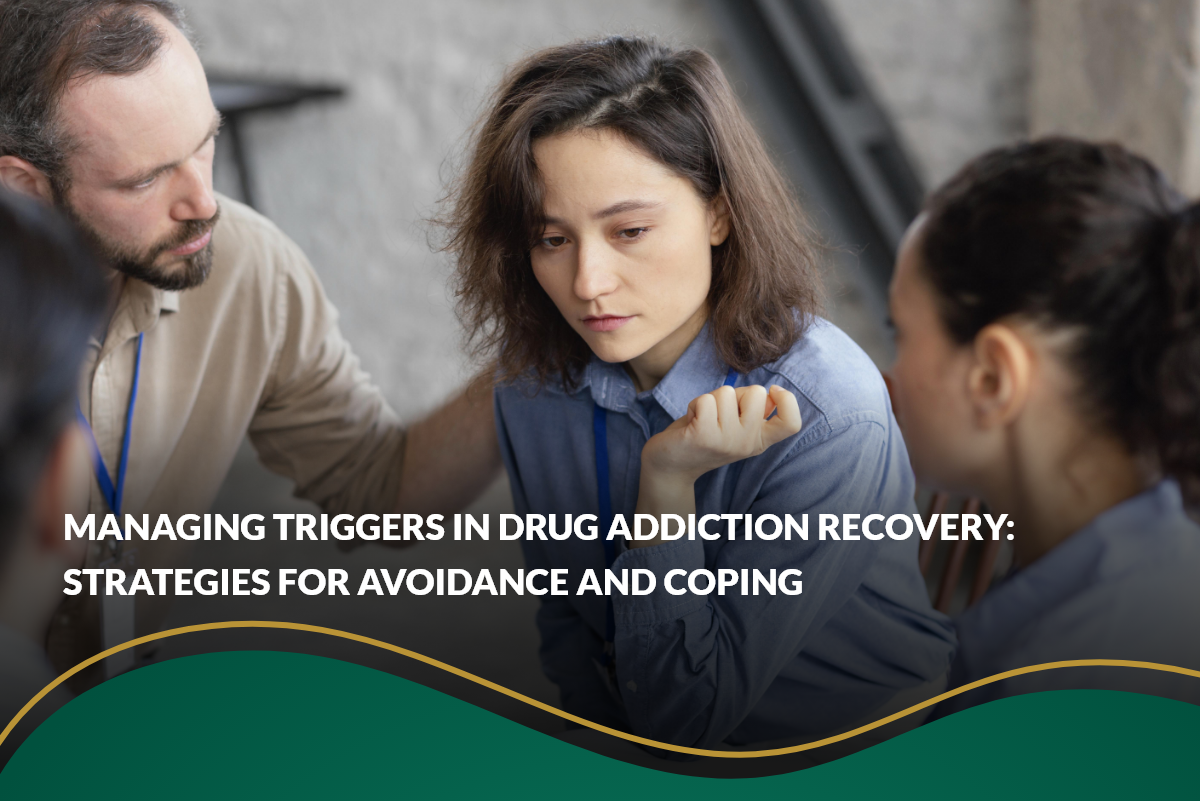
During addiction recovery, triggers like stress, emotions, or environments can spark cravings and relapse. Effective management combines self-skills, family support, and community resources, helping individuals cope with stress, avoid triggers, and build lasting sobriety. Understanding and Managing Triggers in Addiction Recovery In addiction recovery, triggers are people, places, things, emotions, or situations that spark cravings … Read more

Non-Alcoholic Drinks and Relapse

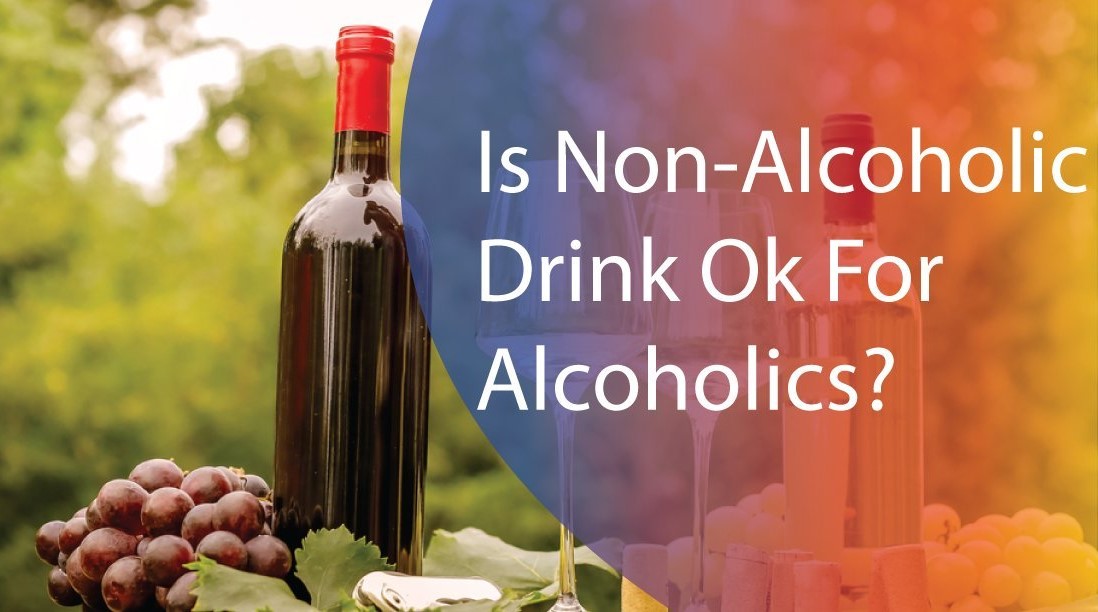
Non-alcoholic drinks may seem safe for people in recovery but can trigger relapse by mimicking alcohol’s taste, look, and rituals. They’re often used to fit in socially, manage cravings, or test control, yet even small alcohol traces or familiar cues can reactivate addiction pathways. A solid relapse prevention plan should set clear boundaries, provide coping … Read more

Tideglusib for Alcohol Treatment

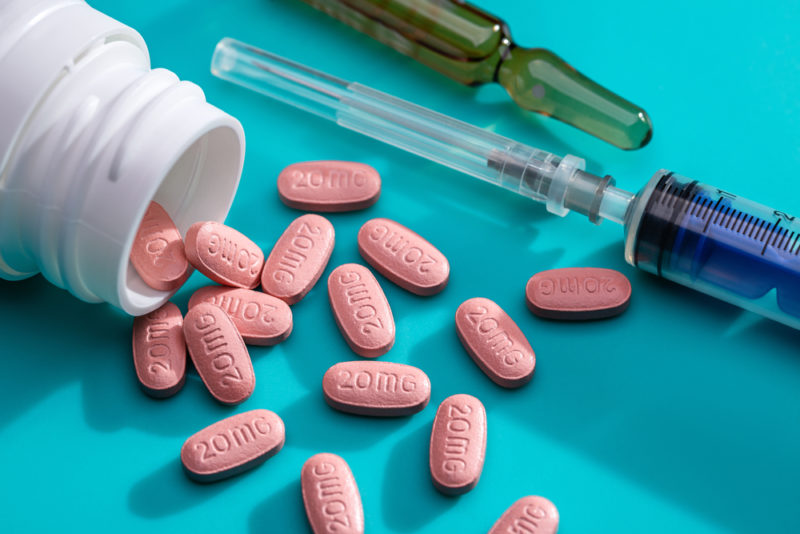
Tideglusib, a GSK-3β inhibitor initially developed for neurodegenerative diseases, is now being explored as a treatment for alcohol use disorder (AUD). Early research suggests it may reduce chronic alcohol intake by targeting brain pathways linked to addiction. Potential advantages include reduced relapse risk and non-daily dosing. However, disadvantages include limited human trial data and possible … Read more

Opvee (nalmefene) opioid antidote

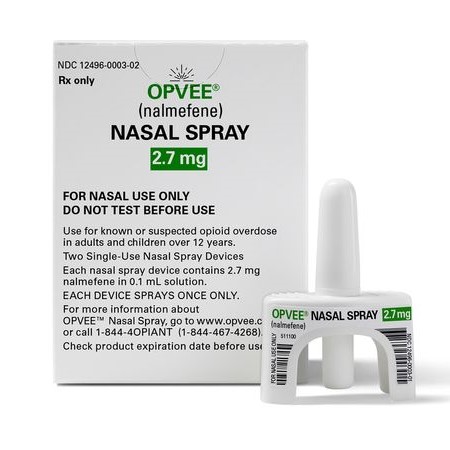
Opvee (nalmefene) is a nasal spray used to reverse opioid overdoses by blocking mu-opioid receptors in the brain, restoring breathing and consciousness. It lasts longer than naloxone, making it useful for potent opioids like fentanyl. Side effects may include nausea, headache, and withdrawal symptoms. While effective, Opvee is currently more expensive and less widely available … Read more

Addiction Extended-Release meds

Extended-release (XR) medications for substance use disorders (SUDs) can significantly improve outcomes for individuals in or recently released from the criminal justice system (CJS) by promoting treatment adherence, reducing substance use, and lowering recidivism. These long-acting options reduce the burden of daily dosing, but also present challenges like high costs, limited access, side effects, and … Read more

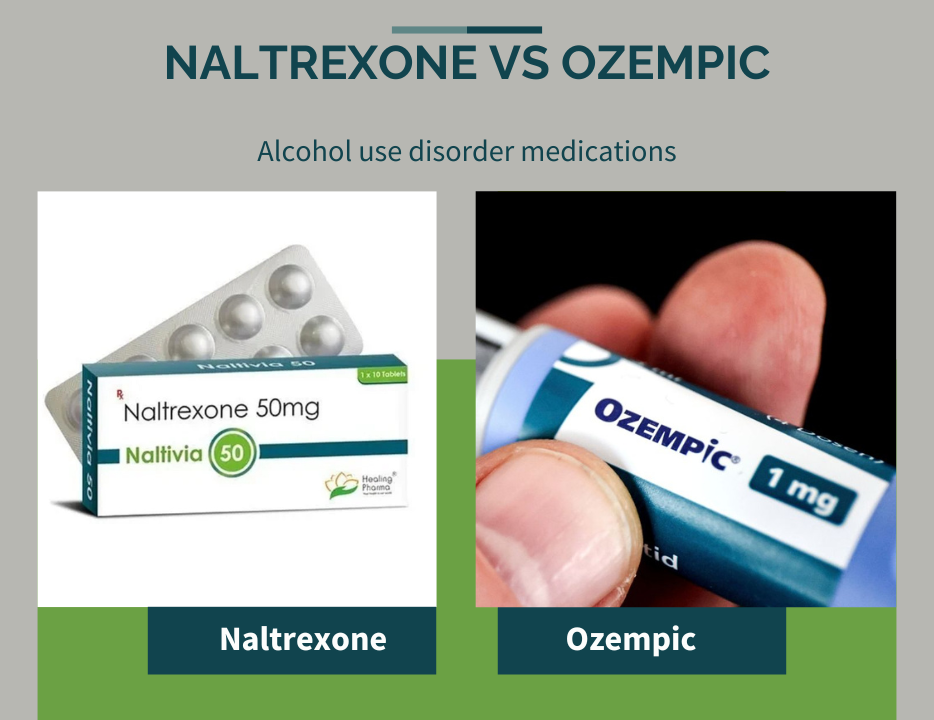
Naltrexone versus Ozempic

Naltrexone and Ozempic take different approaches to treating alcohol use disorder (AUD). Naltrexone is FDA-approved, affordable, and well-studied; Ozempic is promising but off-label, costly, and less researched. Ethical concerns include access, safety, and informed consent. Both have side effects, and choosing between them reflects the trade-off between innovation and proven care. Naltrexone vs. Ozempic: Comparing … Read more