Survivor’s Guilt Leads to Addiction

Survivor’s guilt, born from the emotional burden of surviving a traumatic event when others did not, intricately interacts with the risk of addiction as a coping mechanism. This exploration delves into the complex dynamics of survivor’s guilt, its potential connection to addiction, and preventive strategies. By examining self-management approaches, the importance of family support, and … Read more


Perfectionism leads to Addiction

Perfectionism, when we aim for perfect standards and fear making mistakes, can lead to challenges, including a higher risk of addiction. In this introduction, we’ll explore how perfectionism connects to addiction, looking at the difficulties it brings. We’ll discover ways to manage it personally, see how family support is crucial, and check out community resources … Read more

Guilt and Shame Lead to Addiction

In addiction prevention, acknowledging the potent impact of guilt and shame is essential. Stemming from a sense of responsibility and inadequacy, these emotions significantly contribute to addiction development. This exploration delves into how guilt and shame act as precursors to addictive behaviors, highlighting the need for preventive strategies. We’ll uncover self-management techniques for empowerment, explore … Read more

PTSD leads to Addiction

Post-Traumatic Stress Disorder (PTSD) poses a formidable challenge, often intertwined with the risk of addiction. Individuals grappling with trauma may be susceptible to substances or maladaptive behaviors as coping mechanisms. Navigating this complex terrain requires effective strategies, including self-management, family support, and community resources. This exploration delves into the interconnected realms of PTSD and addiction, … Read more

Breaking Behavioral Addiction

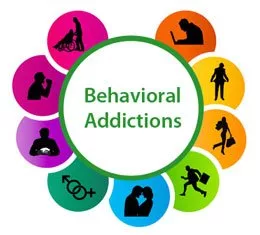
Addictive behaviors, including substance abuse and behavioral addictions, are closely tied to cultural influences and the accessibility of substances or activities. Cultural norms shape societal attitudes towards addictive behaviors, influencing their prevalence, while the availability of these stimuli significantly affects individual engagement. Recognizing this interplay is essential for effective prevention efforts. This introduction examines the … Read more

Obsession vs Addiction

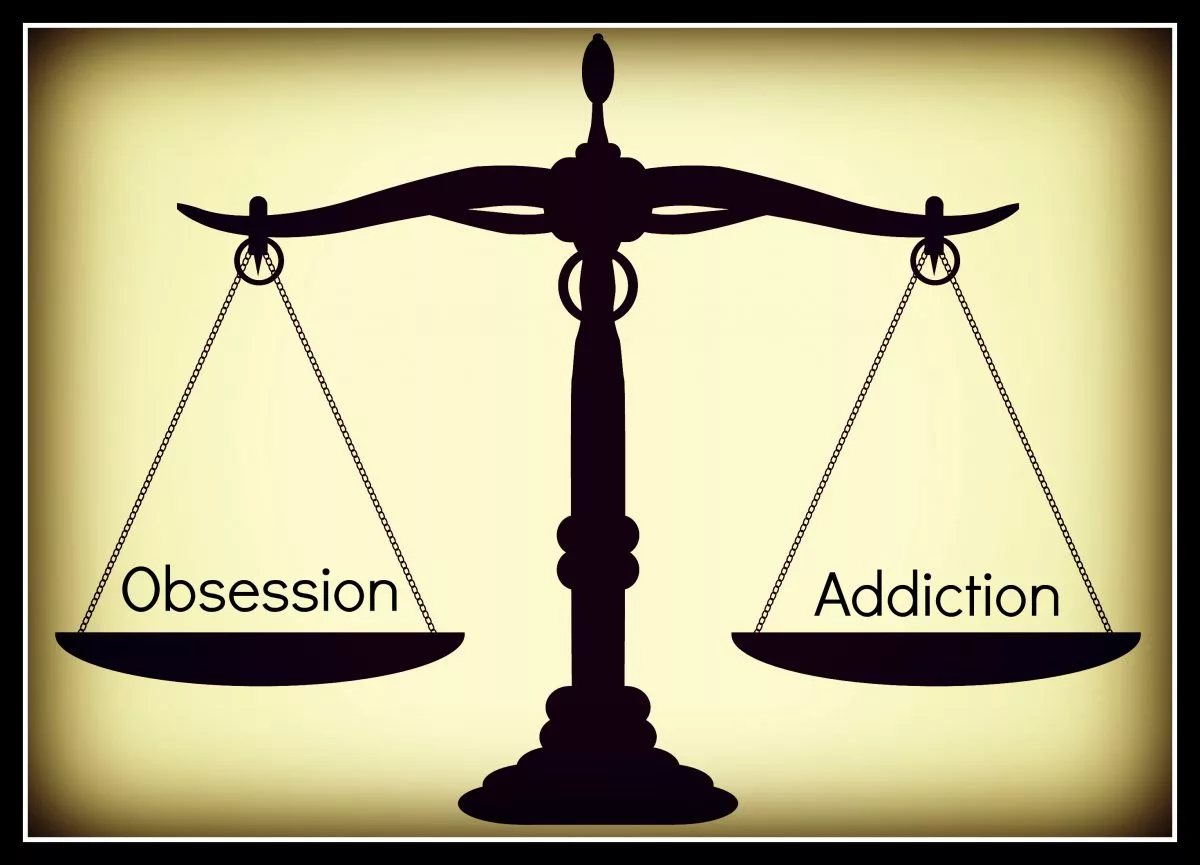
Understanding the delicate balance between obsession and addiction is essential for those navigating mental health challenges. Obsession, marked by persistent thoughts, and addiction, characterized by compulsive behaviors, share a nuanced relationship. Differentiating between the two is key, as not all obsessions lead to addiction. This exploration delves into the meanings of obsession and addiction, emphasizing … Read more

Grieving leads to Addiction

Grieving, a profound journey laden with complex emotions, poses the risk of individuals turning to addiction as a coping mechanism in the face of loss. This exploration delves into strategies for prevention and support, encompassing individual self-management, the pivotal role of family support, and the expansive network of community resources. By addressing the interconnected aspects … Read more

Five Elements of Addiction

Examining addiction through the lens of the five elements—feeling different, preoccupation with the behavior, temporary satiation, loss of control, and negative consequences—offers a holistic framework for understanding this intricate issue. Beyond clinical applications, these components guide self-management, family support, and community interventions. However, their use poses ethical dilemmas related to stigmatization and oversimplification. This exploration … Read more

Four Components of Addiction

The 4 C’s—Craving, Loss of Control, Compulsion, and Continued Use Despite Consequences—constitute a vital framework for understanding addiction. These elements guide effective strategies in clinical, self-management, family support, and community contexts. Navigating the 4 C’s illuminates their role in empowering individuals, strengthening familial bonds, and guiding community interventions. Recognizing their significance is crucial for comprehensive … Read more

Vaping leads to Addiction

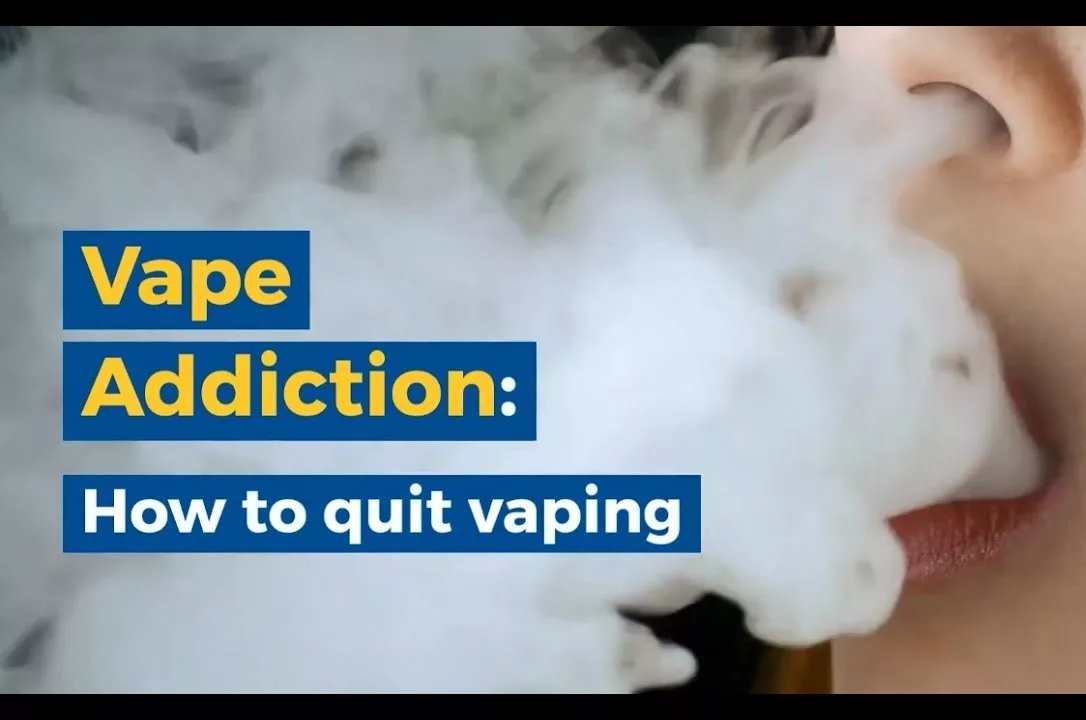
Vaping, the inhalation of aerosolized substances through electronic cigarettes, presents a significant challenge due to its addictive nature, driven by nicotine content and aggressive marketing. This phenomenon has raised health concerns, impacting respiratory and cardiovascular well-being. Addressing vaping requires a comprehensive strategy involving self-management, family support, and community resources. This introduction explores the addictive properties, … Read more