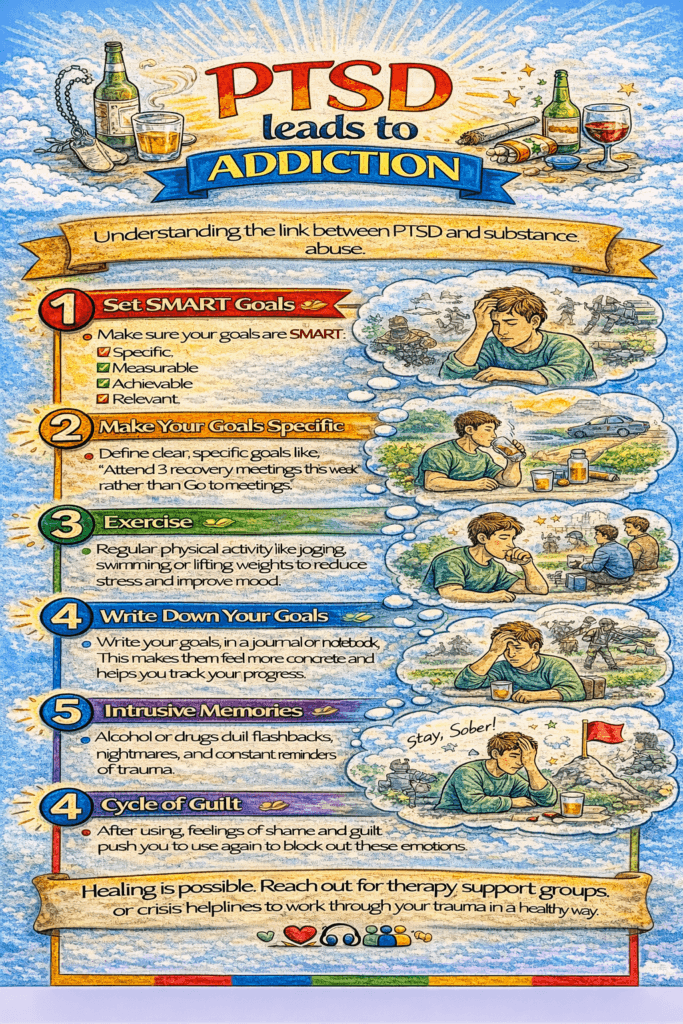
Post-Traumatic Stress Disorder (PTSD) poses a formidable challenge, often intertwined with the risk of addiction. Individuals grappling with trauma may be susceptible to substances or maladaptive behaviors as coping mechanisms. Navigating this complex terrain requires effective strategies, including self-management, family support, and community resources. This exploration delves into the interconnected realms of PTSD and addiction, emphasizing the significance of self-directed coping, familial bonds, and community support in fostering resilience and sustained recovery.
Understanding the Link Between PTSD and Addiction
Post-Traumatic Stress Disorder (PTSD) and addiction frequently coexist, creating a complex and interconnected relationship that poses unique challenges for individuals and their treatment providers. PTSD symptoms, such as flashbacks, anxiety, and emotional distress, often drive individuals to seek relief through substance use, inadvertently leading to addiction. Here’s an exploration of how PTSD can contribute to the development of addiction:
1. Self-Medication
Many individuals with PTSD turn to substances like alcohol or drugs as a way to self-medicate their symptoms.
- Substances may temporarily alleviate anxiety, flashbacks, or nightmares.
- This self-medication provides short-term relief but can lead to dependency and long-term harm.
2. Coping Mechanism
Trauma often leaves individuals grappling with intense emotional and psychological pain.
- Substance use may provide a temporary sense of relief or distraction from intrusive thoughts.
- Over time, reliance on substances as a coping mechanism can evolve into addiction.
3. Attempts to Regain Control
Experiencing trauma can create a profound sense of powerlessness.
- Using substances may feel like an attempt to reclaim control or autonomy.
- However, this perceived control is fleeting and often exacerbates the challenges of PTSD.
4. Avoidance of Trauma-Related Feelings
PTSD involves recurring and intense emotions tied to the trauma.
- Substances can numb these emotions, offering a temporary escape from the distress.
- This avoidance strategy can become habitual, deepening the cycle of addiction.
5. Comorbidity of Mental Health Conditions
PTSD frequently coexists with other mental health issues such as depression, anxiety, or mood disorders.
- The compounded burden of multiple mental health challenges increases the likelihood of substance use.
- Addiction can develop as individuals seek ways to manage the cumulative impact of their symptoms.
6. Impact on Brain Chemistry
Trauma alters the brain’s neurochemistry, particularly in areas that govern the stress response and reward pathways.
- Substance use may exploit these changes, creating a feedback loop in which the brain craves the temporary relief substances provide.
- This cycle reinforces addiction as a coping mechanism for trauma-induced dysregulation.
7. Social Isolation
PTSD often leads to hypervigilance, avoidance behaviors, and social withdrawal.
- Loneliness and isolation can push individuals towards substance use as a way to cope.
- Substance use, in turn, may further isolate individuals, compounding the challenges of PTSD.
8. Interference with Treatment
Substance use can hinder effective PTSD treatment.
- Individuals may struggle to engage in therapy or adhere to treatment plans due to addiction.
- Addressing both PTSD and addiction concurrently is essential for meaningful progress.
Comprehensive Treatment Approach
Recognizing the connection between PTSD and addiction underscores the need for an integrated treatment model:
- Trauma-Informed Care: Therapy that acknowledges and addresses the role of trauma in substance use.
- Mental Health Support: Treatment for co-occurring mental health conditions, such as anxiety or depression.
- Substance Use Intervention: Strategies for managing addiction, including counseling, medication-assisted treatment, and support groups.
By addressing both the trauma and the addiction, individuals can achieve a more holistic and sustainable recovery. An integrated approach provides the tools and support necessary to break the cycle and build a healthier, more empowered future.
Self-Management Strategies for PTSD: Preventing Addiction and Promoting Resilience
Effectively managing Post-Traumatic Stress Disorder (PTSD) and reducing the risk of addiction requires intentional self-management strategies that focus on mental and emotional well-being. By incorporating practices that promote resilience and stability, individuals can take proactive steps toward recovery and a healthier lifestyle. Here are some key self-management strategies for coping with PTSD:
1. Therapy and Counseling
- Participate in evidence-based therapies like Cognitive-Behavioral Therapy (CBT) or Eye Movement Desensitization and Reprocessing (EMDR).
- Regular counseling sessions provide a safe space to process trauma and explore healing strategies.
2. Mindfulness and Relaxation Techniques
- Practice mindfulness meditation, deep breathing, or progressive muscle relaxation to stay grounded and manage stress.
- These techniques help regulate emotions and reduce the intensity of PTSD symptoms.
3. Establishing Routine
- Create a structured daily routine to foster stability and predictability.
- A consistent schedule can help reduce anxiety and instill a sense of control.
4. Physical Exercise
- Engage in regular physical activity, as exercise improves mood and decreases symptoms of anxiety and depression.
- Activities like walking, swimming, or yoga can be both enjoyable and sustainable.
5. Healthy Lifestyle Choices
- Maintain a balanced diet to support physical and mental health.
- Avoid or limit substances like alcohol and drugs, which can exacerbate symptoms and increase addiction risk.
6. Journaling
- Write down thoughts and feelings in a journal to process emotions constructively.
- Journaling helps identify patterns and triggers, offering insight into PTSD symptoms.
7. Social Support
- Build a network of supportive friends, family, or peers who understand the challenges of PTSD.
- Connecting with others reduces isolation and fosters emotional well-being.
8. Education and Awareness
- Learn about PTSD, its symptoms, and available treatment options.
- Awareness empowers individuals to recognize triggers and implement effective coping mechanisms.
9. Setting Boundaries
- Establish clear personal boundaries to create a sense of safety and control.
- Learning to say no when needed prevents undue stress and preserves emotional energy.
10. Goal Setting
- Break larger goals into smaller, manageable steps to build momentum.
- Achieving even small milestones boosts self-esteem and encourages progress.
11. Distraction Techniques
- Engage in enjoyable activities, such as hobbies, music, or other creative pursuits, to divert attention from distress.
- Distraction can provide relief during moments of heightened anxiety or triggers.
12. Regular Sleep Patterns
- Prioritize good sleep hygiene by establishing consistent sleep and wake times.
- Quality sleep is crucial for emotional regulation and overall health.
13. Seeking Professional Help
- Consult mental health professionals for guidance and treatment plans tailored to individual needs.
- Medication management may be an option in consultation with a psychiatrist.
By adopting these strategies, individuals with PTSD can take meaningful steps toward recovery and resilience. Proactively managing PTSD reduces the risk of addiction, enhances coping skills, and fosters a more balanced and empowered approach to life.
The Crucial Role of Family Support in Managing PTSD and Preventing Addiction
Family support plays an indispensable role in helping individuals with Post-Traumatic Stress Disorder (PTSD) cope effectively and reduce the risk of addiction. A compassionate and well-informed family can provide the stability and understanding necessary for recovery. Here are some key family support strategies for addressing PTSD:
1. Educate the Family
- Learn about PTSD, its symptoms, and its impact on daily life.
- Education fosters empathy and equips family members to better understand and support their loved ones.
2. Open Communication
- Promote honest and open communication within the family.
- Create a safe space where individuals with PTSD can express their feelings without fear of judgment or misunderstanding.
3. Participate in Therapy Together
- Attend family therapy or counseling sessions to address relational dynamics and strengthen bonds.
- Family therapy provides a platform for understanding the impact of PTSD on relationships and finding collective solutions.
4. Learn Triggers and Warning Signs
- Identify the triggers and warning signs associated with PTSD episodes.
- Understanding these cues allows for timely and empathetic support during challenging moments.
5. Establish Routines and Predictability
- Create consistent daily routines to foster a sense of safety and stability.
- Predictable environments can alleviate anxiety and help individuals with PTSD feel more secure.
6. Collaborate on Safety Plans
- Work together to develop safety plans for managing crises or overwhelming situations.
- A proactive approach reduces uncertainty and instills confidence in handling complex scenarios.
7. Encourage Self-Care
- Support your loved one in prioritizing self-care activities, such as mindfulness, exercise, and relaxation techniques.
- Self-care contributes to emotional resilience and overall well-being.
8. Be Patient and Understanding
- Recognize that recovery is a gradual process with ups and downs.
- Offer unwavering patience and understanding, fostering a non-judgmental environment.
9. Attend Support Groups
- Join family support groups focused on PTSD to connect with others facing similar challenges.
- Shared experiences can provide insight, comfort, and a sense of community.
10. Set Realistic Expectations
- Establish attainable recovery goals and celebrate small milestones.
- Acknowledging progress, however incremental, boosts motivation and morale.
11. Encourage Professional Help
- Advocate for professional mental health support and encourage your loved one to seek therapy.
- Collaborate with professionals to learn how to provide adequate support at home.
12. Address Family Dynamics
- Explore and resolve family dynamics that may contribute to stress.
- Family therapy can uncover and address underlying relational issues.
13. Maintain Boundaries
- Set clear and healthy boundaries to ensure mutual respect and self-care within the family.
- Boundaries help balance individual needs and collective responsibilities.
14. Offer Practical Assistance
- Provide help with daily tasks during challenging periods.
- Practical support can alleviate stress and allow individuals to focus on recovery.
15. Model Healthy Coping Strategies
- Demonstrate positive coping mechanisms for managing stress and emotions.
- Observing healthy behaviors inspires individuals with PTSD to adopt constructive strategies.
A family that is informed, compassionate, and actively involved plays a pivotal role in creating a supportive environment for individuals with PTSD. This nurtures resilience and helps reduce the likelihood of turning to addiction as a coping mechanism, paving the way for sustained recovery and well-being.
The Importance of Community Resources in Supporting PTSD Recovery and Addiction Prevention
Community resources are invaluable for individuals dealing with Post-Traumatic Stress Disorder (PTSD), providing diverse avenues of support to enhance recovery and reduce the risk of addiction. These resources foster connection, education, and access to specialized care, creating a robust support network for individuals and their families. Below are key community resource strategies for coping with PTSD:
1. Mental Health Clinics and Counseling Centers
- Access local clinics and centers offering specialized services for PTSD, such as therapy, support groups, and family counseling.
- Professional care tailored to PTSD is foundational for recovery.
2. Support Groups
- Join community-based PTSD support groups to connect with others who share similar experiences.
- Sharing challenges and successes fosters a sense of belonging and mutual understanding.
3. Veterans’ Services
- Veterans can benefit from services provided by organizations dedicated to their unique needs, including counseling, peer support, and assistance with benefits navigation.
- Specialized veteran programs address trauma experienced during military service.
4. Trauma-Informed Yoga and Exercise Classes
- Engage in community yoga or fitness classes designed with a trauma-informed approach.
- Physical activity reduces stress and supports emotional regulation in a safe environment.
5. Community Workshops and Events
- Attend workshops and seminars focused on PTSD awareness and coping strategies.
- Such events provide learning opportunities and connections to mental health professionals.
6. Crisis Helplines
- Keep a list of local and national crisis helplines for immediate support during distressing moments.
- Crisis intervention services offer a lifeline during emergencies.
7. Art and Music Therapy Programs
- Participate in community-based art and music therapy sessions.
- Creative outlets provide a therapeutic way to process emotions and manage PTSD symptoms.
8. Community Wellness Centers
- Explore wellness centers that offer mental health resources, stress-reduction programs, and educational workshops.
- These centers often provide holistic support for emotional and physical well-being.
9. Faith-Based Organizations
- Connect with faith-based groups offering counseling, support groups, or community outreach programs.
- Spiritual guidance can be an integral part of the healing process for some individuals.
10. Recreational Activities
- Join recreational programs such as sports, hiking, and other outdoor activities organized by local parks and community centers.
- Engaging in enjoyable activities promotes relaxation and social connection.
11. Community Health Fairs
- Attend health fairs to learn about available mental health resources, workshops, and supportive services.
- These events provide a centralized overview of local help options.
12. Public Libraries
- Utilize library resources, including books on PTSD, self-help guides, and information on local mental health services.
- Libraries offer both knowledge and a peaceful space for self-reflection.
13. Employment Assistance Programs
- Access employment programs that focus on mental health and provide stress management resources.
- Many workplaces offer counseling and tools to support the balance between professional and personal well-being.
14. Online Support Platforms
- Engage with virtual communities and forums dedicated to PTSD recovery and mental health.
- Online platforms provide anonymity, flexibility, and connections to a broader network.
15. Community Crisis Intervention Teams
- Collaborate with crisis intervention teams trained to address mental health emergencies.
- These teams bridge the gap between law enforcement and mental health services, ensuring appropriate responses.
By leveraging these community resources, individuals with PTSD can access diverse support options, strengthen coping mechanisms, and reduce reliance on maladaptive behaviors such as substance use. A well-connected community fosters resilience and empowers individuals to navigate their recovery journey with confidence.
Frequently Asked Questions
Here are some common questions:
1. What is PTSD?
Post-traumatic stress disorder (PTSD) is a mental health condition that develops after experiencing or witnessing traumatic events such as violence, abuse, accidents, combat, or natural disasters. It involves symptoms like intrusive memories, hypervigilance, emotional numbness, and avoidance.
2. How are PTSD and addiction connected?
PTSD and addiction frequently co-occur because individuals may use substances to cope with overwhelming symptoms such as anxiety, insomnia, flashbacks, or emotional pain. This pattern is known as self-medication.
3. Why do people with PTSD turn to drugs or alcohol?
Substances can temporarily reduce emotional distress or help numb traumatic memories. Alcohol may calm anxiety, opioids may blunt emotional pain, and stimulants may counter emotional numbness or fatigue.
4. Does PTSD cause addiction?
PTSD does not directly cause addiction, but it significantly increases risk. Chronic stress alters brain systems involved in fear, reward, and impulse control, making substance use more reinforcing and harder to stop.
5. Which substances are most commonly used by people with PTSD?
Alcohol, opioids, benzodiazepines, cannabis, and stimulants are common due to their short-term calming or numbing effects.
6. How does trauma change the brain in ways that increase addiction risk?
Trauma sensitizes the amygdala (fear center), weakens the prefrontal cortex (decision-making), and disrupts dopamine regulation. These changes increase emotional reactivity and reduce impulse control.
7. Can addiction make PTSD worse?
Yes. Substance use can intensify anxiety, depression, sleep problems, and emotional instability while interfering with trauma processing and therapy.
8. What is dual diagnosis?
Dual diagnosis refers to having both PTSD and a substance use disorder. Effective treatment must address both conditions simultaneously.
9. How is PTSD-related addiction treated?
Integrated care includes trauma-focused therapy (EMDR, CBT, prolonged exposure), medication when appropriate, and addiction treatment such as MAT, counseling, and peer support.
10. Can recovery occur if trauma is not addressed?
Recovery is more difficult without trauma treatment. Unresolved PTSD symptoms often trigger relapse during stress or emotional distress.
11. How can someone tell if trauma is driving their substance use?
Signs include using substances to sleep, stop panic, avoid memories, or feel emotionally numb, and cravings that increase during stress or reminders of trauma.
12. Can PTSD-related addiction be prevented?
Early trauma intervention, access to mental health care, strong social support, and healthy coping skills reduce long-term addiction risk.
13. Is relapse common in people with PTSD?
Relapse risk is higher if trauma symptoms are untreated, but long-term recovery is very achievable with integrated care.
14. What role does support play in recovery?
Family education, peer groups, trauma-informed care, and stable housing improve outcomes significantly.
15. Can people fully recover from both PTSD and addiction?
Yes. With evidence-based treatment, many people experience symptom reduction, sustained sobriety, and improved quality of life.
Conclusion
The intricate interplay between PTSD and addiction underscores the pressing need for comprehensive strategies in the realm of mental health. Acknowledging the potential link between trauma and substance misuse, self-management emerges as a vital tool, empowering individuals to navigate their healing journey. Equally crucial is the role of family support, providing a resilient foundation for those affected by PTSD. Additionally, community resources serve as lifelines, offering diverse avenues for understanding, empathy, and recovery. By embracing these multifaceted strategies, we can pave the way for individuals to reclaim their lives and foster a future defined by resilience, connection, and sustained well-being in the face of trauma.
Video: Life after addiction actually feels like living #sobriety #healing #recovery