Blame-shifting is something I’ve seen crop up time and again in relationships affected by addiction. When someone struggles with substance use, it’s common for both partners to get tangled in complicated cycles of conflict, finger-pointing, and defense. If you’ve ever found yourself asking, “Why do I always feel like it’s my fault?” or “Am I overreacting here?”, chances are you’ve brushed up against blame-shifting. So in this article, I’ll walk through what blame-shifting looks like in addiction relationships, why it happens, and some practical ways to steer through it.
What Is Blame-Shifting in Addiction Relationships?
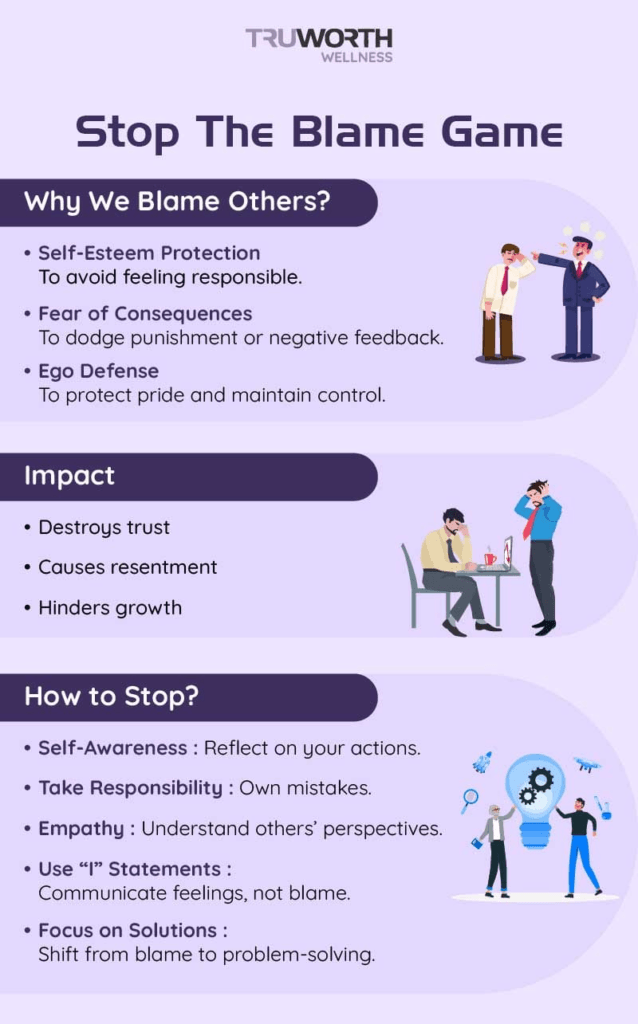
Blame-shifting occurs when someone avoids taking responsibility for their actions by placing blame on others. In addiction relationships, this can get pretty intense. The person struggling with addiction might try to dodge accountability for their behavior or choices by saying things like, “If you didn’t nag me so much, I wouldn’t drink,” or “You make me feel so bad, I have to use.”
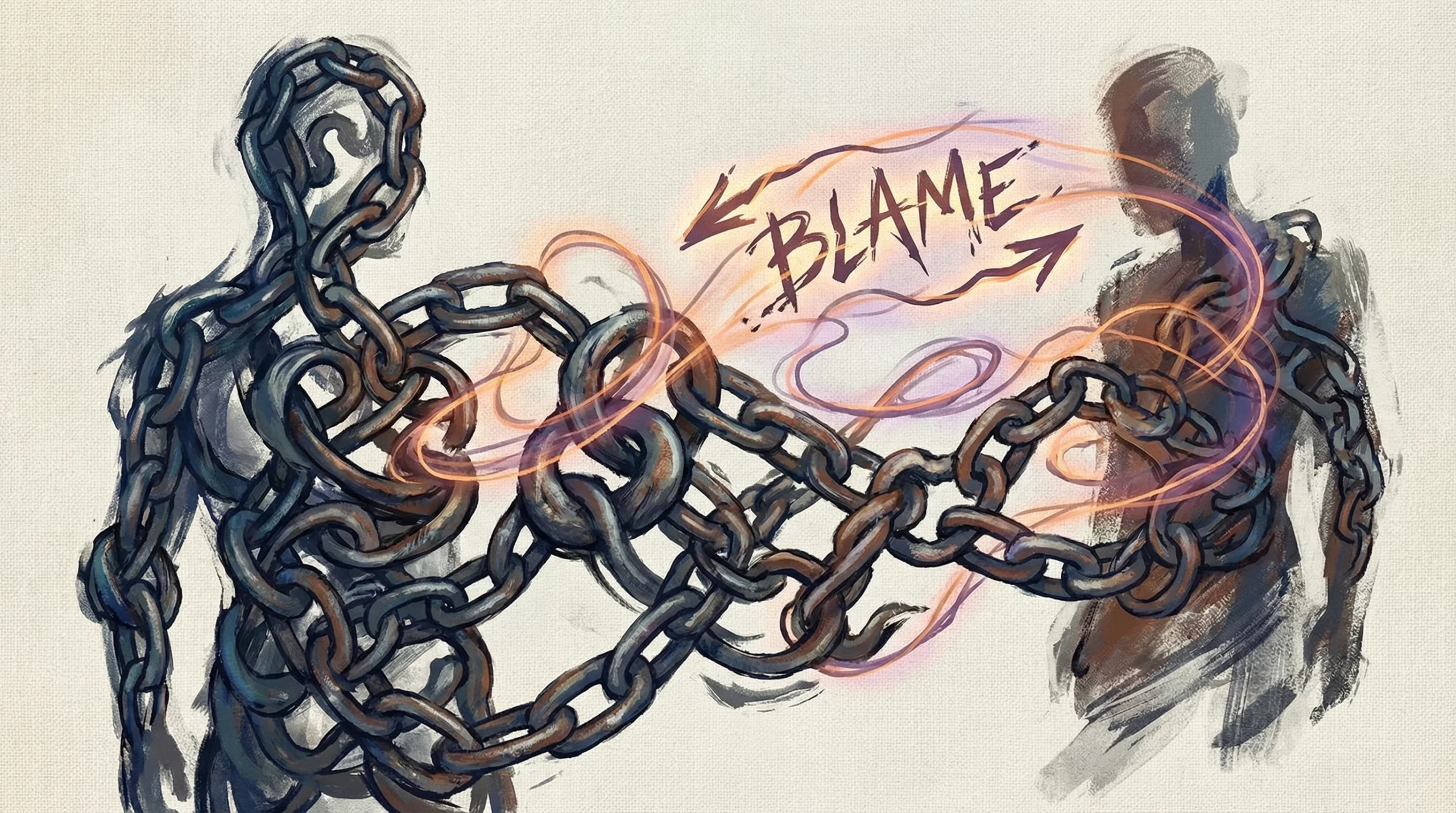
This dynamic isn’t just about assigning fault. It can undermine trust, strain communication, and sometimes make a partner begin to question their own reality. When one person regularly shifts blame, the whole relationship can feel off-balance and tense.
How Blame-Shifting Shows Up
I’ve noticed several ways blame-shifting tends to play out in addiction-affected relationships:
- Deflection: The person with addiction points out their partner’s “wrongs” instead of owning up to their own behavior.
- Minimizing: Shrugging off their actions or claiming the fallout isn’t really a big deal; “You always make such a big fuss, it was just one night.”
- Exaggerating the Partner’s Role: Fabricating or stretching events to make it seem like the other person is to blame for the relapse or ongoing use.
- Victim Mentality: Saying things like, “I’d be fine if everyone would just leave me alone.”
Sometimes, after repeated exposure to this kind of pattern, partners may question themselves and even believe they are at fault.
Why Does Blame-Shifting Happen in Addiction?
Addiction messes with how people engage emotionally and process stress. There are a few reasons blame-shifting pops up so much in these relationships:
- Avoidance of Guilt: Admitting to harmful behaviors or a slip-up can bring up some heavy shame, so it feels easier just to push it onto someone else.
- Denial: Blame-shifting might help a person avoid facing the real weight of their actions.
- Conflict Survival: Some people use blame as a defense, thinking it’ll protect them from further arguments or feeling rejected.
- Learned Patterns: If communication in their family of origin involved a lot of blame, it can feel almost normal, even when it’s toxic.
Partners of someone struggling with addiction can end up walking on eggshells, second-guessing every move, and feeling responsible for managing all the problems.
Recognizing the Impact on Partners
Living with regular blame-shifting takes a toll. I’ve heard from people who feel emotionally exhausted, anxious, or stuck in a spiral of self-doubt. This kind of environment might cause:
- Low self-esteem or confidence
- Confusion about what’s real and what’s exaggerated
- Chronic stress and tension in the relationship
- Isolation, as it can be tough to share with friends and family what’s happening at home
It’s easy to get trapped in a cycle where the partner feels responsible for “fixing” everything, which isn’t fair or possible. Addiction is a complex challenge, and both partners bring their own experiences and choices into the mix.
Blame-Shifting and Codependency
Blame-shifting and codependency often go hand in hand. The partner of someone with addiction may become so focused on fixing, rescuing, or making things right that they lose sight of their own needs. This can lead to a codependent pattern in which your sense of worthiness is tied directly to the other person’s well-being or moods. Over time, you might stop expressing your own feelings, hide your boundaries, and even justify harmful behaviors. Spotting these tendencies is a big step toward regaining your voice in the relationship and making space for your own healing.
Practical Steps for Breaking the Blame Cycle
Getting out of this pattern isn’t easy, but there are some solid ways to start switching things up:
- Recognize the Pattern: Name and notice when blame-shifting is happening. Keeping a journal or confiding in a trusted friend can help clarify what’s going on.
- Set Boundaries: It’s really important to get clear on what behavior is and isn’t okay. Setting boundaries helps protect your well-being and defines limits around arguments or blame-filled conversations.
- Refuse to Take On False Guilt: Remind yourself that you’re not responsible for another person’s use or recovery.
- Seek Outside Support: Al-Anon, therapy, or addiction support groups can offer guidance and validation, which is sometimes hard to find inside the relationship itself.
- Communicate Calmly: When things are less heated, try using “I” statements. Sticking to facts and feelings (“I feel hurt when…”), rather than arguing in circles, can sometimes break the cycle of defensiveness.
Of course, every situation is unique; some partners might decide to step back or leave the relationship for their health. If you’re in any way unsafe or at risk, connecting with trained counselors or hotlines is really important.
Common Challenges and What Helps
Blame-shifting creates all kinds of bumps in the road, but certain strategies and habits make a difference over time:
- New Communication Habits: Practicing open, honest talk and naming patterns as they show up. Sometimes this includes writing out conversations or scripts beforehand to avoid getting swept up in a spiral.
- Accepting What You Can’t Control: Staying focused on your own behavior, boundaries, and well-being. You can’t “make” someone with addiction change.
- Knowledge and Resources: Reading about relationship dynamics, codependency, and addiction gives deeper insight and helps spot issues early.
- Building a Support Network: This can mean close friends, an online community, or professional help.
Keeping these steps in mind can take the pressure off feeling like you’re alone or “doing it wrong.”
Useful Tips for Finding Your Way Through Blame-Shifting
From my own experience and what I’ve seen work for others, here are a few practical tips that genuinely help:
Define Your Values: Decide what you’re okay with and what crosses the line, and stick to those principles.
Limit Engagement: If a conversation turns toxic or blames others, take a break and return later when things are calmer.
Document What’s Happening: Sometimes writing down what’s said and done helps keep a clear perspective and is super useful if outside help is needed.
Know When to Get Help: If you’re feeling hopeless, overwhelmed, or unsafe, reaching out for professional support isn’t just smart, it’s really important.
Avoid the Urge to “Rescue”: Seeing your partner struggle can be painful, but trying to control or fix their situation usually keeps the blame cycle going. Saying “no” to requests that drain you is an act of self-respect, not abandonment. You have the right to protect your emotional well-being above all else.
What If Kids Are Involved?
When kids are part of the family dynamic, blame-shifting can spill over and affect them, too. Children are sensitive to conflict and may end up believing they’re the reason for problems or feel caught in the crossfire. It’s important to reassure children that they’re not responsible for anyone else’s choices, and to model healthy boundaries and communication. If needed, reach out to child counselors or family therapists to create a safer environment for everyone.
Frequently Asked Questions
It’s common to have big questions about your role and how to handle these situations. Here are a few I get asked often:
Question: How can I tell if blame-shifting is happening in my relationship?
Answer: Patterns matter more than single moments. If you notice that every argument circles back to you being at fault, even when it makes little sense, or if you often leave conversations feeling unheard or misunderstood, that’s usually a sign.
Question: Can blame-shifting be stopped?
Answer: With new habits and, ideally, the support of therapy, couples can work toward healthier dynamics. Still, it takes time and willingness from both sides. Sometimes, only one partner is willing to change, and protecting your well-being becomes the priority.
Question: What resources help with blame-shifting in addiction?
Answer: Al-Anon, Nar-Anon, or therapy with counselors who understand addiction dynamics can all help. Books like “Codependent No More” by Melody Beattie are also pretty handy.
Wrapping Up
Blame-shifting shows up in a lot of addiction-affected relationships, and it’s tough. It impacts both partners. Spotting the signs, learning a few new habits, and building up your own support system make things a bit easier to manage. It’s not selfish to look after yourself and to set boundaries; in fact, it’s the best way to break the cycle and start finding real support and stability again. Taking care of your own needs and holding firm to your boundaries will help you rebuild trust in yourself and, if possible, in your relationship. Remember, help is out there, and you don’t have to go through it alone.
Video: Blame-shifting is addiction’s best defense mechanism #psychology #addiction #relationships